





Al-Qubba: A win for the army, a loss for the people
5 May 2026
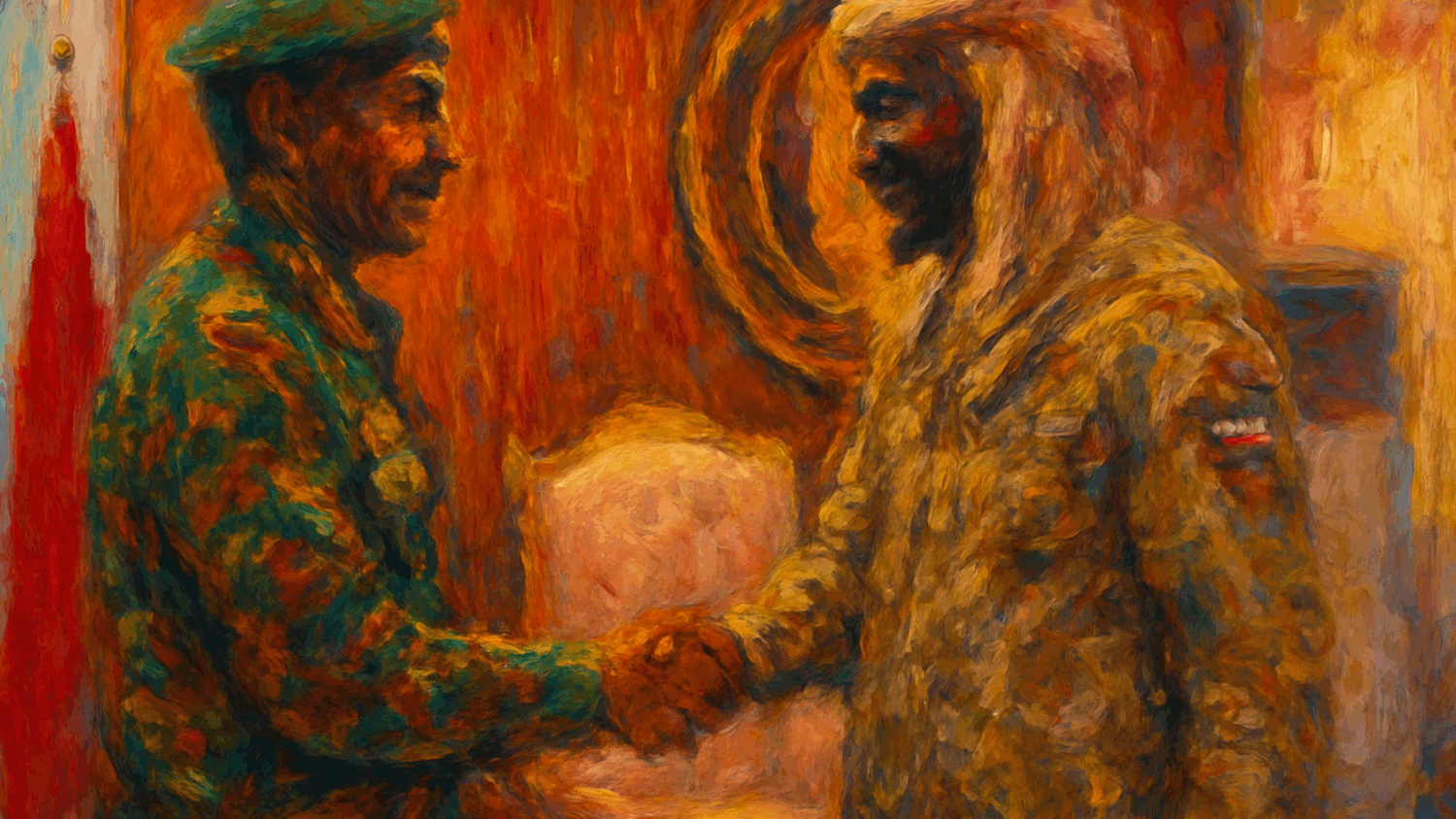
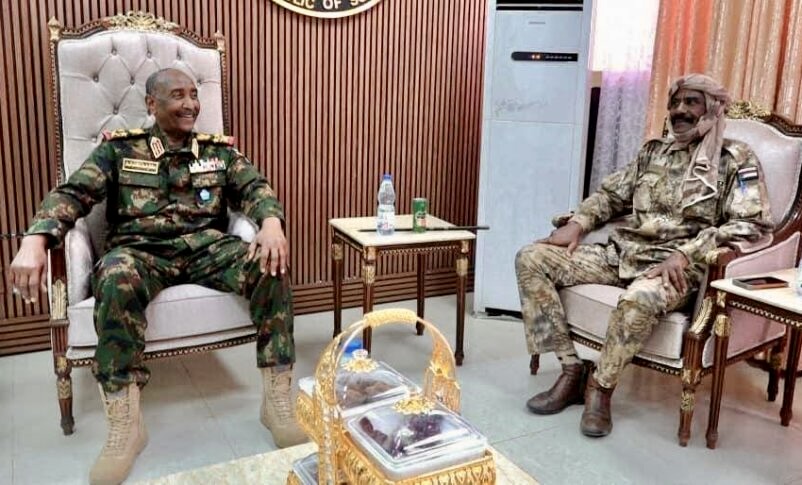
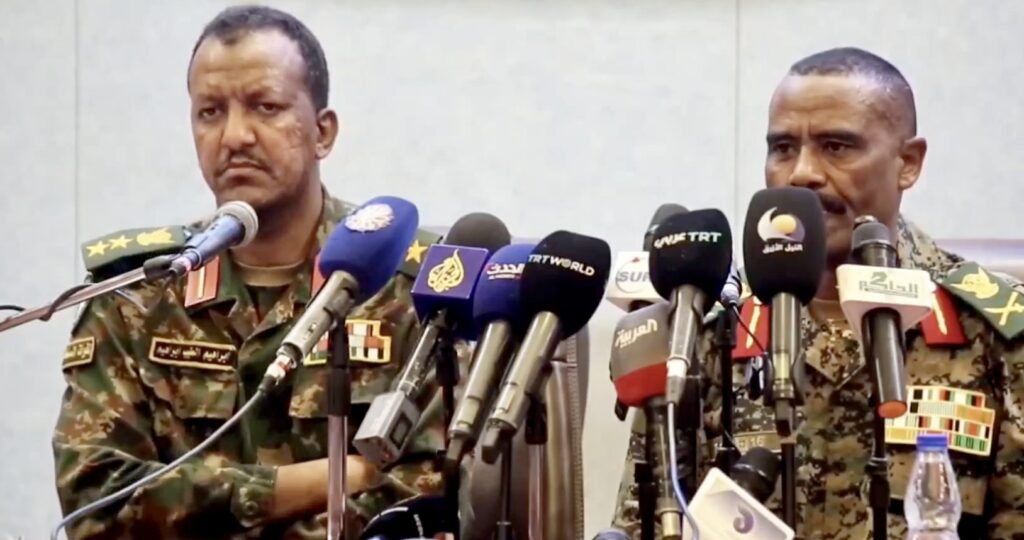
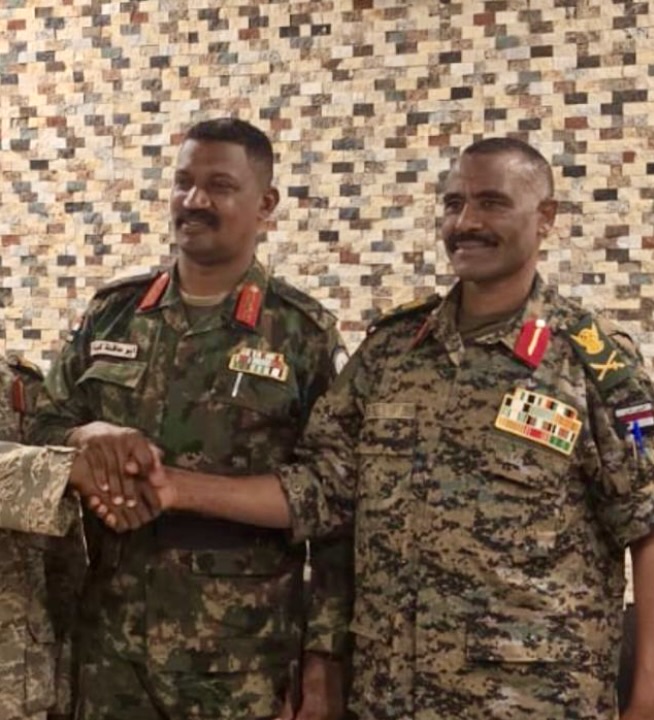
Amid the profound disappointment of victims and the calculated manoeuvres of those in power, Sudanese Army Commander Lieutenant General Abdel Fattah al-Burhan recently extended a warm welcome to former Rapid Support Forces (RSF) Major General Al-Nour Ahmed Adam, popularly known as “Al-Nour al-Qubba”. In April, Qubba defected from the RSF to the Sudanese Armed Forces, marking a significant blow to the paramilitary group.
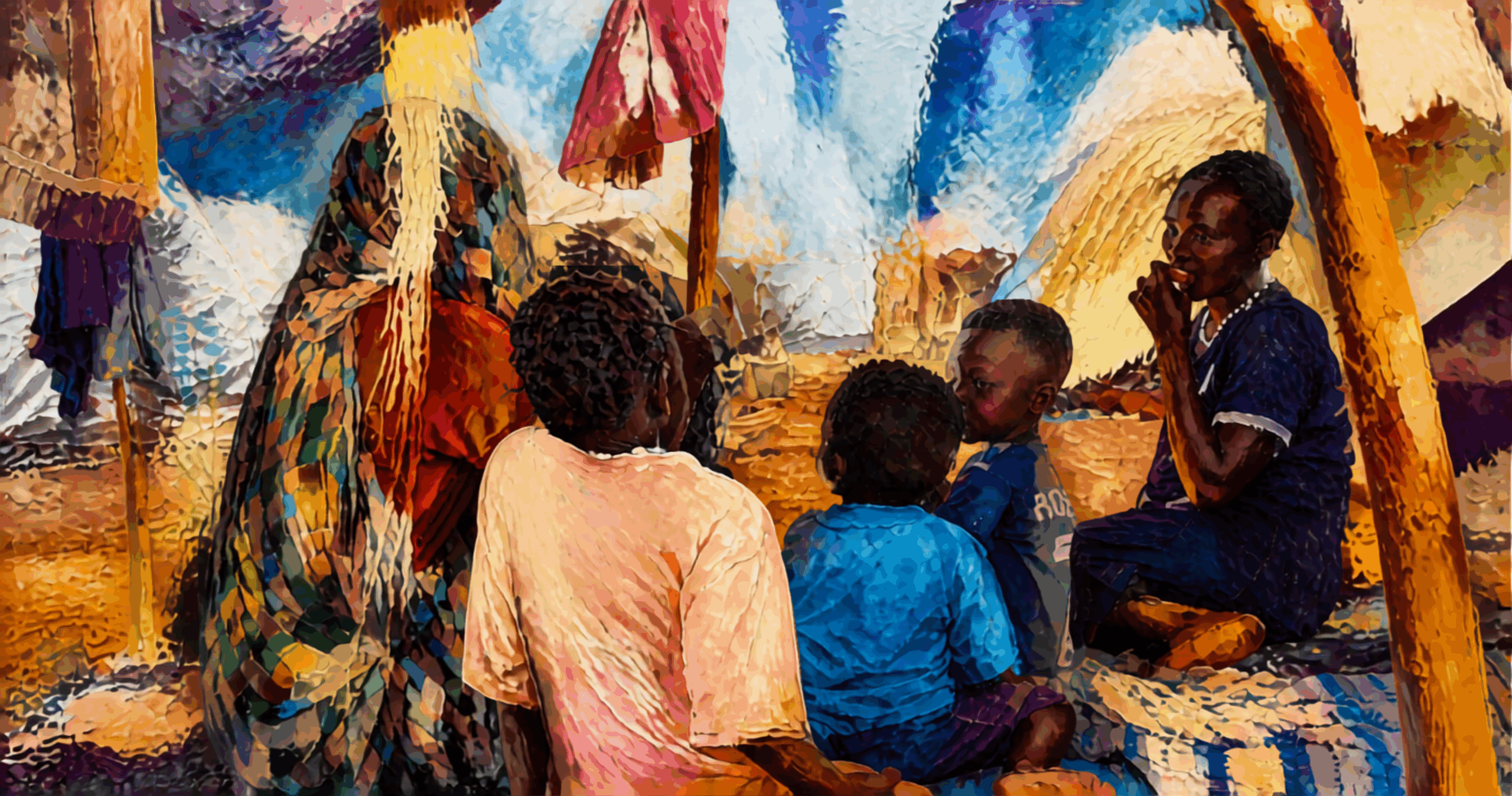
When Qubba first arrived in army-controlled territory, he was housed near a camp overflowing with displaced civilians who had fled the siege of El Fasher. Ironically, this defector had been one of the most prominent RSF commanders at the city’s gates, accused of blocking food and medicine from reaching its inhabitants and facing allegations of numerous human rights abuses across Darfur.
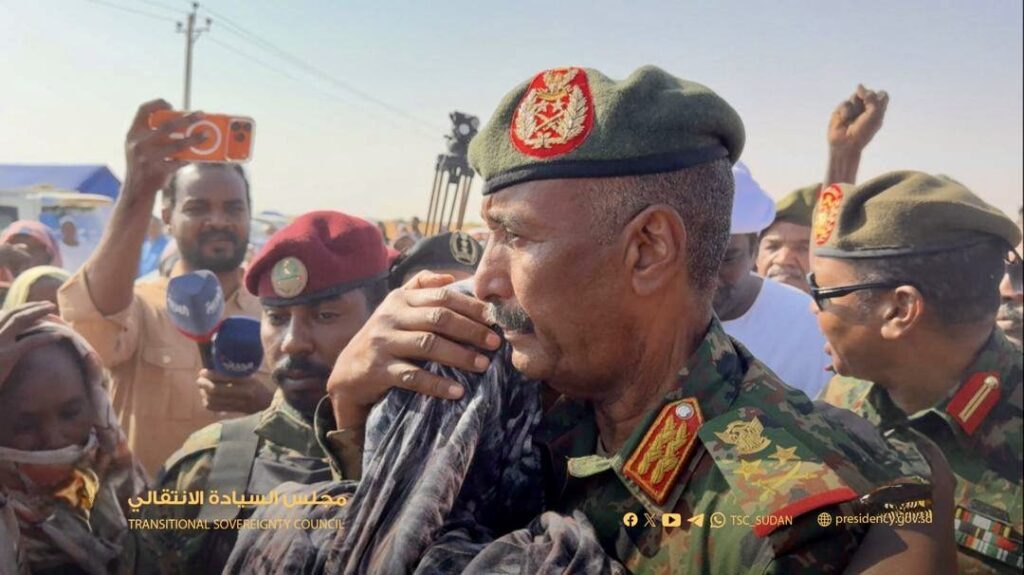
Al-Burhan’s enthusiastic embrace of Qubba stood in stark, jarring contrast to a deeply publicised moment late last year. On November 8, 2025, al-Burhan was pictured embracing a displaced woman at the al-Afahd camp in the Northern State, a refuge for victims of Qubba’s previous soldiers. That image, still featured on the Sudanese Armed Forces’ official profiles, generated widespread sympathy. Yet, for the victims, the army’s new alliance feels like a betrayal.
The siege of El Fasher and the human toll
Al-Nur Qubba’s rise to infamy accelerated following the assassination of RSF commander Major General Ali Yaqoub Jibril in June 2024. Qubba, alongside Hamdan Abu Shouk, assumed command of operations in El Fasher. What followed was a suffocating siege. Food and medical supplies were abruptly severed, driving desperate residents to consume animal feed to stave off starvation as the UN declared a famine in the city. The relentless shelling and targeting of civilians in El Fasher lead a UN fact-finding mission to accuse the RSF of committing genocide.
For survivors like Sara Fadil*, the sight of al-Burhan warmly welcoming her former tormentor is deeply agonising. Today, Sara and her family languish in Omdurman, stripped of work and hope, surviving entirely on remittances from relatives abroad. “It seems no one understands the extent of our suffering, how we were killed, starved, and humiliated in El Fasher, the agony we endured during our escape, and the suffering of displaced people in the camps today,” she told Ayin. Sarah noted that seeing Qubba and his forces roaming freely through army-controlled areas triggered harrowing memories of the siege, a time when her family was forced to subsist on a single meal every day—and occasionally every two days. “All they care about is achieving victories over the Rapid Support Forces, and they don’t care if we are the ones who pay the price,” Sarah told Ayin.
Who is Al-Nur Qubba?
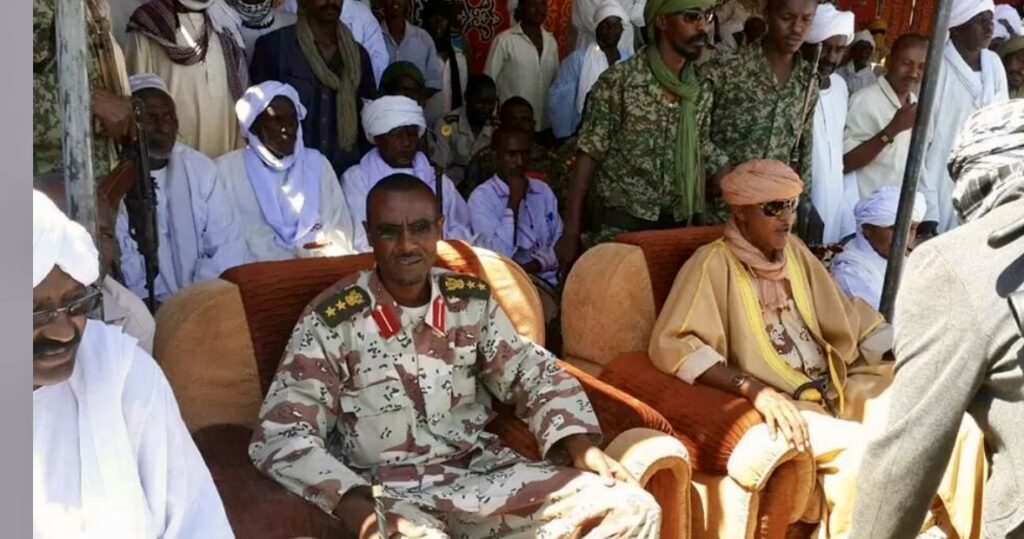
Al-Nur Qubba’s roots trace back to North Darfur State. He is a key figure in the Mahamid tribe, whose territory spans the northern borders of North and West Darfur. Crucially, he belongs to the family of Sheikh Musa Hilal, the fiercely independent Mahamid leader who has also aligned with the Sudanese army against the RSF.
According to a source close to Qubba, his political and military ascent began in 2014-2015 amidst clashes between Musa Hilal and former President Omar al-Bashir’s government. At the time, Qubba served as a minister in the Federal Governance Bureau. As Hilal rebelled and sought refuge in Mustariha, al-Bashir’s regime strategically cultivated rival leaders within the Hilal family. Qubba was elevated to a prominent command within the Border Guard Forces and became one of the first to support integration into the RSF in 2017.
That same year, the RSF raided Mustariha and put Musa Hilal in handcuffs for opposing the government’s disarmament campaign.
The anatomy of a defection
Despite his rank, Qubba’s role in the current war was fraught with internal RSF suspicion. Doubts regarding his loyalty to the army lingered, particularly during the El Fasher siege. According to an insider source, Qubba never even met with RSF Commander Mohamed Hamdan Dagalo (Hemedti) during the conflict due to this deep-seated mistrust. After the RSF took control of El Fasher in October last year and appointed Major General Hamdan Abu Shouk as commander, Qubba was not happy, the source said. “He went to his home region in Al-Waha locality and began communicating with the army. When the RSF sent a delegation to speak with him, Qubba informed them that the decision was not his to make but rather that of his family due to the marginalisation he had experienced.”
Further attempts at reconciliation failed spectacularly.
“The delegation met with Al-Nur Qubba’s family, but they rejected the mediation and requested a meeting with Hemedti or Abdel Rahim. The request was refused by the Rapid Support Forces (RSF) leadership, who had information that Qubba was tasked with assassinating prominent RSF figures,” the source noted.
Strategic gains vs. political ambitions
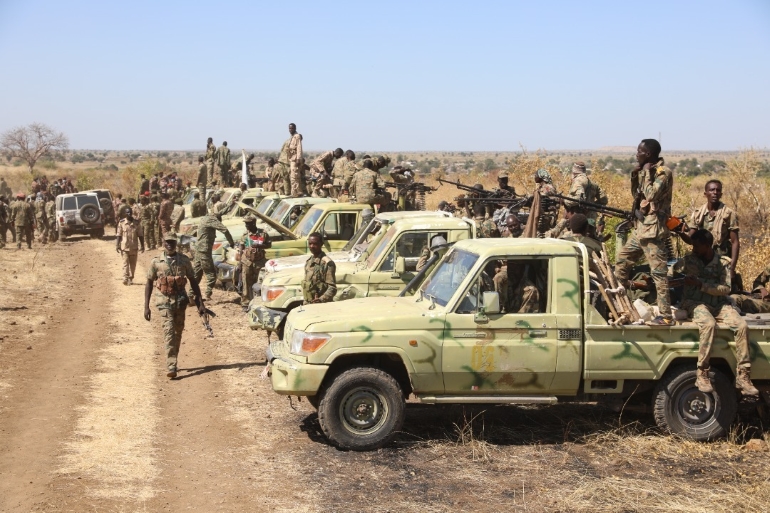
For the Sudanese Armed Forces, the integration of Qubba and Musa Hilal represents a massive strategic coup. As preeminent leaders of the Mahamid tribe, their defection could consolidate tribal loyalty across North Darfur and the West Darfur border. Disgruntled RSF members have already followed Qubba into the army’s ranks, the RSF source added.
Furthermore, Qubba brings invaluable intelligence regarding RSF supply lines across the Chadian and Libyan borders, as well as the exact coordinates of RSF air defence vehicles, drone launch sites, and ammunition depots. “Al-Nur Qubba will also be able to communicate with other influential leaders within the RSF and persuade them to join the army, in addition to Musa Hilal’s existing connections with local administrations, which could represent a major advantage,” the source explained.
But this intelligence comes at a steep political price. Political analyst Idris Kabour suggests that Qubba and Hilal are anticipating a significant share of national power. “If the army does not go to the negotiating table and agree to a humanitarian truce, Musa Hilal and Qubba will be given positions of power in return for their military experience in the war and for being deployed to Darfur after the joint force failed in its mission,” Kabour stated.
A Darfur-based journalist echoed this sentiment, suggesting Qubba will likely establish a new military force under the Sudanese army’s General Staff to bolster Hilal’s political ambitions. “If the current power structure remains, Musa Hilal will be a member of the Sovereignty Council,” the journalist said. “If it changes, he might become Vice President, given that Hemedti previously held that position representing the Arabs of Darfur.”
Similarly, Salah Khayoura, a leader in the Revolutionary Awakening Council, confirmed that Qubba’s forces—originally part of the Border Guards before their 2017 RSF integration—will now operate officially under the armed forces’ command.
Shifting social dynamics and RSF retaliation
The ripples of this defection extend far beyond the battlefield, offering a tentative reprieve for certain demographics. Since the war’s outbreak, a severe pattern of hate speech has targeted ethnic groups associated with RSF fighters. In army-controlled areas, many Arab communities lived in quiet terror, facing official scrutiny and arbitrary reports of collaboration.
Now, with figures like Qubba and Hilal allied with the army, the social atmosphere has shifted. “Now we feel that we are no longer being targeted ethnically, and we can walk the streets without fear,” a resident of the Rizeigat tribe in Omdurman said.
However, the RSF has not taken the defection lightly. In April, an RSF-led court sentenced Qubba to death in absentia. The paramilitary group launched a swift campaign of retaliatory arrests across North Darfur. Operating under the cover of a targeted satellite internet blackout, RSF forces detained between 20 and 25 individuals from Kutum, Al-Waha, Al-Qubba, and Kabkabiya, according to local sources.
Among the detainees are civilians, local leaders, and relatives of the defectors. The RSF arrested journalist Adam Ishaq Manan and his brother, simply because their sibling, Lt Col Othman Ishaq Manan, defected alongside Qubba.
In Kutum and Kabkabiya, the sweep included figures like Mustafa Adam Hussein, Zakaria Al-Amin Adam, Musa Adam Musa, Mayor Mustafa Al-Doud Mahdi, and several relatives of journalist Zamzam Khater.
Targeting other prominent defectors
Perhaps fearing more mutiny, the RSF have been targeting relatives and associates of another prominent defector, Abu Agha Keikel. Last Saturday, a drone strike widely attributed to the RSF targeted the family residence of Keikel in Zaidan al-Kahli, eastern Al-Jazeera State. The attack killed six relatives, but he survived unharmed.
The attack on his home coincides with a wave of RSF drone attacks on Khartoum Airport, a fuel storage facility at the Kenana Sugar Company in White Nile State, a military vehicle outside Omdurman, and other military and economic targets in central Sudan in recent days, the Sudan War Monitor reported.
As the Sudanese army celebrates a tactical victory and a shifting tribal landscape, the civilians caught in the crossfire—whether starving in displacement camps or facing retaliatory arrests in Darfur—continue to bear the overwhelming cost of a war defined by ruthless, shifting alliances.