












The UAE-Backed Colombian mercenary network behind Sudan’s El Fasher atrocities
23 April 2026
An investigation by the Conflict Intelligence Group (CIG) has revealed the extensive use of Colombian mercenaries, backed by the United Arab Emirates, to fuel the Rapid Support Forces’ (RSF) devastating campaigns in Sudan, including the devastating October 2025 attack on El Fasher. The investigation reveals that these foreign mercenary activities helped the RSF conquer El Fasher, a six-day attack that Yale’s Humanitarian Research Lab believes might have killed as many as 60,0000 people.
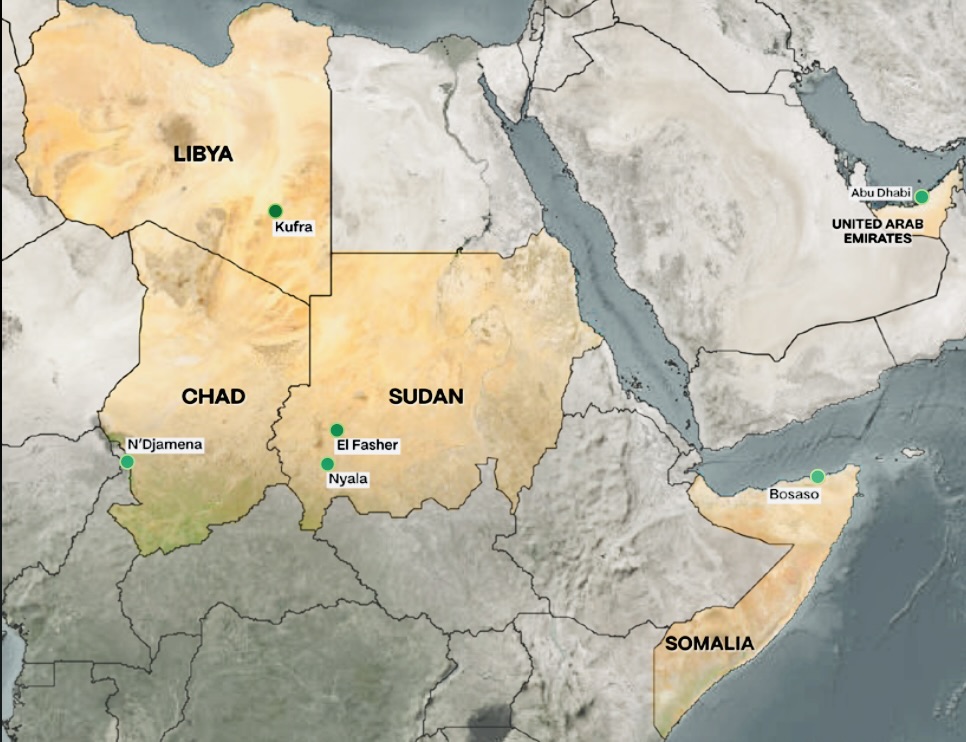
By tracking the digital footprints of more than 50 Colombian fighters’ mobile devices between April 2025 and January 2026, CIG discloses a vast international logistics network from Bogotá to Abu Dhabi, through clandestine hubs in Somalia, Chad, and Libya, to Darfur.
“Desert Wolves” and drones
Through geospatial tracking and technical analysis, CIG investigators reconstructed the journey of “Device 1”, a phone operated by a Colombian mercenary linked to a unit known as the “Desert Wolves”.
Before February 2025, the operator was based in Bogota. By early February, they had surfaced at the Puntland Maritime Police Force compound in Bosaso, Somalia—a facility heavily funded by the UAE that reportedly serves as a staging ground for South American guns-for-hire.
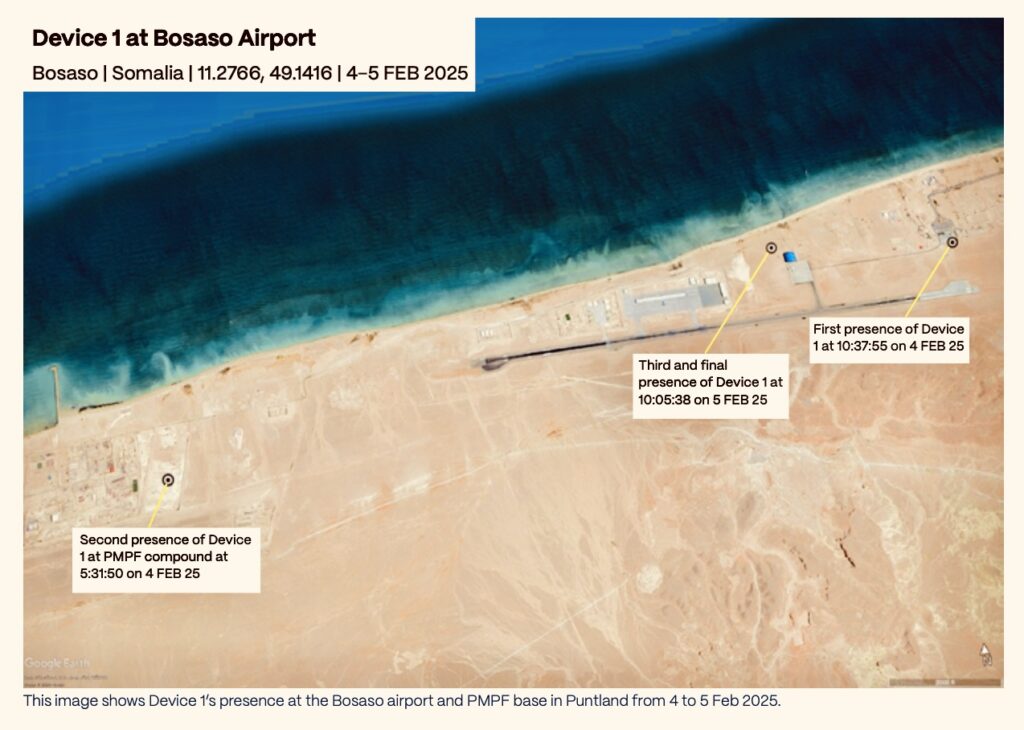
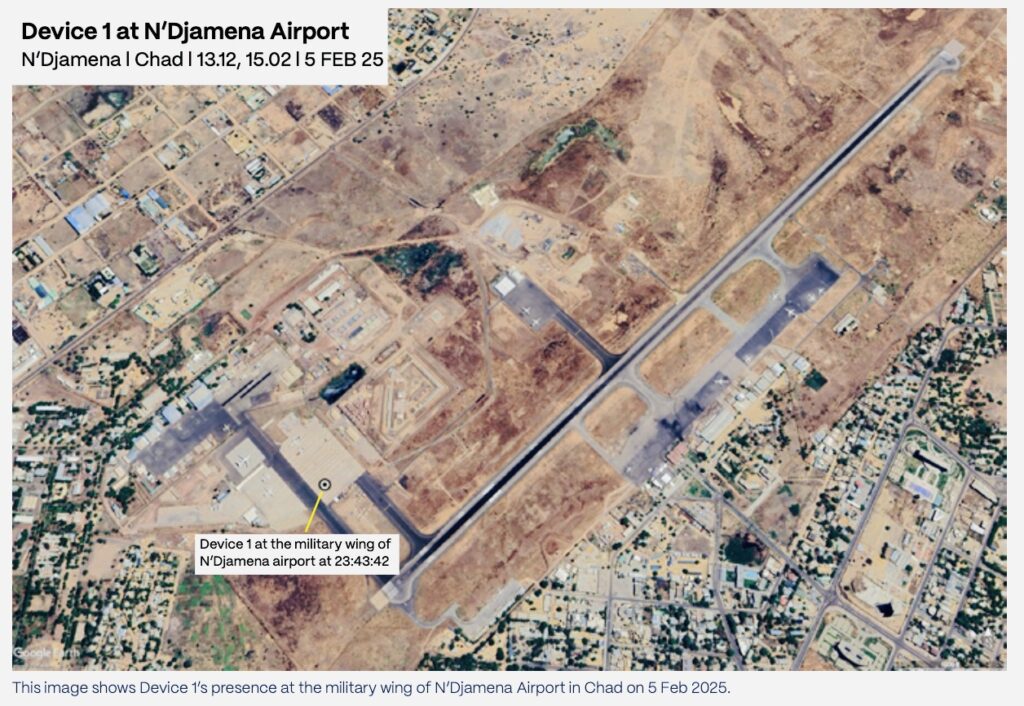
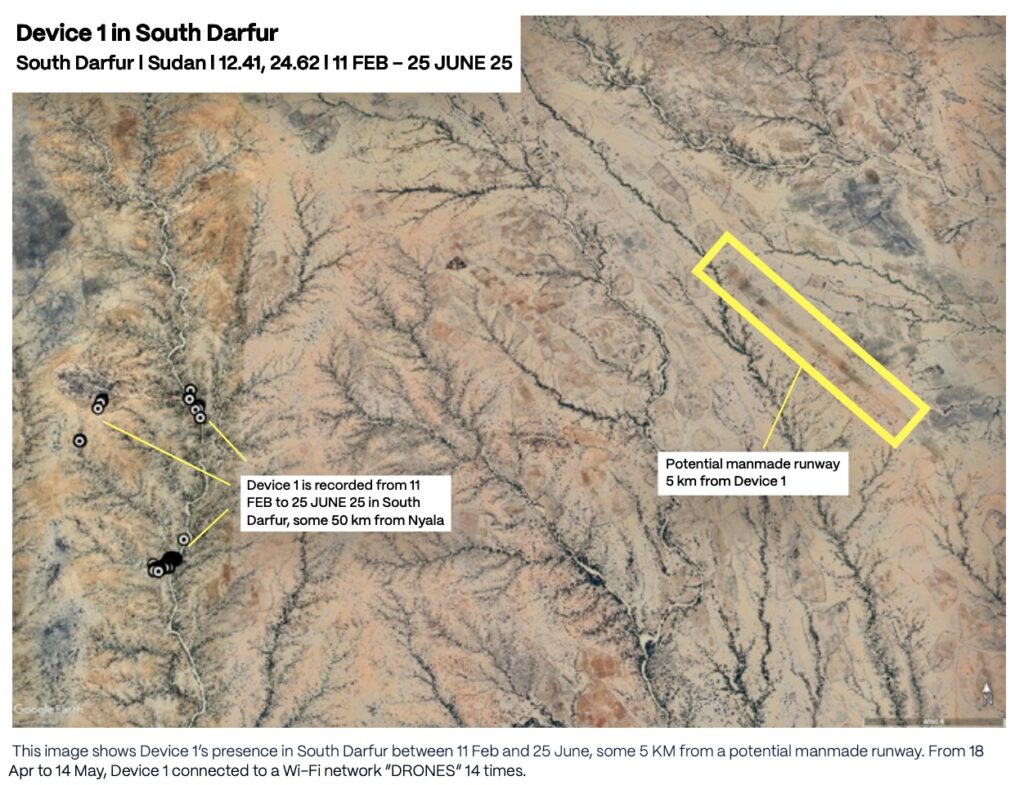
From Somalia, the operator was flown to the military wing of N’Djamena Airport in Chad before arriving in South Darfur. Operating primarily from a remote location 50 kilometres north of Nyala, the mercenary repeatedly connected to localised internet networks ominously named “DRONES” and “LOBOS DEL DISIERTO” (“Desert Wolves.”). The CIG report notes that this location was situated just five kilometres from a clandestine man-made runway, strongly suggesting the operator was launching unmanned aerial vehicles (UAVs) safe from Sudanese Armed Forces (SAF) airstrikes.
Alvaro Quijano, a retired Colombian Army colonel sanctioned by the U.S. Treasury, leads the “Desert Wolves” brigade. Furthermore, the unit is employed by the Global Security Services Group (GSSG), a UAE-based defence contractor with deep, documented ties to senior Emirati government officials and the UAE Royal Family.
 The Libyan pipeline and cargo flights
The investigation into “Device 2” exposed a secondary, highly active logistics pipeline running through North Africa.
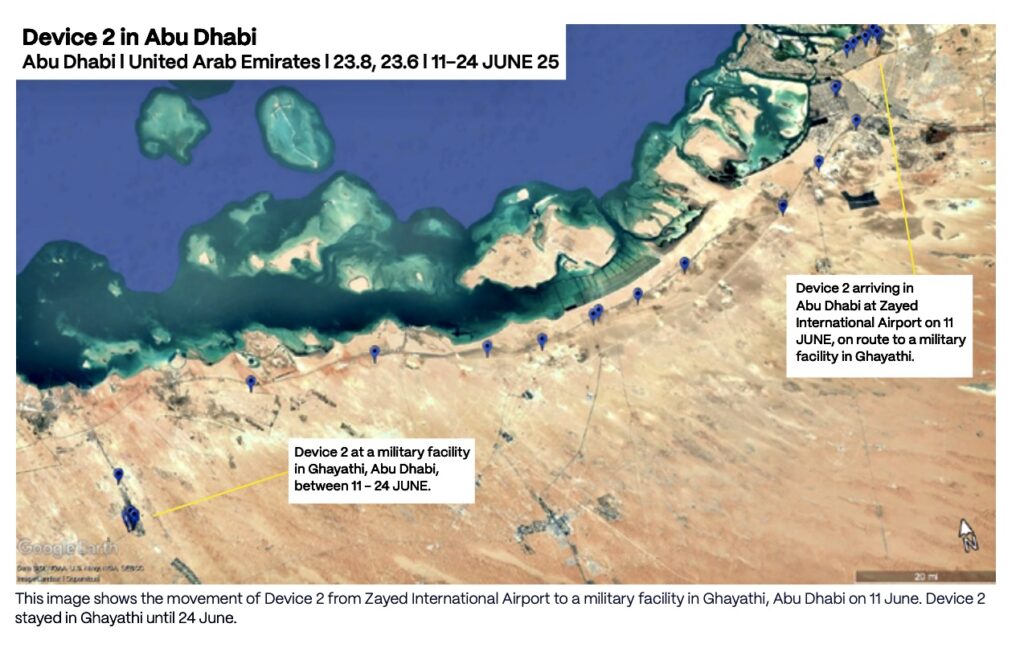
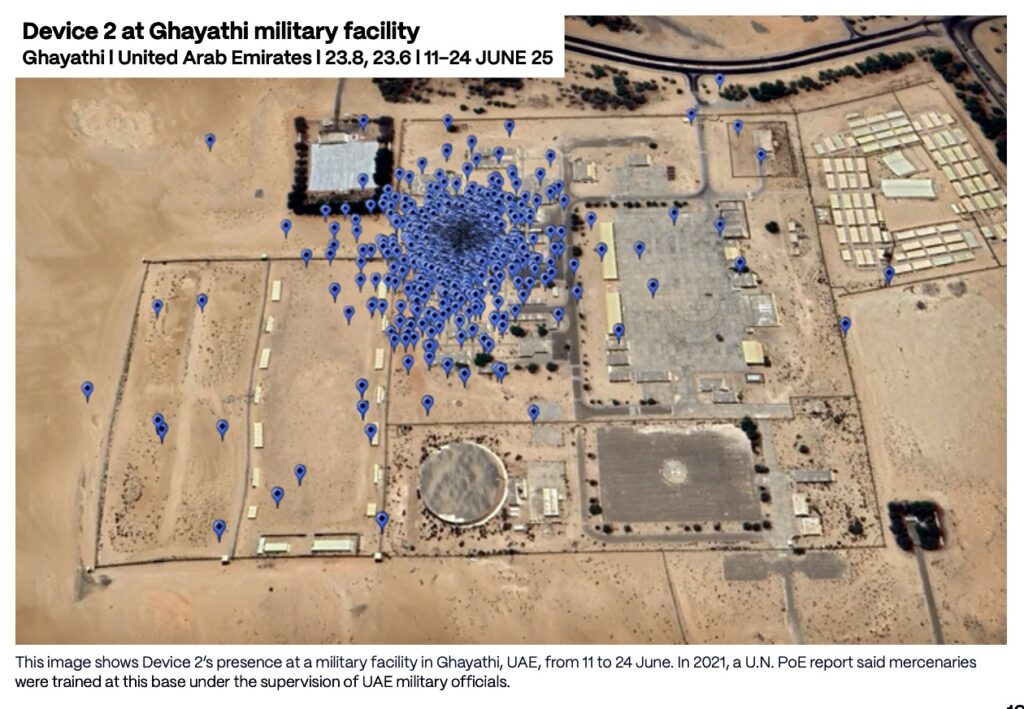
In June 2025, this second Colombian operator travelled from Bogotá to Zayed International Airport in the United Arab Emirates. For nearly two weeks, the mercenary was stationed at a military training facility in Ghayathi, Abu Dhabi. Historical U.N. reporting indicates that Emirati military officers directly supervised the training of foreign fighters at this same base.
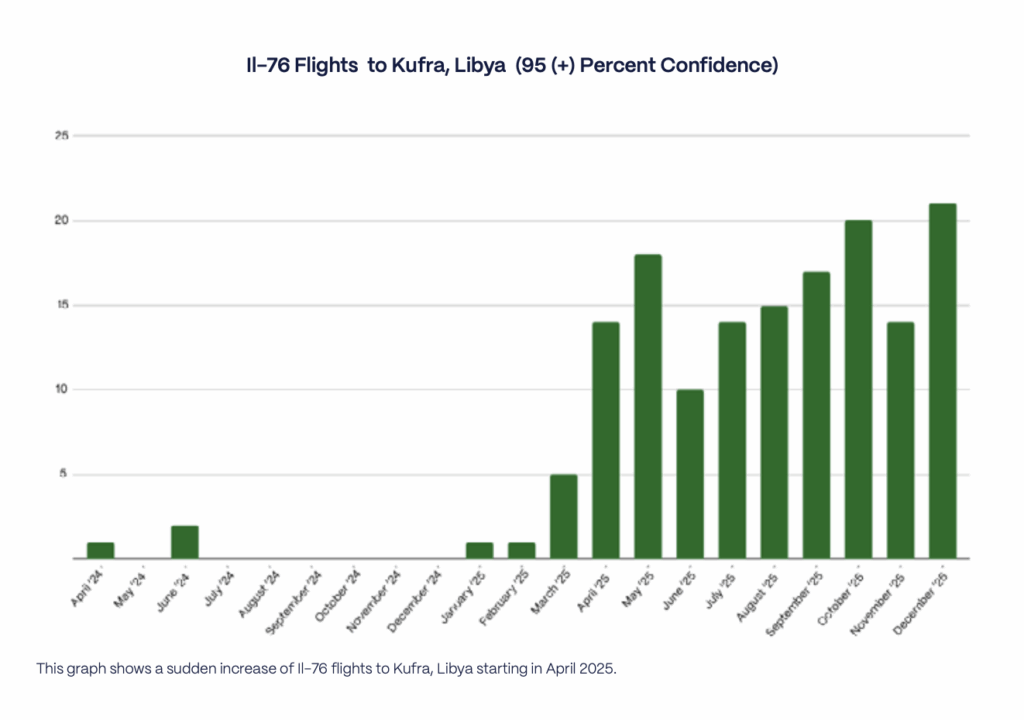
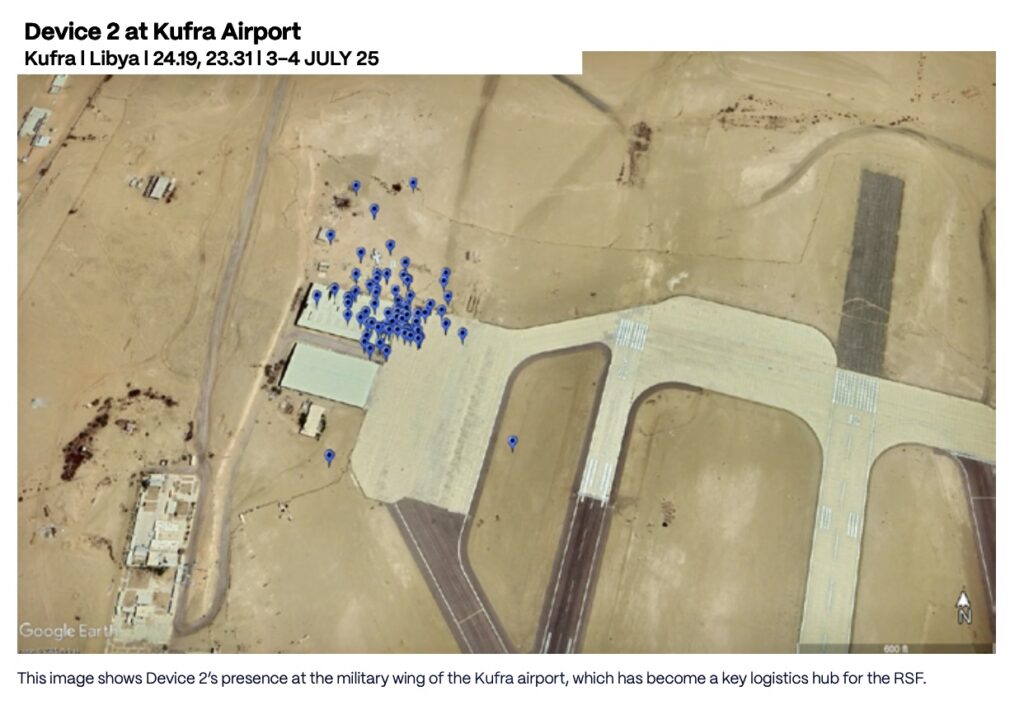
By early July, the mercenary had been transported to the military wing of the Kufra airport in southeastern Libya, a known RSF logistical hub featuring significant weapons storage facilities. The CIG report highlights a dramatic shift in supply tactics during this period. Following international exposure of weapons flights into Chad in late 2024, the supply network pivoted to Libya. Between April and December 2025, investigators identified 143 Il-76 cargo flights landing at Kufra—averaging nearly 16 flights a month—mirroring historical UAE arms supply routes.
The operator eventually arrived at Nyala Airport in Sudan, which CIG identifies as the primary nerve centre for Colombian mercenaries and RSF drone operations. Satellite imagery from late December 2025 captured military-grade drones with wingspans exceeding 18 metres on the Nyala runway, consistent with Chinese or South African-manufactured combat UAVs.
The fall of El Fasher
The most chilling revelation in the CIG report stems from the tracking of “Device 3”, an operator directly implicated in the siege and capture of El Fasher.
Following a familiar route from Colombia through the Puntland Marine Police Force compound in Bossaso, this mercenary arrived at Nyala Airport in July 2025. On October 24—just days before the city fell—the operator relocated to northeast El Fasher. While inside the besieged city, the device connected to a localised network called “ATACADOR” (Spanish for “attacker”).
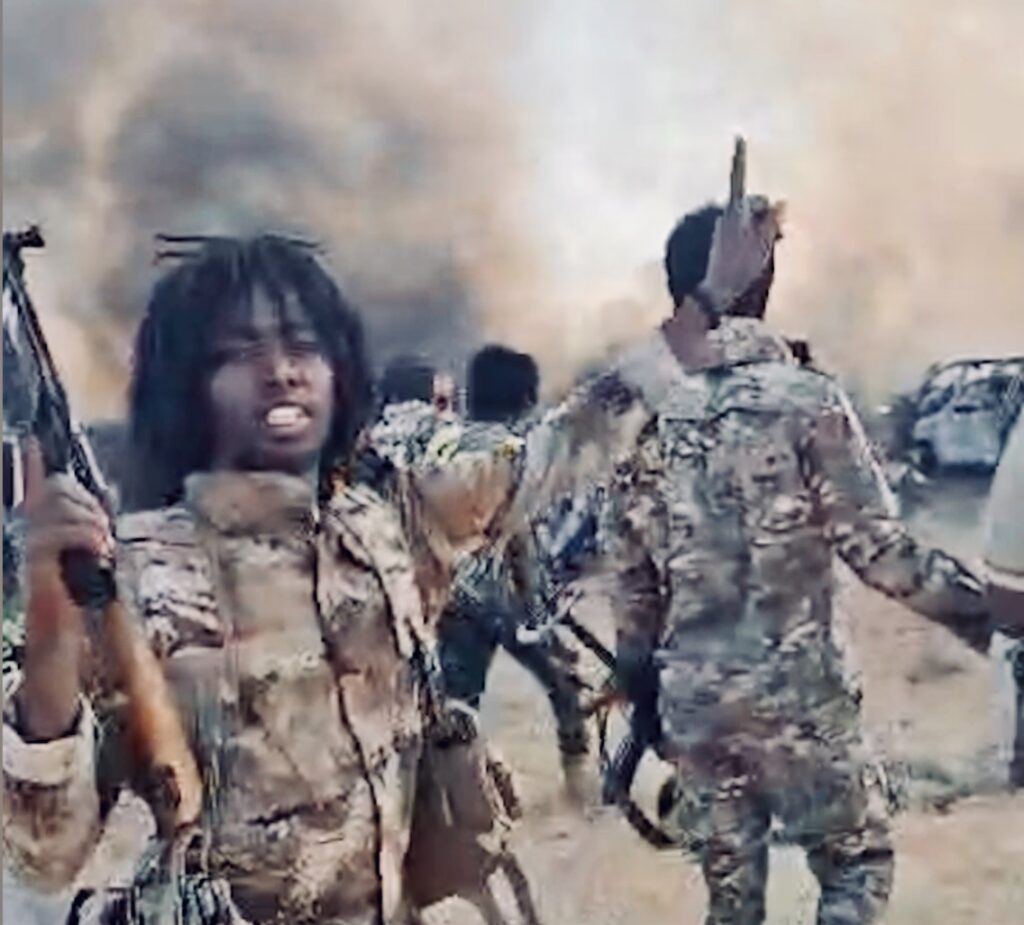
U.S. Treasury statements and geolocated combat footage confirm the presence of Colombian mercenaries advising or directly fighting alongside the RSF during the El Fasher offensive, showing foreign fighters operating Serbian mortar systems in the city.
The capture of El Fasher triggered widespread war crimes. The International Criminal Court and the World Health Organization have documented targeted civilian executions, including the massacre of more than 460 patients at the Saudi Maternity Hospital. The CIG report explicitly states that the UAE-Colombian network enabled the RSF’s takeover, concluding that the individuals and state sponsors within this pipeline “share some responsibility for the crimes committed”.
Both warring parties, the RSF and the Sudanese army, rely heavily on external supply networks from foreign countries to continue the war. The influx of foreign mercenaries, advanced drones, and continuous weapon shipments is artificially prolonging the world’s worst humanitarian crisis, the CIG report concludes. CIG assesses that a total military victory remains impossible for either side, warning that until foreign pipelines are dismantled, the humanitarian catastrophe in Sudan will only deepen.