








البشاقرة.. بلدة أنقذها (المراكبية) من انتهاكات الدعم السريع
عاين- 9 يوليو 2026
على متن مركب مخصص لصيد الأسماك، أنقذ “النعيم عبد المتعال” مع آخرين، المئات من أهالي بلدة “البشاقرة شرق” في ولاية الجزيرة وسط السودان، إبان هجمات قوات الدعم السريع نهايات العام 2024، وارتكابها انتهاكات واسعة بحق السكان.
وفي الفترة ما بين 20 إلى 28 أكتوبر 2024 وما تلاها في نوفمبر، شنت قوات الدعم السريع هجمات متتالية ومكثفة بالسيارات القتالية على قرى شرق الجزيرة، واقتحمت البشاقرة شرق ضمن هذه السلسلة المتواصلة، مما أدى إلى موجة نزوح جماعي لأهالي القرية بعضهم سيراً على الأقدام وكثيرون منهم عبروا نهر النيل الأزرق عبر مراكب تقليدية إلى الضفة الغربية تجاه منطقة التكينة.
أقسى اللحظات وفقا للنعيم عندما أطلق أحد أفراد الدعم السريع رصاصة على قاربه الممتلي بالفارين من منطقة البشاقرة وأدت إلى ثقب في المركب”. ويقول النعيم مقابلة مع (عاين): “بعد دخول الدعم السريع إلى بلدة البشاقرة شرق أصبحت انقل السكان إلى الضفة الأخرى بدون مقابل لأني أعلم الأهوال والمآسي التي عاشوها ورؤيتي للنساء، وهن يبكين من الهلع والخوف عائلتهن وأطفالهن”.
كانت المركب التي يعمل عليها النعيم مخصصة لصيد الأسماك، ولكن “عندما ضقنا زراعاً بانتهاكات الدعم السريع اضطررت لنقل الناس وإنقاذهم بها، وفي البداية كنا حوالي (17) مركباً، وبعد تزايد الانتهاكات تضاعف العدد إلى (40) للمساعدة على نقل الأهالي إلى مكان آمن.
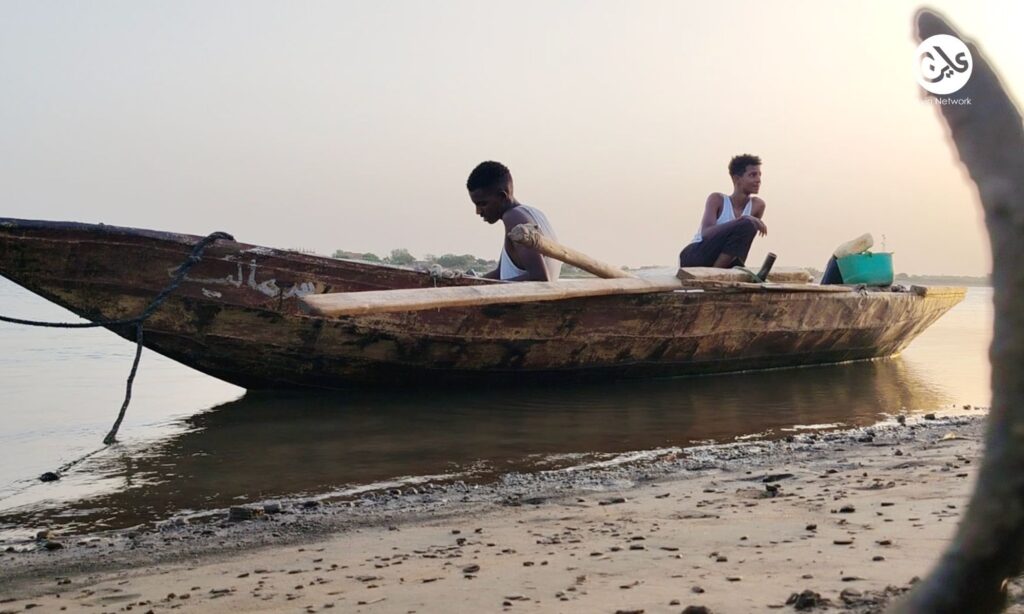
لا تزال نوبات الهلع تصيب إبراهيم عبد الرؤوف هو صاحب مركب كان يرافق النعيم في نقل الفارين وهو سكان قرية التكينه الواقعة على الضفة الغربية، ويقول عبد الرؤوف لـ(عاين): “عندما أتذكر ما فعلته قوات الدعم السريع بنا يرتعش جسدي خوفاً، لقد وضعوا الأسلحة على رؤوسنا وهددونا، ولكن نجونا من الموت”.
يتذكر الأمين محمد صديق وهو أحد سكان البشاقرة شرق ما مارسته قوات الدعم السريع عند اقتحامها القرية بحق المواطنين، ويقول: “حققوا معنا سألوا عن الذهب والأموال والسيارات”. ويتابع في مقابلة مع (عاين): “ذهبوا واتو في اليوم التالي وضربوني، واحضروا أقربائي إلى ذات المكان، واعتدوا علينا بالضرب بشكل جماعي حتى كدنا نفقد الوعي”.
ما دفع صديق للفرار مع عائلته من قريته وبحسب قوله “طلب أفراد من الدعم السريع إحدى الفتيات للزواج وقتها أخبرهم والدها أنها مخطوبة لابن عمها، فردوا عليه أنهم أولى نادوا والدتها، وأخبروها أنهم يريدون الزواج بالفتاة، فطلبت منهم أن يأتوا صباحا ومعهم المأذون الشرعي لعقد القران، وعند فجر اليوم التالي غادرنا مع أسرنا القرية عبر النيل”.
عودة ينقصها الكثير
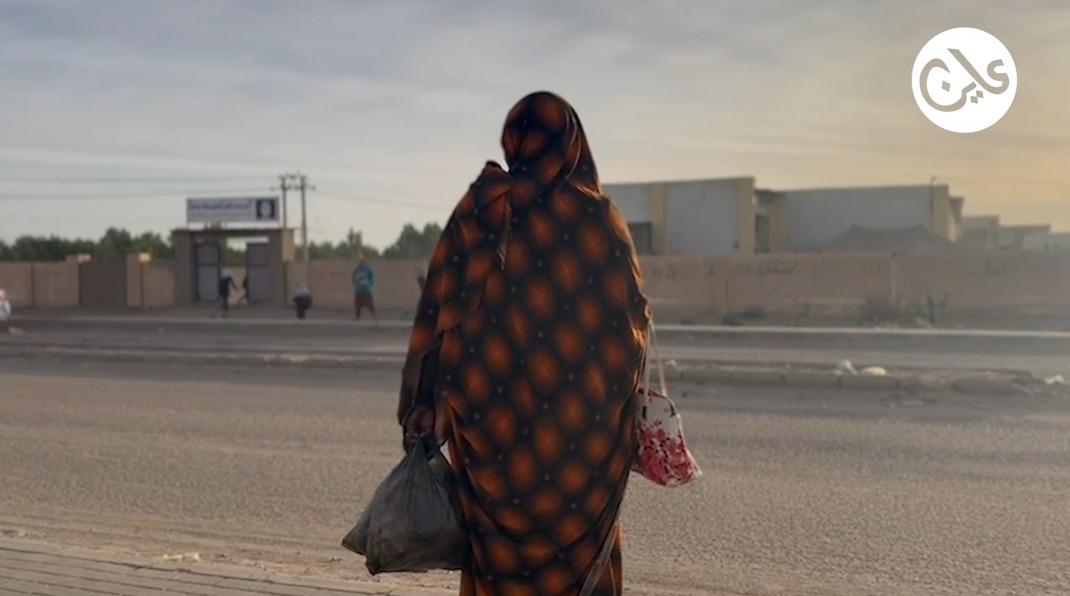
وعقب استعادة الجيش سيطرته على بلدة البشاقرة شرق في يناير 2025، عاد سكان المنطقة تدريجيا إلى ديارهم لكن لم تعد شوارع البشاقرة هي ذاتها بعد اقتحام قوات الدعم السريع للقرية، فقد ملأتها الحرب بالخوف والألم، وبحسب الحاج عبد الرحمن أن شوارع البشاقرة باتت مختلفة عما كانت عليه ويقول لـ(عاين): “بعد العودة واجهتنا صعوبة في الحياة والمعيشة، عملنا على عودة المياه وشغلنا المحطات، كذلك المخابز، تأخرت الدراسة كثيراً في المدارس، وتراكمت السنوات الدراسية، حاولنا حل بعض مشاكل التعليم مع الأساتذة، ونجتهد في الوقت الحالي في حل مشكلة الكهرباء بالجهد الأهلي أو بمساعدة الحكومة”.
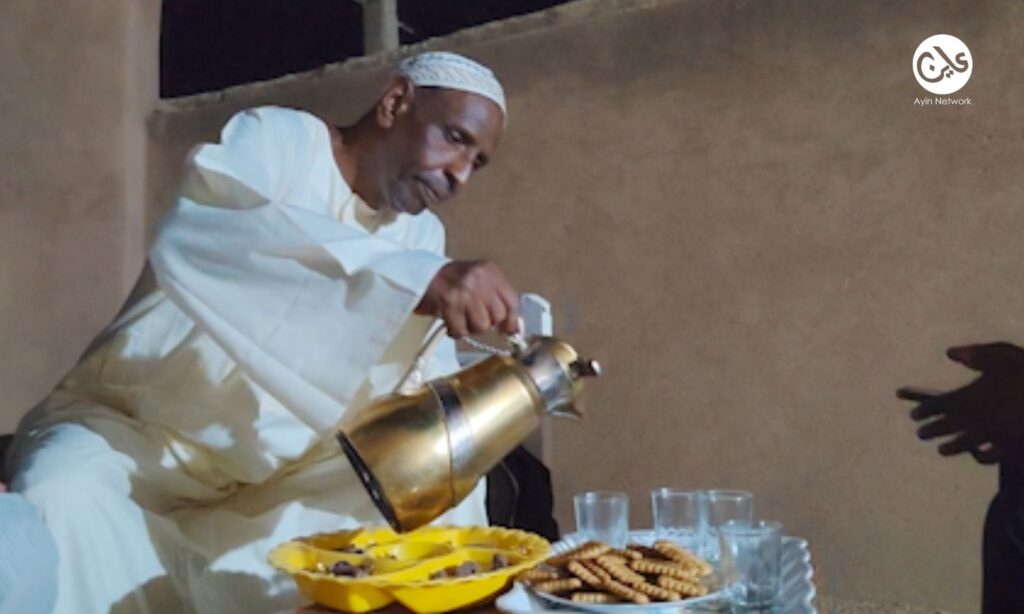
لم تكن الأوضاع المعيشية والحياة كما كانت عندما عاد سكان البشاقرة بعد نزوحهم إلى مناطق مختلفة في السودان، ويروي عبد العزيز عباس من سكان البشاقرة شرق لـ(عاين) مدى قسوة الحياة بعد العودة، ويقول: “عدنا إلى البشاقرة، ووجدنا الأوضاع صعبة، وجدت متجري خالياً وكانت به بضائع تقدر بثمانين مليون جنيه، والآن بعد الأمان والاستقرار لا يزال الأطفال يشعرون بالهلع إذا اسمعوا أصوات عالية”.
وبتفاؤل، وأمل واضحين يصف الأمين محمد صديق، من سكان البشاقرة شرق، إحساس العودة إلى الديار بأنه جميل سيما وأنهم عانوا النزوح والتكاليف الباهظة للإيجارات والمعيشة، وزاد “اجتمع شملنا كا أُسر بعد أن تفرقنا في مدن مختلفة الآن لا ينقصنا سوى الكهرباء، ونتمنى أن تعود قريباً، فقد اعتمد الناس على الطاقة الشمسية كبديل للكهرباء في الوقت الحالي، ولكن تكلفة شرائها عالية على بعض الأسر”.