


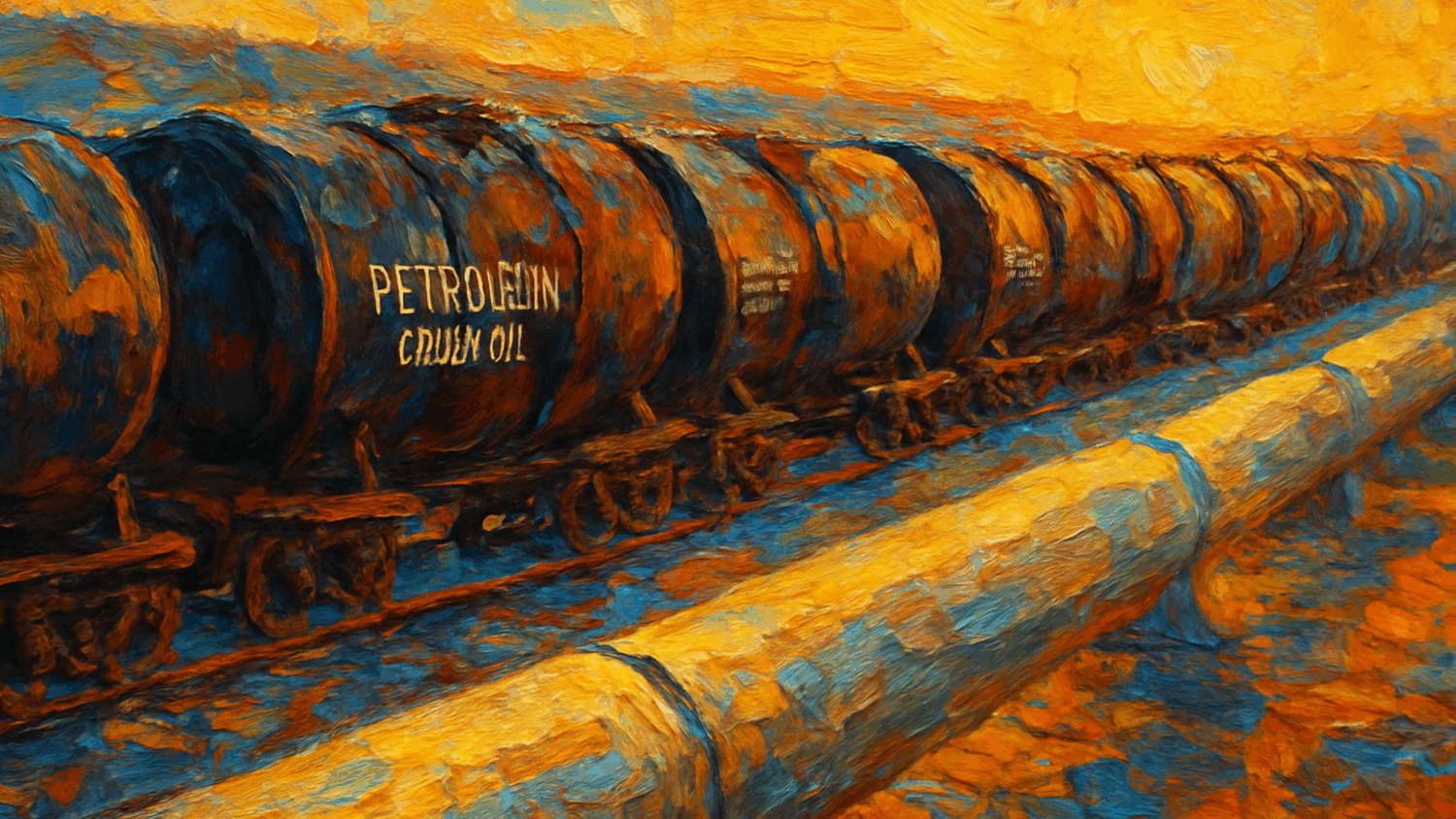










Sudan and escalating, crippling fuel prices
3 April 2026
Despite the ongoing inflation since the outbreak of the April 2023 war, Sudanese people in army-controlled areas are facing an increase in the prices of petroleum products, including cooking gas and fuel, according to data from the energy ministry.
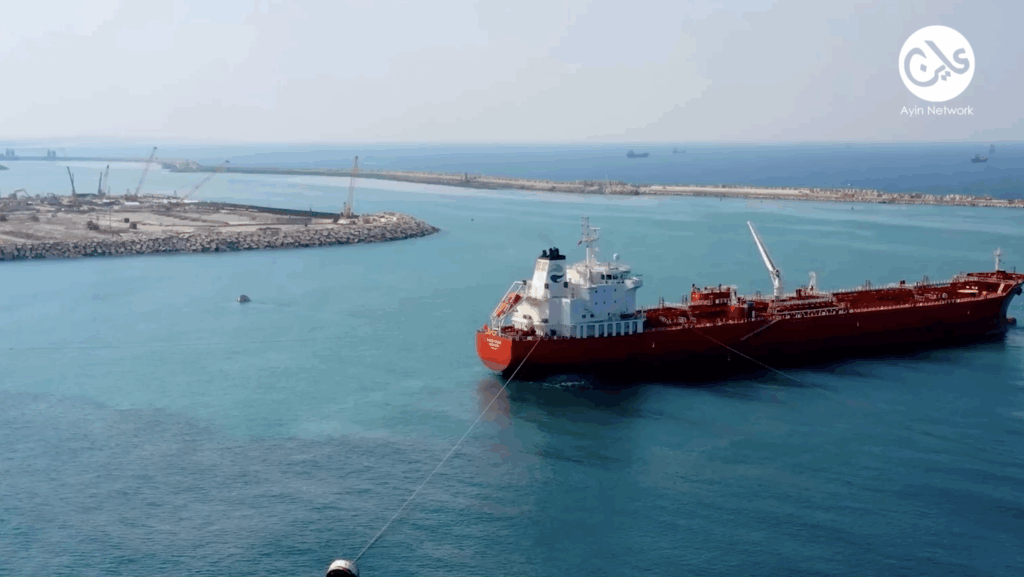
The arrival of two petroleum-laden ships at Port Sudan in mid-March will not stop the rise in petrol costs, a Ports Authority source told Ayin. As instability continues in the Middle East, fuel traders expect local prices to rise across the country. Petrol in Sudan’s capital currently costs a crippling 21,000 pounds (US$6) per gallon.
Sudan typically relies on fuel shipments through the Strait of Hormuz for 60% of its needs, economist Omar Abshar told Ayin. With the closure of the strait due to the ongoing conflict between the US, Israel and Iran, fuel prices will only increase. The price of a gallon of fuel has already increased from July to mid-March by roughly 10,000 Sudanese pounds – nearly a US$3 increase, Abshar added.
“Fuel prices won’t stop here; we expect the price of a gallon to reach 35,000 Sudanese pounds within a few months,” says Rehab Abdelmoneim, a financial advisor at an export company based in Port Sudan. Abdelmoneim believes that shipping companies will likely reroute vessels away from the Strait of Hormuz – such a move will mean increased insurance and maritime transport expenses that will ultimately be paid by the consumers.
Food on the line
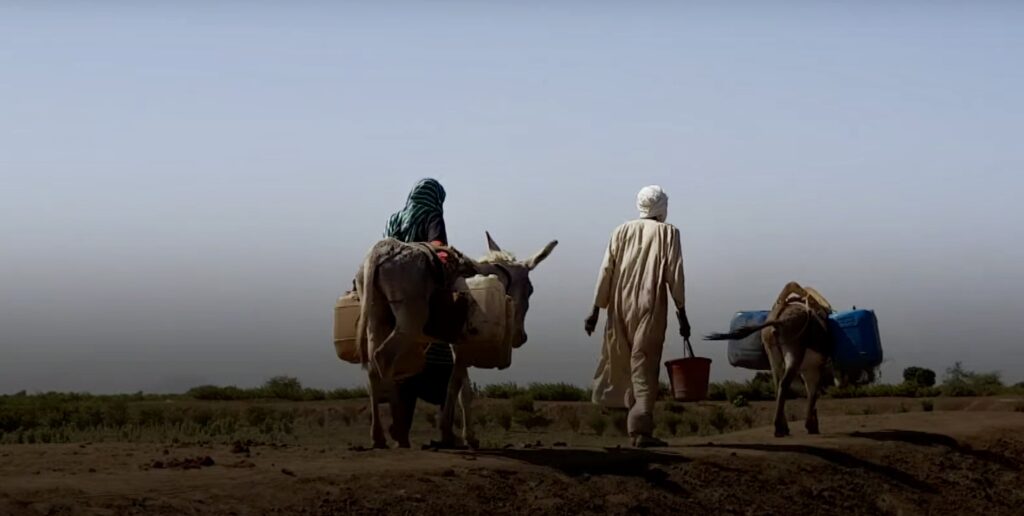
The fuel crisis is already detrimentally affecting agriculture and livestock. According to Abdelmoneim, markets in Port Sudan, Atbara, Khartoum, Omdurman, Dongola, Kassala, and Wad Medani have begun imposing high prices on flour, sugar, and meat.
In the city of Atbara, River Nile State, a gallon of fuel is sold for 24,000 Sudanese pounds (roughly US$7.50). When Ashraf al-Zein, an agricultural investor, tried to obtain 40 gallons to run his irrigation pump, the station attendant informed him that the price had jumped from 800,000 to 970,000 pounds in just one week—an increase of fifty US dollars. “This situation is frustrating because the fuel price increase places a series of restrictions on agriculture,” al-Zein said. “While fuel suppliers receive their payment upfront, we will remain at the mercy of low crop prices, which may force us to abandon agricultural activity.”
Economic analyst Mohammed Ibrahim believes that the worst is yet to come. “If we’re talking about new shipments, the price per barrel starts at $100; that’s a 30% increase,” he told Ayin. “This will directly impact agriculture, raising the cost of producing one feddan (slightly larger than one acre) from 100,000 to 150,000 Egyptian pounds (equivalent to $60).”
It has reached a point where transporting food commodities is a profitless venture, says Ahmed al-Safi, an investor in the agricultural sector. “Transporting a shipment of dates or fruit to the main markets no longer covers the cost of the truck’s fuel. Transportation fees range from 1 million to 1.2 million Sudanese pounds, while the price of a sack of dates during the harvest season does not exceed 100,000 pounds,” he said. “The fuel in the truck has become more valuable than the shipment of dates itself.”
Higher fertiliser costs will also affect local food production, according to Ahmed Karam, a former consultant at an international agricultural development organisation. Karam anticipates that the cost of producing one feddan (roughly 4% larger than an acre) will rise by $25 to $30. He explained that the damage will directly impact agricultural projects in the Northern, River Nile, Jazeera, and Gedaref states. The livestock trade also faces repercussions. Meat prices have already seen increases of 30% over the past two weeks, he added.
Government intervention
The only solution, Karam says, is for authorities to withdraw the fees imposed on oil derivatives, which amount to 30%, and move towards direct contracting with governments in producing countries. “The land is linked to animals and food, and unless the government puts in place incentive policies, nearly 200,000 farmers in the Northern, River Nile, Gedaref, and Al-Jazeera regions will find themselves outside the circle of production,” he said. To ensure food production continues in Sudan is critical, he says, since farming in Sudan “provides food for about 25 million people.”
A government source at the army-controlled Ministry of Energy and Oil in Port Sudan told Ayin the crisis in the Middle East is likely to subside this month, ensuring oil prices return to normal. “Fuel prices are subject to the supply and demand mechanism linked to the global market; if oil prices fall globally, the price per gallon will return to what it was before, according to the pricing that was prevalent at around 17,300 pounds per gallon,” the source said, requesting anonymity.