






The man who rebelled against everyone – the defection of “Savannah”
15 May 2026
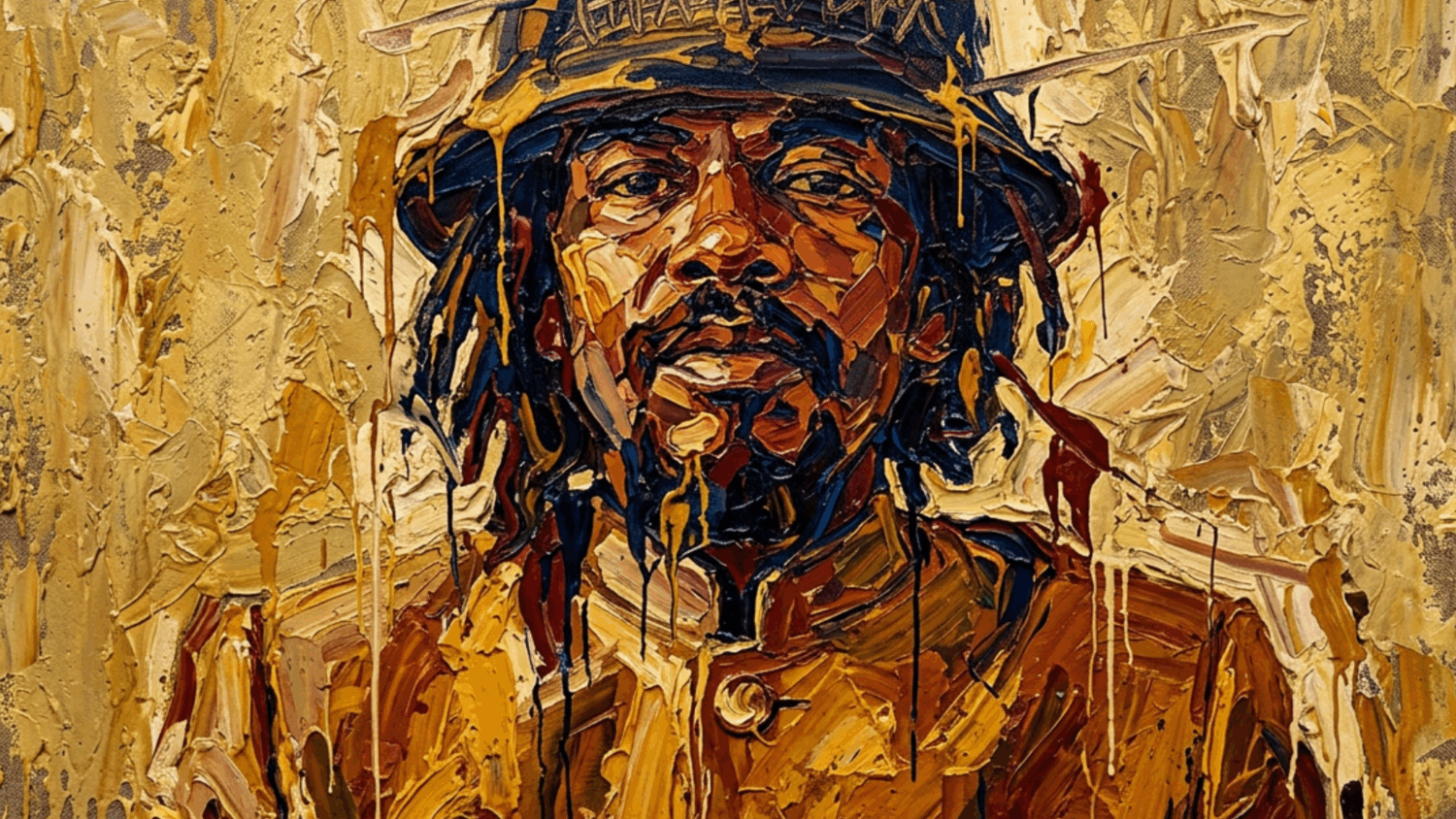
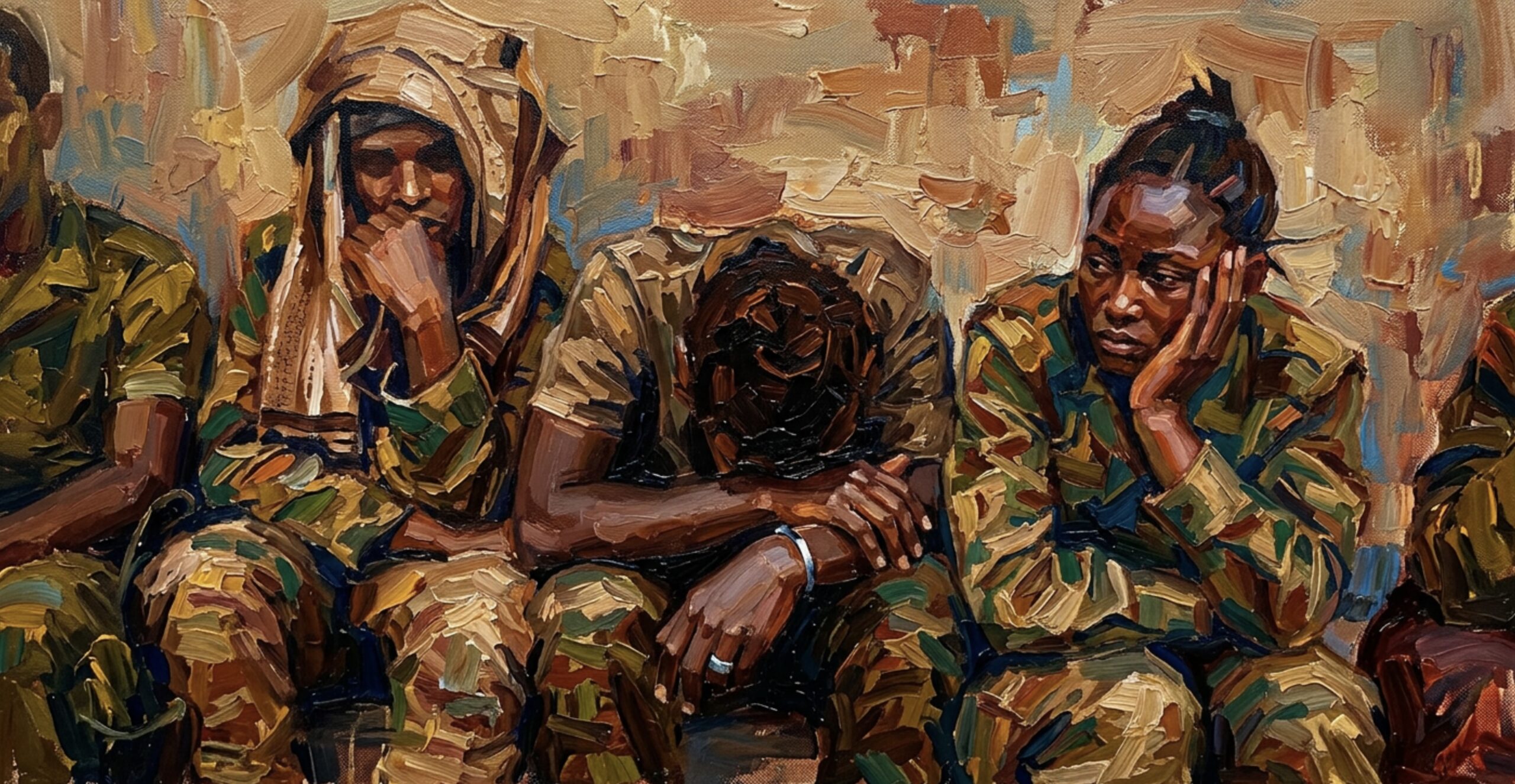
As Sudan’s devastating civil war grinds into its fourth year, the battlefields of Kordofan have been rocked by a high-profile shift in loyalty. Ali Rizqallah, the notorious field commander better known as “Savannah”, has officially announced his defection from the Rapid Support Forces (RSF). His departure marks a significant psychological and strategic blow to the paramilitary group, yet unlike other high-ranking defectors, Savannah is not rushing into an immediate alliance with the Sudanese Army. Instead, he has declared himself a “third party”—a move that has left both sides of the conflict questioning his next move and his true motives.
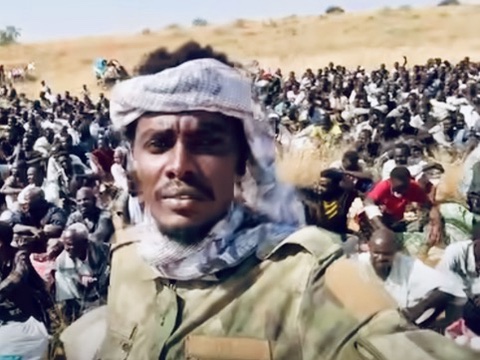
On May 11, 2026, Savannah appeared in a video wearing civilian clothes, speaking from an undisclosed location. He claimed he was never a formal member of the RSF but rather an independent force that merely cooperated with them out of necessity. By framing his exit as a bias toward “the people” and the displaced rather than a switch to the military establishment, he has positioned himself as a potential alternative to the two main warring factions. This is very different from Major General Al-Nur Qubba, another RSF leader who defected in April and immediately joined the Sudanese Army to lead troops against his former comrades.
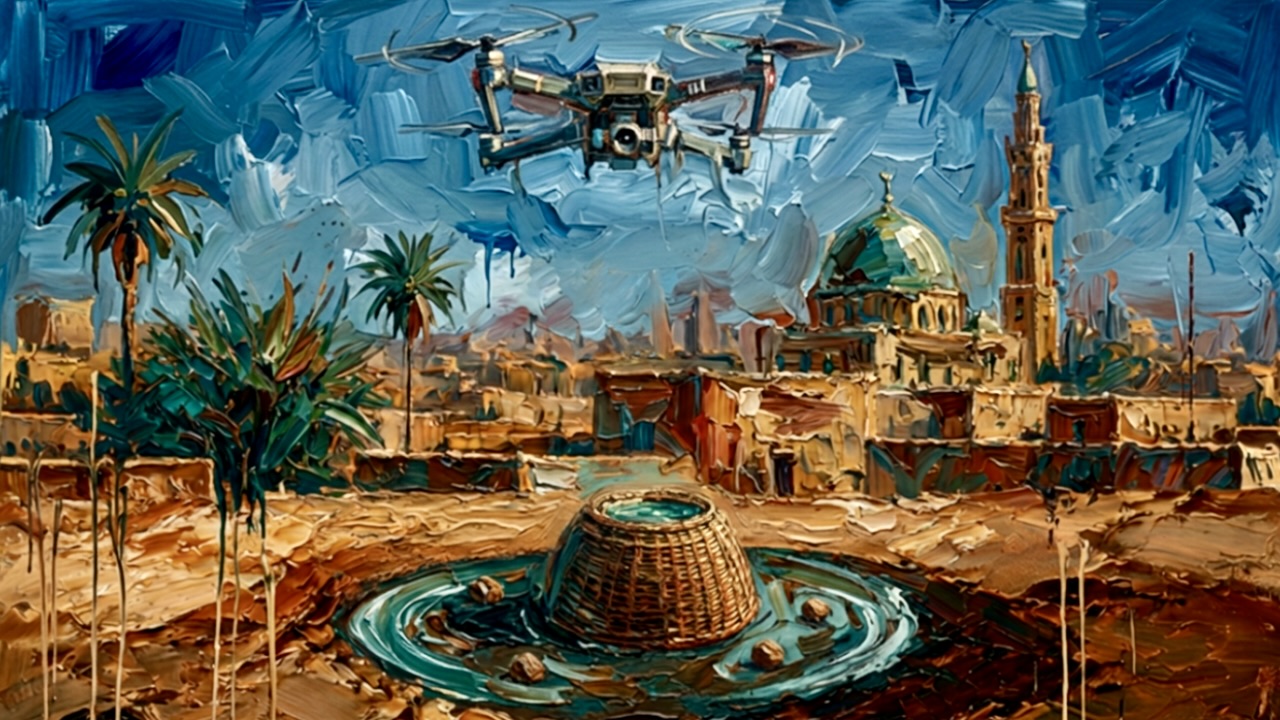
The fallout of Savannah’s exit was immediate and messy. Shortly after his announcement, officers from his own unit, Group 296, released a counter-video pledging their continued loyalty to the RSF and refusing to follow their commander into the unknown. Reports suggest that the RSF had attempted to disarm the group a week prior to the announcement after receiving intelligence of his plans. When the group tried to retreat to avoid suspicion, they were reportedly scattered by drone strikes, leaving the majority of his former fighters to surface in Nyala, South Darfur, while Savannah himself remained in hiding.
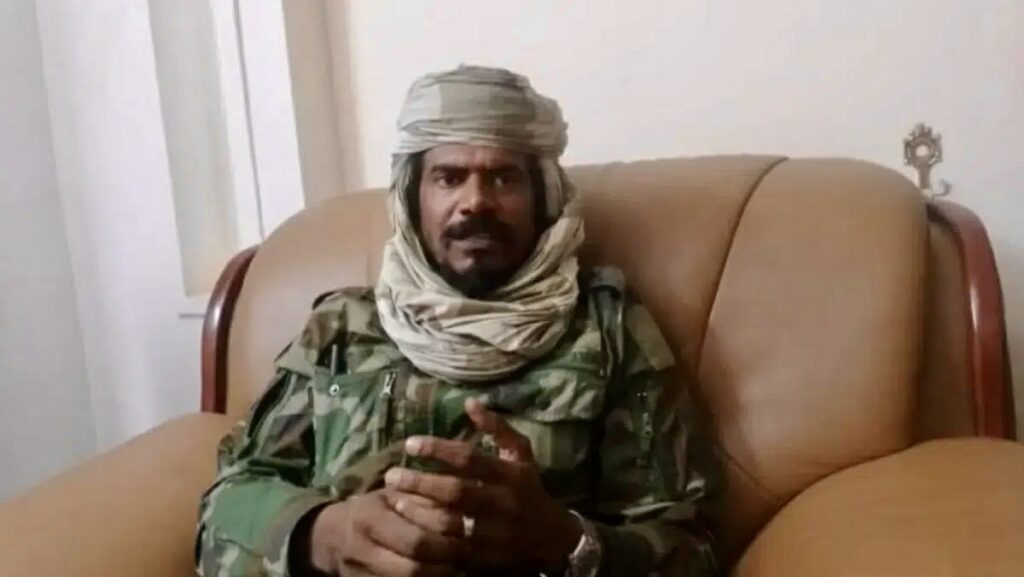
The relentless rebel
Savannah’s life has been defined by perpetual rebellion, according to local sources familiar with his family history. Born in the 1990s, he never attended formal school, instead studying at a traditional Quranic khalwa before joining armed movements in Darfur as a teenager. His career has been marked by shifting allegiances: he was a young insurgent against the Khartoum government, a lieutenant colonel in the regular army after a 2011 peace deal, and eventually a rogue commander leading troops from a wheelchair after a 2016 army ambush left him severely injured. In 2017, he was arrested by the RSF alongside tribal leader Musa Hilal after they both refused a government order to merge their forces into the paramilitary group.
His return to the RSF was equally dramatic. Released from prison only after the current war broke out in April 2023, he immediately sought out the nearest RSF base. There, the RSF’s second-in-command, Abdul Rahim Dagalo, reportedly met him and personally apologised for Savannah’s previous years of imprisonment. This brief reconciliation has now ended in a public split, with political activists suggesting that Savannah’s defection constitutes a “moral blow” that could trigger a decline in recruitment for the RSF in North Darfur and Kordofan.
“The reformer”
Journalist and Darfur expert Mohamed Saleh Al-Bashar suggests that Savannah’s move might be part of a calculated military intelligence strategy. By positioning himself as a “reformer” rather than an army puppet, Savannah may be able to draw away RSF fighters who are disillusioned with the current leadership but still view the regular army as a historical enemy. This approach mirrors historical tactics used to splinter Darfuri movements into smaller, family-based militias, thereby stripping them of their national political weight.
However, the Sudanese Army faces a public relations crisis of its own regarding these defectors. Supporters of the “War of Dignity” have expressed outrage at the warm reception given to former RSF leaders like Al-Nur Qubba, who is accused of atrocities during the siege of Al-Fashir. In response to the backlash, Lieutenant General Abdel Fattah al-Burhan issued a statement clarifying that while the army welcomes those who lay down their weapons, it is the Sudanese people who hold the ultimate right to pursue legal accountability or grant amnesty.
Savannah remains a deeply polarising figure, especially in his hometown of Al-Daein. While he is known for his local philanthropy—often showering children and storytellers with money at his luxurious estate—his military record is shadowed by accusations of war crimes. Most recently, he faced heavy criticism for his role in the May 2025 seizure of Al-Nuhud, where he is accused of overseeing the looting of the city’s commodities exchange, allegedly making off with millions of dollars worth of vital crops like peanuts and gum arabic. Whether he can truly reinvent himself as a champion of the people remains to be seen in a war that has left little room for heroes.