












Under siege, civilians in El Obeid face an uncertain fate
25 June 2026
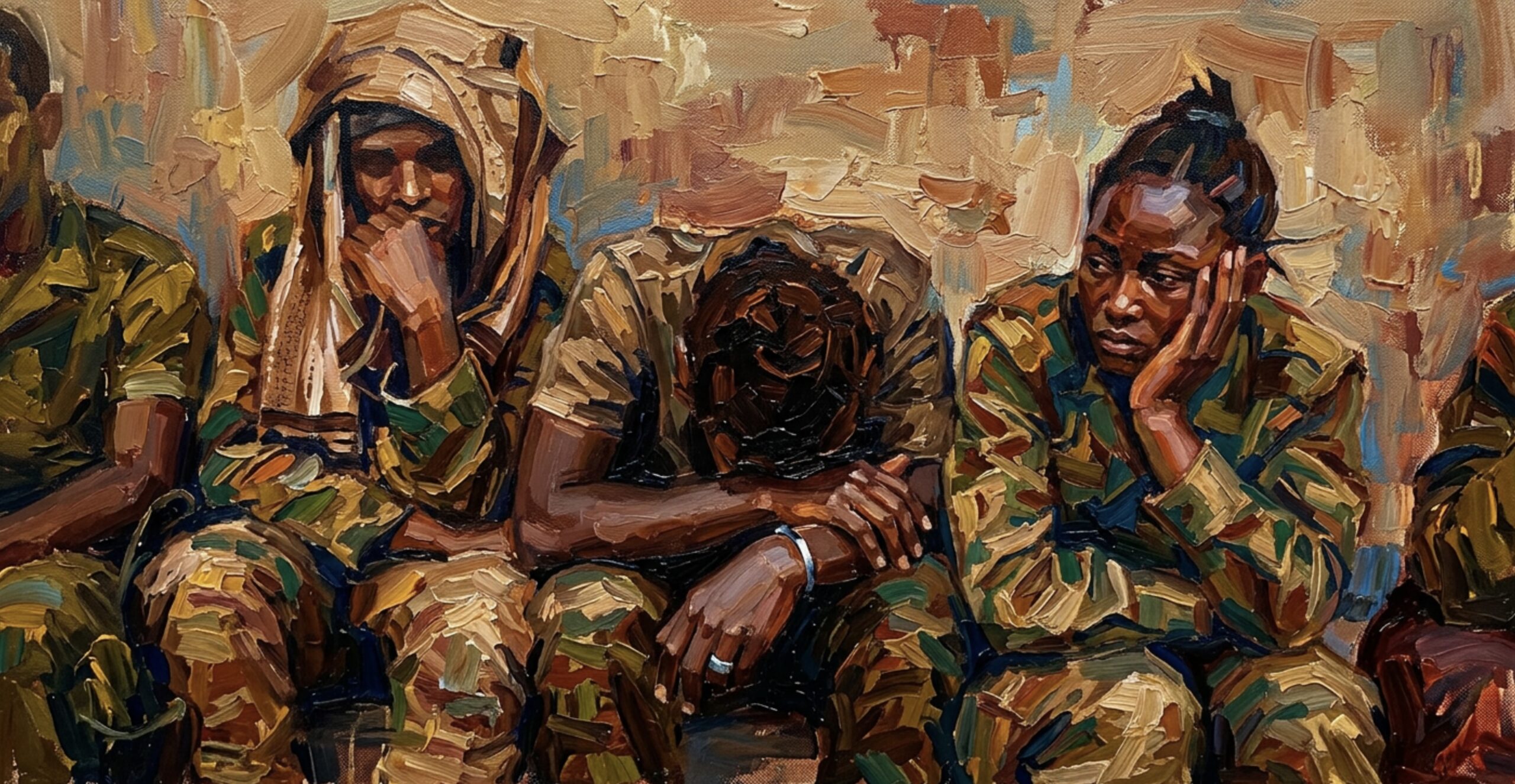
Every morning residents of El Obeid, the roughly half-a-million-strong capital of North Kordofan State, wake up with trepidation, wondering if today will be the day the Rapid Support Forces (RSF) raid the city. The residents of El Obeid, along with those displaced by conflict from neighbouring areas in West Kordofan State, are all trapped together.
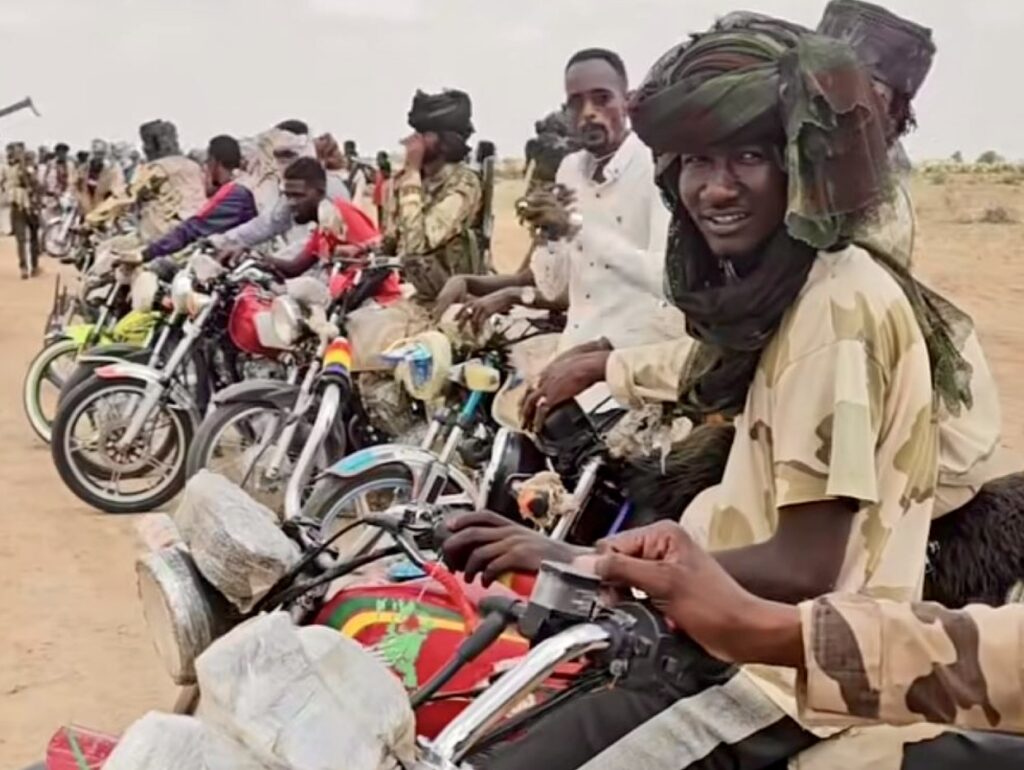
As of early June, the RSF and allied militias have heavily concentrated their forces around El Obeid, effectively subjecting the city to siege-like conditions.
El Obeid locals have done this before. As the conflict began in April 2023, the RSF surrounded the city for nearly two years until the Sudan Armed Forces (SAF) broke the siege in February last year. Now the RSF have surrounded the city again and this time they are equipped with a seemingly endless supply of drones, local residents said.

Drones have been continuously flying in the city’s skies and carrying out raids on locations within it. On Tuesday morning, RSF drones targeted a fuel station in the Area 13 district of El Obeid and a non-functioning fuel tanker near Dar Al-Fikr School. One student named Sara Abdel Latif was killed. RSF drones have targeted several fuel stations over the past few weeks, causing a severe fuel crisis. Then RSF drones took out the electricity substation, leaving the city in complete darkness for the fourth day in a row.
“Since last Saturday, not a single fuel station has been operating,” says Mustapha*, a local resident. With no petrol or diesel available, public transport fares have risen so high that few of the cash-strapped residents of El-Obeid can afford them. Even if you can afford a bus ticket to leave the city, Mustapha added, there are few buses in operation, forcing some people to ride on top of them. The few residents with personal vehicles also face limited options due to the fuel crisis. Just purchasing a couple of litres of fuel is prohibitively expensive for most residents and will only get you 1-2 kilometres out of the city.
Thirsty, hungry, and nowhere to go
Moaz Zakaria, a volunteer supporting the conflict-displaced in El Obeid, said the lack of power and fuel has created a drinking water crisis after many electricity generators and water pumps broke down, turning the journey to obtain water into a daily ordeal for residents, especially displaced people living in shelters. “Thousands of displaced people who fled the hell of war in Darfur and Kordofan to the city of El Obeid now fear being forced to flee again, as they are already under threat of bombing, thirst, and hunger,” Zakaria said.
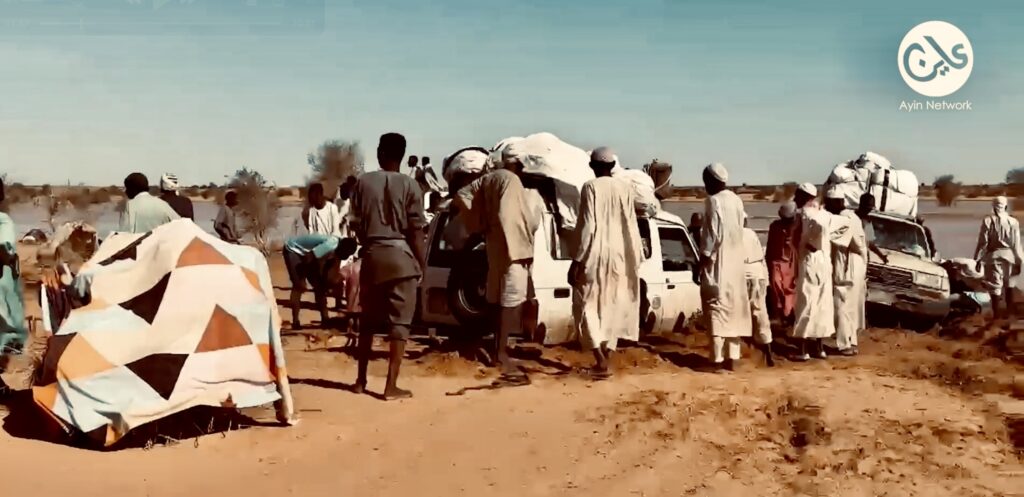
Suleiman Bashir has been living in the Khor Taqat camp for the displaced in the outskirts of El Obeid for over a year after he and his family were displaced from the Al-Dubaibat area in West Kordofan State. “The situation inside the shelter camp is dire, as the limited aid provided by local organisations and the state government is not enough and most of the displaced people have exhausted their financial savings,” Bashir told Ayin. “We all live on one meal a day, if that.”
He explained that the drone strikes on the city of El Obeid in recent days have significantly affected the movement of markets and the transport of goods and medicines.
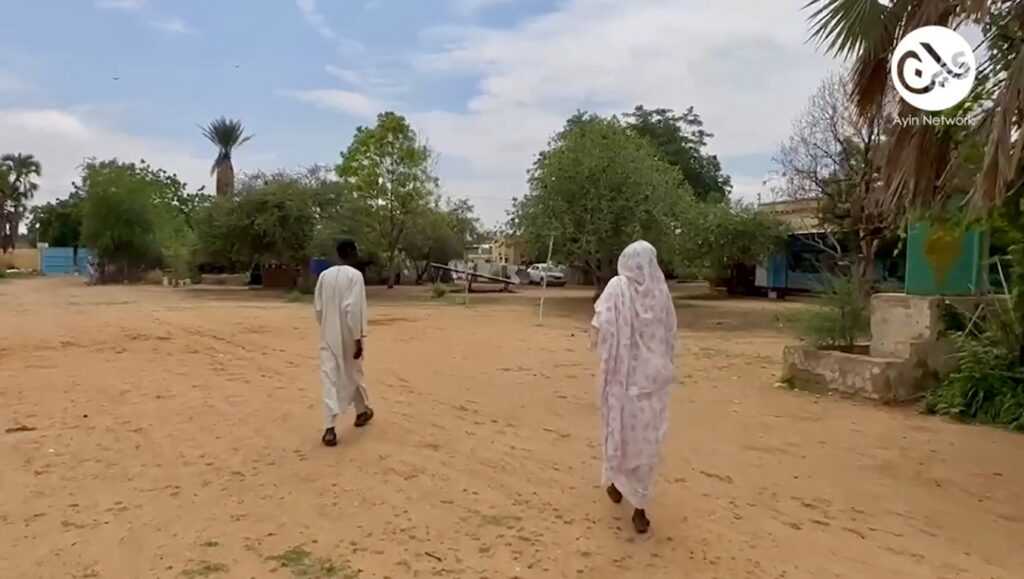
Maryam Hamed, a widow supporting a family of three children, says that she was displaced from the city of Dubeibat in May 2025 and is currently living in a shelter in the Khor Taqat area. She depends on financial transfers sent to her by her brother who is in Libya. Many displaced in Khor Taqat have seen clips of the devastating RSF attack on Geneina and El Fasher in Darfur and fear the same could happen in El Obeid. Despite being all-too-aware of the risks, Maryam and others find it extremely challenging to leave.
Diaa El-Deen Hussein, a retired Sudanese army officer and expert in international humanitarian law, fears an RSF siege on El Obeid could have a devastating impact on an already conflict-affected population, especially given past experiences in El Fasher and, earlier, in El Geneina. But the retired officer also notes that the RSF’s political wing, “Tas’is”, is desperate for international recognition and may urge RSF leaders to refrain from targeting civilians.
“Documented or expected violations may directly affect the legitimacy of any political project associated with Tas’is, or any political wing supporting the Rapid Support Forces,” Hussein said. “International recognition of any party is linked to the extent of its commitment to international humanitarian law and the protection of civilians.”
International response
In a statement issued on Saturday, 21 members of the UN Security Council expressed their concern about the imminent risk of mass atrocities. The Security Council members stressed the need for all parties to protect civilians, comply with their obligations under international law, and uphold the commitments made in the Jeddah Declaration.
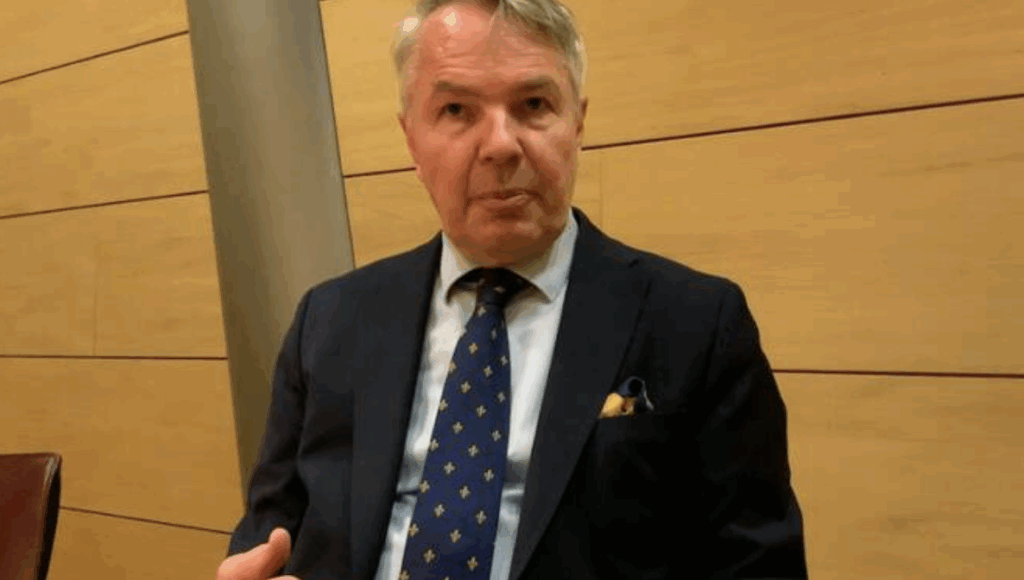
United Nations spokesman Stephane Dujarric said that the secretary-general’s personal envoy to Sudan, Pekka Haavisto, spoke last Friday with the commander of the Rapid Support Forces, Lt-Gen. Mohamed Hamdan Dagalo (aka “Hemedti”), and asked him to de-escalate the situation. Haavisto also called on the RSF leader to “avoid any actions that could further aggravate the already dire humanitarian situation and put the lives of civilians at greater risk.”
But the international community has issued multiple statements during Sudan’s conflict, now in its fourth year, to no avail, says political analyst Mohamed Ibrahim. “The residents of El Obeid will not sleep better knowing a UN official has issued yet another statement,” Ibrahim told Ayin. “For one, there is no evidence to suggest that the RSF top leadership even have control over their own forces, as local units often act semi-autonomously with near-total impunity.”
El Obeid: a strategic location
Given the strategic value of El Obeid, there seems little incentive for the RSF to call off an attack on the city. El Obeid is located almost in the middle of Sudan and connects Kordofan and the Darfur region on one side and Khartoum and the central states on the other. The city also connects to northern Sudan, reaching the border triangle region with Libya and Egypt – routes through which military supplies and commercial traffic pass. It also houses the headquarters of the Sudanese Army’s Fifth Infantry Division, one of the most important military divisions in the country.
Political activist Salah Hassan believes the RSF want to control El Obeid to help facilitate the movement of their forces and supplies between western and central Sudan. El Obeid also has one of the largest markets in Sudan, which is a historic centre for the trade of gum arabic, crops and livestock. Control of El Obeid means access to resources and a lucrative extension of the RSF’s rentier economy where crossing becomes a source of revenue through fees and levies, Hassan added. “We must also realise that RSF control of El Obeid could lead to more than just seizing the city; it could effectively divide the country between the army and the Rapid Support Forces.”
* Name changed to protect the source