












From sleepy town to strained refuge: Inside Mellit’s displacement crisis
1 August 2026
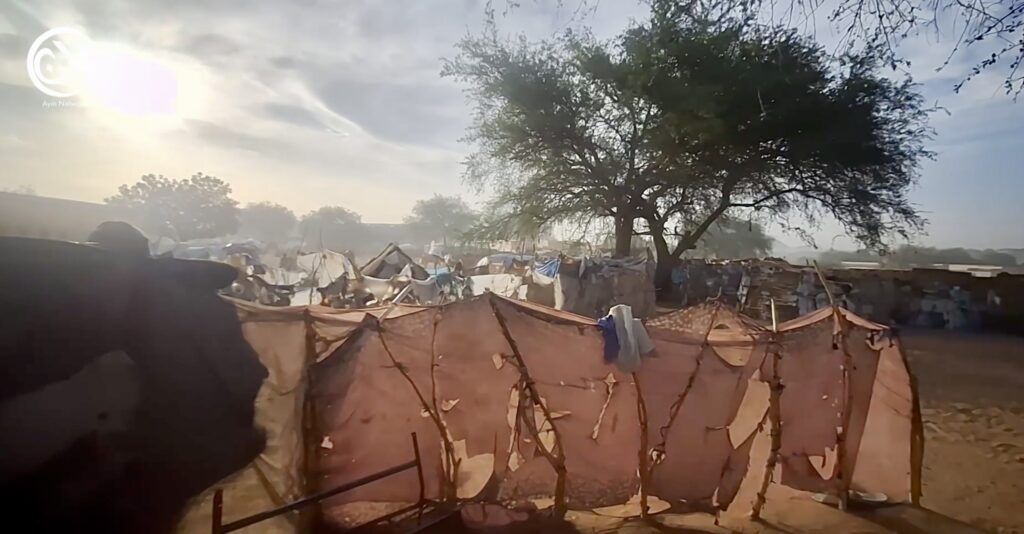
Before the Rapid Support Force (RSF) invasion of El Fasher in October last year, Mellit was a fairly quiet, sleepy town with a mixed population of farmers and herders. Comprised mostly of Berti, Zayadia, and Zaghawa ethnicities, the 200,000-some residents hosted a displaced population of around 20-25,000 people. After the RSF siege of El Fasher, however, Mellit became one of the three primary destinations for a mass of conflict-displaced, estimated at 127,162 individuals. Suddenly, the displaced from El Fasher became a third of Mellit’s residents, with the majority squeezed into the Al-Abbasi displacement camp or in informal camping sites such as the Al-Marabee area.
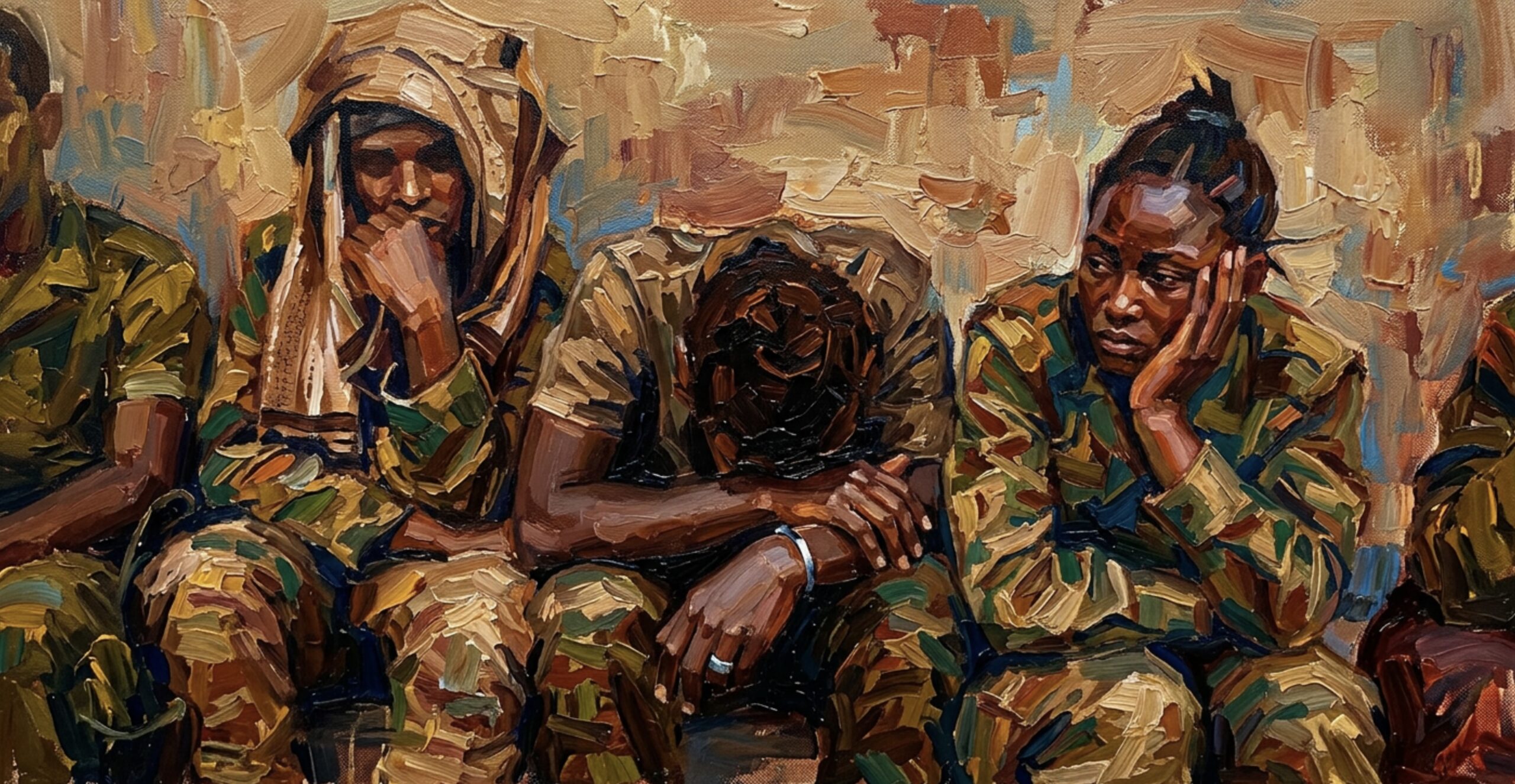
This influx of displaced families has put massive pressure on Mellit’s host community and local infrastructure. Key challenges include severely overstretched water points, lack of emergency shelter, and critical food insecurity across gathering sites. “There isn’t even a decent shelter to take refuge in,” says X. “Everyone is camped on these mats, blankets spread on the ground. Now it’s the summer – but soon the rains will find us, and then the cold,” says Afaf Suliman, the deputy supervisor of the shelter.
While the displaced are trying to eke out a new living in Mellit, the fear of aerial attacks and potential renewed displacement is ever present. The RSF took control of the strategic town in April 2024. Mellit serves as a pivotal hub linking North Darfur to trade and transport routes leading toward Libya and Northern State. Control of Mellit also enriches the RSF through customs checkpoints and the taxation of commercial goods.
Given its economic and logistical significance, Sudan’s army has targeted the town with repeated air raids and drone strikes. On July 19, a drone targeted the town’s Al-Zariba Market during a busy weekly market day, killing several civilians and wounding others. In August last year, an army drone struck a World Food Programme (WFP) convoy parked at a customs facility in Mellit, destroying three trucks that were carrying much-needed food aid.
The Ayin Network managed to visit the restive town last month to speak to some of the conflict-displaced, many of whom had experienced multiple displacements -forced from major camps in the area, including Zamzam and Abu Shouk camps.