






Desperate exodus: Conflict and rains overwhelm Sudan’s Blue Nile state
10 September 2026
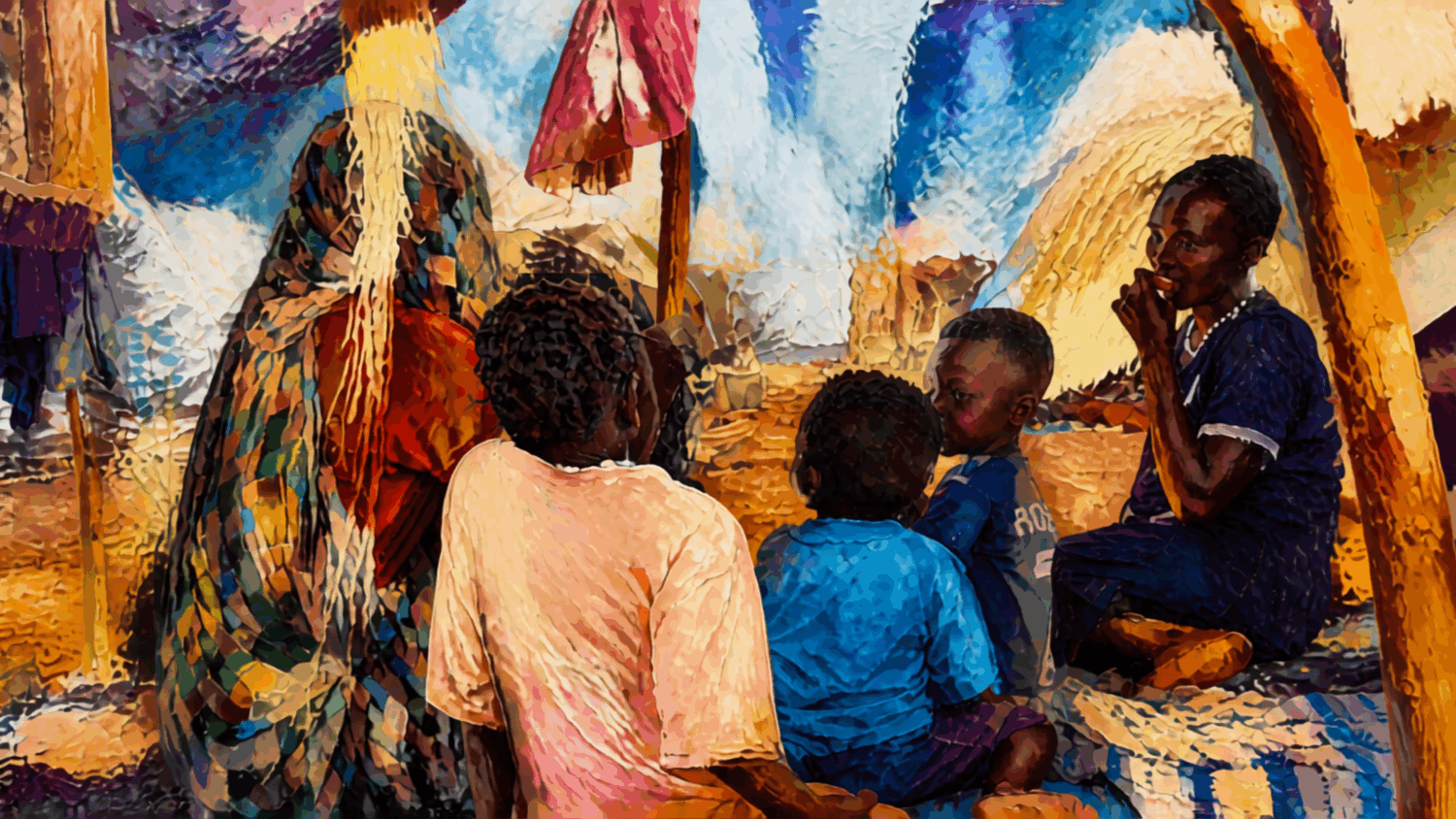
As insecurity continues to plague Geisan and Kurmuk in southern Blue Nile State, hundreds of families have fled the fighting, only to find temporary camps hastily set up. The exodus takes place at a time when the conflict-displaced are besieged by the rainy season and shortages of food, medicine and shelter, local aid volunteers told Ayin.
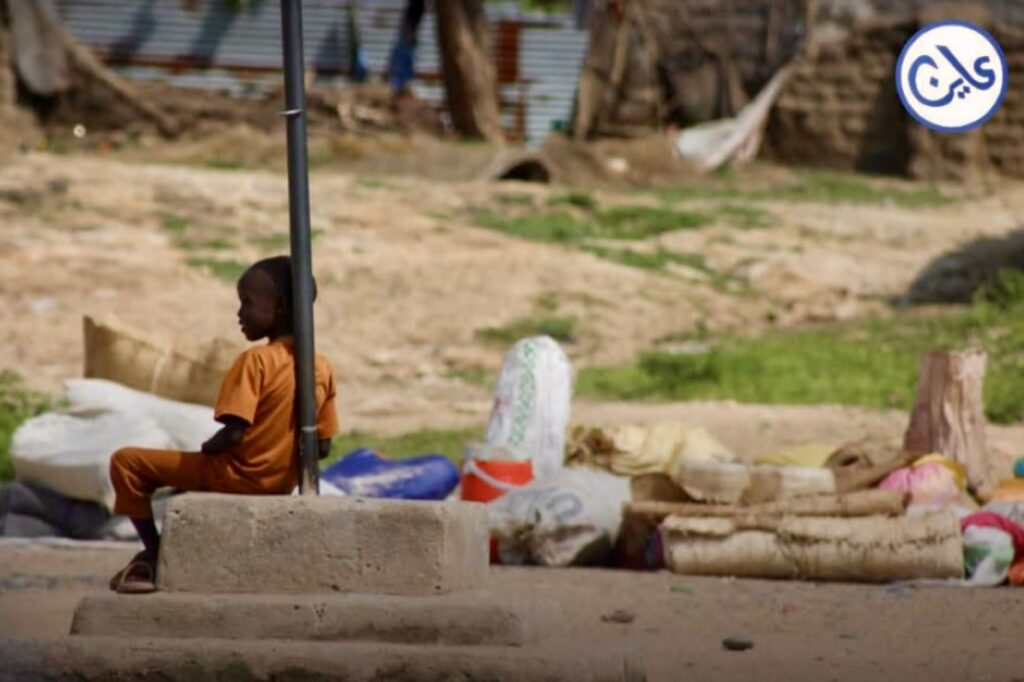
Within these camps, families are trying to protect their children from the rain under makeshift tarpaulins, while mosquitoes proliferate due to the lack of nets. “Needs are expanding faster than the capacity of humanitarian agencies to respond,” one humanitarian worker in Damazin said.
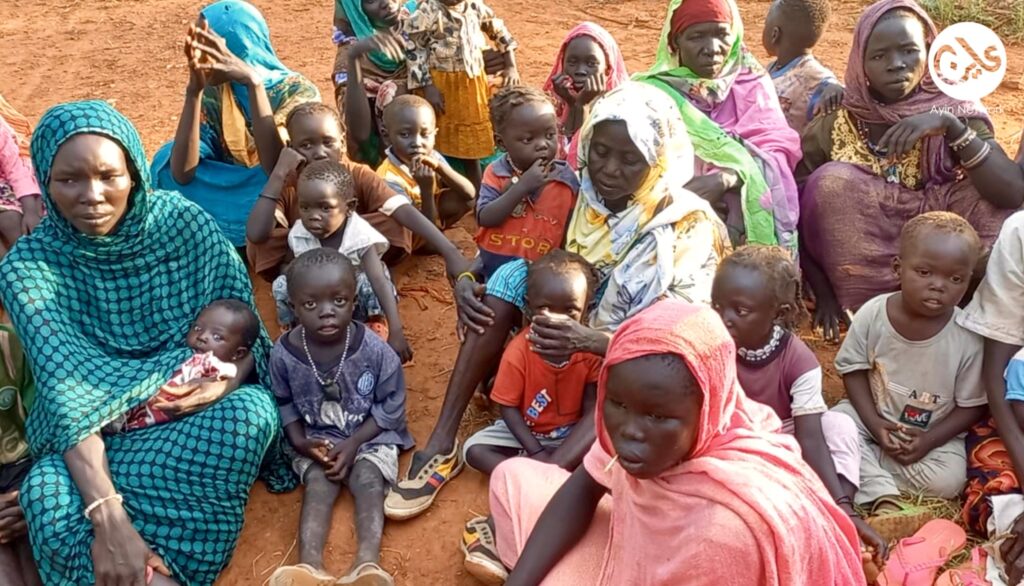
Large numbers of displaced families are entering areas controlled by the Rapid Support Forces (RSF) and allied Sudan People’s Liberation Movement-North (SPLM-N) forces in the Geisan and Kurmuk localities, says community activist and member of the South Blue Nile Emergency Rooms, Youssef Al-Fahl.
“The situation is tragic,” Al-Fahl says, noting the lack of medicine, as well as shortages of food and shelter supplies, particularly tarpaulins, blankets, mattresses, and mosquito nets. He points out that conditions worsen during the rainy season and the spread of mosquitoes, raising concerns about the spread of malaria and dengue fever. Women also face shortages of basic necessities, including soap, sanitary pads, toothpaste, brushes, underwear and shoes, he added.
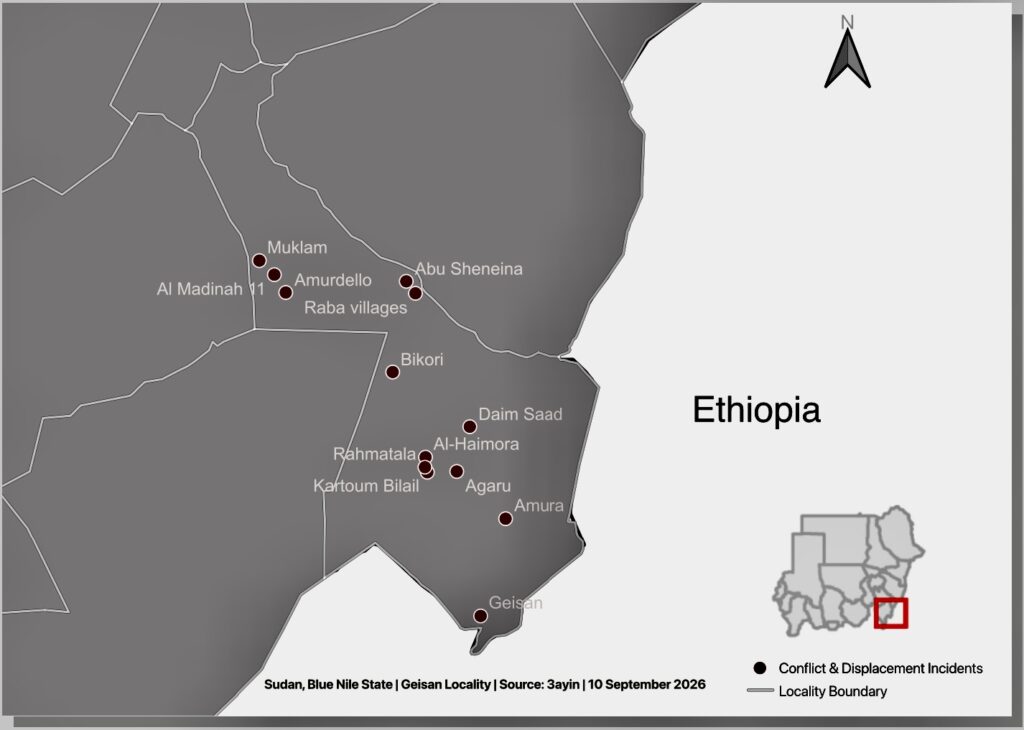
“The Geisan area alone witnessed a new displacement estimated at about 59,000 people, some of whom moved to the areas of Shira, Babnusa, Abu Qami and Abla, while others headed to other localities,” said a volunteer from the emergency response room in Damazin, who preferred anonymity.
In a recent field assessment, the Blue Nile Civil Society Initiative estimates that over 175,000 people have fled the escalating conflict in southeastern Blue Nile, with the majority heading towards the capital, Damazin. The capital city hosts over 20,000 newly arrived families, the initiative said, while 7,000 have fled to Roseires, 5,000 to Wad al-Mahi, and 3,000 to Baw.
Seeking shelter across the borders
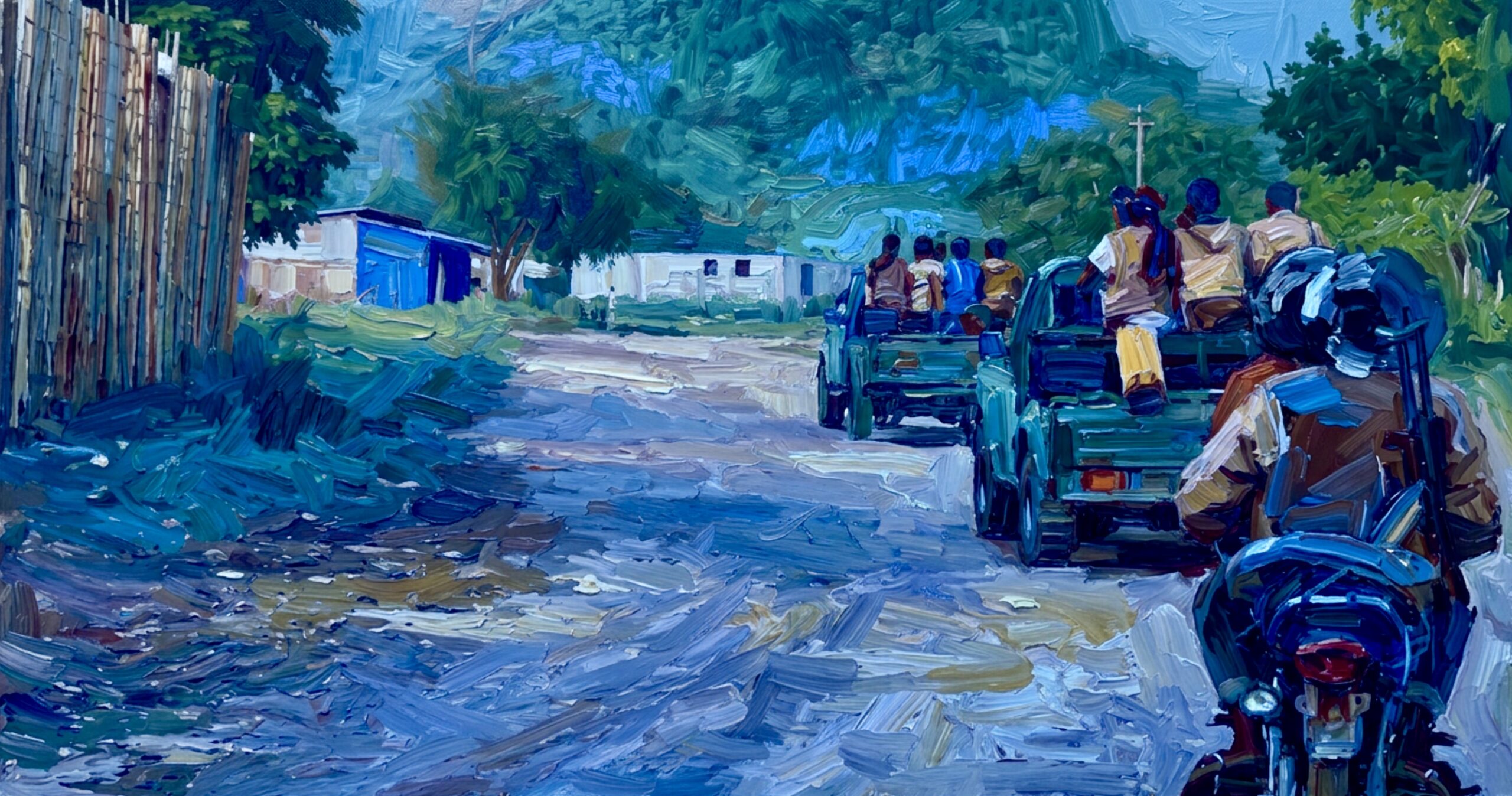
The nearby borders of Ethiopia and South Sudan have become areas for the displaced. “The residents of the southern Kurmuk areas under the control of the SPLM led by Joseph Tuka, including Shali al-Fil, Balila and Yabus, have taken refuge in the Bunj area in South Sudan, while others have headed to Benishangul-Gumuz in Ethiopia,” says political activist and Blue Nile resident Political Ashraf Hassan.
Ahsraf explains that in the southern areas of Kurmuk under army control, including Khor al-Budi, al-Zariba, and Jart, residents have moved north towards Baw and Damazin, with some seeking refuge in Ethiopia. In Geisan, residents of army-controlled areas, including Geisan al-Madina, Bakuri, Ilyas, and al-Madina, have headed towards Baw, Damazin, and Roseires, while residents of SPLM-N-controlled areas have crossed the border into Ethiopia.
“The state of instability has extended to Roseires and Damazin, where several residents have been displaced to Sennar and Khartoum, coinciding with a decline in commercial activity as a result of the departure of large numbers of traders.”
Ashraf believes that the developments in the Blue Nile are no longer separate from regional competition, warning that the continuation of military operations may push more residents to leave their areas.
From periphery to the crux of the conflict
Given its border location and proximity to Ethiopia, Horn of Africa specialist Khalid Taha believes the Blue Nile region would move from a peripheral battle front to a key axis. Taha believes the conflict will only intensify after the autumn, further displacing civilians in the process.
This situation comes at a time when displaced families are arriving at reception centres with no shelter available to protect them from the rain or medicine to combat the rain-driven diseases such as malaria, he added.