

16 September 2026
To keep our readers informed of the multitude of events taking place in Sudan amidst the ongoing, devastating war, we have developed a series of weekly news briefs covering major topics of the week.
In this week’s edition:
Ground battles subside while drone attacks escalate across fighting fronts
Drone strikes in Damazin amid deteriorating humanitarian conditions
38 Sudanese refugees vanish in Egypt following Mediterranean rescue
Women protest demolition of historic market
Journalist Syndicate calls for prominent editor’s release
Fuel crisis returns as the currency rapidly depreciates
Unknown fate of teacher arrested by “security cell” in El-Obeid
World Food Programme investigating the food crisis in Nyala
 1) Ground battles subside while drone attacks escalate
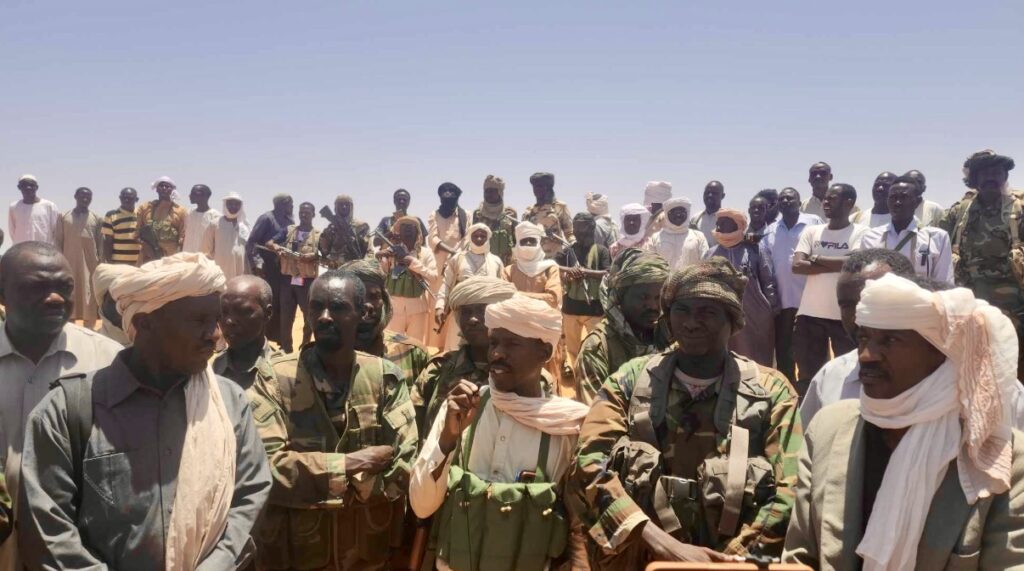
While ground combat has recently slowed across the Kordofan and Darfur regions, aerial warfare is intensifying. This tactical shift is highlighted by continued territorial struggles in North Darfur and a devastating drone strike in North Kordofan that left at least 13 people dead and 22 others injured.
In North Darfur, the Rapid Support Forces (RSF) launched an offensive on the Ambro area on Sunday. The assault triggered brief clashes with the Sudanese army-aligned Joint Force, which ultimately withdrew from the territory. Ambro, situated near the Chadian border, remains a volatile flashpoint experiencing a continuous, back-and-forth struggle for control.
Meanwhile, a cautious calm on the ground in Kordofan was shattered last Wednesday when a drone struck the courthouse complex in the city of Umm Ruwaba. Local sources, who attributed the attack to the RSF, noted that the bombing occurred shortly after a graduation ceremony for army recruits had concluded and the participants had completely dispersed.
The vast majority of the casualties in the Umm Ruwaba attack were civilians, including lawyers, court employees, litigants, and police officers. Human rights activist Osman Saleh strongly condemned the strike, emphasising that the prior presence of military recruits did not justify endangering non-combatants or turning judicial institutions into active conflict zones.
The courthouse tragedy highlights a grim trend in the ongoing war. As traditional ground engagements temporarily stall in these regions, warring factions are increasingly relying on drone strikes and aerial bombardments, posing a severe and escalating threat to civilian infrastructure and lives.
 2) Drone strikes in Damazin amid deteriorating humanitarian conditions
 3) 38 Sudanese refugees vanish in Egypt following Mediterranean rescue
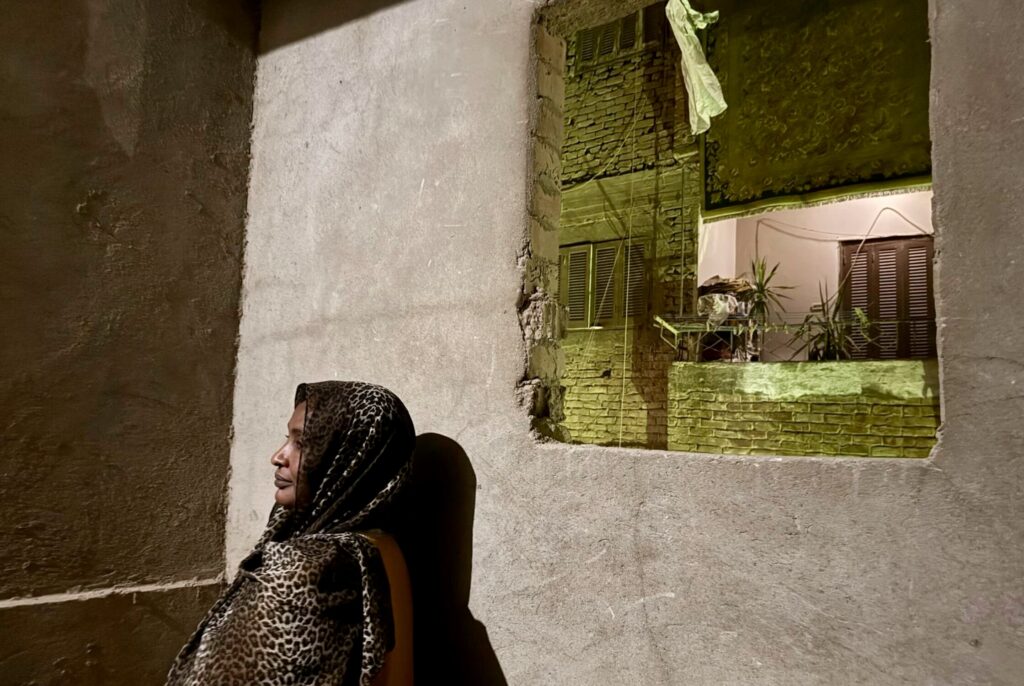
The Egyptian advocacy group, the “Refugee Platform,” is urgently calling on Egyptian authorities to disclose the whereabouts of 38 Sudanese refugees who vanished after reportedly being rescued in the Mediterranean Sea. The group, which includes four children and two women, has been missing since August 22, following their alleged transfer to the Egyptian coastal city of Port Said.
According to a mid-September report by the human rights platform, the migrants departed on August 20 from the Amsaad area near Tobruk, Libya, aiming for Greek territory. On the evening of August 22, a passenger used a satellite phone to send a distress signal, reporting that their boat was approximately 35 kilometres from the Greek island of Crete and was in desperate need of rescue.
The platform relayed the coordinates to the Greek coast guard, who were unable to locate the vessel. The data was subsequently passed to an Egyptian ship. However, since the reported rescue and transfer to Port Said, families have completely lost contact with the passengers and have received no official confirmation regarding their health, detention location, or legal status.
This disappearance highlights the extreme risks taken by thousands of Sudanese families forced by war and economic collapse to attempt the dangerous Mediterranean crossing. Human rights organisations emphasise that the conditions and treatment of Sudanese migrants in both Libya and Egypt are currently at their worst this year.
Despite the mounting concerns of families and rights groups, Egyptian authorities have yet to provide any information on the missing individuals. Meanwhile, the Sudanese government has not issued a statement regarding its citizens, maintaining its habitual silence on migrant incidents in the Mediterranean.
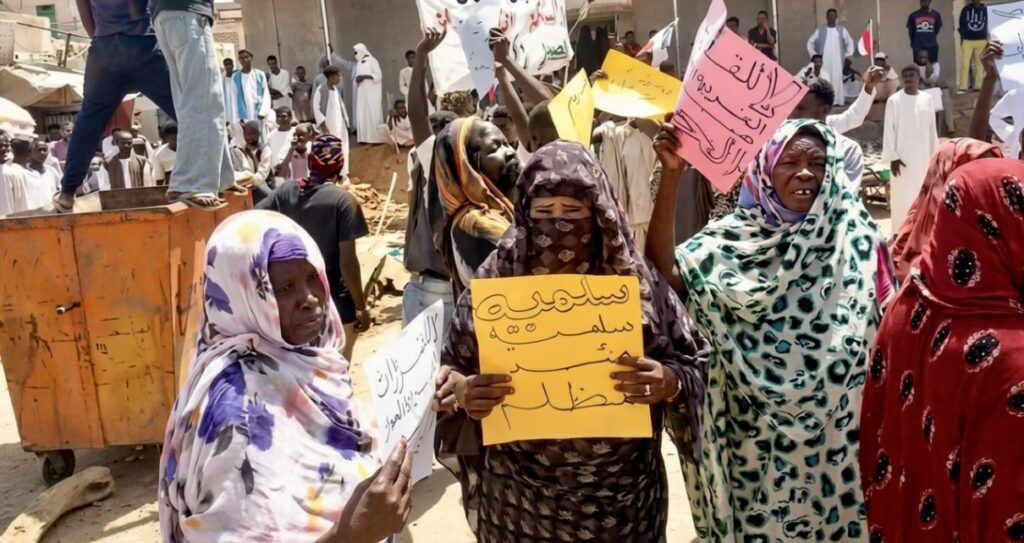 4) Women protest demolition of historic market
In a recent statement, the campaign warned that the removal is more than a mere urban organisational measure. They argued it is a direct violation of women’s rights to work, secure economic stability, and participate in public and commercial life without facing discrimination or exclusion.
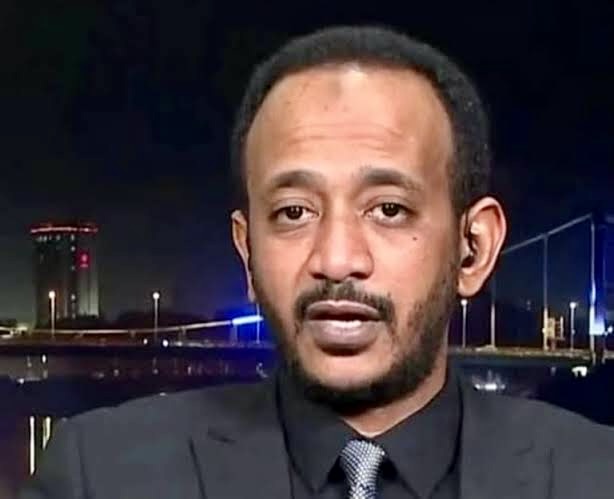 5) Journalist Syndicate calls for prominent editor’s release
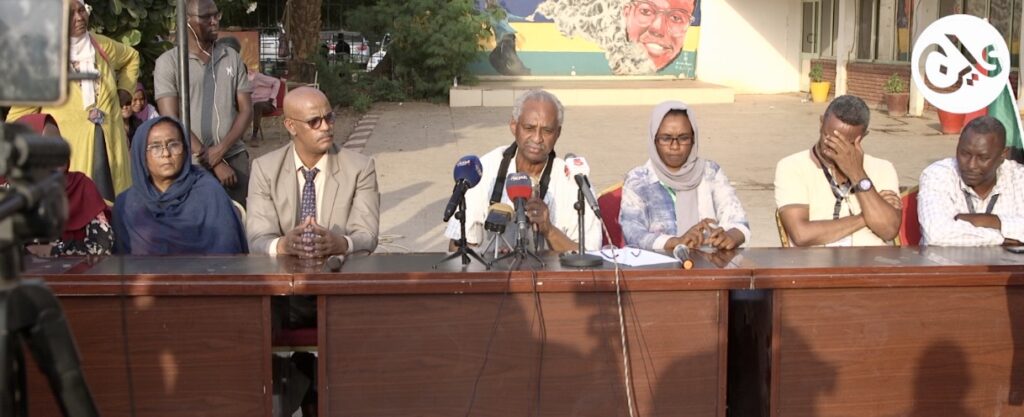 Meanwhile, the journalists’ union is facing internal turbulence regarding its governance. On Monday, the Syndicate Council announced a three-month extension of its mandate, which was originally set to expire in late November. The council justified the temporary measure by citing the ongoing war and the massive displacement of the journalistic community, which makes holding a legally mandated in-person general assembly impossible.
The resignations were further fuelled by a dispute regarding the union’s political neutrality. While the council updated its bylaws to end institutional participation in political or organisational alliances involved in the conflict, the resigning members argued the amended wording left loopholes for other political entanglements, threatening the union’s foundational independence.
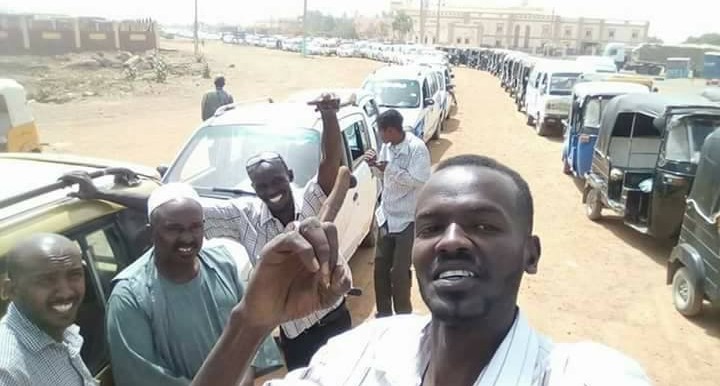 6) Fuel crisis returns as the currency rapidly depreciates
Abshar further warned that isolated financial interventions will fail without a broader peace resolution. “Governmental measures to address the exchange rate without going towards ending the war will not be effective and are merely temporary fixes that disappear quickly,” he added. “It has become clear that currency traders know very well that the Central Bank no longer has any ability to cover imports with hard currencies.”
 7) A new wave of displacement arrives in Tawila
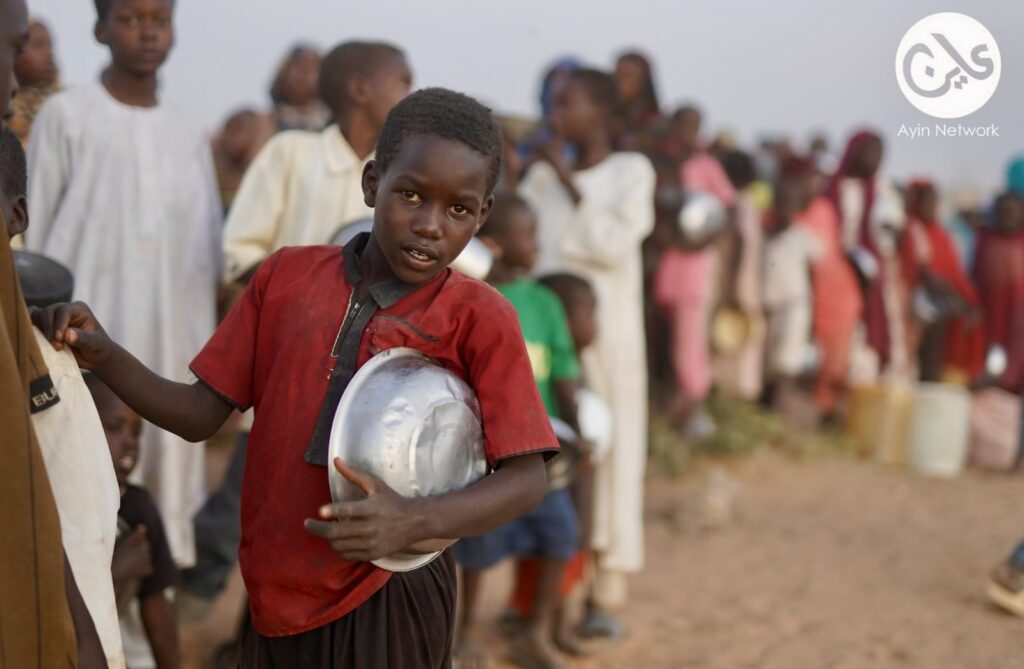
A new influx of displaced families from across Kordofan and Darfur has arrived in North Darfur’s Tawila locality, fleeing severe drought and worsening security. The arrival of 216 families between September 2 and 11 places immense strain on a region already grappling with severely limited resources, failing infrastructure, and critical shortages of basic necessities.
Adam Rijal, spokesman for the General Coordination of Displaced Persons and Refugees, noted that the exhausted arrivals face a rapidly escalating crisis. “As the number of displaced people grows, so does the need for food, water, shelter, healthcare, and protection,” Rijal stated. He emphasised that the displaced severely lack essentials and warned that “children and women are in urgent need of psychological care to help them overcome the trauma of war and displacement.”
The Coordination Office attributed the continued mass displacement to a devastating combination of armed conflict, drone attacks on civilians, skyrocketing food prices, and a failed agricultural season. A sharp decline in medical services across the broader region is further compounding this dire humanitarian situation.
Doctors Without Borders (MSF) reported that “cuts in international funding forced health centres to close across Sudan,” which has heavily strained the remaining operational facilities. The medical organisation documented a 22.5 percent increase in hospital admissions in Zalingei and Rokero in Central Darfur, noting that patients must now travel significantly longer distances to access treatment after the closure of primary care centres.
 8) Unknown fate of teacher arrested by “security cell” in El-Obeid
 9) World Food Programme investigating the food crisis in Nyala
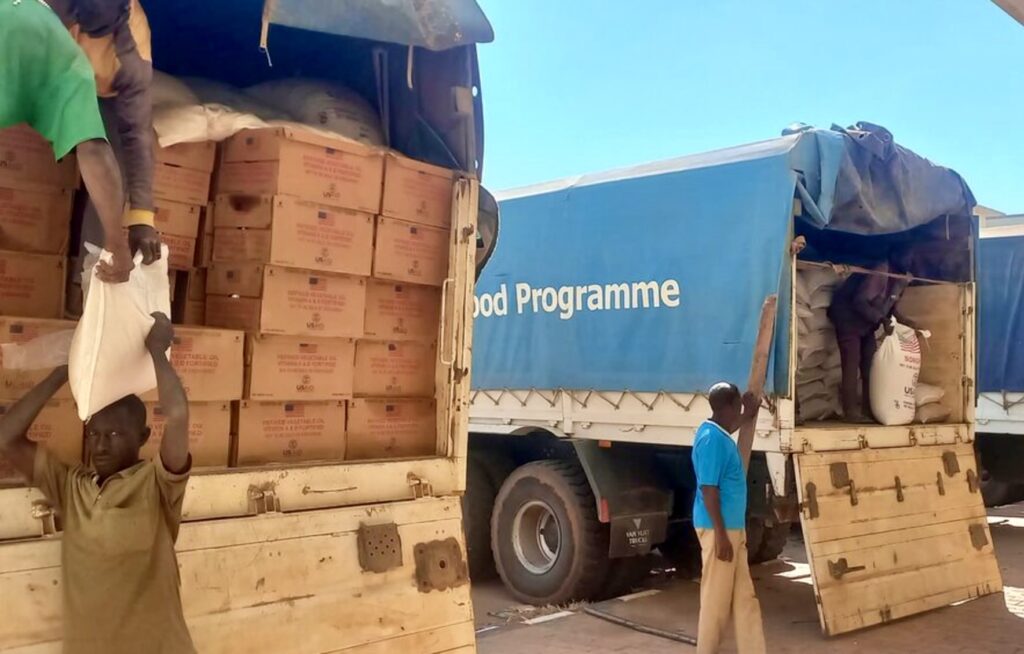
A critical meeting was held in Nyala last Sunday between Mohamed Hassan al-Ta’aishi, Prime Minister of the Tas’is (“Foundation”) government, and Karl Sacco, Acting Executive Director of the World Food Programme (WFP). The two met to strengthen humanitarian partnerships and address Sudan’s escalating food crisis, which has been severely exacerbated by ongoing war, mass displacement, and plummeting agricultural production.
During the talks, Al-Ta’aishi warned that irregular and declining rainfall is adding massive new risks to the region’s food security. He urged for early intervention to prevent current shortages from evolving into a widespread humanitarian disaster. To combat these issues, he outlined three main priorities for the WFP: securing immediate food access for vulnerable populations, investing in agricultural and pastoral recovery, and connecting aid to local markets and school feeding programmes to promote long-term self-reliance.
Al-Ta’aishi also proposed expanding field operations, launching joint risk assessments, and creating direct coordination mechanisms for early warning systems. In response, Sacco affirmed that Sudan remains a top priority for the WFP due to the immense scale of the emergency. Marking his second visit to Darfur, Sacco emphasised the agency’s commitment to increasing the number of humanitarian field workers on the ground.
Alarming data from the Food and Agriculture Organization (FAO) underscores the urgency of the situation. In key agricultural states like Sennar and Gedaref—which produce roughly a quarter of Sudan’s sorghum—rainfall was up to 30% below average between June and mid-August. This shortage has led to severe drought conditions affecting up to 40% of cultivated land in Sennar and 70% in Gedaref, with poor forecasts threatening to further decimate upcoming crop yields.
This agricultural failure compounds an already dire humanitarian emergency. Last June, the FAO and WFP classified Sudan as one of the world’s most critical hunger hotspots, warning of an ongoing risk of famine in parts of Darfur and South Kordofan. As of May 2026, the organisations estimated that 19.5 million people in the country were already facing high levels of acute food insecurity.