

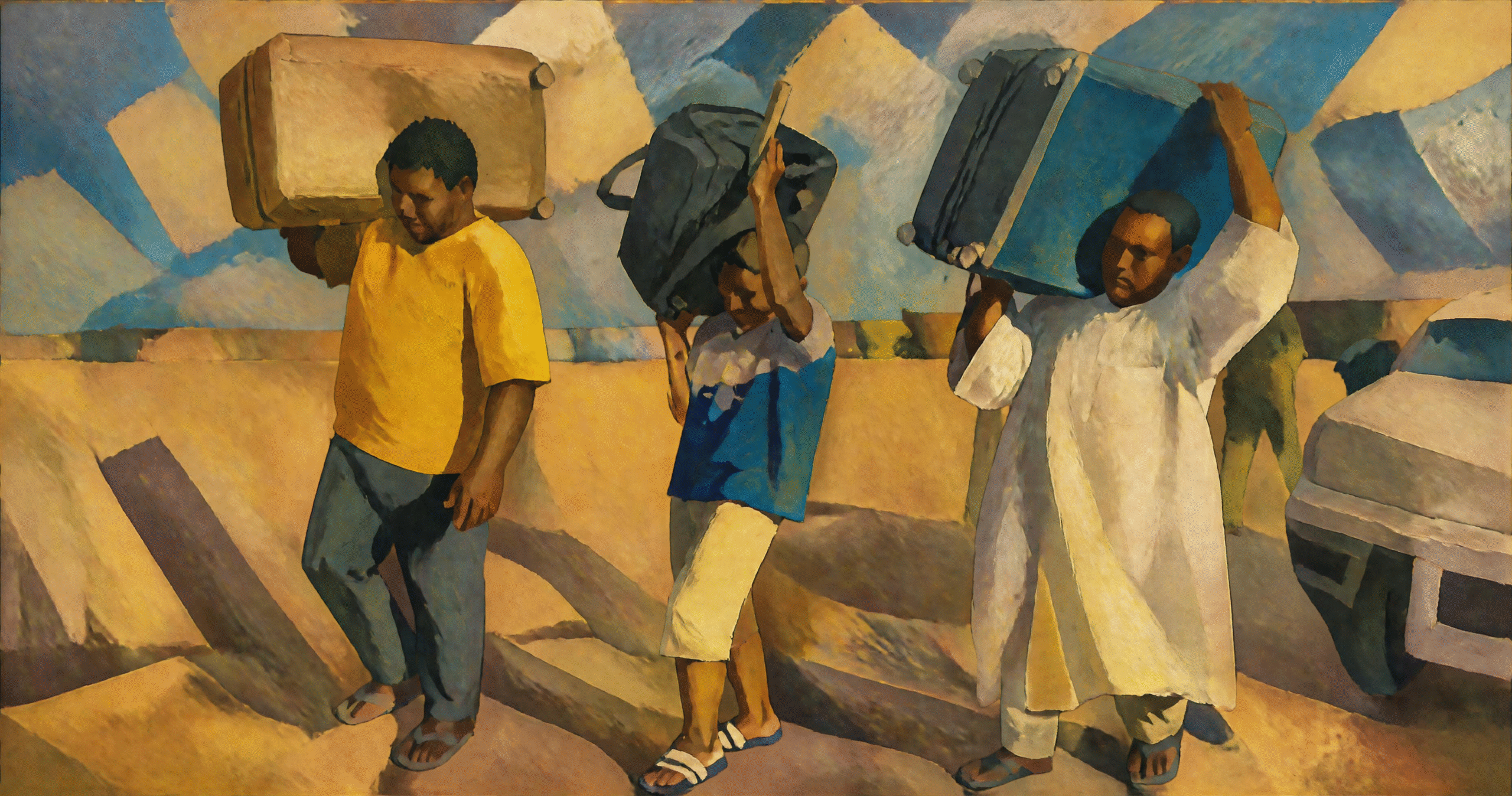
Sudanese refugees face a shrinking world of safety
20 October 2026
More than three years into Sudan’s war, the crisis facing Sudanese refugees continues to extend beyond the battlefield. In countries hosting large Sudanese communities, refugees and asylum seekers face detention, deportation, tighter immigration procedures, xenophobia and growing public hostility.
These hardships are most visible in Egypt and Libya, where hundreds of thousands of Sudanese have sought refuge since the war began. Restrictions also emerge along key regional migration routes from the Gulf to Africa, making it even more challenging for people fleeing the conflict to find, and maintain, a safe place to live.
For many, the problem is no longer simply finding a country to escape to. It is finding one where they can stay legally, access healthcare and education, reunite with relatives and avoid being forcibly returned to an active warzone.
Egypt: From refuge to uncertainty
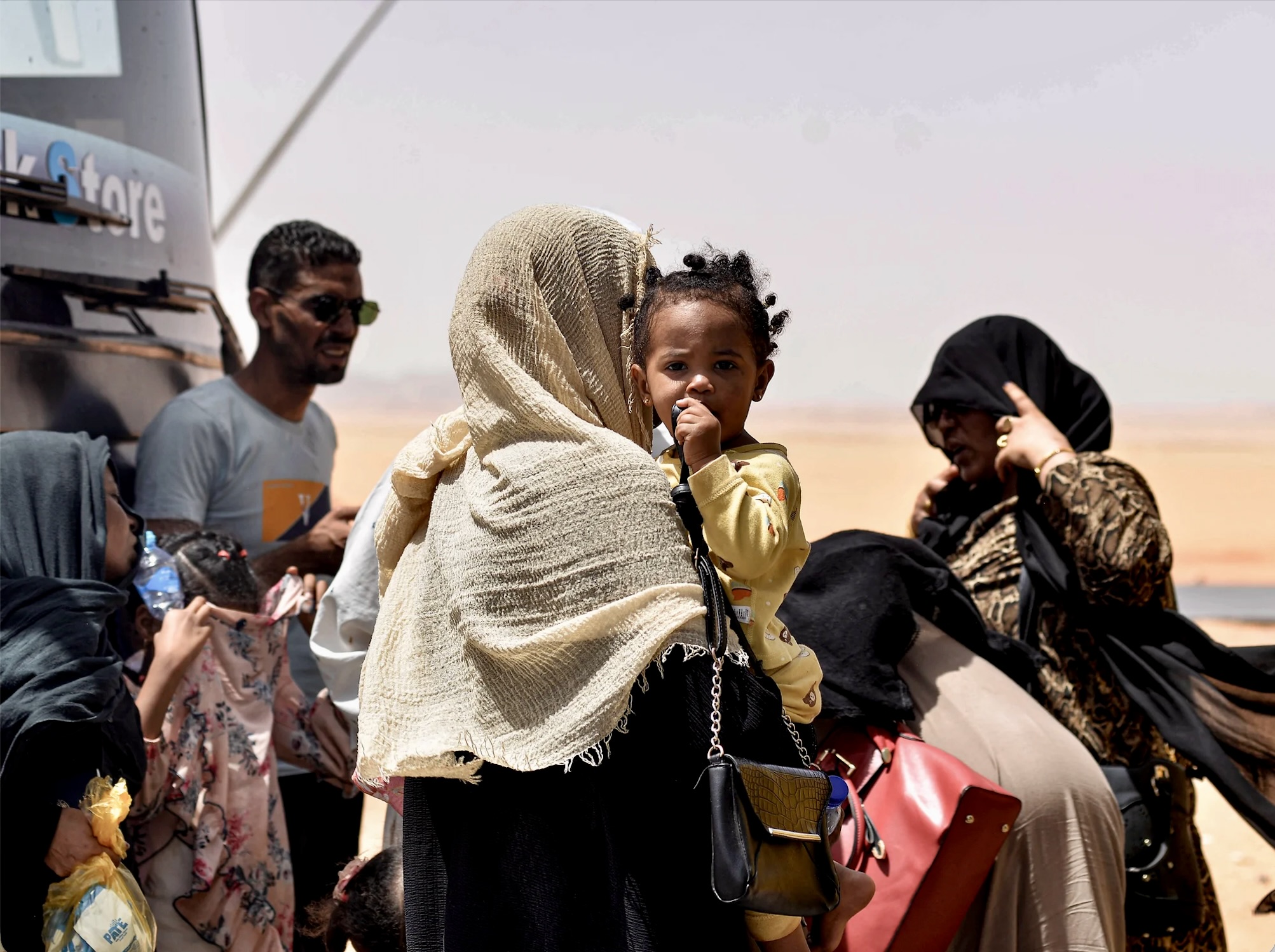
Egypt remains the most crucial destination for Sudanese fleeing the war. Yet for many, the security they initially found there has quickly turned into fear of arrest and deportation.
In July, Human Rights Watch reported that Egyptian authorities had carried out a months-long campaign of arbitrary arrests, detention and deportations targeting refugees and asylum seekers, most of them from Sudan and South Sudan. According to the report, authorities arrested people whose residency permits had expired because of administrative delays, including some who held valid UNHCR documentation.
In June, Reuters reported that more than 5,500 people had been deported from Egypt since November 2025. It also documented the deaths of three Sudanese refugees in Egyptian prisons this year.
The crackdown follows a pattern established early in the war. Amnesty International documented 12 incidents between January and March 2024 of Egyptian authorities deporting an estimated 800 Sudanese nationals without giving them an opportunity to claim asylum or challenge their repatriation. Amnesty also recorded mass arbitrary arrests of Sudanese who had entered or remained in Egypt irregularly. Women, children and men were held in harsh conditions before being forcibly returned to Sudan.
These arrests, detentions, and deportations result in a contradictory reality for Sudanese in Egypt: they may find solidarity within Egyptian communities while simultaneously living in constant fear of immigration enforcement.
In early August of this year, this contradiction became particularly evident in a dispute over healthcare. The Sudanese Embassy in Cairo announced a partnership with Baheya Hospital to provide breast-cancer treatment for Sudanese women. Following criticism and a wave of hostility on social media, Bahya issued a statement saying that claims circulating online about its treatment of non-Egyptian patients were inaccurate.
The hospital stressed that it treats non-Egyptian women under cooperation protocols with embassies and other bodies that cover the costs of treatment. Baheya Hospital also stressed that all received donations go to Egyptian women who cannot afford treatment, while care for foreign nationals is funded through separate arrangements.
Nevertheless, the controversy fed a wider online debate over the presence of Sudanese people in Egypt, at a time when many are already anxious about detention and deportation.

Guests vs refugees
In conversation with Ayin, Egyptian journalist Khalid Mahmoud offered a very different picture of relations between the two communities. “Sudanese in Egypt are not refugees; they are our guests due to their circumstances, both official and social,” he said. “In the mosque next to my home, dozens of Sudanese pray with us, and their relationship with people around them is good.”
Mahmoud acknowledged that hostile attitudes exist but said they should not be mistaken for the position of Egyptian society as a whole. “In every people or society, there are always other voices, and there is nothing wrong with that,” he added. “It is obvious that targeting the relationship between the two peoples through smear campaigns serves the interests of the two countries, which remain fundamentally intertwined.”
Mahmoud’s comments point to another dimension of the debate on Sudanese refugees in Egypt. Hostile rhetoric on social media does not necessarily reflect the attitudes of ordinary Egyptians, many of whom continue to live alongside Sudanese families and communities. At the same time, goodwill cannot erase the experiences of refugees facing arrest, detention or deportation.
Libya: Detention, expulsions and hostility
Libya has also become an important destination for Sudanese fleeing the war, but its fragmented security landscape leaves refugees exposed not only to government authorities but also to armed groups and anti-migrant sentiments.
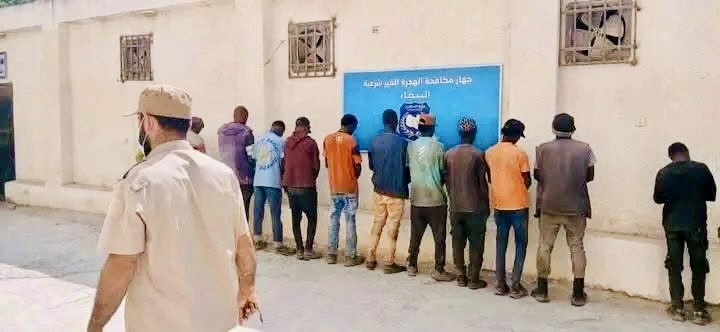
In July, Human Rights Watch said that Libyan authorities had pursued a campaign of mass detention and expulsion of migrants, asylum seekers and refugees, in line with increasingly inflammatory anti-migrant rhetoric.
Amnesty International reported in June that Libya’s eastern-based authorities said 7,000 to 8,000 migrants were being held pending expulsion and that around 4,500 foreign nationals, including Sudanese, had been arrested since May. In western Libya, authorities reported expelling more than 800 migrants, among them Sudanese nationals, through Mitiga Airport since early May.
The figures convey the scale of the crackdown, while individual stories reveal how insecurity extends beyond formal detention.
A Sudanese journalist living in Libya, who uses the pseudonym Salem Sabri for security reasons, told Ayin that he and his family have effectively confined themselves to their apartment. Sabri said he rarely leaves home except at night and only when absolutely necessary. His children have stopped attending school and no longer play outside as they once did. The family spends most of its time indoors, trying to avoid encounters with security forces or hostile members of the public.
According to Sabri, security vehicles and armed groups affiliated with government authorities patrol the neighbourhoods in search of foreigners. “The situation became so tense that I avoided leaving home, even to attend Friday prayers,” he said. What concerns him most, however, is that hostility no longer comes only from official institutions. Sabri described incidents in which people insulted, harassed and attacked Sudanese refugees in public spaces. In some cases, he said, children threw stones at Sudanese refugees and demanded that they leave Libya. The result is a form of informal confinement. Refugees may not be physically detained, but fear restricts their movement, education, employment and ability to take part in ordinary life.
A narrowing regional refuge
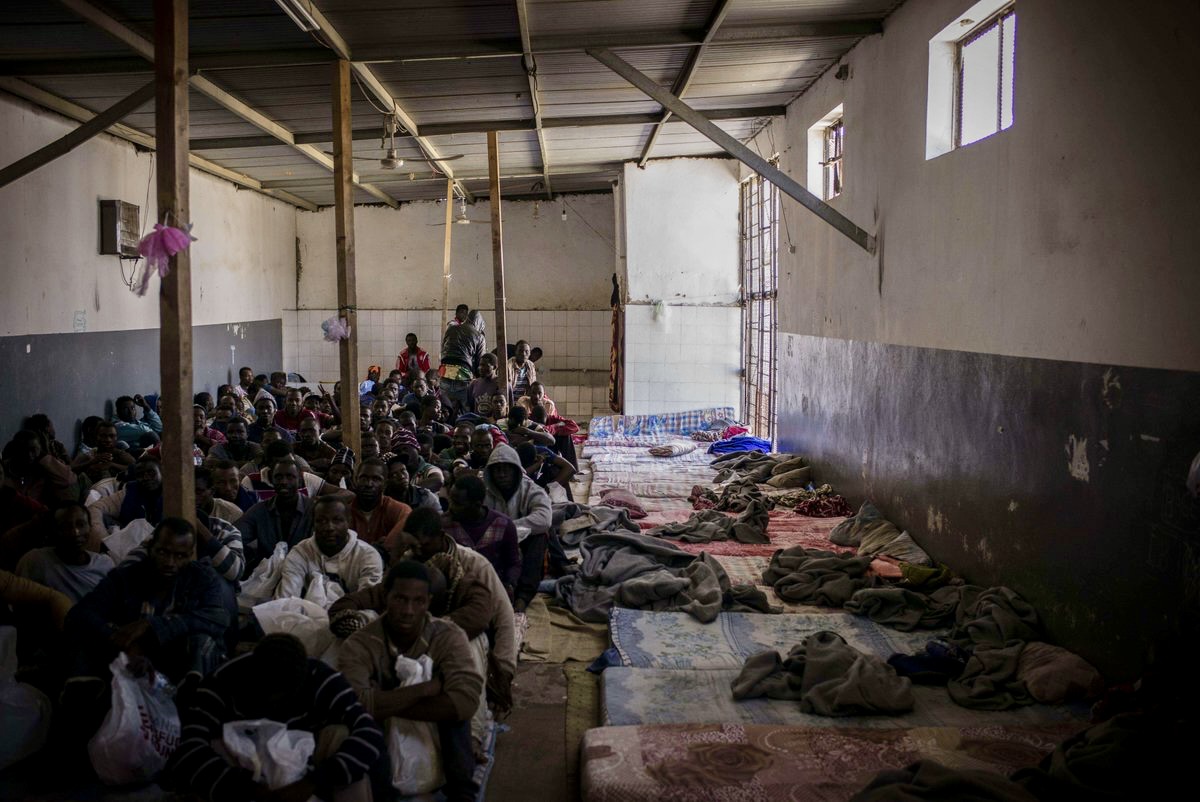
The pressure extends beyond Egypt and Libya. Across the region, Sudanese refugees and their families increasingly encounter administrative barriers that make movement and family reunification ever more difficult.
In Nigeria, a source told Ayin that authorities had suspended visa issuance for Sudanese nationals, without any public explanation or indication of when the policy might be reversed.
In the United Arab Emirates, several travel agencies told Ayin that Sudanese seeking to bring relatives into the country are increasingly relying on family-visit visas. These applications generally require proof of family relationship, a sponsor who meets salary requirements, documentation of accommodation, and bank statements. The agencies said ordinary visit-visa applications from Sudanese nationals face a high rejection rate, though some applicants have had better luck through Dubai’s separate immigration system.
For Sudanese families separated by the war, bureaucratic barriers can have serious consequences. A rejected visa may mean that parents cannot get their children or relatives out of Sudan, leaving those already displaced separated from their families.
Sudanese migrants also complain about Kenya, another key destination for Sudanese professionals, civil-society actors and refugees. Members of Sudan’s Emergency Response Rooms (ERR), based in Uganda, told Ayin that they were verbally harassed by Kenyan border officials while travelling to Kenya for meetings. One officer allegedly told them, “If your government is attacking us, why are you guys coming to us?”
The travellers also alleged that border officials demanded payment for visas, even though Sudanese nationals are entitled to a one-month visa on arrival. They also said officials rejected their yellow fever certificates and demanded that they purchase a separate card costing around KSH 2,500 (about $20). They further alleged that bus drivers sometimes point out Sudanese passengers to border officials, which leads to lengthy questioning that can cause travellers to miss their buses and have to buy new tickets.
Security abroad?
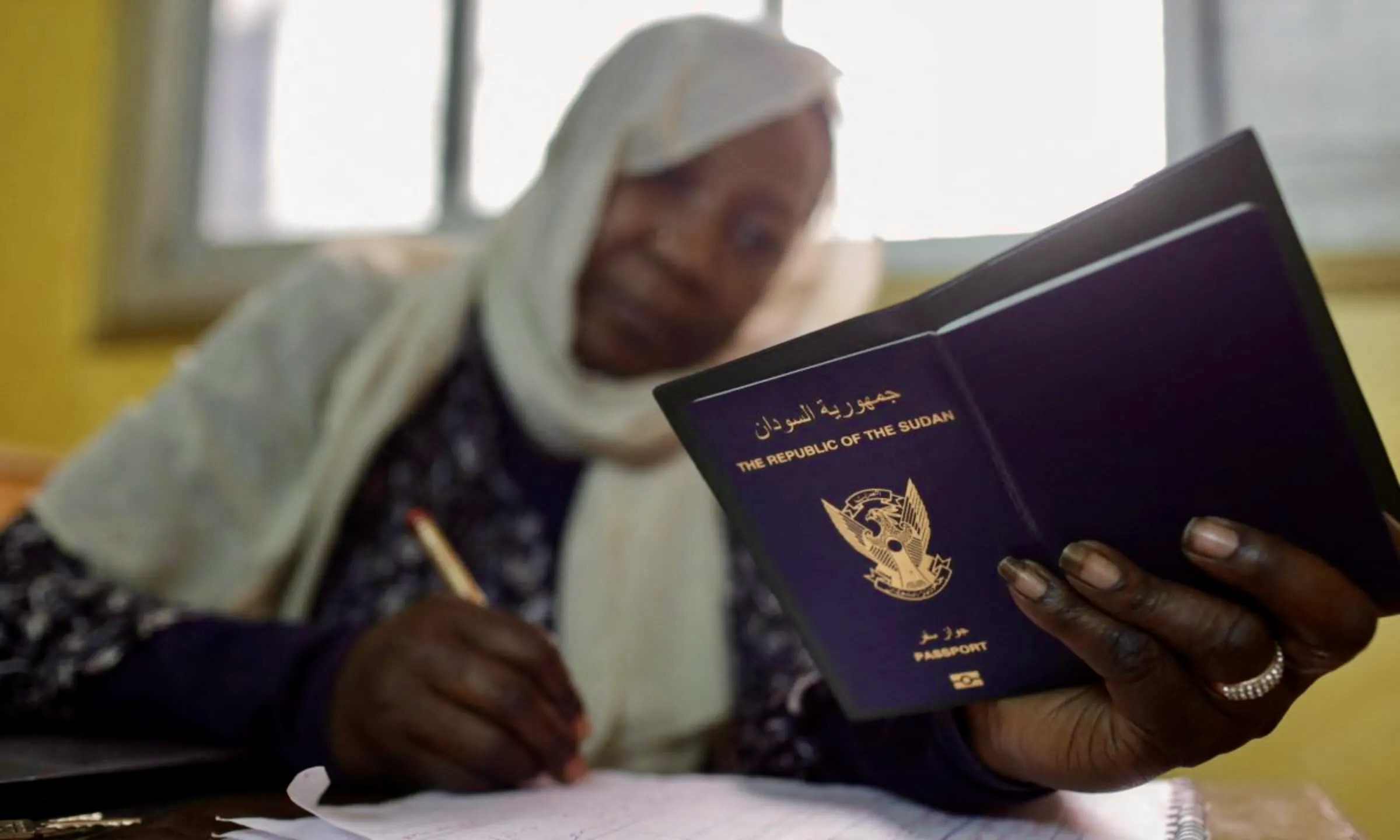
The war has displaced millions inside Sudan and driven millions more across its borders. But crossing an international border does not automatically end the crisis. Refugees increasingly face a second layer of vulnerability: legal uncertainty, detention, deportation, restricted movement, hostile rhetoric and barriers to basic services.
For Sudanese refugees, danger is becoming increasingly more haunting. It follows them from the border crossing to the detention centre, from the visa office to the hospital and, increasingly, into every aspect of their daily lives. The central question is no longer simply where Sudanese can escape the war. It is where they can remain safe once doing so.