






Local heroes: Residents from Bashagra East remember the day fishermen saved the town
20 July 2026
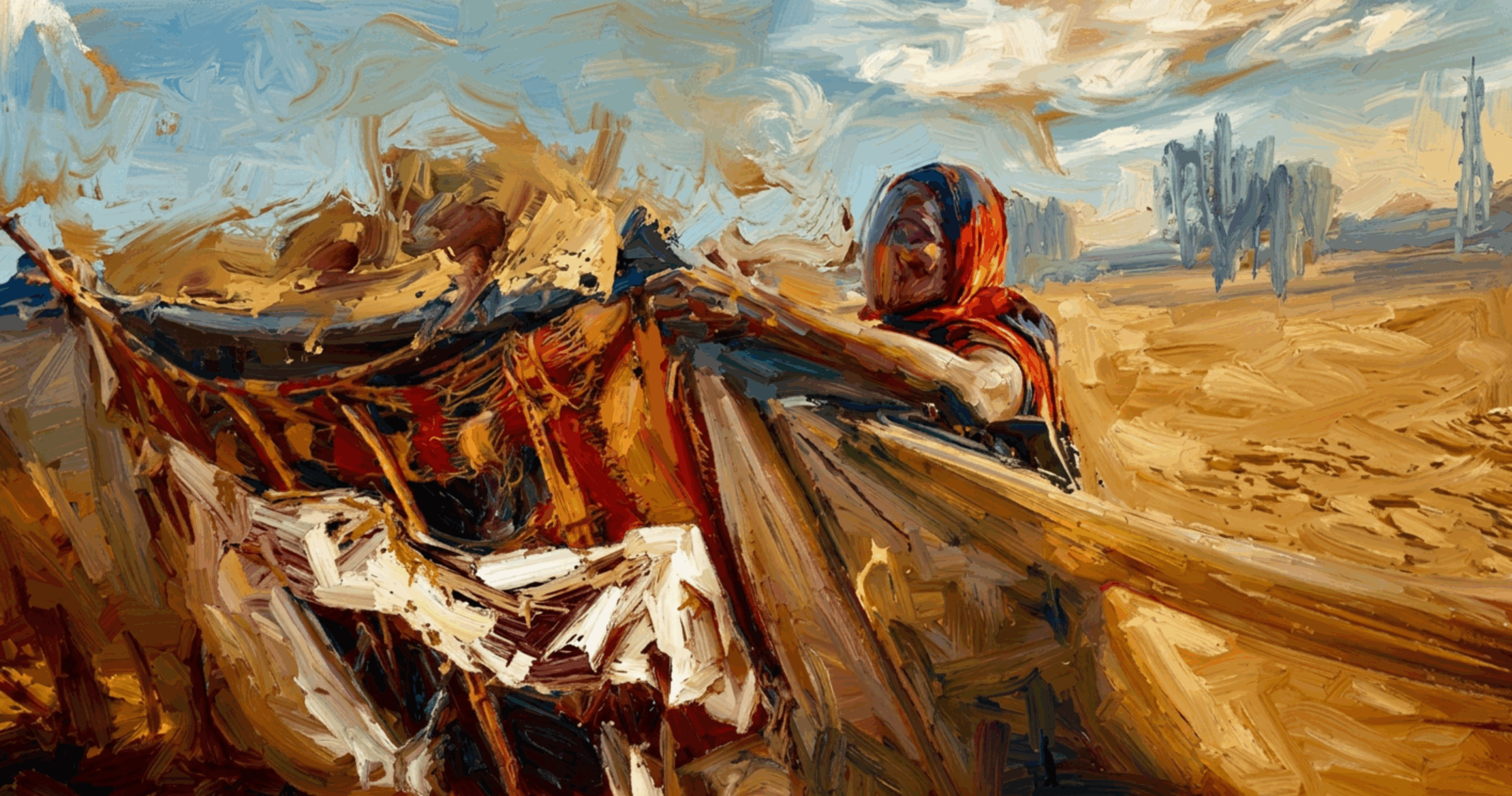
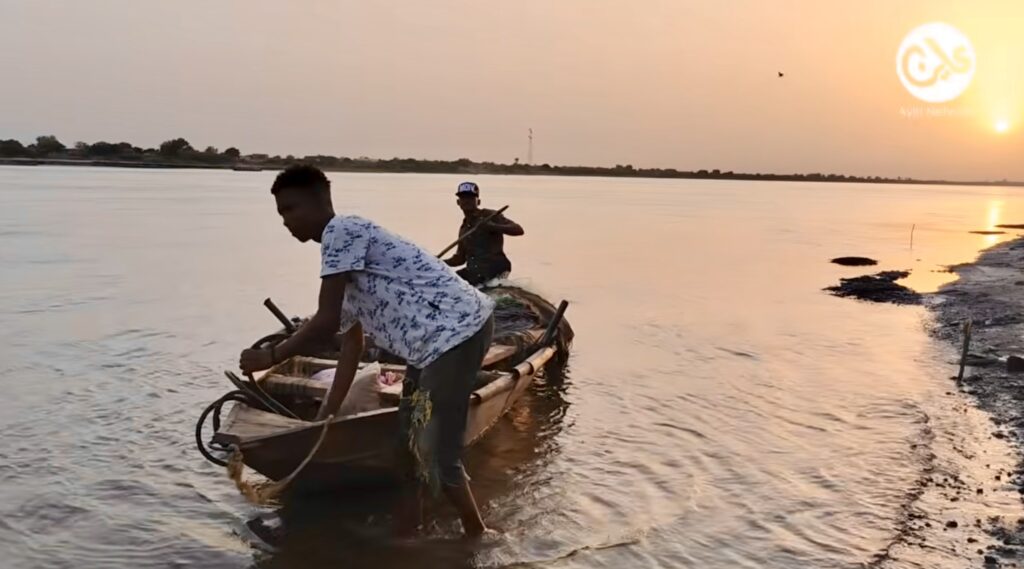
For an outsider, the simple fishing boats along the Blue Nile in Bashagra East, Al-Jazeera State, may seem unimpressive. But for the residents of Bashagra East, these fishing boats are lifesavers. On board a fishing boat, Abdelmutaal Osman and others rescued countless residents of the town during the attacks of the Rapid Support Forces (RSF) in 2024.
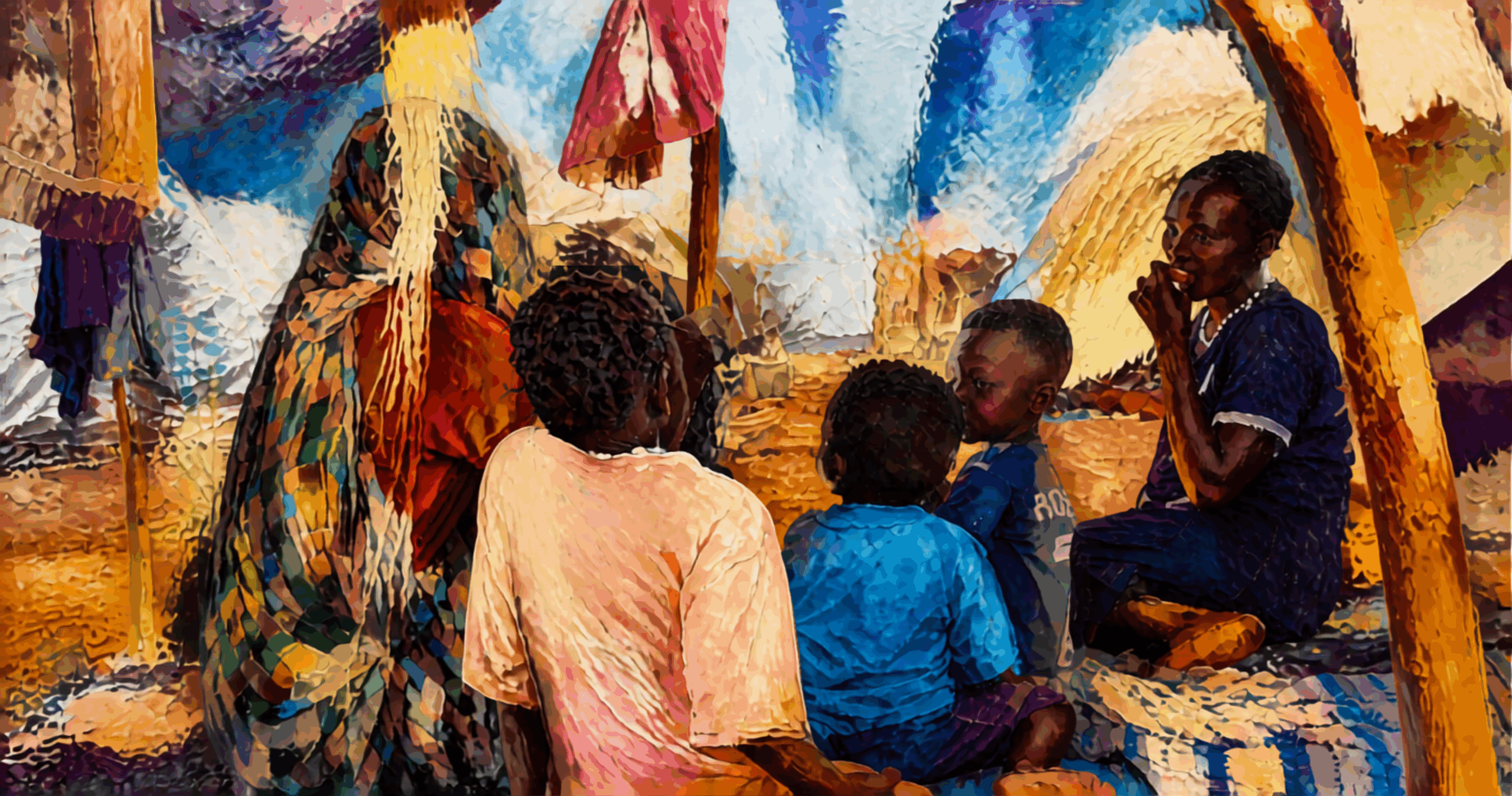
In late October and November 2024, the RSF raided several villages in eastern Al-Jazeera State, including Bashagra East, inducing a mass exodus of the villagers. For many, the only way to escape targeting was to cross the torrential waters in the Blue Nile. It is here that local fishermen, using simple boats, helped dozens of residents cross the Nile to the Al-Takina area.
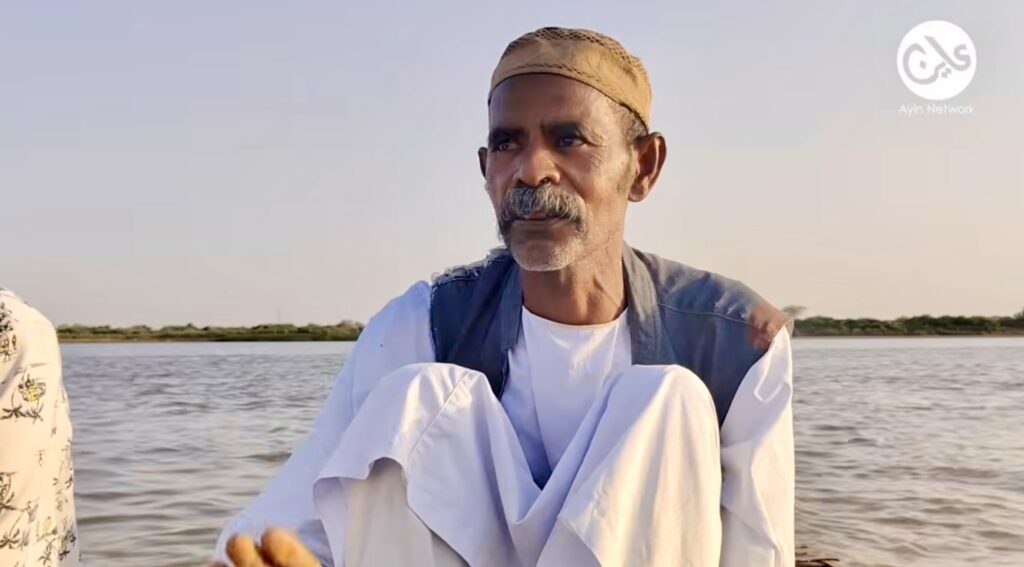
“After the Rapid Support Forces entered the town of Al-Bashaqra East, I began transporting residents to the other side for free because I knew the horrors and tragedies they had endured, and I saw the women weeping in terror and fear for their families and children,” said local fisherman Abdelmutaal Osman. The most harrowing moment, Abdulmutaal recalls, was after one RSF soldier started shooting at his boat full of local residents. Rowing frantically in his simple wooden boat, one bullet left a hole in the side.
The elderly fisherman recalls how the RSF looted their town and tormented the local residents. Saving others, especially women and children, seemed like the only way to fight back against the invaders. “When we became fed up with the Rapid Support Forces’ violations, I had to transport and rescue people with my boat. At first, we were about 17 boats, but after the violations increased, the number of volunteer fishermen doubled to 40 to help transport the people to a safe place.”
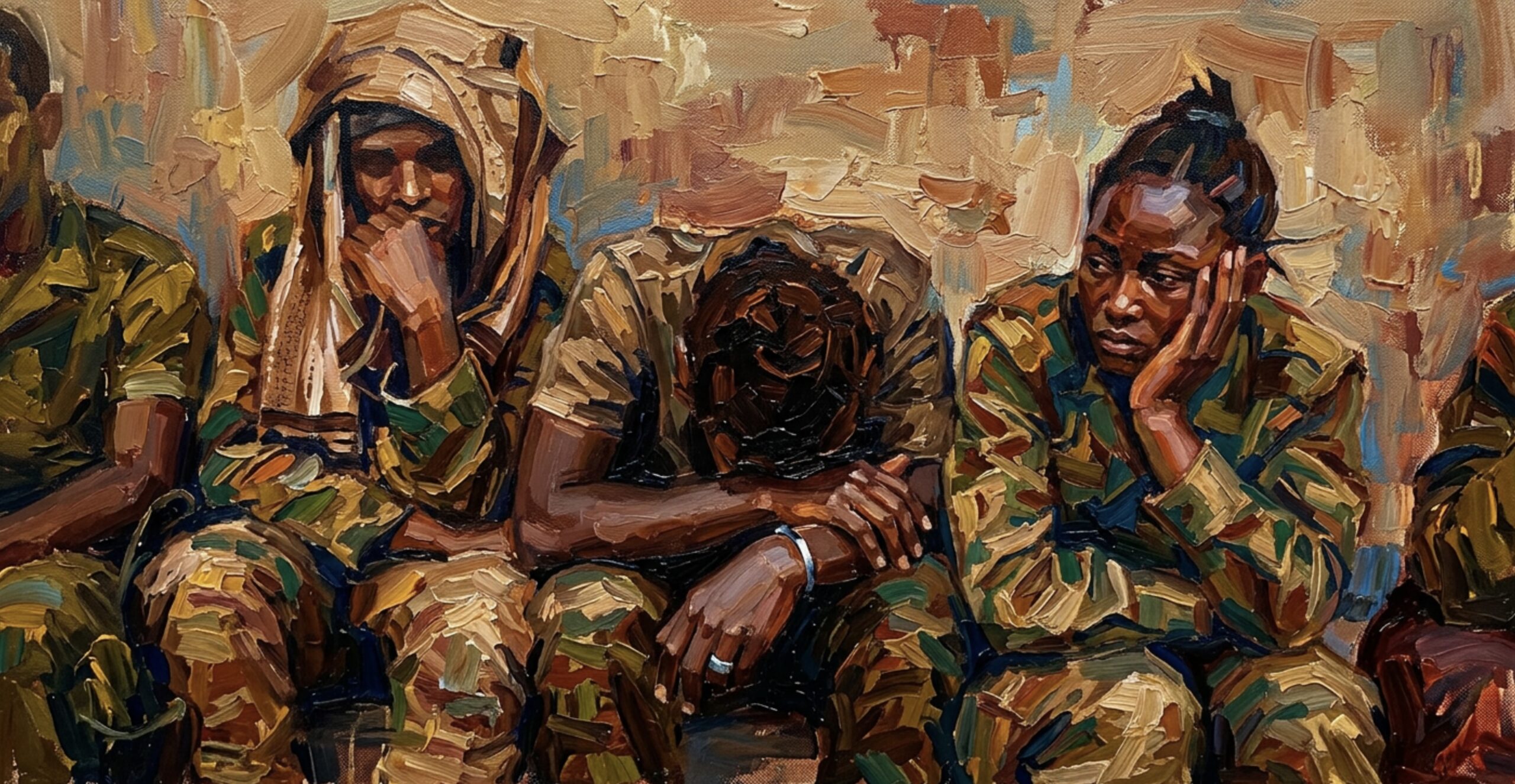
Another fisherman, Abdul Raouf, says he still suffers from panic attacks when he remembers the RSF assault on the town. “When I remember what the Rapid Support Forces did to us, my body trembles with fear. They put weapons to our heads and threatened us, but we escaped death.”
Forced to flee
Amin Mohamed Siddiq, a resident of Al-Bashaqra East, says he can remember the RSF attack against his village as if it happened yesterday. “They interrogated us, asking about gold, money, and cars.” If you had nothing to give them, you were beaten, Amin added. “They left and came back the next day and beat me. They brought my relatives to the same place and assaulted us collectively until we nearly lost consciousness.”
The final straw for Amin and his family was after an RSF soldier insisted he wanted to marry a young woman from the village. “At that time, her father told them that she was already engaged, but they would not accept this narrative.” The RSF called on the girl’s mother, who told them she would find a legal official to process the marriage in the morning, Amin said. “At the dawn the next day, we smuggled the young girl and her family out of the town, crossing the Nile to escape.”
A return to nothing
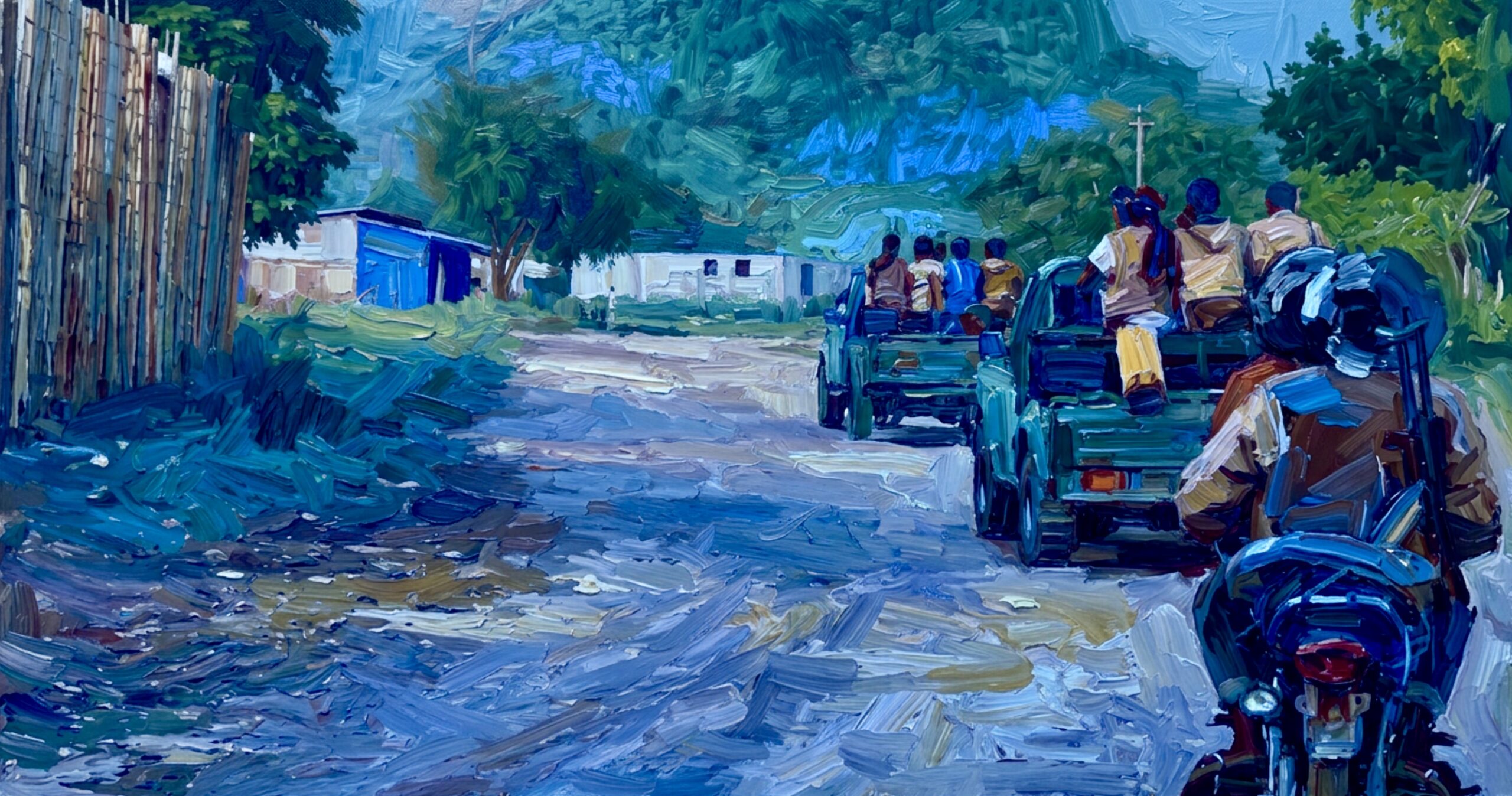
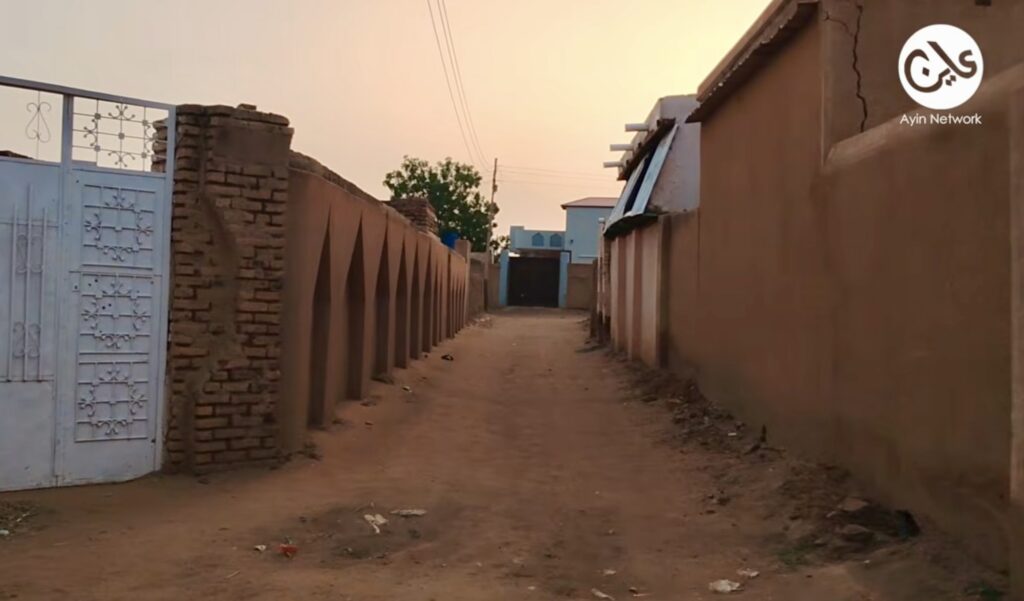
In January 2025, the army recaptured Bashagra East. Former residents gradually returned to their homes. But, according to local residents, the streets of Bashagra East were no longer the same after the RSF attack. Bullet-ridden and empty, locals who returned said they hardly recognised their homes. According to local resident Al-Hajj Abdul Rahman, everyone had to start from scratch in Bashagra. “After returning, we faced difficulties in life and livelihood. We worked on restoring the water supply and operating the stations, as well as the bakeries,” Al-Hajj said. Local communities have tried to negotiate with the teachers to revive the schools. Local residents are looking for a way to restore electricity to the town. People had relied on solar energy as an alternative but the cost remains too high for most families, says local resident Amin Muhammed
Abdulaziz Awadalla remembers returning to Bashagra East for the first time and seeing his shop. “We returned to Bashagra, and we found the conditions difficult. I found my shop empty, and it had goods worth eighty million pounds (roughly $16,000). While there is a certain level of security and stability with the return of the army, Abdul-Aziz says, residents still feel uneasy. “Children, especially, feel panicked if they hear a loud noise.”
Despite this, Abdelrahm Al-Gasim, another Bashagra shopkeeper, describes returning home as a beautiful experience, especially after suffering displacement and facing the high costs of rent and living in exile. “We have reunited as families after being scattered in different cities,” he told Ayin. “The people of Bashagra have united and risen up. They went through all these difficult circumstances, such as the absence or separation from loved ones – but they were able to endure all of this and emerge from them despite the difficulties.”