


“Hoisted by his own petard” – the story of Musa Hilal and Misteriya
3 March2026
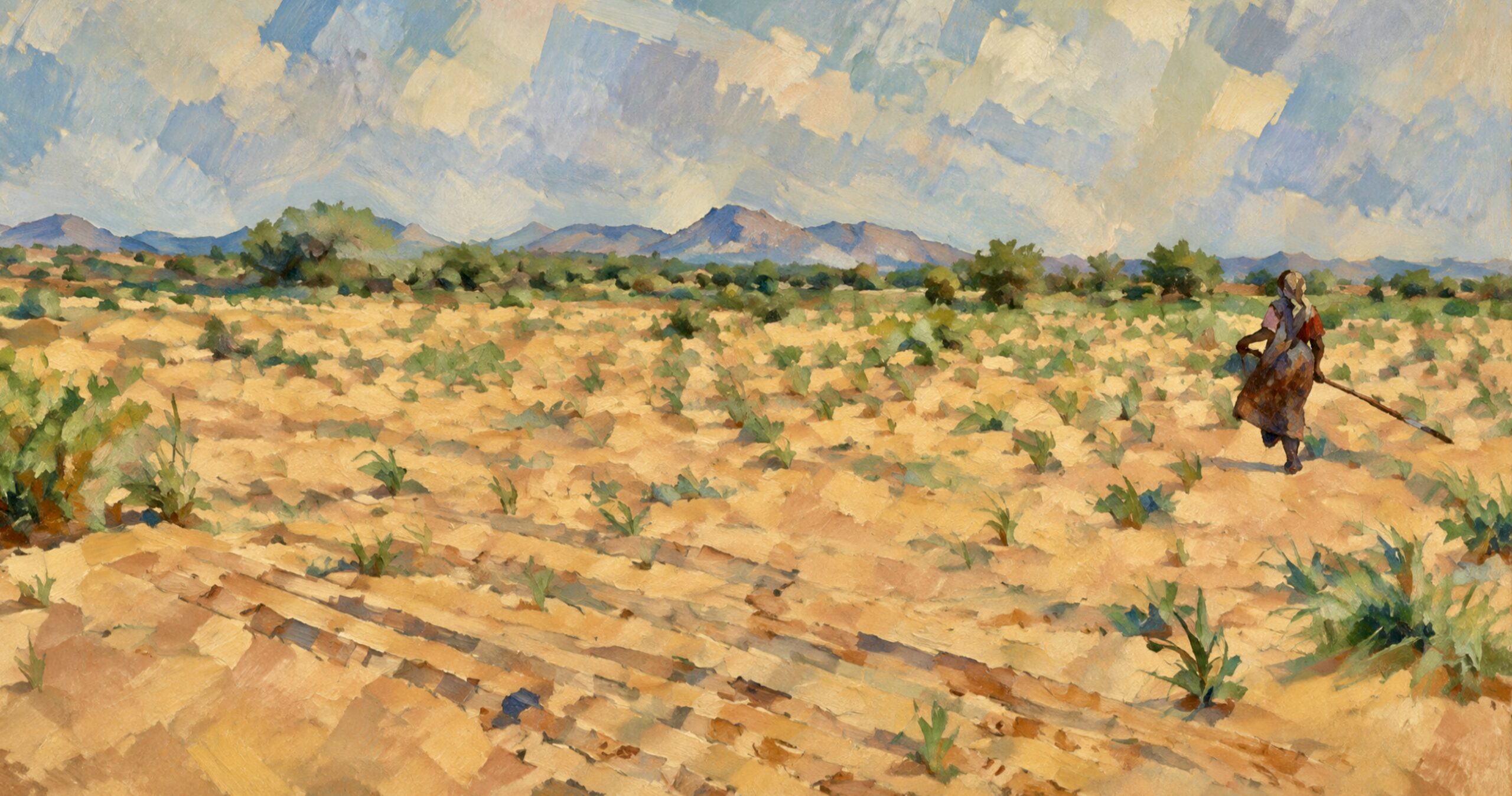
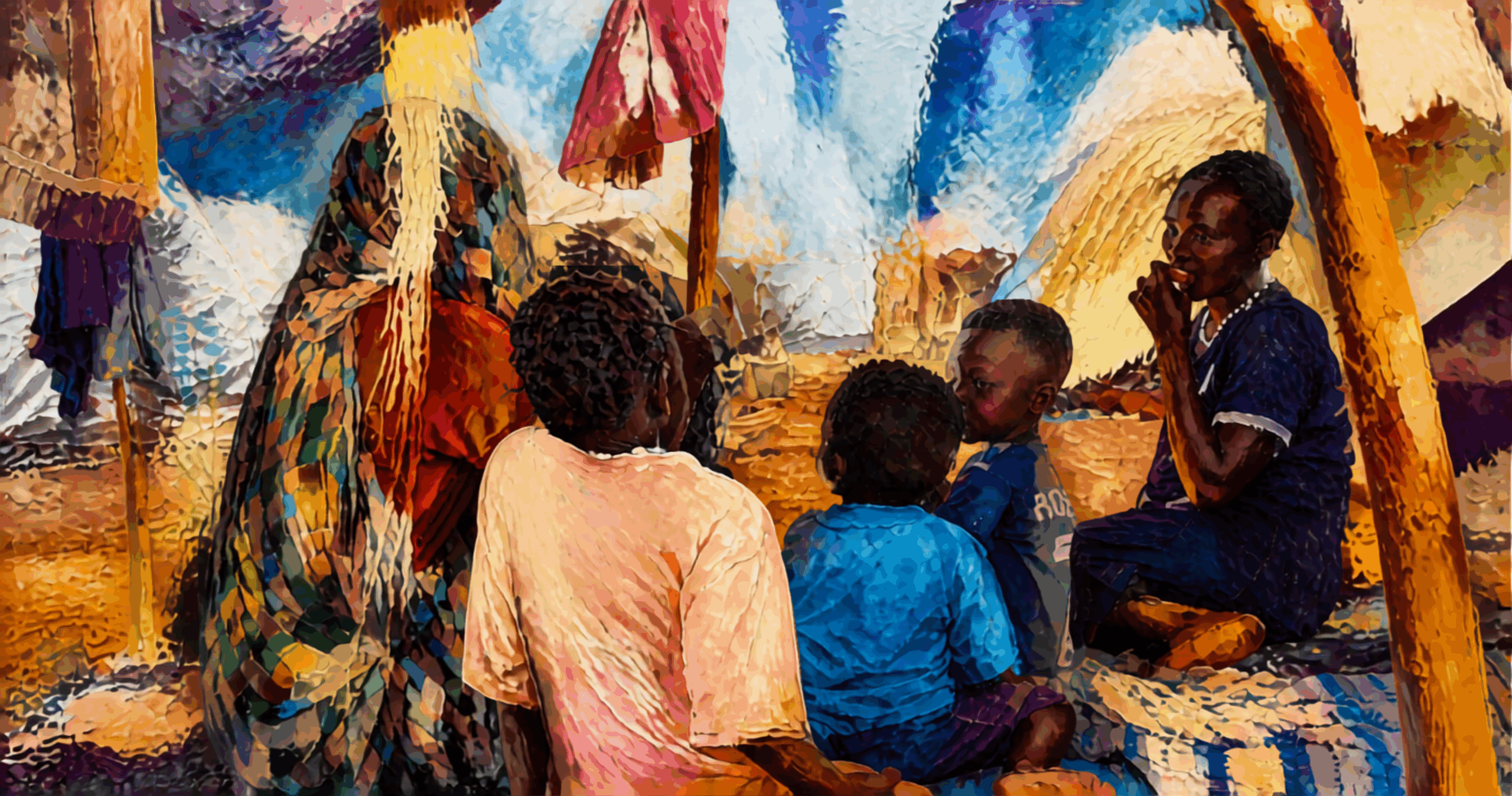
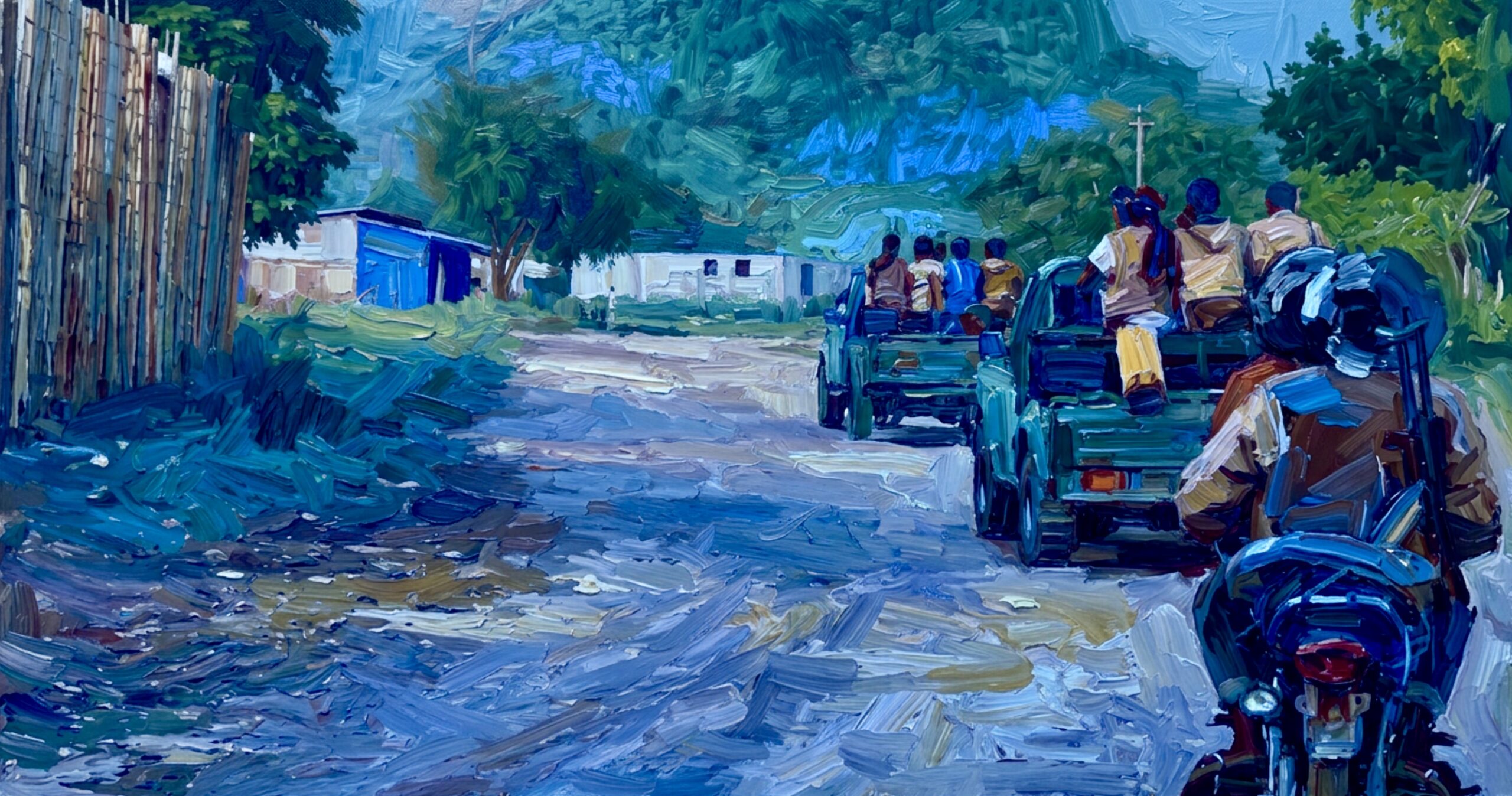
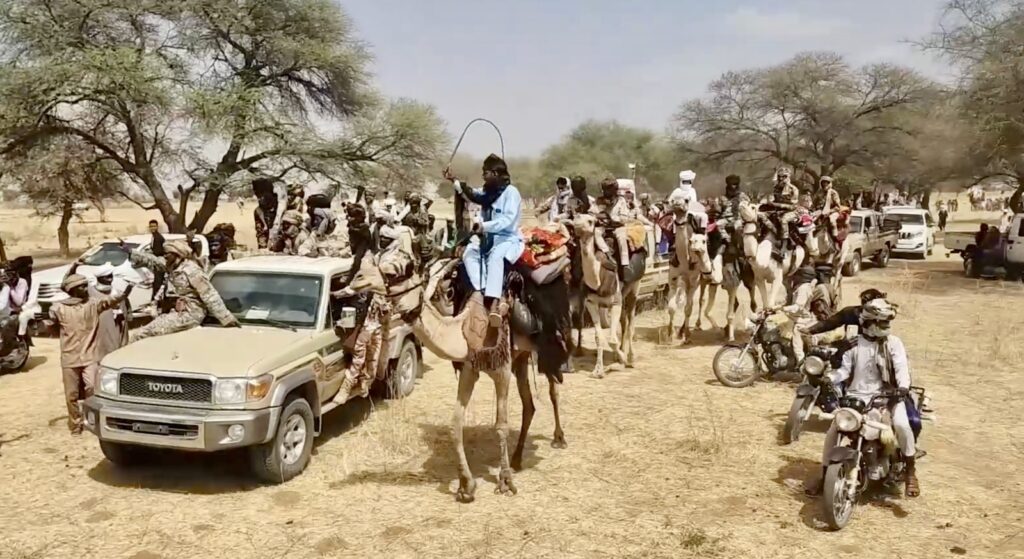
Last week, the paramilitary Rapid Support Forces (RSF) raided Misteriya, a town in the Kebkabiya locality in North Darfur State that many claim is the RSF’s “birthplace”. On 23 February the RSF stormed Misteriya from multiple directions, displacing as many as 3,000 people, the Sudan Doctors Network reported. The attack killed at least 28 people, including 10 women. This ground invasion followed targeted drone strikes on the town the previous evening, which destroyed Misteriya’s only health centre, a guesthouse, and a Ramadan Iftar gathering hosted by the town’s tribal chief, Musa Hilal. The heightened insecurity led to further displacement of another 815 people a few days later, the UN reported.
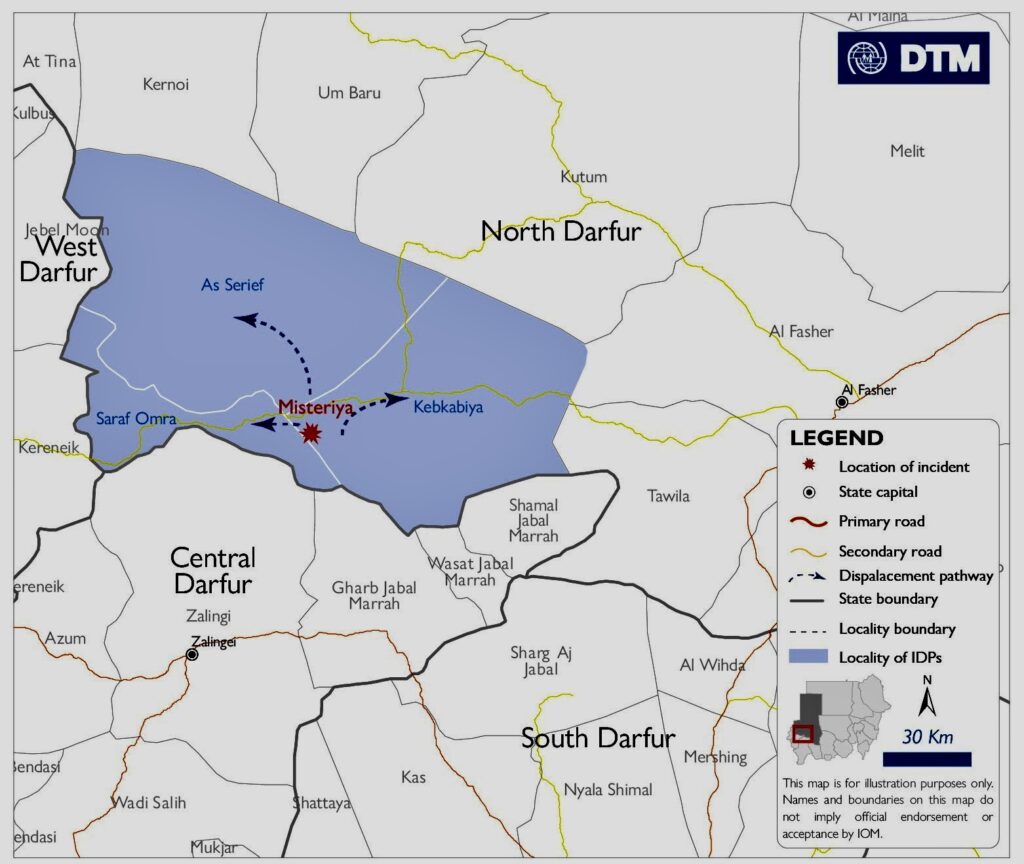
Until recently, the ongoing conflict in Sudan did not significantly affect Misteriya, despite its residents living in constant fear due to Hilal’s presence. The town is the primary center for the Mahameed clan of the Rizeigat tribe, which is the same ethnic group that leads and constitutes a significant portion of the Rapid Support Forces (RSF). Hilal led the “Janjaweed”—precursors to the RSF—in attacks against Darfur rebel groups in 2003. He is also cousins with the RSF leader, Mohamed Hamdan Dagalo, or “Hemedti”.
Given these credentials, most people would not suspect the RSF would raid their community, let alone target their own relative. But for over two decades, tribal leader Musa Hilal has been a controversial focal point of the Darfur conflict. Once a feared architect of the Janjaweed militias, the very weapon he helped forge has eclipsed his stardom.
Musa Hilal
Born in 1961 in Misteriya, Hilal ascended to lead the Mahamid Arab tribe. Though affiliated with the Sudanese Umma Party, he did not dominate the Darfurian scene until the 2003 war between the government and armed Darfur rebel movements. At the time, Hilal was serving a prison sentence in Port Sudan due to a verbal altercation with the then Vice-President, Al-Zubair Muhammad Salih. The government released him on the condition that he mobilised his tribesmen to fight alongside the armed forces. The “Janjaweed” (literally, armed men on horseback) was born.
“From 1989 until the mid-1990s, the regime worked to empower and support Arab pastoralist groups in Darfur,” explains journalist Alaa El-Din Babiker. “Musa Hilal was one of the beneficiaries of the new shift.”
In 2003, Hilal fiercely fought the Darfur rebel movements under Janjaweed, earning the moniker “The Light and the Scary”. Hilal also formed the Border Guards, which, as Babiker notes, operated with a unique structure. “The Border Guards were completely different from the Rapid Support Forces in their formation and organisation,” he explains. “They did not have a central command in Darfur, and any mobile force had a separate command, provided that all forces were under the supervision of an administration headed by the former Minister of Defence, Awad Ibn Auf, who was the one who founded this armed formation.”
Hilal’s brutal tactics left a dark legacy. “There are testimonies from witnesses and survivors from northwest Darfur, from the Kabkabiya and Saraf Omra areas, confirming that Musa Hilal led attacks in those areas, taking control and burning villages and other operations in the criminal records, yet he is not on the list of those wanted by the International Criminal Court,” says lawyer Abdel Basset Al-Hajj, who follows Darfur cases at the International Criminal Court (ICC).
From Janjaweed to RSF
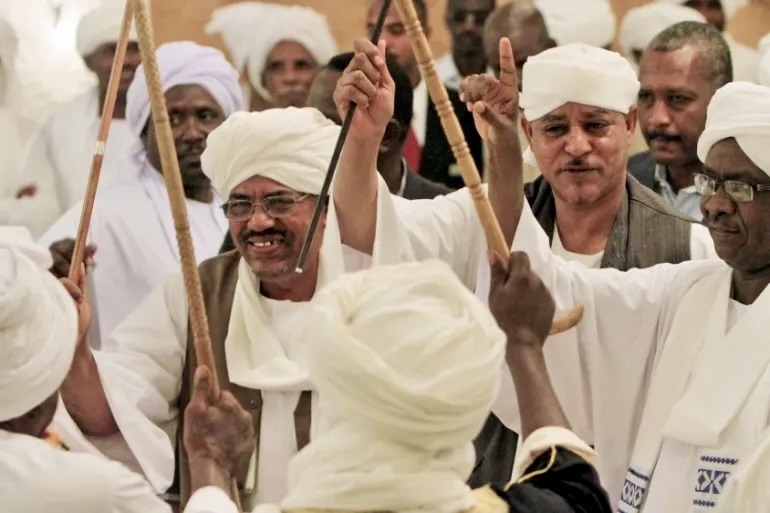
However, Hilal’s utility to the government was finite. By 2013, the RSF was established, and Hilal’s star had begun to fade in favour of his successor, Hemedti. “At one point, the Sudanese army felt that Musa Hilal had exhausted his purposes and was no longer the right person for the post-2008 period,” Al-Hajj said.
To placate Hilal, Omar al-Bashir’s regime appointed him as an advisor to the government. Feeling marginalised and stripped of true authority, an angry Hilal retreated to Darfur, where he founded the Revolutionary Awakening Council and openly rebelled against Khartoum. In 2017, after Hilal refused to surrender his weapons during a disarmament campaign, Hemedti’s RSF stormed Misteriya. Hilal was arrested and imprisoned in Khartoum until the December Revolution overthrew Bashir in 2019.
Following his release, Hilal briefly made peace with Hemedti. According to a source close to Hilal who spoke with Ayin, the Rapid Support Forces (RSF) evacuated Musa Hilal’s home in the Mujahideen neighbourhood of Khartoum to Darfur in the early days of the war after informing him of plans to assassinate him.
A turning point
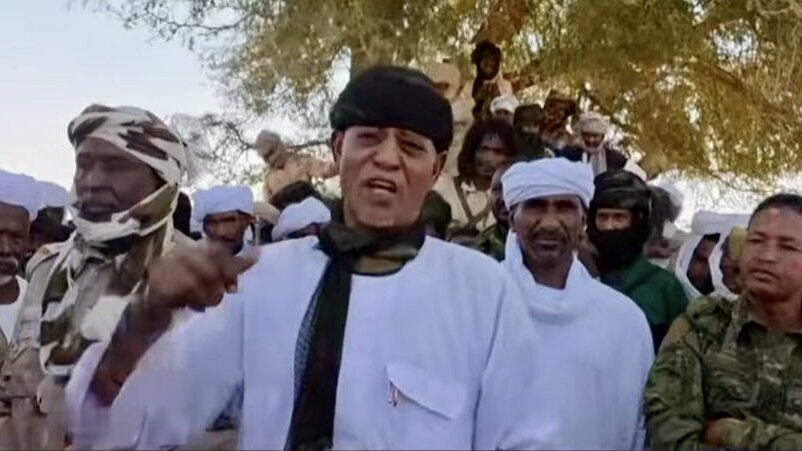
Hilal initially remained neutral. However, tensions flared following the assassination of an RSF advisor, Hamid Ali Abubakar, via a January drone strike in the Al-Fidous area of Central Darfur State. The RSF blamed the attack on Hilal’s son, Fathi, who vehemently denied providing the coordinates to the army.
Speaking from Misteriya, Hilal claimed the assassination was an internal RSF purge and warned his followers that the RSF was attempting to incite a tribal civil war. He predicted correctly that rival factions within his tribe were plotting a direct military assault on his stronghold. A source close to Hilal confirmed to Ayin that some of Hilal’s own men took part in the February 23 raid on Misteriha. The attack reportedly injured one of Hilal’s sons.
According to political analyst Mahmoud Torshin, the RSF attack on Misteriya was a violent settling of scores. Torshin predicts that this confrontation will likely push Hilal’s Revolutionary Awakening Council to officially join forces with the Sudanese army, providing the military with a crucial local ally while deepening the region’s social rifts. Torshin adds that the assault on Mustariha sends a stark warning to other neutral factions in Darfur—such as Abdul Wahid Mohamed Nour’s Sudan Liberation Army—signalling that the RSF intends to impose a new, volatile reality across the region in the coming period.