

Sudan’s peace mechanism faces boycotts and allegations of bias
10 August 2026
Sudan’s diplomatic efforts are encountering resistance as major political forces boycott the five-member mediation mechanism, the “Quintet”—comprising the United Nations, African Union, European Union, Intergovernmental Authority on Development (IGAD), and the League of Arab States. Designed to shepherd Sudan from consultations to an active political transition, the mechanism now faces allegations of abandoning its neutrality in favour of the military authority led by Lieutenant General Abdel Fattah al-Burhan.
A breakdown in neutrality
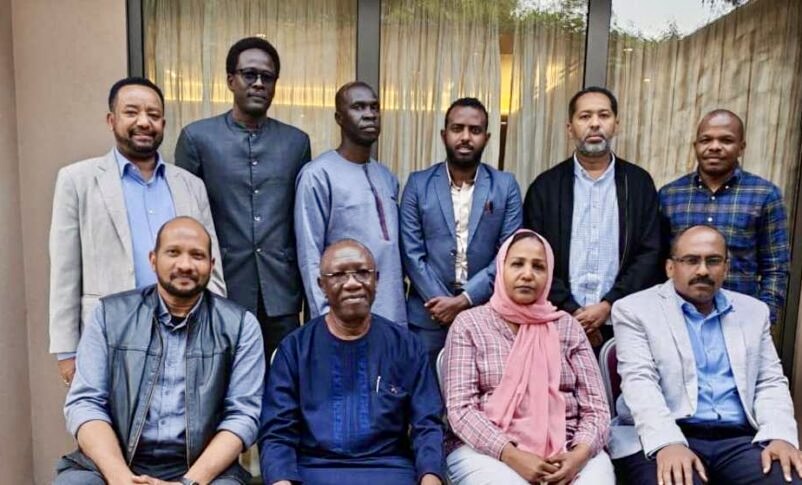
In July, the Quintet met with Sudanese forces from the “Somoud” (“Resilience”) alliance, the Democratic Bloc, and “Ta’sis” (“Foundation”), as well as parties and forces outside these alliances. After these meetings, the parties and quintet agreed to form a preparatory committee to discuss the design of a political process, the agenda, and the participating parties. This consensus broke at the latest quintet meeting last week, however, when groups accused the mechanism of reneging on previous agreements by inviting military-aligned figures and elements of the former regime.
“The five-member mechanism is no longer a neutral and independent party in the Sudanese crisis,” says Muhammad Abdul-Hakim, the spokesperson for the Federal Gathering Party. Abdul Hakim, whose party is part of the Somoud coalition, claims the Quintet remains too close to remnants of the former regime and the army leadership.
“The deviation of the five-party mechanism is evident, and its efforts to flood the political process with figures and alliances that take orders from the army are clear and have broad effects on the efforts to design the political process, which undermines the ability and effectiveness of this mechanism in helping the Sudanese to end their wars.”
The boycott comes amid reports of regional manoeuvring aimed at maintaining military governance. According to one political source requesting anonymity, an influential regional state involved in the war has approached some parties with a proposal that would provide governance roles to civilian actors in exchange for Burhan taking the presidency.
Diplomatic divisions
Efforts to end the war began with the first Jeddah meetings in May 2023, followed by the second Jeddah meetings in October 2023, then the Manama meetings in January 2024, the first Geneva meetings in June 2024, the second Geneva meetings in August 2024, and finally the Quartet meetings in Washington in October 2025.
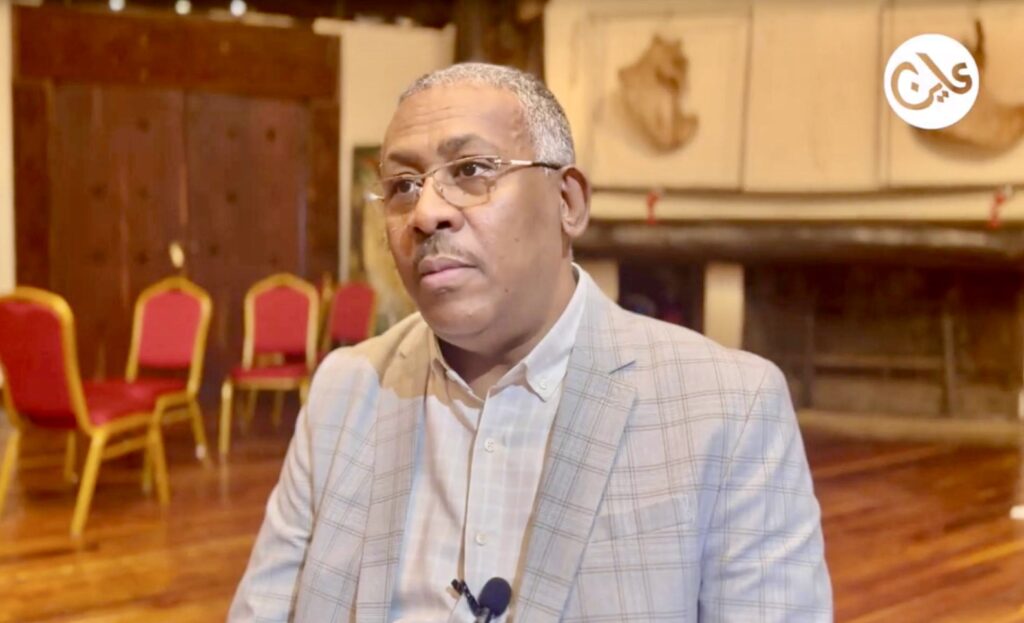
Babiker Faisal, a leader in the “Somoud” alliance, believes that previous meetings resulted in declarations of ceasefire arrangements, a humanitarian truce, and a political process, but all of them faltered due to internal reasons related to the warring parties and external reasons related to the countries sponsoring the negotiations.
Faisal told Ayin that the declaration of the Quartet countries, announced on September 12, 2025, was the most comprehensive and detailed statement on how to proceed with the ceasefire, humanitarian, and political process tracks. “But many obstacles, some of which are related to the differences in positions between the countries that make up the Quartet (America, Saudi Arabia, the UAE, and Egypt) and others related to the warring parties, prevented reaching an agreement.”
He stated that the only external mechanisms available at this time are the Quartet, which is working to reach a humanitarian truce agreement that could be developed into a permanent ceasefire, and the Quintet, which has been tasked with overseeing the political process. He believes the Quartet’s effectiveness depends on its members finding a consensus on problems outside the Sudanese crisis to encompass other regional challenges, whereas the Quintet lacks a coherent vision, with some of its members supportive of one of the warring parties over the other.
Burhan lobbying
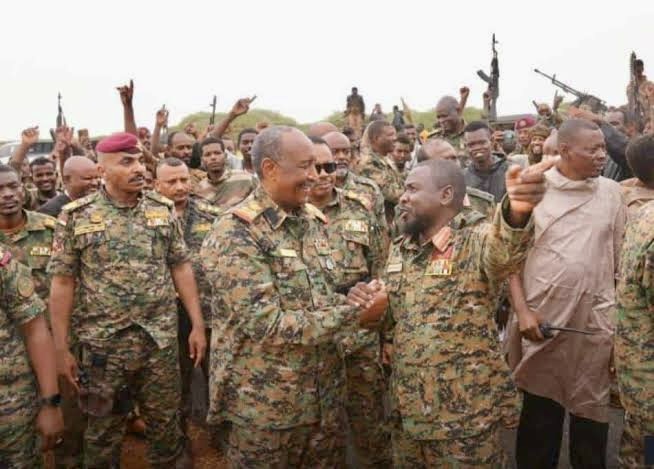
Meanwhile, reports revealed that the army chief, Lieutenant General Abdel Fattah al-Burhan, held a consultative meeting on Sunday with several political forces within Sudan. He discussed with them the possibility of holding an intra-Sudanese dialogue, excluding only the National Congress Party and “Tasi’s”. According to leaks, the army chief agreed to drop the criminal charges filed against some leaders of political forces, specifically the “Somoud” Alliance, as part of creating a conducive environment for the ongoing Sudanese political dialogue.