












Analysis: The Gulf War and its affects on Sudan
12 March 2026
As the conflict between the United States and Israel on one side and Iran on the other continues with few signs of abatement, the military and humanitarian effects on Sudan are becoming apparent. Ayin has interviewed two Sudanese experts, researcher and Executive Director of the Sudan Transparency and Policy Tracker, Dr Suleiman Baldo, and humanitarian expert Mohamed Al-Shabak, to develop a clearer picture of these dynamics.
Dr Suleiman Baldo: How the Gulf war could influence Sudan’s ongoing conflict
The escalating war in the Middle East could reshape the dynamics of Sudan’s ongoing conflict, says Sudan researcher Dr Suleiman Baldo. According to Baldo, the recent Gulf crisis could hamper arm supplies and logistics for the Sudanese Armed Forces (SAF) and Rapid Support Forces (RSF), since Iran supplies the army with weaponry and the United Arab Emirates (UAE) backs the RSF.
The Gulf war and the SAF
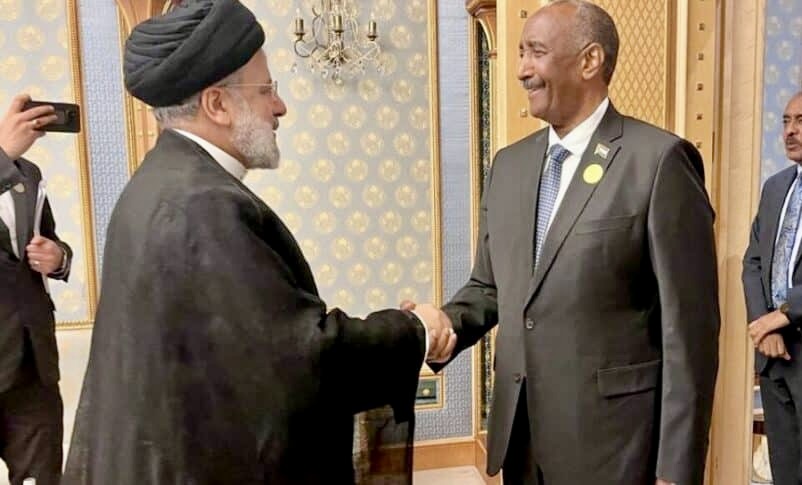
Baldo said Iran was among the first countries to support the Sudanese army after the war erupted, providing advanced drones and other weapons requested by authorities in Port Sudan. However, the new regional conflict could limit Tehran’s ability to maintain that support. At the same time, Sudan faces a diplomatic dilemma: while Iran is an ally and weapons supplier, the Sudanese leadership has longstanding strategic relations with Gulf states, such as Saudi Arabia, Kuwait, and Qatar. Sudan’s army chief, General Abdel Fattah al-Burhan, has publicly expressed solidarity with Gulf states following Iranian missile strikes in the region.
According to Baldo, this balancing act reflects tensions within Sudan’s military leadership, which also relies on Islamist-aligned brigades fighting alongside the army. These factions had previously criticised Burhan, particularly when he engaged in ceasefire negotiations. Baldo suggested the army’s public stance backing Gulf countries while avoiding direct support for Iran reflects diplomatic pressure rather than a fundamental shift in alliances.
The Gulf war and the RSF
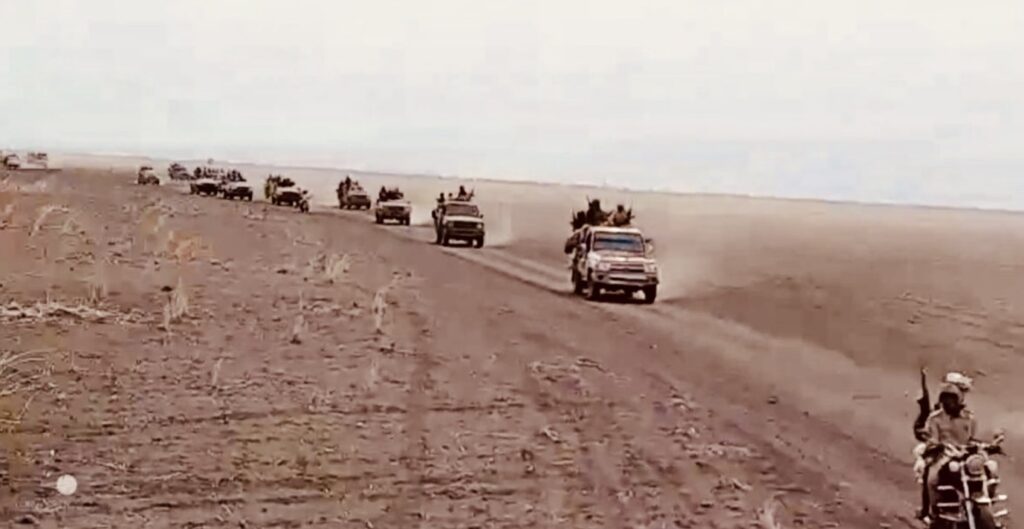
On the opposing side of the conflict, Baldo said the UAE’s support for the RSF has been consistent and deeply rooted, predating the current war. He argued that Emirati backing extends beyond weapons to diplomatic influence in East Africa, where RSF-linked political alliances have sought legitimacy. Despite earlier tensions between Saudi Arabia and the UAE over rival positions in Yemen, recent regional developments and the confrontation with Iran have encouraged renewed coordination between Gulf states.
Baldo said he does not expect the Middle East conflict to reduce Emirati support for the RSF. Instead, he believes it could even intensify, as the UAE pursues broader strategic interests across the Horn of Africa, the Sahel and North Africa. He added that arms supplies for the Sudanese army are also unlikely to face major disruption, pointing to growing logistical and political coordination between Egypt, Turkey, and Saudi Arabia in supporting the army.
The cost of fuel
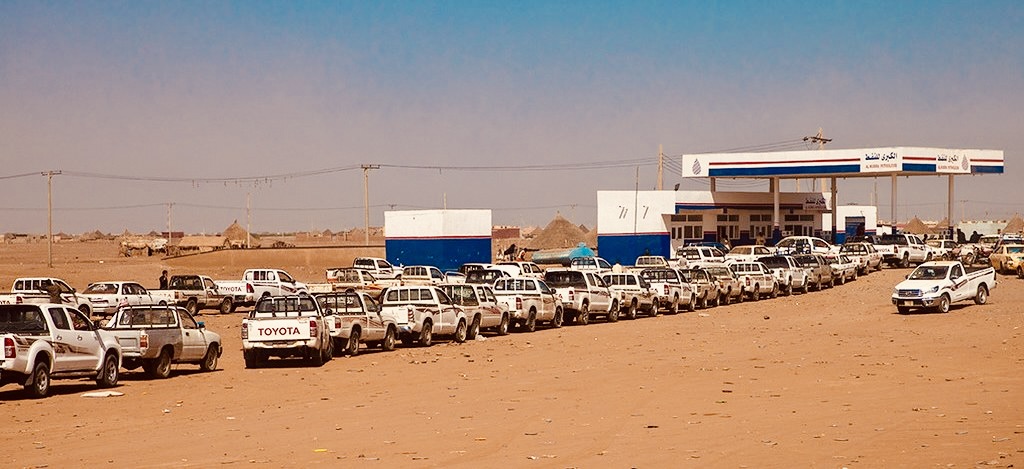
However, Baldo warned that the wider economic impact of the regional war—particularly rising fuel prices—could significantly affect both sides in Sudan. “There will be significant difficulty in obtaining petroleum products; they will be available, but at double or triple the previous prices,” he said, noting that higher costs and transportation challenges will complicate military operations and supply chains.
Fuel supplies reaching RSF-controlled areas currently move through routes in East Africa via South Sudan and the Abyei region before reaching South Kordofan and Darfur, he explained. But rising costs could disrupt these flows, potentially forcing the RSF to seek supplies from eastern Libya through networks linked to forces loyal to General Khalifa Haftar and regional smuggling groups.
Baldo also warned that wider disruptions to maritime routes could have global repercussions. Any escalation involving the Houthis in the Red Sea, or tensions affecting key chokepoints such as the Bab el-Mandeb Strait and the Strait of Hormuz, could severely disrupt international shipping between Asia and Europe.
While some Western leaders initially expected a quick end to the Middle East conflict, Baldo believes the war is likely to continue and potentially escalate. Such a scenario, he said, would have far-reaching economic consequences while further complicating the already complex military and political dynamics of Sudan’s war.
Mohamed Al-Shabak: The gulf war and Sudan’s humanitarian crisis
Humanitarian affairs expert Mohammed Al-Shabak has warned that the ongoing war in the Middle East could deepen Sudan’s already severe humanitarian crisis, as the country continues to grapple with a devastating civil war. Speaking to Ayin, Al-Shabak said the Gulf conflict could affect Sudan through four key channels, beginning with a shift in international political and media attention away from Sudan.
“It is unfortunate that after a long period, the war in Sudan had begun to gain some international traction,” Al-Shabak said, citing initiatives such as the Quartet and a February 3 donor meeting in Washington that pledged around $1.5 billion for the crisis. “However, it is now expected that this attention will wane and that international follow-up on the Sudanese situation will decrease.” He added that humanitarian funding could also be redirected toward the new Middle East crisis, further worsening an already severe funding shortfall. Last year, Sudan’s humanitarian response required between $4 billion and $6 billion but received only about $1.47 billion.
Al-Shabak also warned of economic and logistical consequences, including rising transportation and energy costs and disruptions to supply chains that could hinder aid delivery. “Sudan relies heavily on Port Sudan in the Red Sea for receiving supplies,” he said, noting that escalating regional tensions could increase shipping costs or delay deliveries of food and medical aid. Higher global oil prices could also drive up fuel costs, making humanitarian operations pricier.
The expert further cautioned that the crisis could affect local humanitarian efforts, which rely heavily on support from Sudanese communities and expatriates, many of whom live in the Middle East. Economic instability or restrictions on banking systems could disrupt remittances used to fund community kitchens and assistance programs. Without urgent preparations and sustained international advocacy, Al-Shabak warned, the situation could worsen, increasing malnutrition, disease outbreaks, and delays in humanitarian assistance.