

El Fasher: Survivors of the RSF invasion face famine, displacement, and a bitter wait for justice
26 October 2026
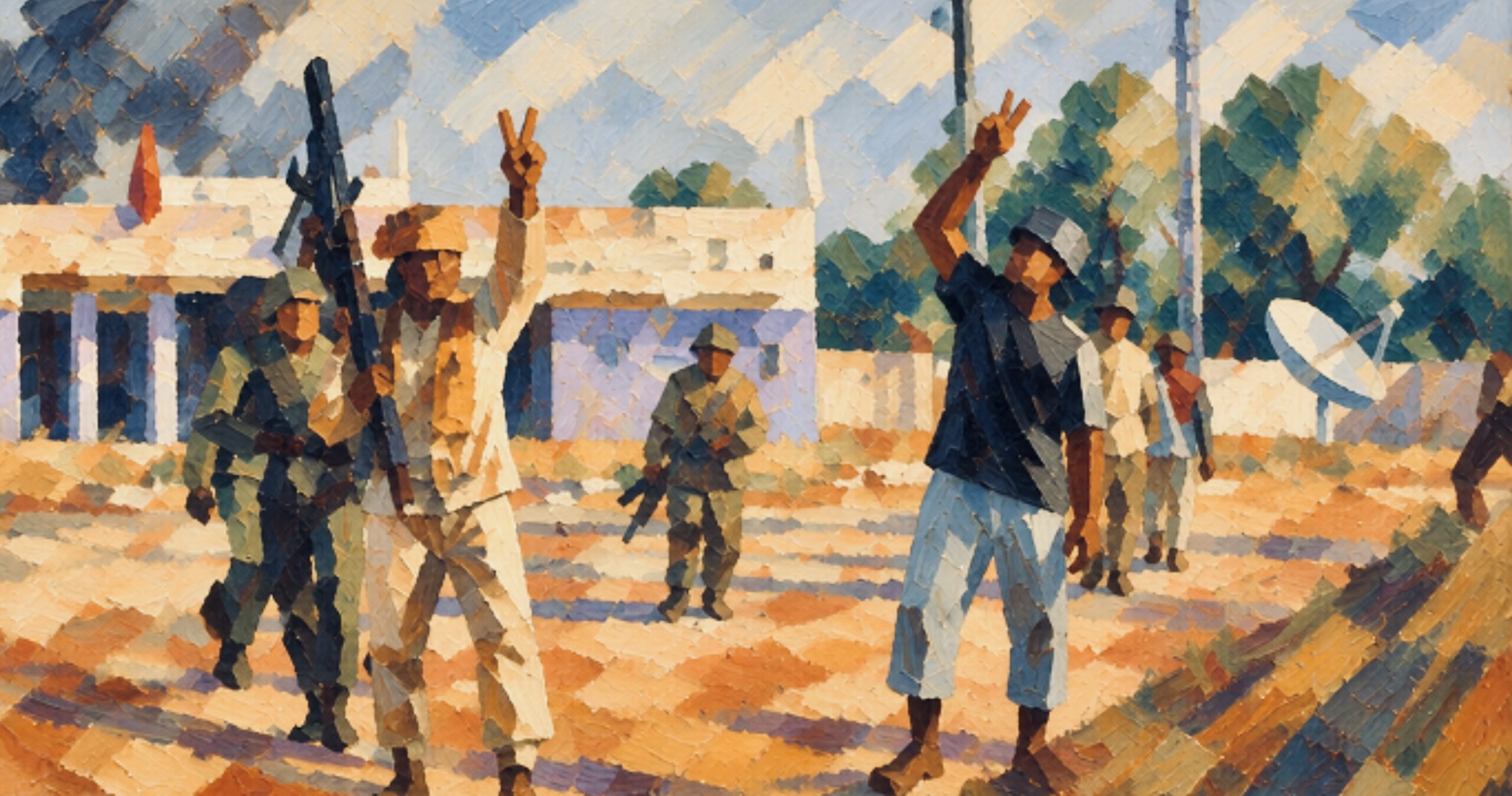
The memory of the Rapid Support Forces’ (RSF) invasion of El Fasher, the capital of North Darfur, on October 26, 2025, remains exceptionally bitter. The bloody events and widespread violations were not just a military takeover but a catastrophic turning point for hundreds of thousands of lives. One year later, the full chapters of that tragedy are being exposed via the stories of people who survived El Fasher; some now dwell in displacement camps, dreaming of a future of ephemeral justice.
The escape
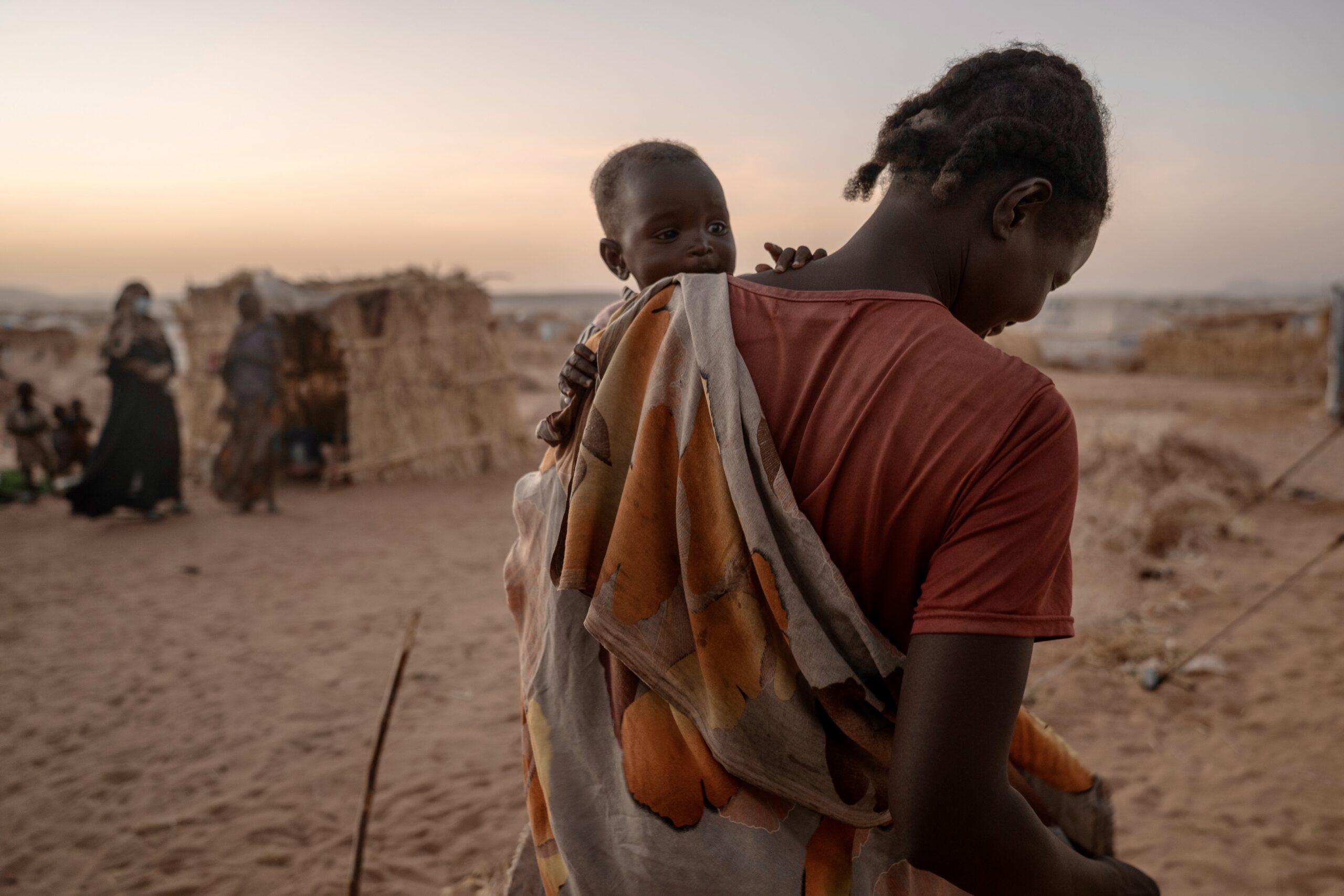
The details of the escape from El Fasher remain etched in the memories of the survivors. Hekmat Al-Hafiz, a former aid worker in the Zamzam camp, told Ayin about her harrowing first experience of loss when her husband was killed in a drone strike. She was forced to bury him herself with the help of passersby. Finding the conditions in El Fasher uninhabitable, she and her family joined hundreds of others on a gruelling journey to Mellit, navigating rough roads for two days to avoid widespread RSF checkpoints, before travelling across the barren desert for over a month to reach Ad-Dabba in Northern State. It was only after she reached Ad-Dabba, a bustling trading town, that she realised how the events in El Fasher had affected her family. No one from her husband’s family remained in El Fasher; two were confirmed dead, and four remain missing.
For others, the escape was a desperate scramble amidst a targeted purge. Reem Sabil, a 28-year-old former volunteer at the city’s soup kitchens, recounts how she and about 300 women, children, and elderly people were crammed into a single transport truck after the city fell. Reem said there were very few young men in the city. “There was a complete absence; most were either being arrested or killed.” Due to frequent forced stops at RSF checkpoints and aerial bombardments, it took them a full week to cross the 150 kilometres to Kabkabiya, and they eventually walked all the way to the Chadian border at Al-Tina.
Engineer Mohamed Adam Ahmed Hassan, the former Director General of Rural Water in North Darfur, chose to remain in the besieged city to fulfil his professional duties—a commitment that cost the lives of hundreds of civil servants who refused to leave. When he finally withdrew in an army convoy, a bombing targeted his vehicle, fleeing toward Jebel Wana, killing eight of his brothers and nephews. After his vehicle was attacked a second time, leaving only himself and two soldiers alive, he continued on foot and horseback toward the Dar Zaghawa region.
Another battle for survival
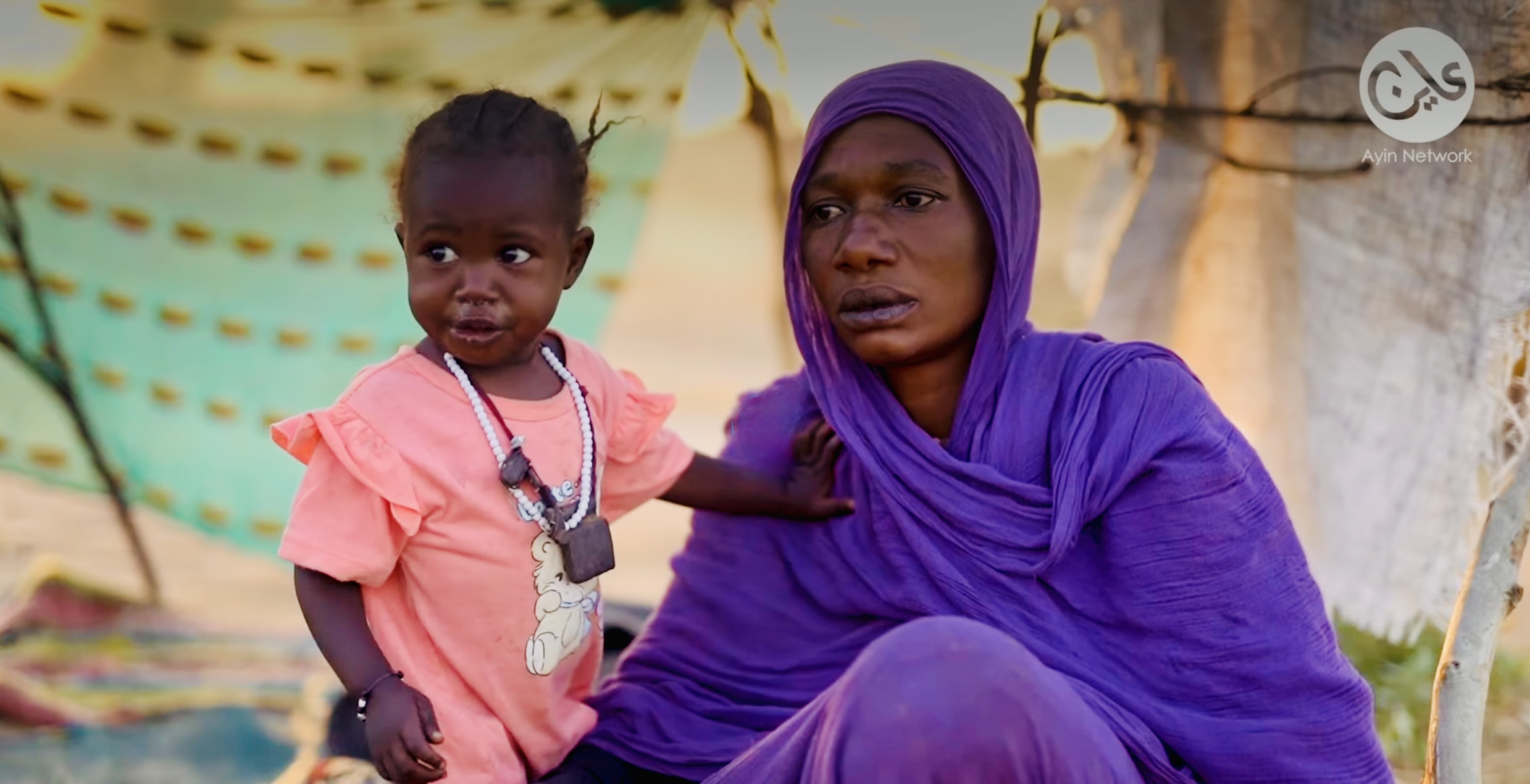
Escaping the inferno was merely the beginning of an even harsher tragedy. According to the International Organization for Migration (IOM), the military escalation led to the flight of more than 62% of El Fasher’s population. Over 107,000 citizens fled under heavy bombardment in the initial weeks, while more than 1.19 million people eventually crossed the western border into Chadian territory. UNICEF warned that more than 130,000 children faced grave dangers, arriving at border camps exhausted, dehydrated, and suffering from severe malnutrition.
After reaching the border, Reem Sabil and her group spent two weeks in the open desert drinking stagnant water before being transferred to the Toloum camp in Chad. There, conflicts for survival resurfaced between new refugees and those displaced since the 2003 war. Aid is practically nonexistent: refugees share a paltry monthly ration of a sack of lentils, a sack of broth, and four packets of oil among six people, alongside a delayed financial stipend heavily depleted by looting and corruption.
Adam Rijal, the official spokesperson for the General Coordination of Displaced Persons and Refugees, revealed to Ayin that the suffering did not end with the initial departure from El Fasher but rather “transformed into repeated and continuous displacement to this day.” Rijal’s organisation had recorded over 9,000 newly displaced people between September and mid-October this year, all of whom are facing a scarcity of relief aid that does not meet even a quarter of their needs. This situation, coupled with a poor agricultural season, he added, will increase the risk of imminent famine.
A joint statement by 32 international organisations revealed that approximately 19.5 million Sudanese are now suffering from acute food insecurity. “The stories of survivors from El Fasher will forever stand as a testament to the heavy price civilians are paying in this war and a reminder of the collective responsibility for their suffering.”
The illusive pursuit of justice
For many survivors, the physical toll is compounded by the psychological pain of absolute impunity. Nasr Issa, a civil society activist from El Fasher, recalls how families fleeing the city were forced to make agonising decisions, such as leaving the elderly and wounded under the shade of trees to save women and children from lurking violence.
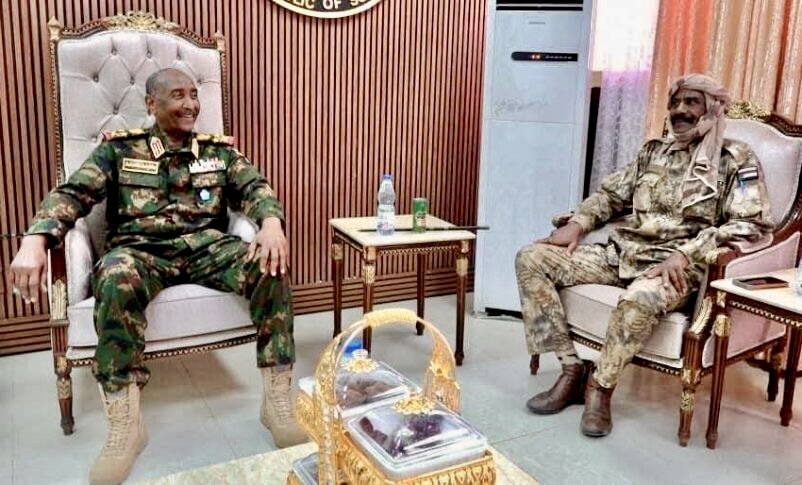
But Issa’s greatest pain lies in the absence of accountability, blaming both sides for shielding perpetrators. In his conversation with Ayin, Issa cited a “glaring” example where a prominent RSF leader involved in closing the Golo reservoir—depriving hundreds of thousands of people of water—now lives a free, prosperous life after joining the army. In May 2024, Ali Rizkallah, a former high-ranking RSF commander popularly known as “Al-Savannah” seized the Golo Water Reservoir in El Fasher and closed the valves. Two years later, he defects to the army and is promoted to the rank of brigadier general. This, Issa notes, “proves that the blood of the victims is still the price of military and political bargaining.”
International bodies, including the UN High Commissioner for Human Rights (OHCHR) and Human Rights Watch, have documented summary executions, deliberate starvation, and the mass killings of those fleeing. Yet, legal and political experts argue the domestic environment is entirely unequipped for accountability.
“There is no legal or judicial system functioning properly in Sudan in general at present,” says Shawqi Yaqoub, a lawyer and human rights defender. The priority, Shawqi says, must be “criminal justice and individual accountability before talking about transitional justice,” which he considers to be “mere political posturing” until a permanent cessation of hostilities is achieved. Political researcher Abdullah Adam Khater echoed these sentiments. “Documenting crimes will not lead to meaningful reconciliation or transitional justice without at least an agreement to cease hostilities.” Hopes for justice are particularly slim, he added, due to the near-total media blackout in Darfur. “It’s an abnormal situation that makes it impossible to establish any path to justice or the restoration of rights.”
Despite these systemic hurdles, Adam Rijal insists that “justice and accountability are essential pillars for addressing the catastrophic consequences of what happened in El Fasher.” For Rijal, justice cannot be postponed. The current reports, he added, are “in dire need of independent and transparent investigations.”
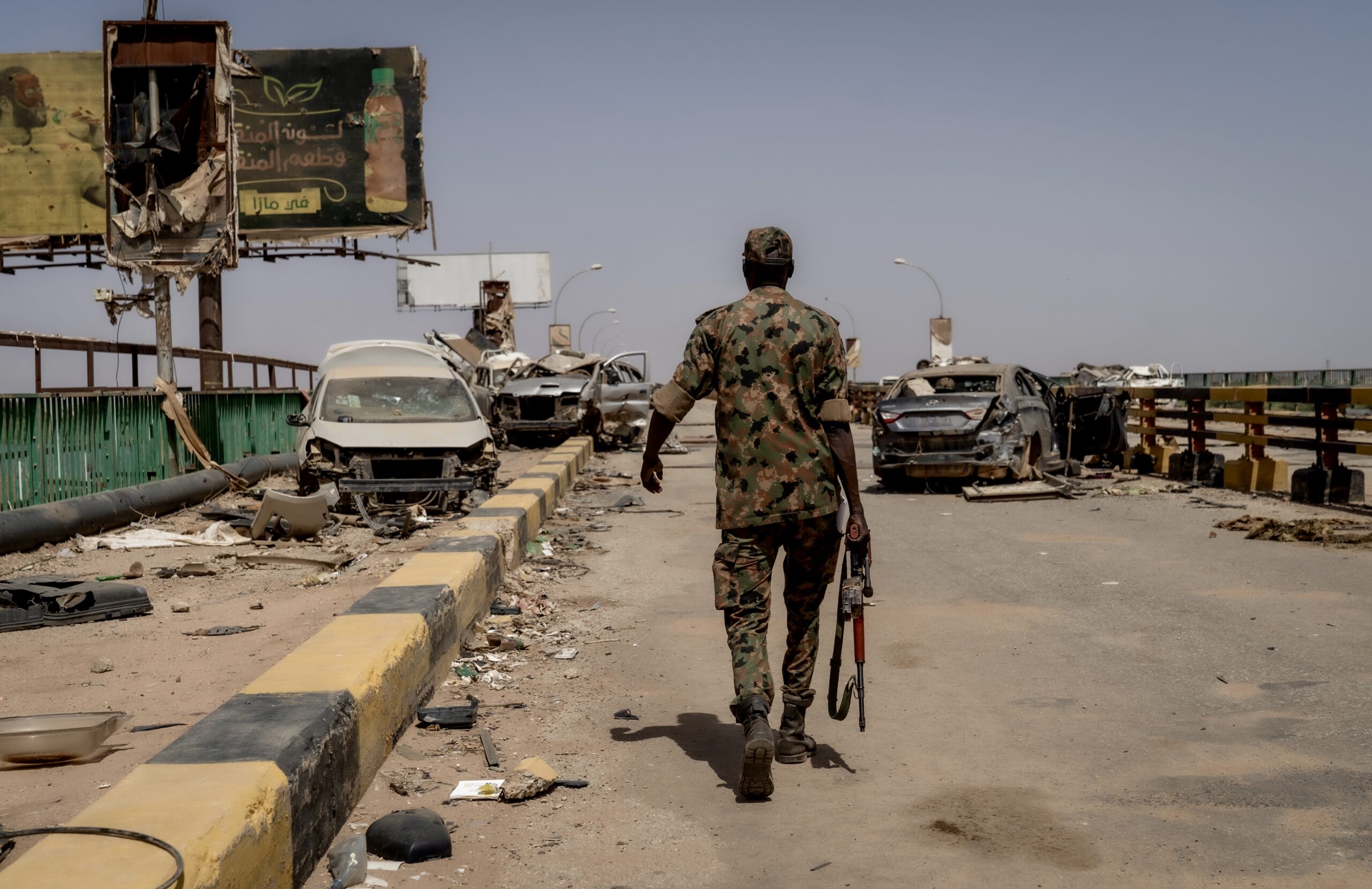
A slow walk to accountability
In stark contrast, the current authorities in the RSF-controlled areas insist that the justice system is functioning. Khaled Dana, the Minister of Information in the Tas’is government (meaning “foundation”), stated from Nyala that the judicial and prosecutorial systems are functioning normally and “with complete impartiality, holding those involved from both sides accountable regularly and continuously.” Khaled noted that establishing transitional justice is a priority but cautioned that the “process requires time and complex mechanisms to ensure that its final results appear positive.”
For the survivors scattered across barren deserts and overcrowded camps, however, time is precisely what they do not have.