


Separated but not alone, a mother’s struggle
30 March 2026
Like thousands of innocent civilians, Waqiya Ahmed found herself forced to flee El Fahser, North Darfur State, after the paramilitary Rapid Support Forces raided the city last October. Waqiya remembers hundreds of shells raining down on her while she was in the livestock market in El Fasher. “Sometimes you had to crawl on the ground to survive,” she recalls.
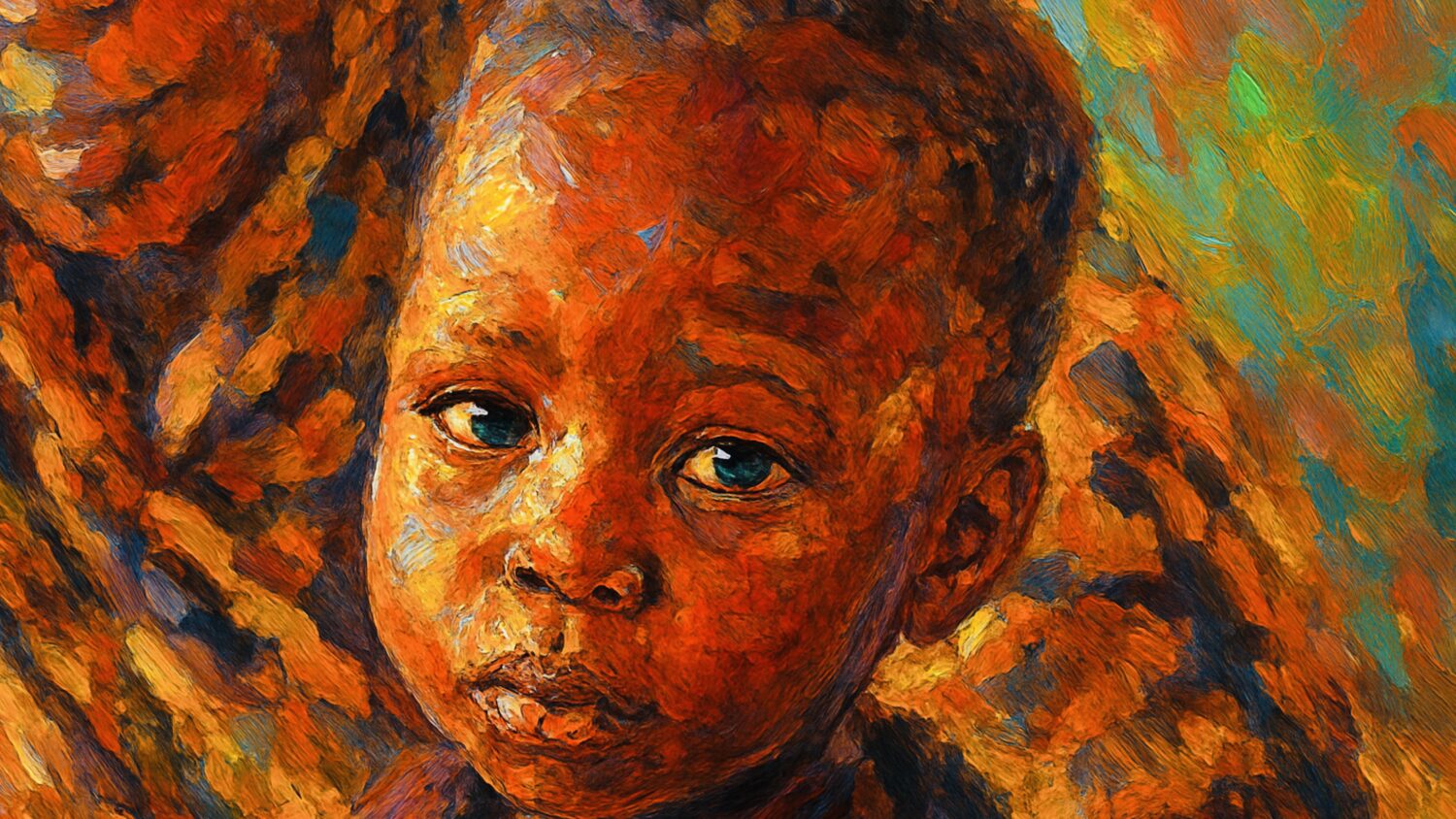
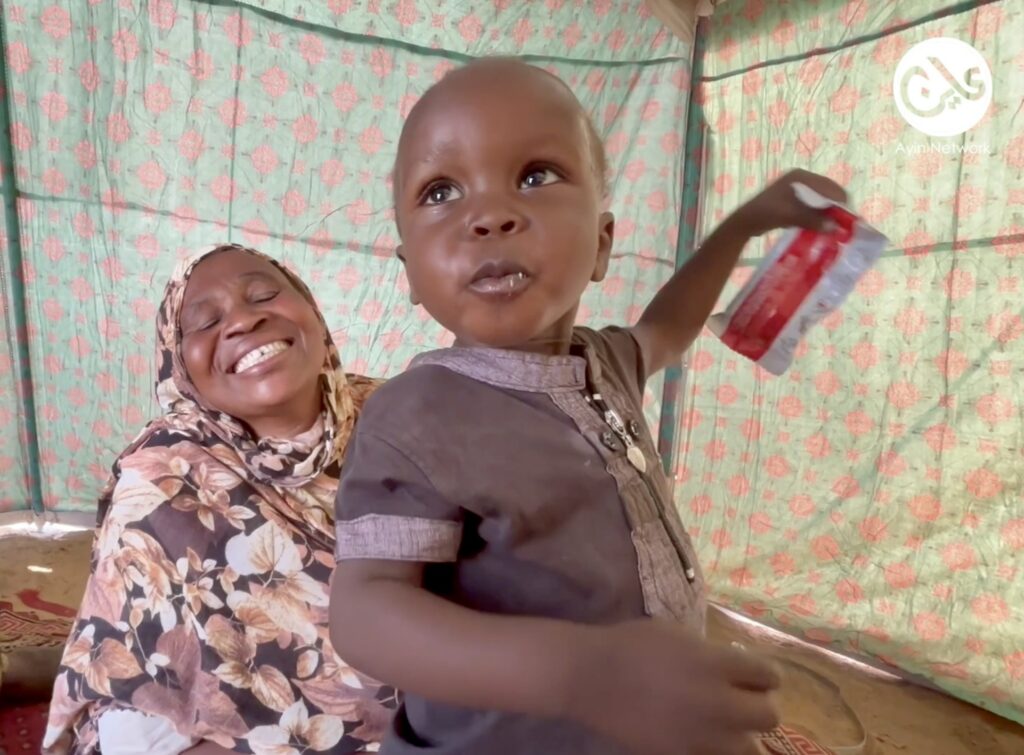
As she fled amidst the chaos and destruction, she found a young boy, Omran, lying on the ground – his leg was broken as a result of the stampede of civilians fleeing the city. He was trying to keep up with his older brother, Monzir. The boys lost both of their parents after a shell landed near them in a market in El Fasher. “The children are severely traumatised.”
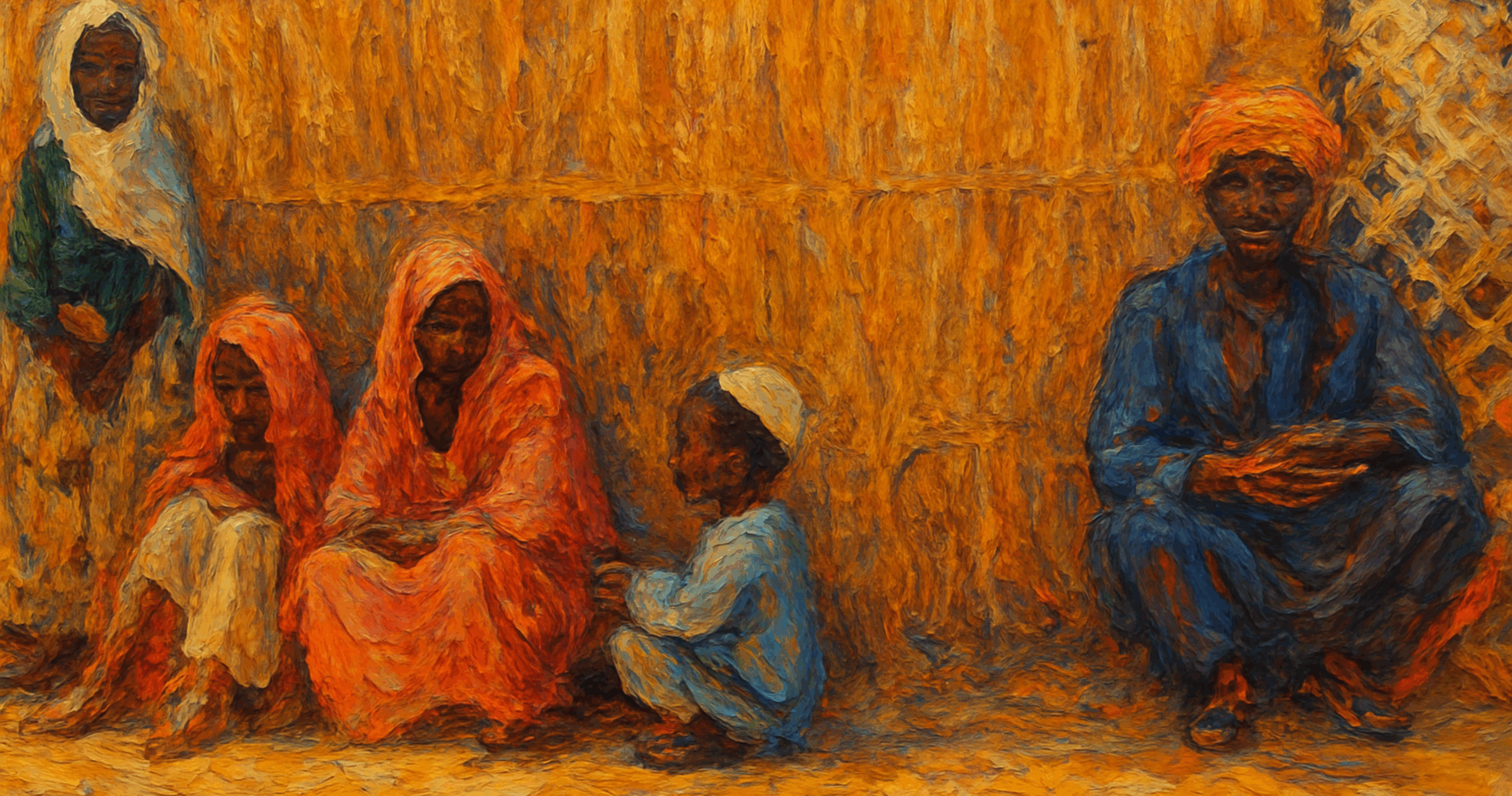
From that moment on, Waqiya decided to adopt the two children and took them with her to the “Al-Afad” displacement camp in Northern State, despite struggling with extremely harsh conditions and limited resources. “I cried when I found them. I took them in immediately, and to this day we struggle together.”
At least 42,000 unaccompanied and separated children have been registered in Sudan and neighbouring countries as a result of the ongoing conflict, the UN reported last week. The UN refugee agency says 5,000 of the 42,000 children separated from their families are in Sudan, while the remaining children are among refugees in neighbouring countries.
Chad hosts the largest number with 24,000 unaccompanied children, followed by Ethiopia with 7,000. Egypt and South Sudan each accommodate approximately 6,000 unaccompanied children, while Uganda, Libya, and the Central African Republic report smaller numbers.
The conflict has forced 4.5 million Sudanese to flee to neighbouring countries. The report further cautions that displaced children face increased risks from family separation, recruitment by armed groups, child labour, and forced marriage.