

Analysis: Sudan’s ongoing war of defections and resources
23 November 2026
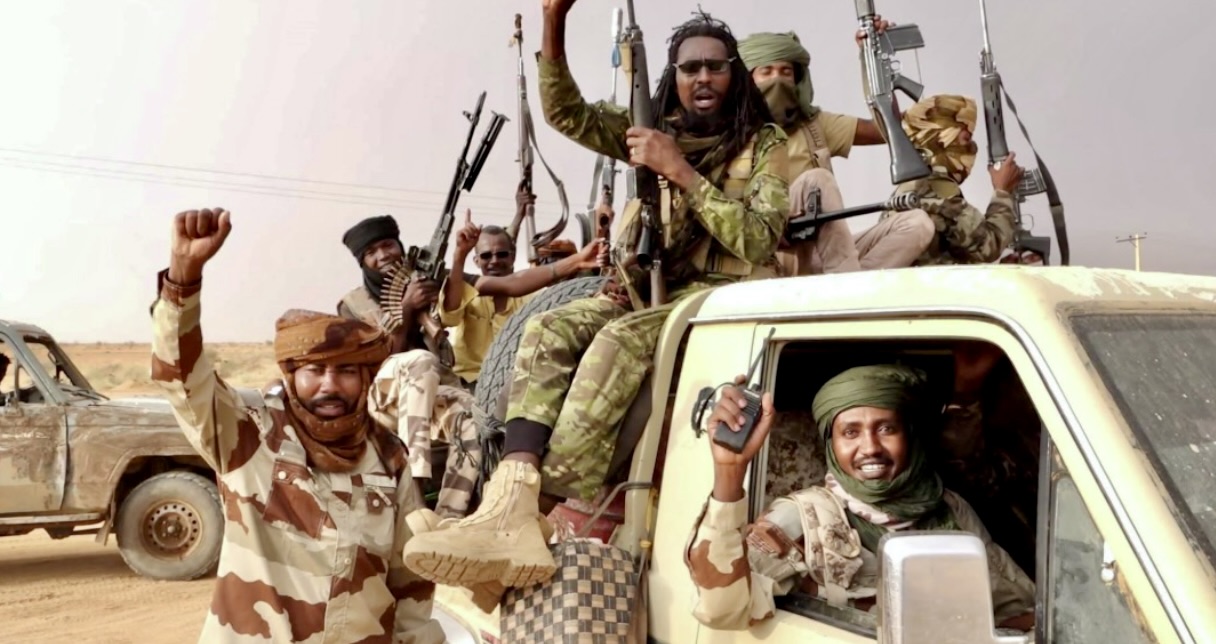
The ongoing conflict in Sudan has entered a transformative phase defined by two parallel strategies: the Sudanese Armed Forces’ weaponisation of high-profile defections and a fierce battle for control of the nation’s critical resources. As the army leverages intelligence gains from former Rapid Support Forces (RSF) commanders, the RSF has pivoted to a strategy of economic attrition, consolidating control over gold and oil-rich regions to force a political settlement.
Defections
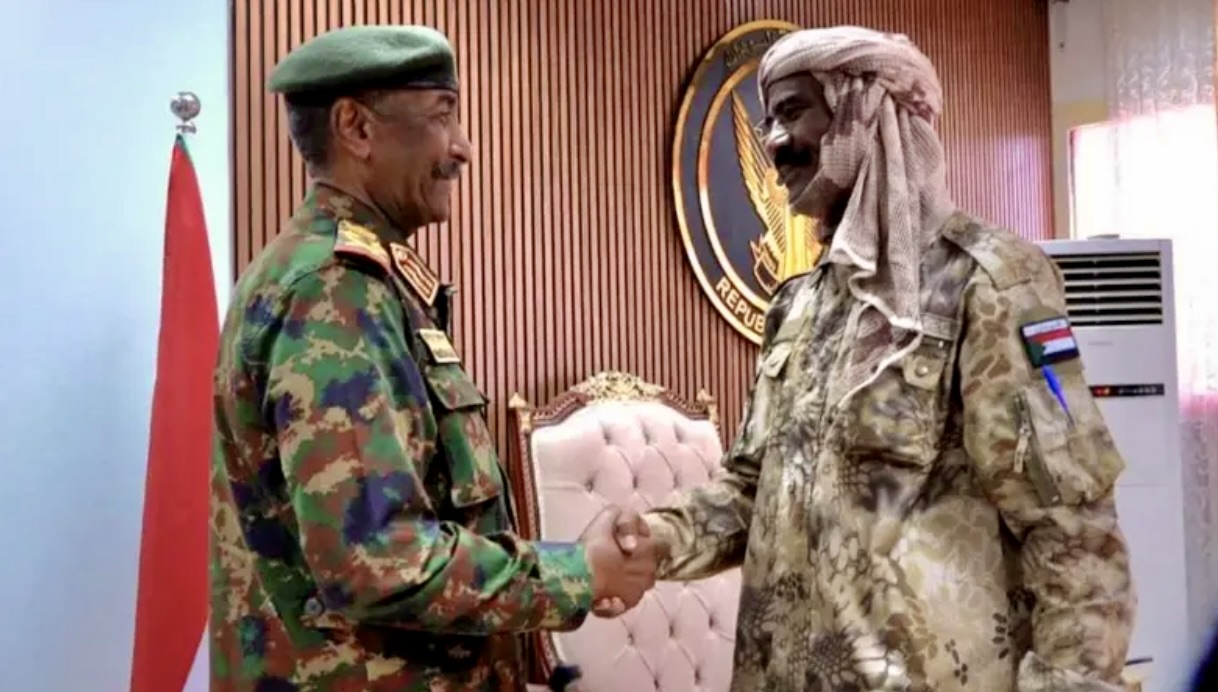
Since late 2024, the Sudanese army has actively courted RSF commanders, scoring significant defections, including four this month alone. These shifts have fractured the RSF’s cohesion and supplied the army with critical operational intelligence, particularly in the Kordofan and Darfur axes.
“The Rapid Support Forces have suffered significant losses due to successive defections, and the defectors have been sending messages to their former comrades indicating that they no longer see a cause worth fighting for,” says military expert Mohammed Khalil Al-Saim. “Their joining the army provides it with extensive information about the Rapid Support Forces, which can be used militarily on the ground.”
Al-Saim estimates the number of defectors to be in the hundreds, perhaps even reaching a thousand. However, Al-Saim cautions against the immediate frontline deployment of the hundreds of defectors, emphasising the need for military intelligence vetting. “Some may still have loyalties to the Rapid Support Forces, and others may have joined to perform intelligence tasks. Therefore, they shouldn’t be thrown directly into battle before their status is verified.”
These defections have already yielded tangible battlefield results. Journalist Mohi El-Din Zakaria points out that defectors like Major General Al-Nour Ahmed Adam, better known as “Al-Cuba” and Field Commander Ali Rizq Allah “Al-Savannah” exposed RSF operational habits, leading to simultaneous army offensives across multiple fronts. “The two commanders were familiar with the Rapid Support Forces’ tactics, which relied on a ‘panic attack’ when targeting a single area—a tactic the army had employed previously before recently changing,” Zakaria explains, noting this multiple-front strategy neutralised the RSF’s ability to reinforce.
Zakaria, however, believes other RSF defections did not provide SAF considerable military gains. Some of those defectors, he said, have little military experience and even pose a burden on the Rapid Support Forces.

Reduced movement, recruitment
Paranoia within the RSF ranks has consequently surged. “The Rapid Support Forces leadership was alarmed by the successive defections, prompting them to tighten travel and departure procedures from areas under their control,” says one military field source requesting anonymity for security reasons. The field source added that these travel restrictions increasingly trap civilians within the Darfur region.
The wave of defections has also hurt the RSF’s tribal mobilisation efforts. “The impact of the defections has extended beyond the military aspect, weakening the mobilisation narrative that the Rapid Support Forces relied on to attract fighters, especially in Darfur and Kordofan,” said the military source. “The RSF often claimed that the army was targeting certain tribal groups and called on these groups to unite against the army – this tactic is losing traction.”
Similarly, the army has toned down their public rhetoric against civilians in RSF-controlled areas. “The shift coincided with a decline in the army’s hostile rhetoric towards civilian groups supporting the Rapid Support Forces,” the same source said. “The change coincides with statements by military leaders, including Chief of Staff Yasser al-Atta, confirming that the anticipated operations in Kordofan and Darfur do not aim to take revenge on specific social components.”

A pivot to resources
Simultaneous to the defection crisis, the RSF has executed tactical withdrawals from areas lacking resources or civilian support—such as north of El Obeid—to consolidate power in regions wealthy in oil, gold, and livestock.
“The forces that redeployed in Hamra al-Sheikh, Abu Zaima, Fuga and Umm Badr have become connected to another force deployed from al-Malha in North Darfur to the border triangle controlled by the Rapid Support Forces since July 2025, which contains a number of traditional gold mining sites,” according to one RSF field source who requested anonymity.
Military analysts suggest these withdrawals are calculated traps rather than retreats. “The Rapid Support Forces have given the army hope of holding onto El Obeid while it prepares to confront them with a large force equipped with advanced weapons and equipment in the plains of Kordofan,” observes Lieutenant Colonel Abdul Rahim Al-Fadil.

Gold, oil, and economic leverage
The economic stakes are centralised in West Kordofan, home to approximately 20 oil fields, including the vital Heglig facility, and Blue Nile State, which is rich in minerals. “The areas controlled by the Rapid Support Forces are rich in minerals, especially gold,” a local activist based in Damazin, the capital of Blue Nile State, confirmed. “The army has been engaging in traditional gold mining activities in the region for many years, despite the ongoing conflict with the SPLM-N.”
Ultimately, this resource grab is designed to corner the Sudanese army economically, says economist Najim al-Din Daoud. “Both sides are seeking to control resource-rich and strategic states and regions, with the aim of securing funding for military operations, strengthening supply lines, and improving their negotiating positions in the future,” Najim told Ayin.
“The RSF and their regional and international allies are determined to control production areas in Sudan and leave the army to fight the war with limited resources,” says political analyst Salah Hassan Jumaa. “The success of the Rapid Support Forces’ strategy in controlling economically productive areas could weaken the army’s ability to continue fighting and perhaps push the army to return to the negotiating table.”