









West Kordofan: Intensified conflict and deadly oil pollution
20 November 2026
For nearly a decade, civil society groups in the oil-rich areas of West Kordofan State have raised environmental and health concerns linked to the oil sector, where local communities say industrial chemicals and petroleum residues, including oil leakages, have triggered an ongoing health crisis.
The current conflict between the Sudan Armed Forces (SAF) and the paramilitary Rapid Support Forces (RSF) has compounded the problem further, especially now that it is flaring up in West Kordofan State, these local groups told Ayin.
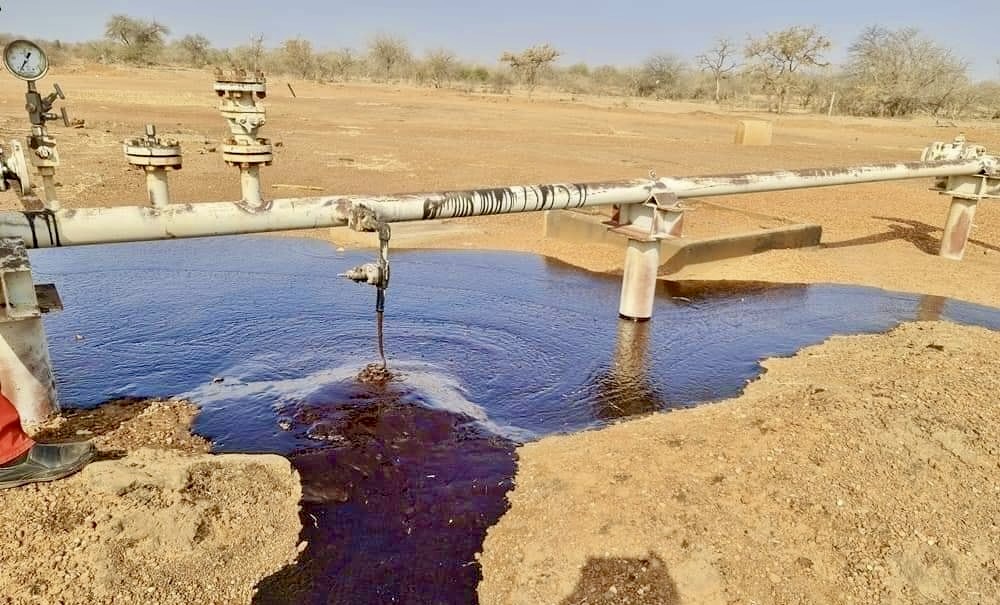
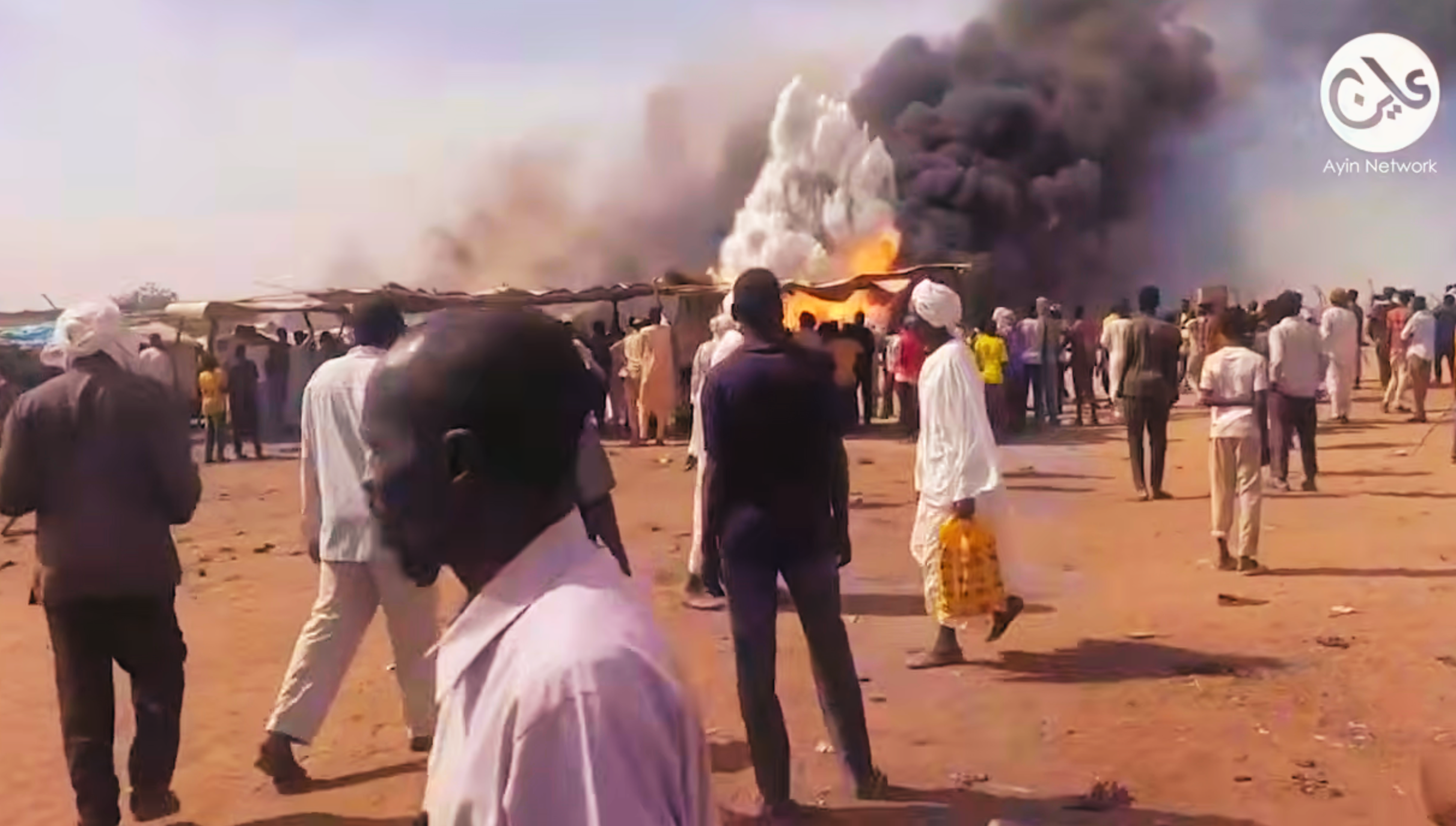
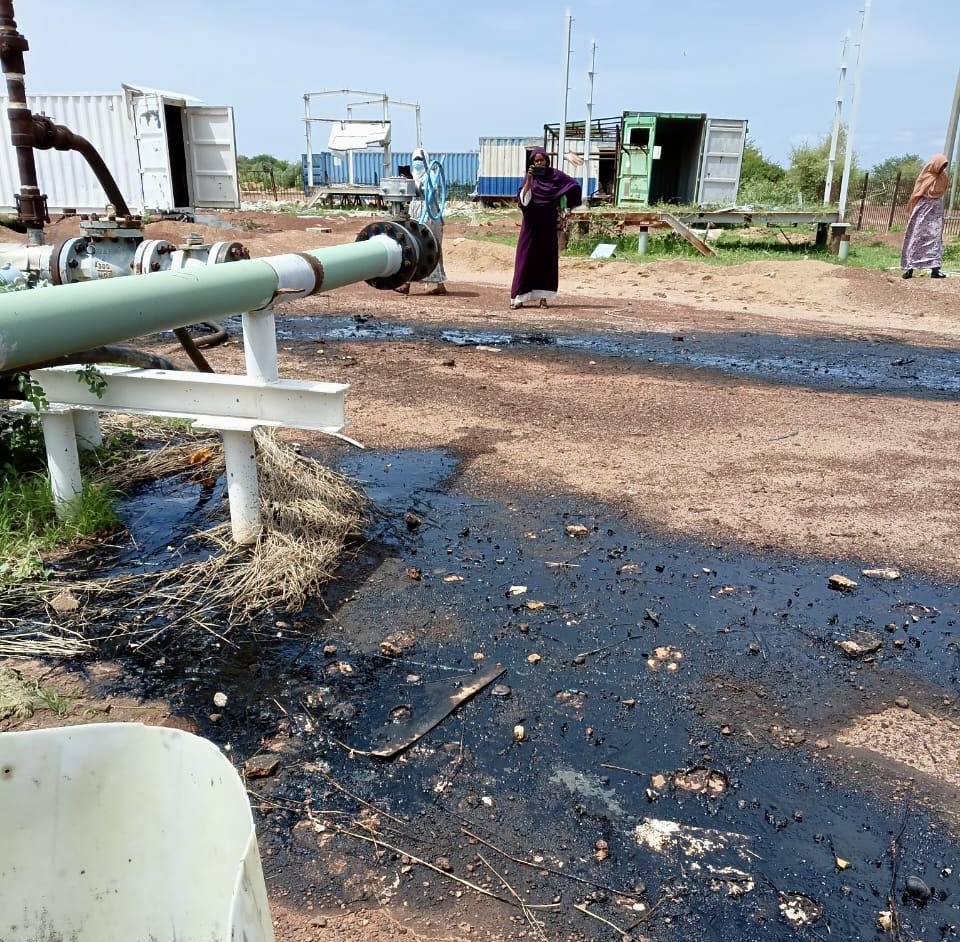
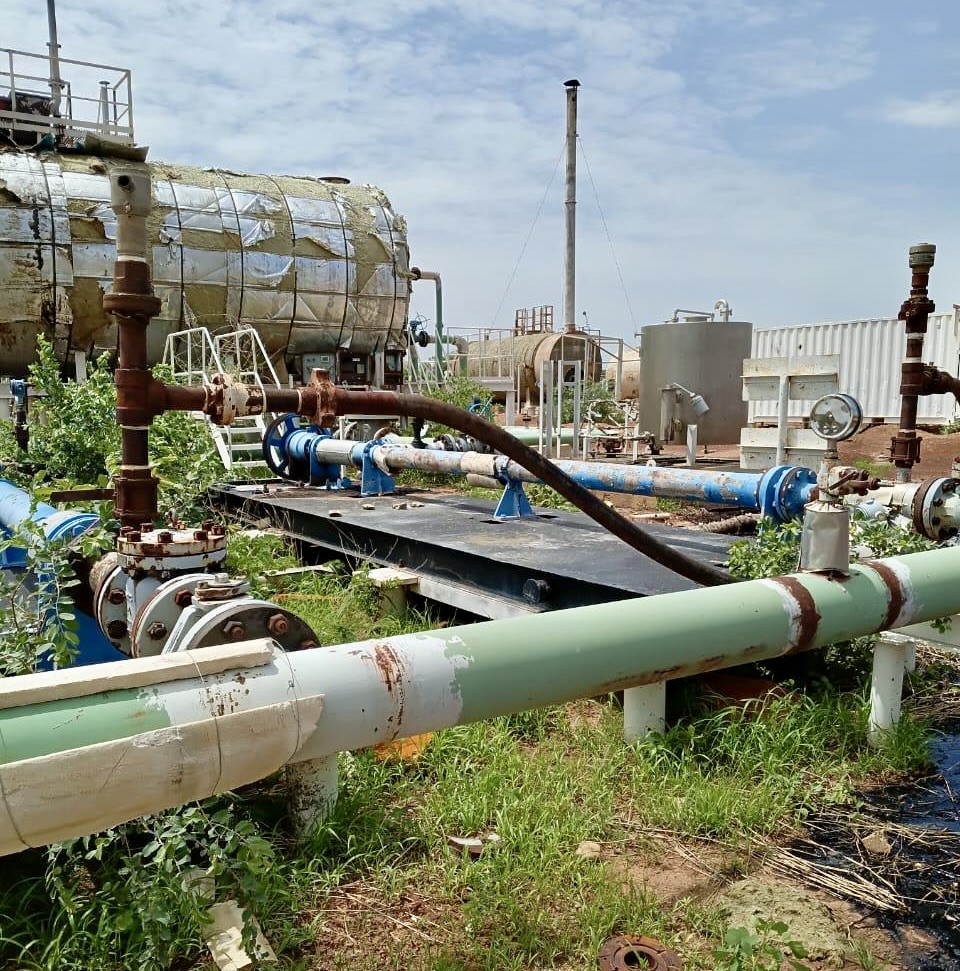
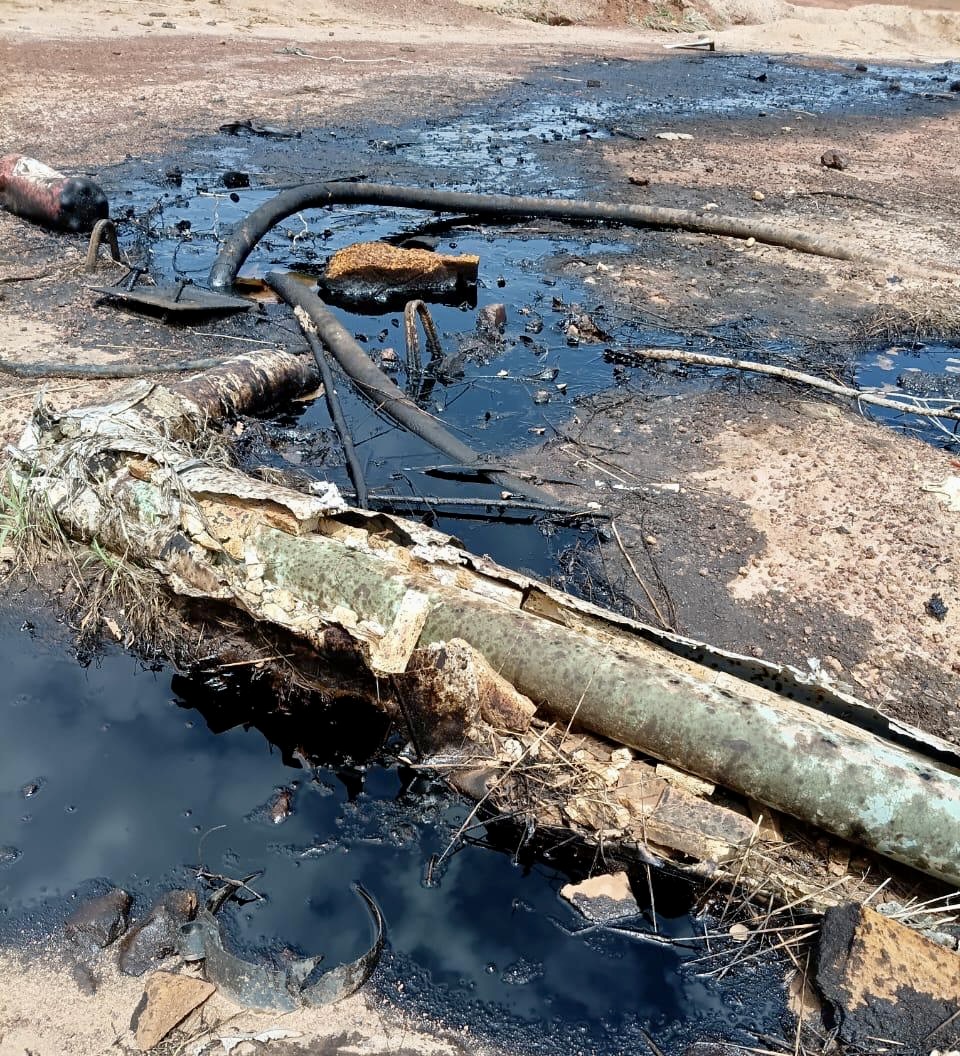
Since the war began, oil extraction facilities have been in the crosshairs of the warring parties. The destruction of pipelines, poor infrastructure maintenance, and lack of environmental oversight, local residents told Ayin, have only made conditions worse. “We have observed a severe deterioration in the situation since the war began,” says one local civil society actor who has been documenting it. The source requested anonymity for security reasons. “There is no maintenance, and, in addition, there has been deliberate destruction, theft, and—in many areas—explosions at the oil wells,” the source added. The civil society source, along with industry experts and aid workers, describe how weak safeguards in the oil extraction industries in West Kordofan used prior to the outbreak of the war in April 2023 have all but disappeared.
Oil pollution in wartime
From late October, the fight over oil-rich West Kordofan has intensified between the Sudan Armed Forces (SAF) and the Rapid Support Forces (RSF). On November 5, the Sudanese Armed Forces (SAF) and allied groups launched a multi-pronged offensive from El-Obeid, marking their return to West Kordofan State after more than a year. Advancing southwest, the SAF coalition successfully recaptured the administrative hub of Al-Khuwai and its surrounding villages by November 13, ending an RSF occupation that had been in place since May 2025. The SAF and its allies are now continuing their westward push toward Al-Morkib and El-Nuhud, directly threatening major RSF strongholds in the region.
Despite the SAF’s recent territorial gains in the northeastern section of the state, the RSF continue to control an estimated 85% to 90% of West Kordofan, including major strongholds and oil hubs like Al-Fula, Abu Zabad, Babanusa, Al-Muglad, and the Heglig complex. Earlier this month, the RSF announced plans to revive oil extraction operations in three sites within the state, potentially aggravating the pollution problem further. The RSF have dispatched a technical delegation to inspect the Neem, Defra and Kanar oilfields as part of preparations to restore production, according to local news reports.
According to one local civil society organisation, the areas of concern are the residential areas near the Heglig oil field, specifically the Al-Barzaya and Al-Zurga areas. “While the entire region is a source of deep concern for us, these areas (near the Heglig oil fields) are particularly worrying due to their high volume of oil flows, combined with the destruction of oil wells and pipelines,” the civil society actor said.
Deteriorating health
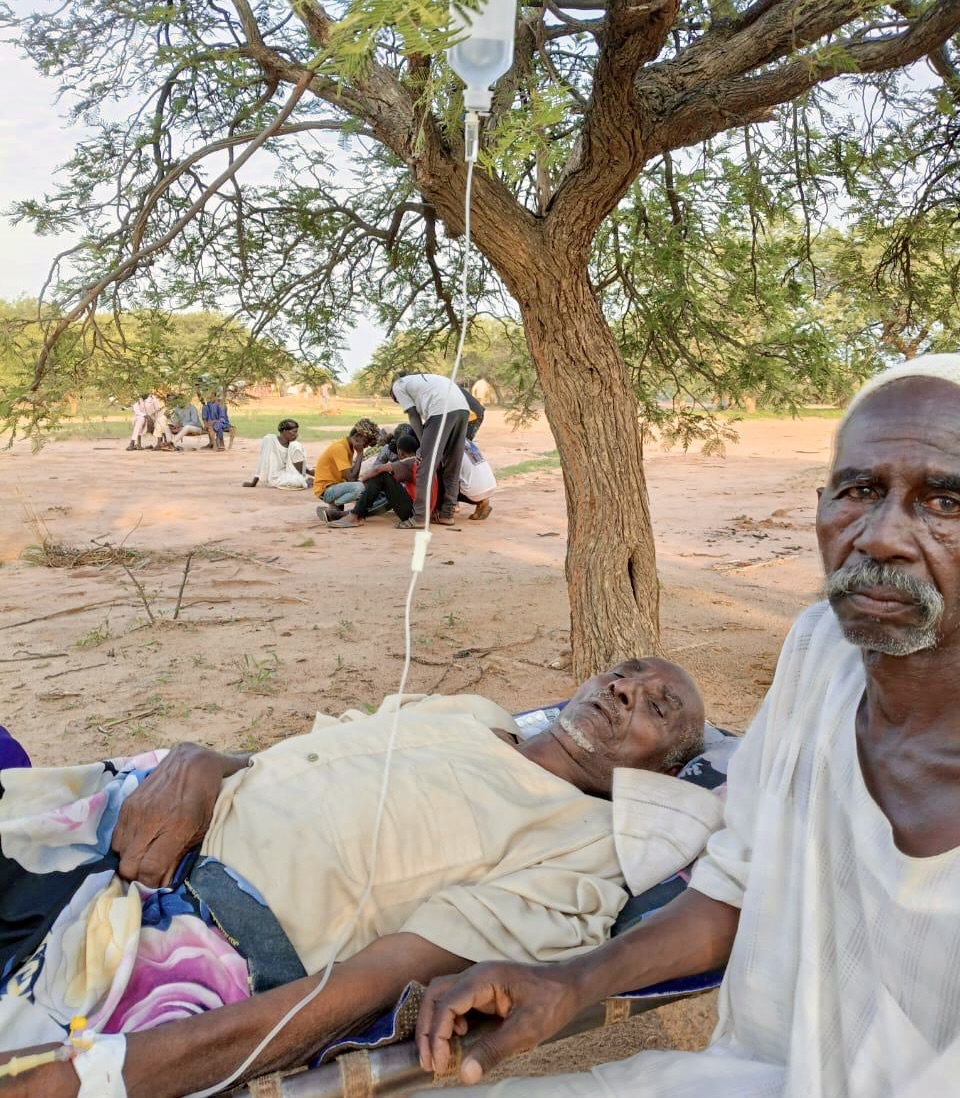
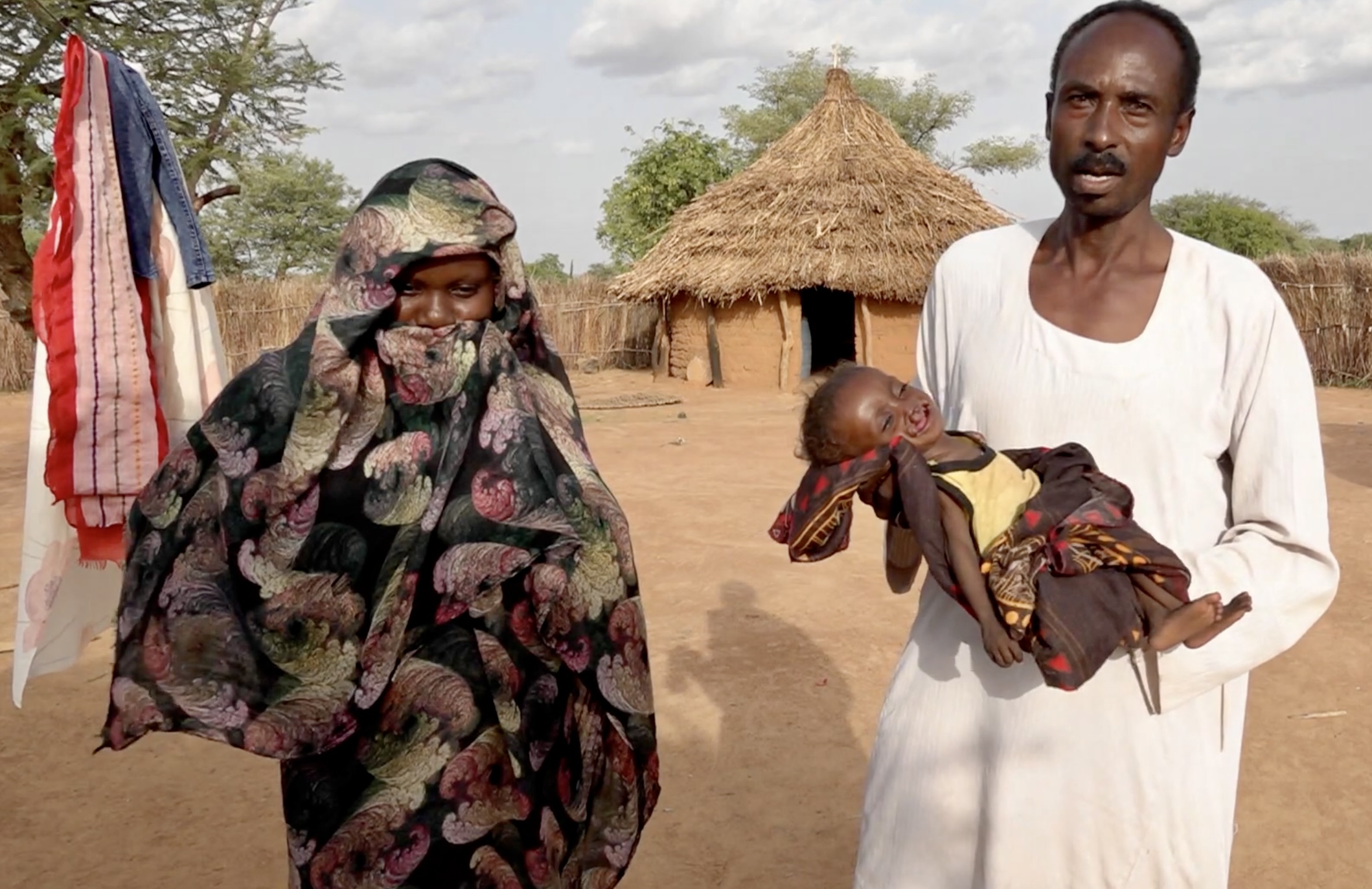
According to the local civil society organisation, which continues to document and confirm cases of oil explosions at wells and ruptured pipelines, there is a correlation between oil pollution and deteriorating public health. “There has been a sharp rise in cases of foetal deformity; (we) have consistently noted that women from oil-producing regions have a high rate of giving birth to children with deformities,” the civil society actor said. The same source told Ayin there are growing cases of infertility and forms of cancer that may also be linked to the pollution. The ongoing insecurity, however, has prevented the organisation from conducting definitive tests to see if there are direct links between the pollution and illness. “Often, these health issues are only diagnosed once individuals leave the oil-producing regions,” the same source said. “We frequently hear that someone who went elsewhere to see a doctor has been diagnosed with cancer.”
In other cases, residents have attempted to seal off damaged oil wells or repair ruptured pipelines and get injured in the process. “It is particularly concerning that the parties to the conflict – who should be responsible for these areas and their maintenance – show a lack of interest and focus on the matter.”
A decade-long complaint
A local humanitarian worker told Ayin that local groups began investigating suspected environmental damage since 2016, focusing on problems associated with oil extraction and processing. During the rule of former president Omar al-Bashir, senior officials received their complaints, but the groups struggled to secure government support. The humanitarian actor attributed this difficulty partly to the influence of former oil minister Awad al-Jaz and the close relationship between the oil sector and the security institutions of the former regime.
Following the 2019 revolution, local activists protested outside the Ministry of Oil in July of the same year. The then oil minister, Adel Ali Ibrahim, received representatives of the communities, who called for an environmental assessment of the consequences of oil production. According to the source, the activists questioned whether Chinese oil companies operating in the region were adequately adhering to quality and environmental protection standards. A committee was formed and field surveys took place in 17 oil-processing sites, including Sharaf, Helaid and Baleela, the same source added.
The committee documented cases of congenital abnormalities, skin conditions, eye irritation among children, sexual health problems among men and infertility – all symptoms with suspected links to local oil production. The humanitarian actor said they identified more than 20 children with physical or congenital abnormalities and also reported cases of paralysis, blindness and eye inflammation.
The accounts raised serious questions about environmental exposure and public health in oil-producing areas but did not identify a direct correlation to the oil operations taking place. Testing that link would require medical examinations, environmental sampling and epidemiological evidence.
The oil industry’s view
Industry insiders describe a different picture. An environmental quality-control expert with previous experience working at Sudanese oil refineries said the sector has an established system for environmental monitoring, reporting and remediation, although implementation varies between companies. The expert said oil operators are expected to monitor emissions against predetermined limits, report incidents to the relevant ministry and take corrective action when measurements exceed permitted thresholds. The Ministry of Oil’s health, safety and environment department also conducts inspections, although these may be infrequent, the expert said.
The existence of monitoring procedures, however, does not establish that environmental standards are consistently met or that communities’ complaints have been adequately addressed. Assessing how effectively the system operates would require access to monitoring results, inspection records, incident reports and remediation assessments.
The expert also warned against attributing miscarriages, infertility or cancer to oil operations without specialist evidence, arguing that unsupported claims could weaken the credibility of legitimate environmental concerns.
Mohamed Ibrahim, an oil supply chain and operations management expert who spoke to Ayin, identified the wording of Sudan’s petroleum agreements as one area requiring closer scrutiny. He argues that environmental provisions in contracts are often too general and depend heavily on existing national legislation rather than setting out sufficiently detailed operational requirements.
“One of the problems with contracts in Sudan is that environmental provisions are drafted in very general terms and rely on Sudan’s environmental laws and terminology,” Ibrahim said. “This raises questions about whether petroleum agreements clearly define companies’ environmental obligations.”
Wastewater and gas flaring
Oil extraction produces more than crude petroleum. Depending on the field and extraction process, operations can also generate associated gas and contaminated water, both of which require appropriate treatment or disposal.
Ibrahim identified the handling of produced water – toxic, underground water brought to the surface during oil extraction – as a major environmental challenge. If dumped into the open, such toxic wastewater devastates local agriculture, poisons groundwater, and acts as the primary driver for public health crises linked to the oil industry.
Gas management presents a separate problem, Ibrahim said. In some countries, associated gas is routinely burnt through flaring, while others with strict regulations require operators to explore alternatives. Where flaring is permitted, its environmental effects depend in part on operating conditions, emissions and the controls in place.
“Gas flaring must also be governed by specific studies and measurements, because excessive flaring causes environmental pollution. Measurements should be conducted by an independent third party to ensure transparency and provide reliable information,” he said.
Evidence and transparency
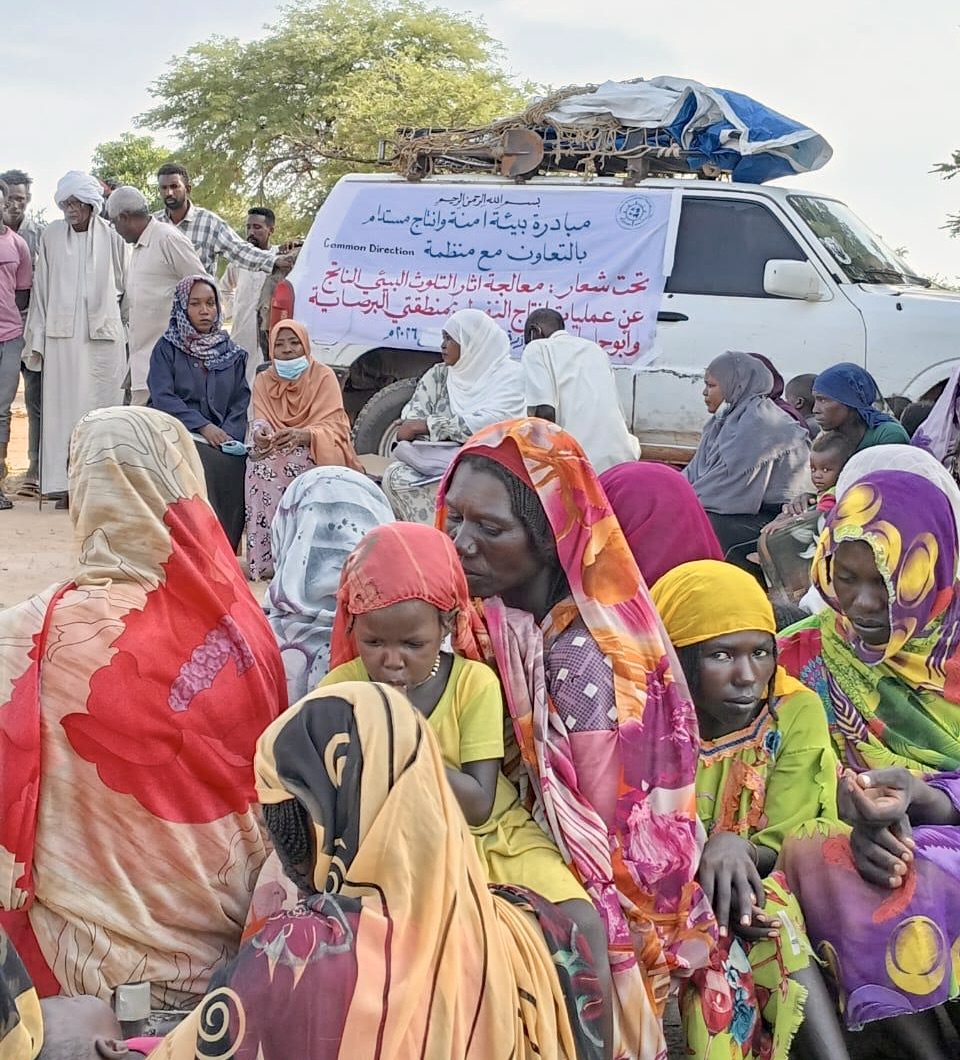
For residents of West Kordofan, the central issue remains whether oil production is being conducted in a way that protects their health, livelihoods and surrounding environment. Imagery and footage shared with Ayin provide visual evidence of oil leaks in parts of West Kordofan, but the extent of contamination, its origins and its potential effects on nearby populations require further investigation.
Nearly a decade after local groups began raising concerns, these complaints remain unheeded and will only increase as signs of conflict-induced damage to oil fields in West Kordofan take place.