

13 October 2026
We have developed a series of weekly news briefs covering major topics of the week to keep our readers informed about the multitude of events taking place in Sudan amidst the ongoing, devastating war.
In this week’s edition:
- Deadly air strikes on border gold miners spark widespread outrage
- Aid to Sudanese refugees in Chad halted; 150,000 people face starvation
- Escalating clashes and drone strikes fuel humanitarian crisis in Blue Nile
- At least 16 civilians killed in drone strikes across West Kordofan
- The Quintet resumes meetings to broker a ceasefire and peace in Sudan
- Government austerity plan faces scepticism as bread prices surge
- Ground attacks in North Kordofan abate; drone strikes on El Obeid continue
- Increase in dengue fever cases in Damazin
- Warning of increasing risk of famine in the Darfur and Kordofan regions
 1) Deadly air strikes on border gold miners spark widespread outrage
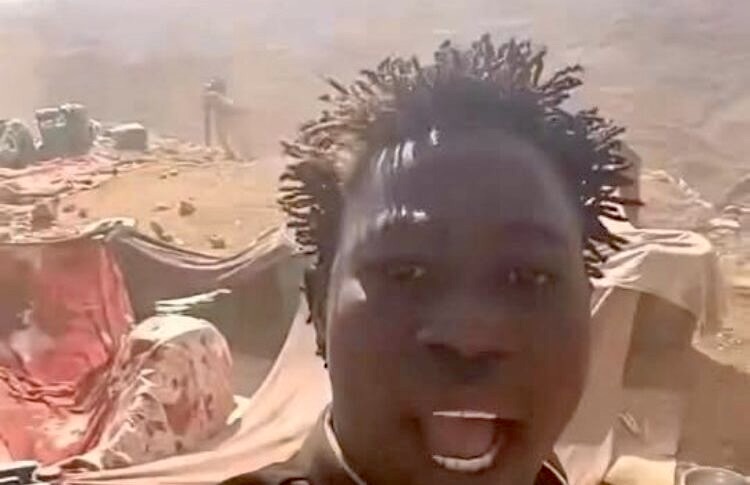
Air raids carried out by the Egyptian Air Force across border areas between the Red Sea and River Nile states have sparked widespread anger in Sudan following the killing and wounding of dozens of artisanal gold miners. The bombardment struck three locations—Al-Khat Al-Sawa, Al-Khaima, and Al-Muthallath—at approximately 8:00 AM on Sunday, October 11, catching many miners while they were asleep.
Survivors recounted scenes of panic and destruction as the northern valley was struck three separate times, forcing workers to scatter across the desert toward the Ansari area in Red Sea State. “I saw planes flying in the area for a while before the raids were carried out, and I saw them dropping leaflets near the (Salah) mine, while no leaflets were seen being dropped in the North Valley area itself,” one local miner told Ayin. “I lost track of my colleagues inside the mine after the airstrikes, and I don’t know what happened to them,” he added.
Hamed Al-Ali, a 29-year-old artisanal miner who reached Port Sudan, confirmed that “three aircraft landed in the northern Wadi region near the Al-Ansari market on Sunday morning and launched airstrikes that killed 30 miners. While the miners were busy shrouding the dead, the raids came again, killing more people without mercy, and some bodies were torn to pieces and left as they were.”
The attack is the second of its kind in four months, following a June 16 raid in the same borderlands that left hundreds of miners dead and was widely attributed to Egyptian forces. Sudanese political parties and civil organisations swiftly condemned the latest strikes, demanding an urgent, transparent, and independent inquiry to protect civilians and preserve national sovereignty. In response, Sudan’s Transitional Sovereignty Council announced on Monday that Chairman Lt-Genl AbdelFattah al-Burhan—who had previously cautioned citizens in July against crossing the border into Egypt—decreed the formation of an investigative committee comprising judicial, security, and public prosecutor officials.
The Egyptian Armed Forces announced on Monday the launch of the third phase of a large-scale campaign targeting illegal gold mining in the Eastern Desert. The military stated that the operation followed the dropping of warning leaflets on criminal elements to safeguard national resources and assert Egypt’s territorial sovereignty within its borders.
The border fallout coincided with violence in Khartoum on Monday, where Sudanese police arrested a man who opened fire on Egyptian nationals at a market south of the capital, killing two truck drivers and injuring a third. Sudanese police have classified the shooting as an isolated criminal incident and have urged citizens to rely solely on official reports. In turn, the Egyptian Ministry of Foreign Affairs confirmed it is actively monitoring the case, with Foreign Minister Badr Abdel-Aty directing diplomats in Sudan to coordinate with local authorities and arrange the repatriation of the deceased.
 2) Aid to Sudanese refugees in Chad halted; 150,000 people face starvation
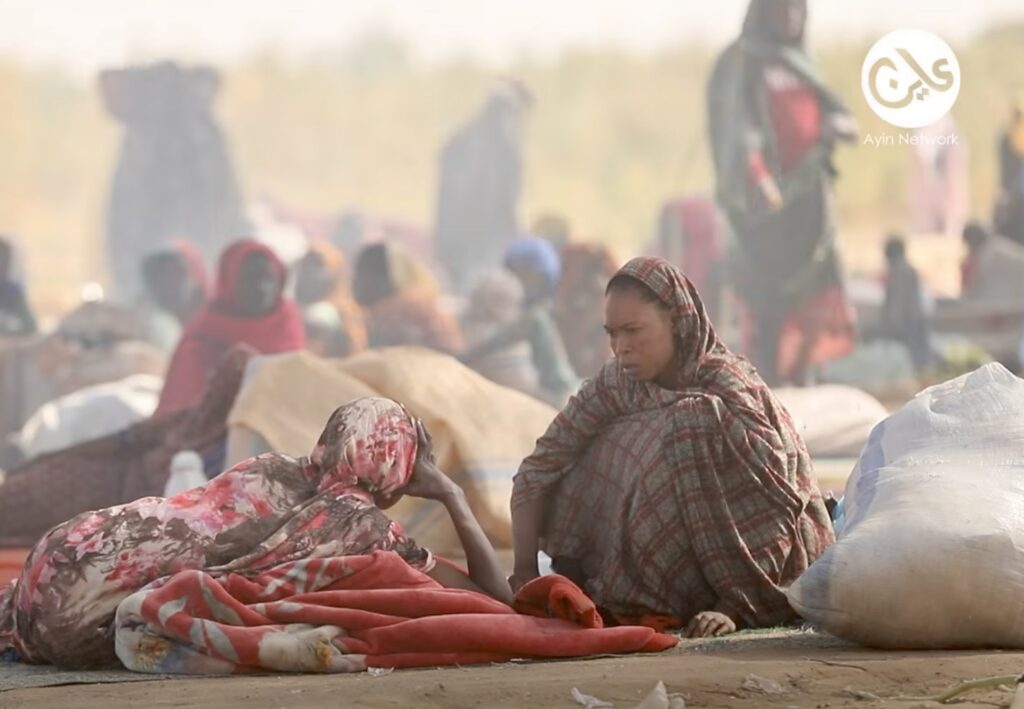
United Nations agencies have sharply curtailed humanitarian assistance across camps housing hundreds of thousands of Sudanese refugees in eastern Chad, halting food rations and essential healthcare services.
Emergency room volunteers told Ayin that UN agencies have restricted assistance exclusively to households categorised as “vulnerable”—specifically widows and orphans—cutting off support for the general refugee population.
The withdrawal of aid has left families facing desperate choices. “Food rations have stopped completely, just as cash assistance stopped a long time ago,” says Mohamed Khubair, a humanitarian volunteer in the Adré camp. “Tens of thousands of refugee families in eastern Chad, most of them from the Darfur region, feel disappointed and are thinking of returning to Sudan despite the risks of war and the roads being blocked by armed men.”
The crisis has severely disrupted daily life and schooling for displaced children. Aisha, a volunteer teacher in one of the camps, explained why classrooms are emptying. “Families are not enthusiastic about sending their children to school because of the difficulty in securing food, as they face daily crises of water, medicine and food,” she said, emphasising that the ongoing conflict continues to force thousands more across the border to escape air strikes and armed attacks.
An estimated 150,000 refugees in the eastern Chad camps are now surviving on only one meal a day, relying almost entirely on informal community solidarity rather than on organised humanitarian aid.
“Some families share what little food they have, a common practice among Sudanese, but there is no regular aid coming door-to-door to provide food for the refugees daily… Such assistance is currently nonexistent,” said Mohammed Bakhit, a former aid worker with a relief agency.
 3) Escalating clashes and drone strikes fuel humanitarian crisis in Blue Nile
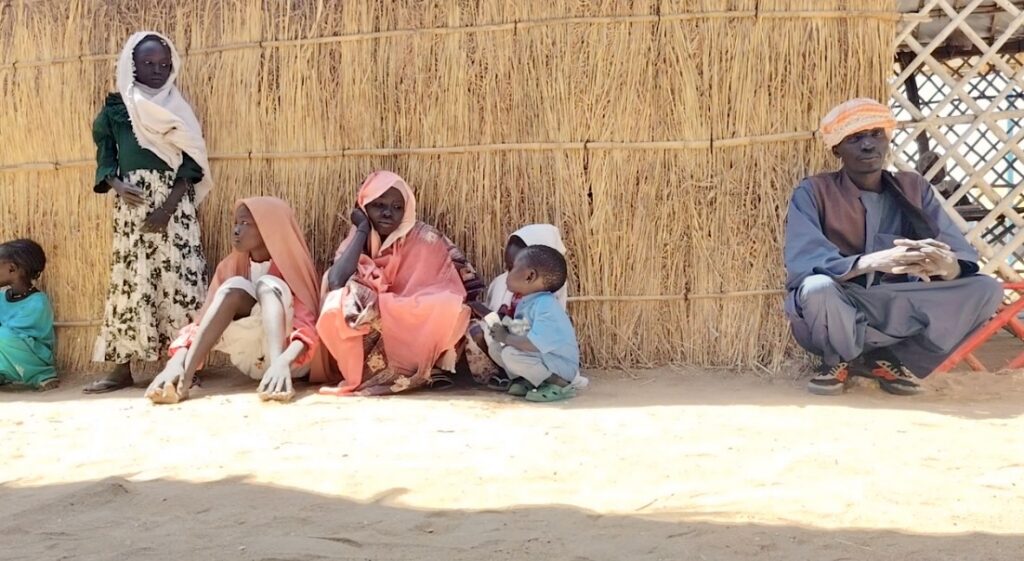
A sharp escalation in ground fighting and drone attacks swept Sudan’s southeastern Blue Nile region this week, leaving dozens of civilians dead and triggering widespread displacement across Wad Al-Mahi, Kurmuk, and the regional capital of Damazin. The violence has crippled critical infrastructure and rapidly exacerbated emergency needs, driving thousands of newly displaced residents into overcrowded shelters.
Heavy ground fighting erupted in Wad Al-Mahi after the paramilitary Rapid Support Forces (RSF) seized positions in the Kadalo Mountains. The RSF and its ally, the Sudan People’s Liberation Movement-North (SPLM-N), subsequently launched an assault on the town of Umm Darfa east of the Blue Nile, but the Sudanese Armed Forces (SAF) repelled the push. In the border locality of Kurmuk, military officials similarly reported thwarting an RSF offensive in the Jabal Kadam area, maintaining armed forces control over the territory.
The escalation also involved devastating drone strikes that targeted both residential areas and vital facilities. In Wad Al-Mahi, an attack on the Abu Shandi area killed approximately 30 civilians and left 13 wounded, while separate suicide drone strikes knocked a hospital out of service. In Damazin, regional authorities confirmed that RSF drones hit civilian sites—including the Technical College and the residence of the Minister of Finance—alongside a strike on a residential building in the Al-Hijra neighbourhood, killing four women and injuring 12 women and children.
The relentless fighting has triggered a severe humanitarian crisis across the region. With displaced families fleeing frontline areas to seek shelter in Damazin camps, local authorities and medical facilities face acute shortages of basic necessities, emergency care, and essential pharmaceutical supplies.
 4) At least 16 civilians killed in drone strikes across West Kordofan
At least 16 civilians, including women and children, have been killed following a series of drone strikes that struck the towns of Al-Nuhud and Ghabish in Sudan’s West Kordofan state late last week. The strikes, which hit residential areas and facilities sheltering displaced families, have drawn sharp condemnation from human rights observers and the international community.
In Al-Nuhud, an aerial strike on Thursday targeted a local government compound housing displaced persons, killing at least 12 people and wounding eight others. Both the United Nations Office for the Coordination of Humanitarian Affairs (OCHA) and the local monitoring group Kordofan Observatory confirmed the casualties, noting that the victims were predominantly women and children and that the attack was part of a week-long wave of drone strikes across the locality.
Strikes also targeted residential sectors in Ghabish, an area currently under the control of the Rapid Support Forces. Local sources reported that a Sudanese army drone struck a non-military neighbourhood on Friday, killing four members of a single family—identified as Anwar Abkar, Abdullah Abkar, and their two children—and hitting a civilian vehicle. OCHA separately documented that an additional five civilians, including three children, died in Ghabish during strikes the preceding day.
Denouncing the attacks, OCHA warned that the escalating use of unmanned drones across Sudan is placing non-combatants and internally displaced populations at severe risk of injury and death. The humanitarian agency reiterated urgent demands for all conflicting parties to uphold international humanitarian law and cease attacks on civilians and vital civilian infrastructure.
5) The Quintet resumes meetings to broker a ceasefire, peace in Sudan
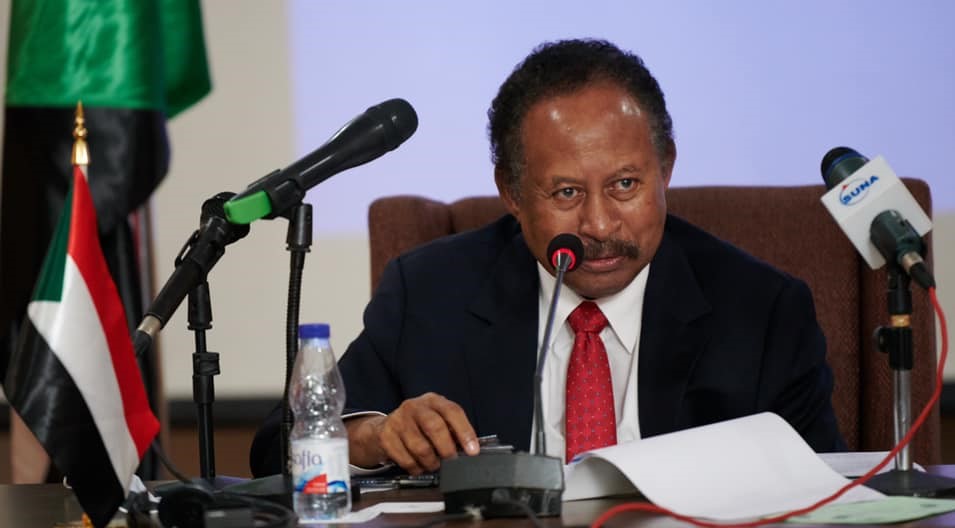
The five-member diplomatic mechanism mediating the Sudanese crisis has resumed separate consultations with political and civil forces to negotiate pathways toward a ceasefire and end the war. Meetings took place concurrently across two regional capitals, with anti-war groups convening at the African Union headquarters in Addis Ababa and representatives of the Sudanese Founding Alliance government “Tasis” meeting mediators in Nairobi.
During the Addis Ababa sessions on Monday, October 12, the anti-war civil delegation presented an integrated peace roadmap structured around three simultaneous tracks: humanitarian response, a ceasefire, and political dialogue. Stressing the urgency of an immediate, unconditional humanitarian truce to safeguard civilians and deliver aid, the delegation insisted that any peace process must remain Sudanese-led and Sudanese-owned. Their framework also called for unifying regional mediation under an umbrella combining the Quintet, Quartet, and Troika, expanding the arms embargo nationwide, severing conflict financing, and excluding the National Congress Party and Islamist movement affiliates.
In Nairobi, a delegation from the RSF-controlled Tasis (or “Foundation”) alliance met with Lawrence Korbandi, the Intergovernmental Authority on Development (IGAD) representative within the five-member mechanism. Discussions focused on evaluating the committee’s recent diplomatic tour in Sudan, addressing differing viewpoints, and reviewing political paths forward. A statement from the Government of National Accord noted that Foreign Minister Ammar Amoun and Alaa El-Din Awad Naqd reviewed the committee’s direct outreach across various Sudanese regions.
Comprising the African Union, IGAD, the Arab League, the European Union, and the United Nations, the five-member Quintet mechanism coordinates regional and international diplomacy to support a sustainable civilian democratic transition. Throughout 2026, the mechanism has intensified consultations with political blocs and synchronised its initiatives with the Quartet—the United States, Saudi Arabia, Egypt, and the United Arab Emirates—to avoid overlapping mediation efforts.
 6) Government austerity plan faces scepticism as bread prices surge
Sudanese Prime Minister Kamil Idris has announced a government austerity plan and spending cuts aimed at addressing the country’s severe economic crisis and easing the burden on citizens. Speaking during a meeting with cabinet ministers and undersecretaries on Sunday, Idris stressed the importance of fiscal restraint, while the undersecretary of the Ministry of Industry unveiled an initiative to establish subsidised bakeries to curb rising bread prices.
The government’s announcement comes amid widespread public frustration over worsening shortages and sharp price hikes, with two loaves of bread reaching 1,000 Sudanese pounds across several states and parts of the capital following weekend shortages. Maryam Al-Hajj, a housewife living south of Khartoum, told Ayin that bakeries have begun selling two loaves for 1,000 pounds, leaving an average household facing monthly bread expenses of approximately 120,000 pounds.
Bakery operators maintain that steep operational costs have left them with no choice but to rely on costly generators and solar power, as widespread disruptions to the public electrical grid have made such measures necessary. One automated bakery owner in Wad Medani, Al-Jazeera State, said that installing solar panels cost roughly 20 million pounds to sustain production during prolonged daily blackouts.
Economic analyst Mohamed Ibrahim downplayed the impact of the spending cuts, arguing that lasting stability requires an end to the fighting and intervention in the collapsing exchange rate, as military expenditures continue to drain state resources. Ibrahim characterised the prime minister’s austerity drive as “throwing dust in the eyes,” noting that the government has failed to reform heavily loss-making state companies or to halt an estimated $3 billion in annual gold smuggling.
 7) Ground attacks in North Kordofan abate, drone strikes on El Obeid continue
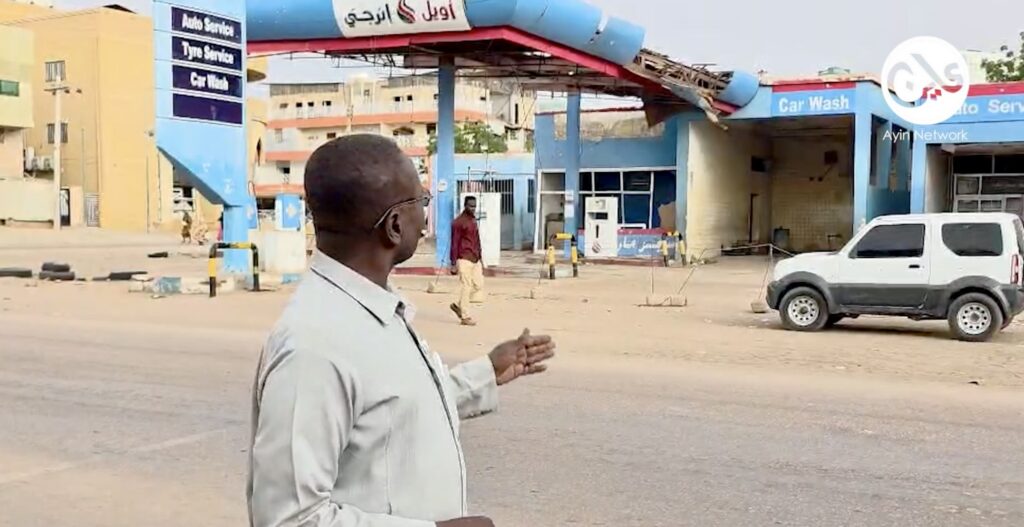
Ground fighting across Sudan’s Kordofan region slowed this past week following recent advances by the Sudanese Armed Forces and allied militias, yet the North Kordofan capital of El Obeid remains under persistent aerial assault. The relative calm on the ground follows weeks of intense combat along the northern and western axes, which culminated in the military capturing the strategic Al-Mazroub area and forcing Rapid Support Forces (RSF) fighters to pull back westward.
Despite the pause in territorial clashes, El Obeid has faced repeated, hours-long drone bombardments. Local sources reported extensive pre-dawn raids on Friday and Sunday, with explosions reverberating across multiple neighbourhoods. Sunday’s attack lasted from 1:00 AM to 5:00 AM, echoing a similar assault on Friday that continued until 6:00 AM. Exact strike targets, casualties, and property damage have not yet been independently verified.
While army forces and allied fighters halted their westward push after securing Al-Mazroub—briefly probing further west before pulling back—the shifting dynamics offer little relief to civilians. Though front-line ground battles have stalled, escalating drone operations continue to fuel deep instability and fear across El Obeid.
 8) Increase in dengue fever cases in Damazin
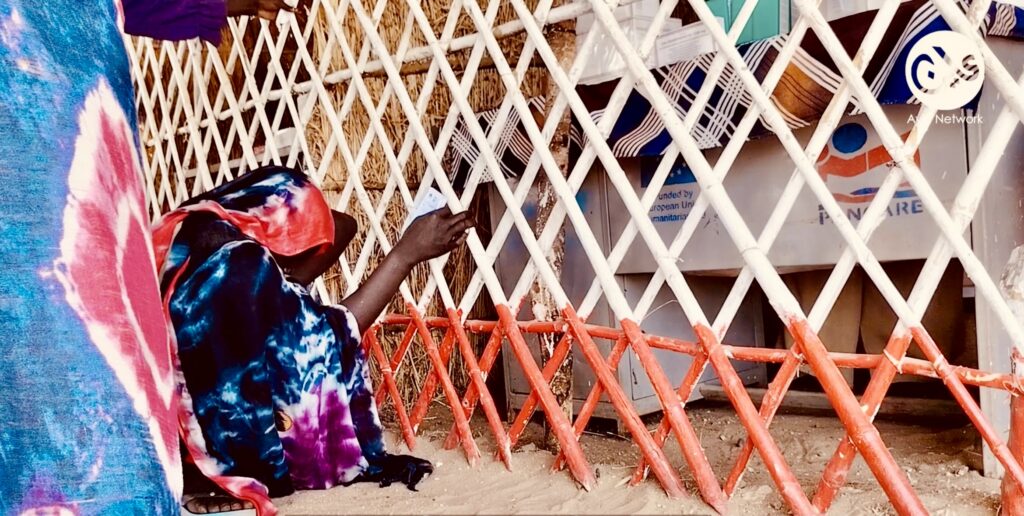
The city of Damazin, the capital of the Blue Nile region, is facing a severe surge in dengue fever cases that is overwhelming local health centres and hospitals with limited resources. While the regional health ministry reported nearly 3,000 cases in Damazin, the preparatory committee of the Sudanese Doctors Syndicate has documented 350 laboratory-confirmed infections and 39 deaths, including 13 in the city itself. In contrast, the region’s “Civil Society Initiative” disputes the official figures, reporting that field monitoring across neighbourhoods indicates infections exceeding 5,000 and deaths surpassing 30, leaving impoverished residents struggling to afford diagnostics and essential treatments.
A doctor at Damazin Hospital told Ayin that the area is enduring what she believes to be “the third wave of dengue fever this year,” with medical facilities grappling under an escalating influx of patients. “We receive about 100 cases daily for medical observation, with symptoms ranging from stable to critical,” she said, noting that “some patients receive treatment in outpatient clinics, while others require hospitalisation.” She added that while medical personnel remain present, costs have soared—dengue tests cost around 30,000 Sudanese pounds and a complete blood count (CBC) costs 15,000 Sudanese pounds—with irregular supplies of basic painkillers like paracetamol deepening the financial strain on families.
A volunteer from the Damazin Emergency Room reported that cases have multiplied over the past two weeks, spreading across the northern, central, and southern sectors of the city. In response, local volunteer groups have carried out community awareness campaigns and distributed limited supplies of mosquito nets and insecticides to households. The outbreak is driven by mosquitoes breeding in stagnant rainwater and uncovered residential water containers, prompting health workers to urge residents to drain standing water, cover storage tanks, and use insect repellents and bed nets to curb transmission.
Warning of increasing risk of famine in Darfur and Kordofan regions
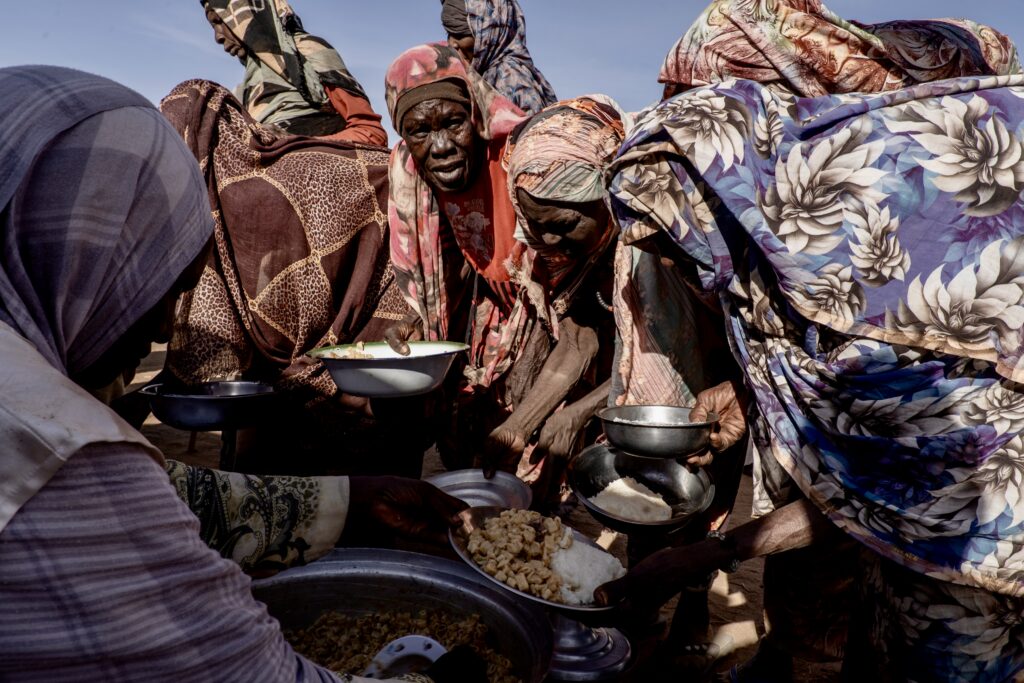
The Integrated Food Security Phase Classification (IPC) has warned of an accelerating risk of famine across parts of Sudan’s Darfur and Kordofan regions, as armed conflict and severe climate shocks push communities toward catastrophe. The agency cautioned that persistent drought and fighting will hasten the depletion of critical food reserves across both greater regions.
Sudan is currently grappling with one of the most severe drought crises in its modern history. Compounded by the El Niño phenomenon, erratic rainfall and prolonged dry spells have devastated rain-fed farmland and grazing pastures, eroding the livelihoods of millions. In North Darfur, delayed rains have crippled local agricultural production, forcing displaced farmers to rely on strained local markets for food instead of their farming.
Conditions are especially dire in South Darfur, where nutritional screening among internally displaced persons reveals worsening acute malnutrition. “The proportion of children receiving nutrition services and admitted for treatment of severe acute malnutrition has doubled in Nyala city and quadrupled in Kass region,” the report said.
In Greater Kordofan, escalating violence has displaced more than 300,000 people since October 2025. Intense fighting across North Kordofan has driven farming communities into El Obeid, severely curtailing their prospects of resuming agricultural activities until regional security stabilises and aid access is granted.
Humanitarian operations are simultaneously hampered by severe funding shortfalls and rampant insecurity, with the 2026 Sudan Humanitarian Response Plan funded at less than 50 percent. The perils confronting relief operations were underscored by a recent attack on two World Food Programme trucks, which left one driver dead and further impeded the flow of vital aid into conflict zones.
Reinforcing the warning, the IPC’s Famine Review Committee emphasised that survival infrastructure in conflict areas has collapsed. The committee reported that vital systems necessary for survival “have been systematically targeted”, noting that prolonged deprivation has exhausted resources and coping strategies “not only for families but for entire communities and extended family networks”.
Highlighting the bleak outlook following an exceptionally meagre harvest season, the committee said: “Sudan is witnessing a humanitarian catastrophe that has already reached historic dimensions.” With crisis conditions projected to endure throughout 2026 and into early 2027, the committee stressed that averting catastrophe requires not only scaled-up relief funding but also concerted diplomatic pressure on all warring parties and their external backers to guarantee unhindered humanitarian access.