





Starvation or shelling: Dwindling aid in Uganda forces Sudanese refugees back to the battlefield
14 September 2026
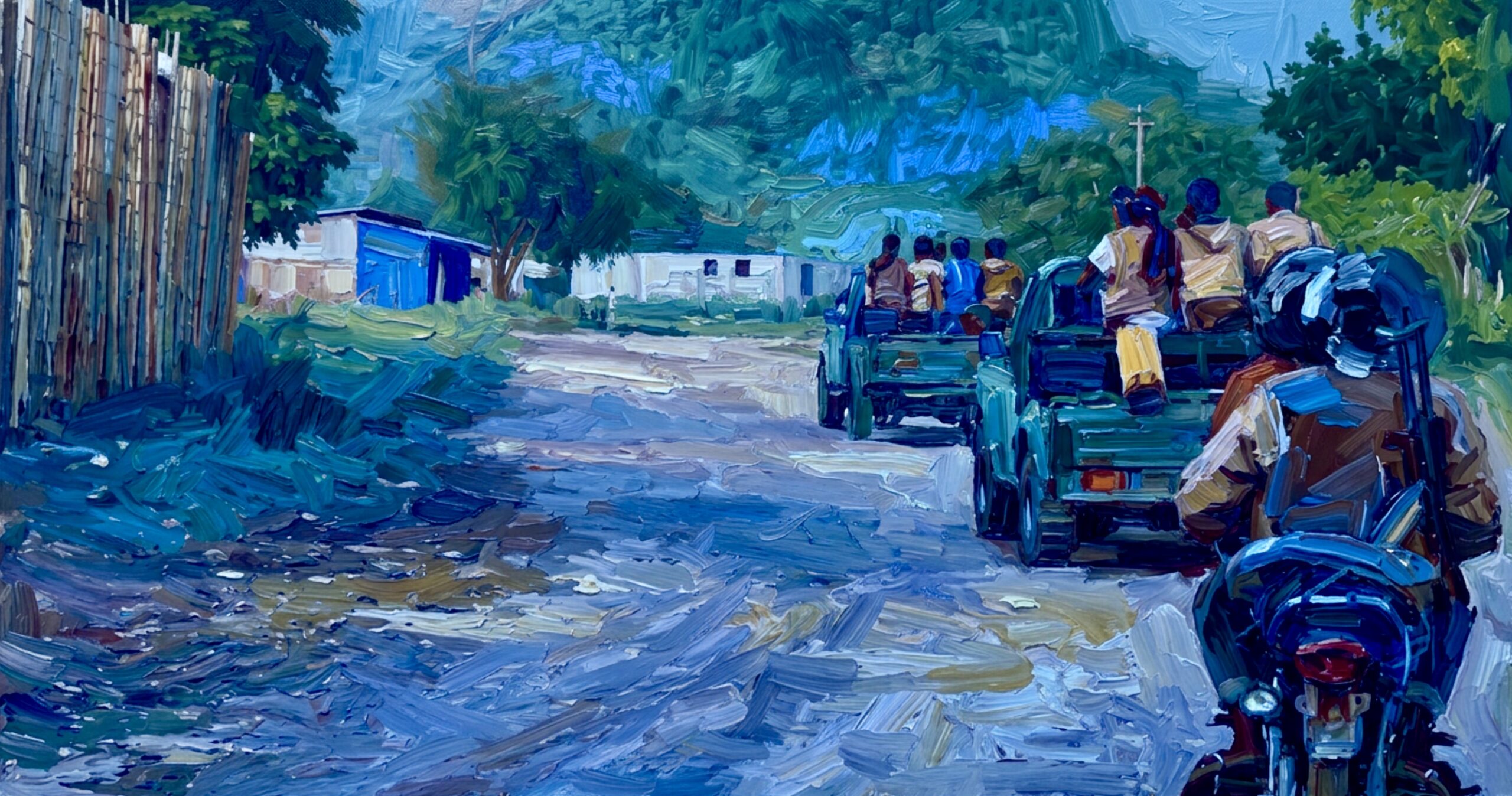
From the Al-Manshiya neighbourhood in eastern Khartoum, the Sudanese capital, to a refugee camp in northern Uganda, Ali Ishaq Idris, 22, faced a series of challenges. While fleeing the war in Khartoum, a stray bullet hit him in the leg, forcing him to walk on crutches while displaced in the hilly, rural Kiryandongo Refugee Camp in Uganda. Despite this, Ali Shaq is considering returning to Khartoum given the lack of food in the camp.
Ali relies on the community kitchens set up by Sudanese volunteers in Kiryandongo, northern Uganda, for his survival, as he has no employment or financial support from international agencies.
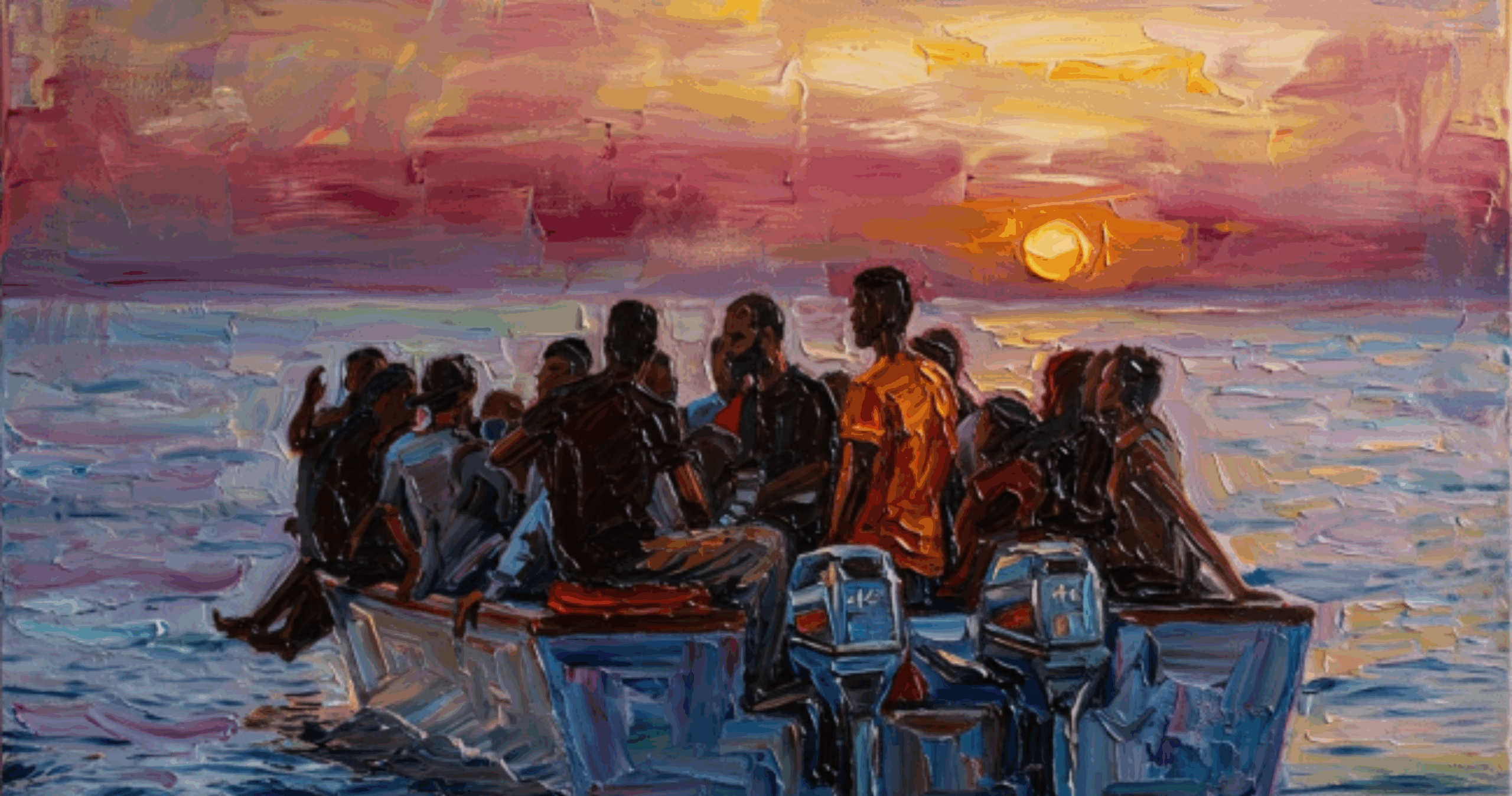
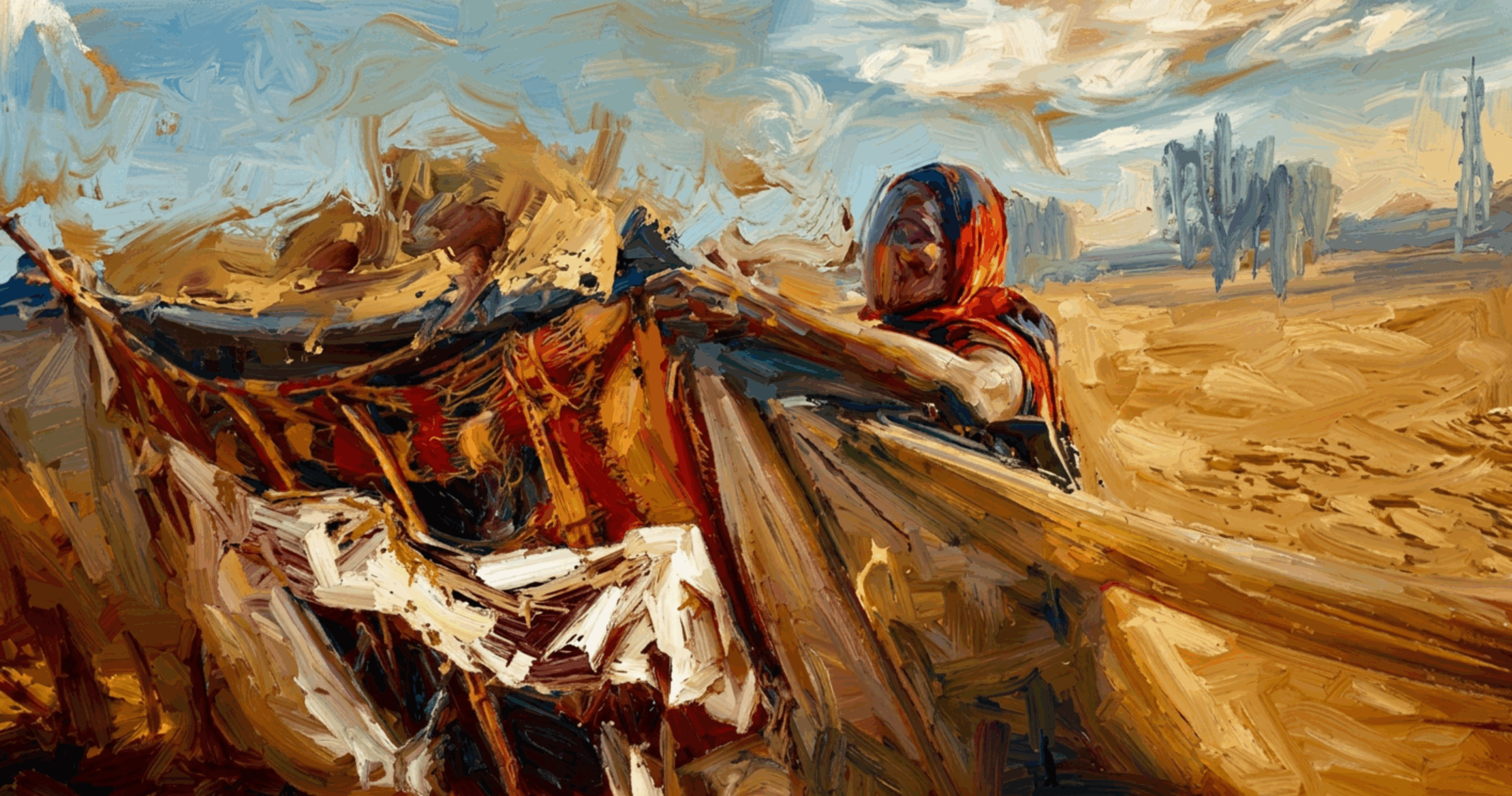
Many Sudanese refugees like Ali dream of going home to Sudan, but economic hardships and a shaky security situation there prevent most from making this decision. In February, a Sudanese government committee in the army-controlled region launched a free initiative for the voluntary return of refugees, transporting thousands back home.
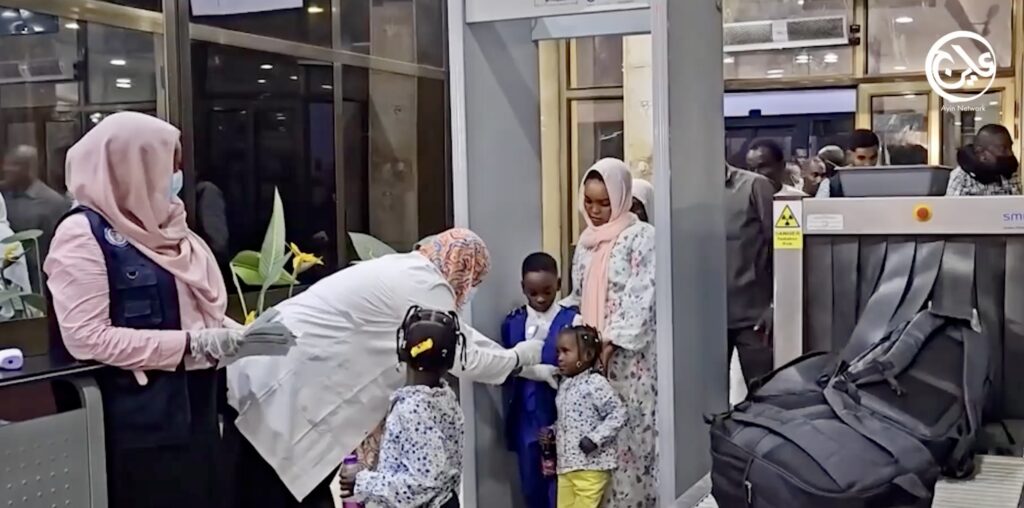
Choosing between hunger and conflict
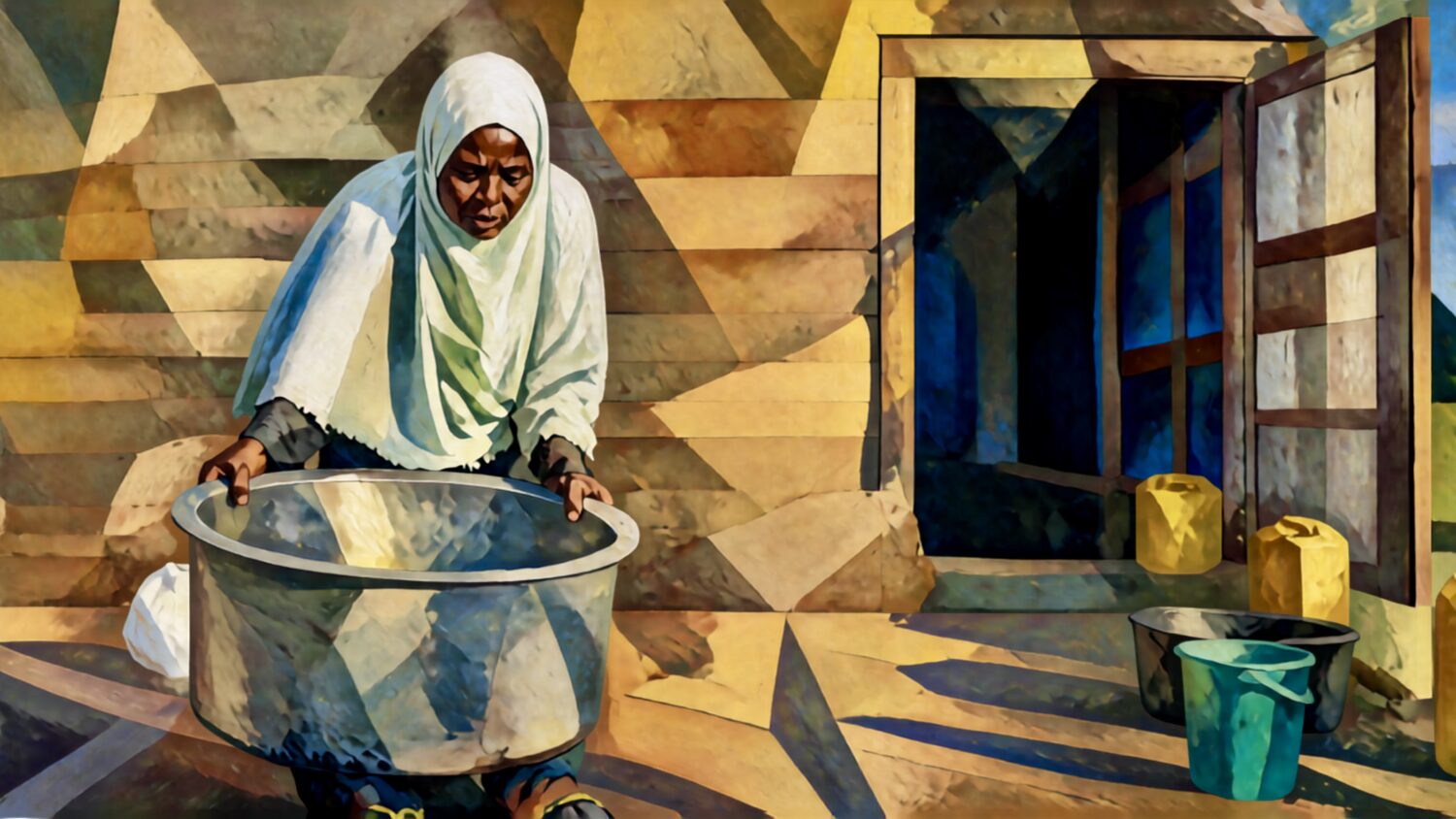
“I decided to return to Khartoum; talking about life here is unbearable,” said one mother of six to Ayin in Kiryandongo Camp. “I know the security situation there is still precarious, but the cost of living forces us to make this choice, and I also want to ensure my children have access to education.” Those who returned before her assured that the situation in Khartoum was now “somewhat acceptable” despite the high food prices within the capital. “I will return through the free voluntary return programme because I struggle here every day, even to find drinking water.
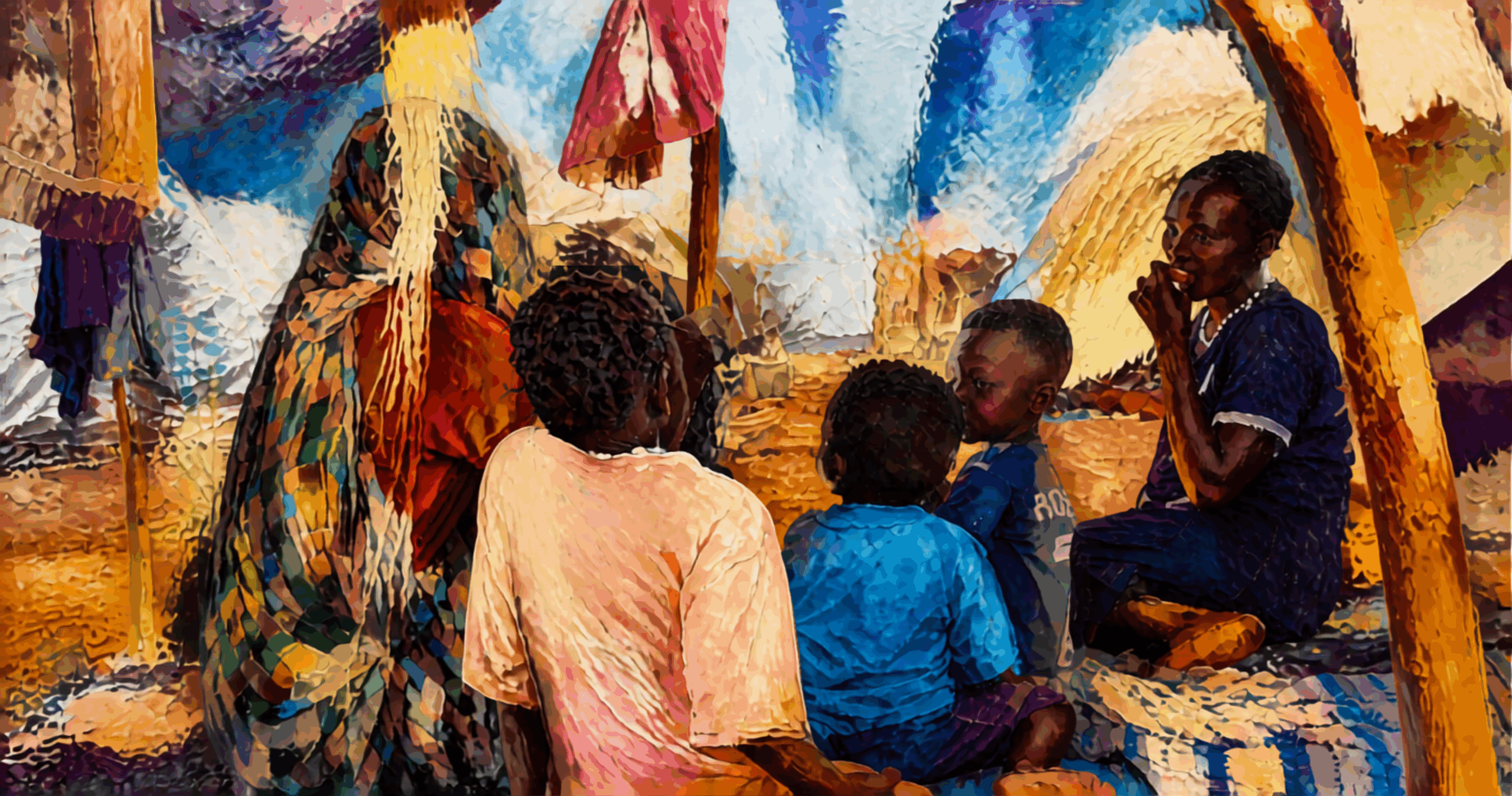
Mutasim Ahmed Mohamed, secretary of Kiryandongo Camp’s communal kitchens, reports that 26 local kitchens distribute free daily meals to 17,000 Sudanese refugees on a daily basis. Every morning, five kitchens serve nutrient-dense soy porridge (Madeeda) to keep children full, followed by a late-afternoon lunch for anyone in need, including neighbouring non-Sudanese refugees. The initiative relies entirely on Sudanese donors and local Ugandan NGOs rather than targeted UN funding. There are, however, still severe gaps, Mutasim told Ayin, inducing refugees to return to Sudan, including three of his friends.
Refugees in Kiryandongo do not receive fixed or regular subsidies, explains Nahla Hassan, a humanitarian affairs researcher, and must rely on communal kitchens. According to sources within the camp, cases of malnutrition have arisen over the past two years, especially among children and the elderly – in some cases even leading to deaths.
While some families relied on meagre remittances from relatives within the country, the Sudanese pound is now so weak that few in the camp can rely on it any longer. In 2024, 100,000 Sudanese pounds would bring US$ 50 and 170,000 Ugandan shillings. Now, Nahla says, such a remittance only brings $15 (54,000 shillings).
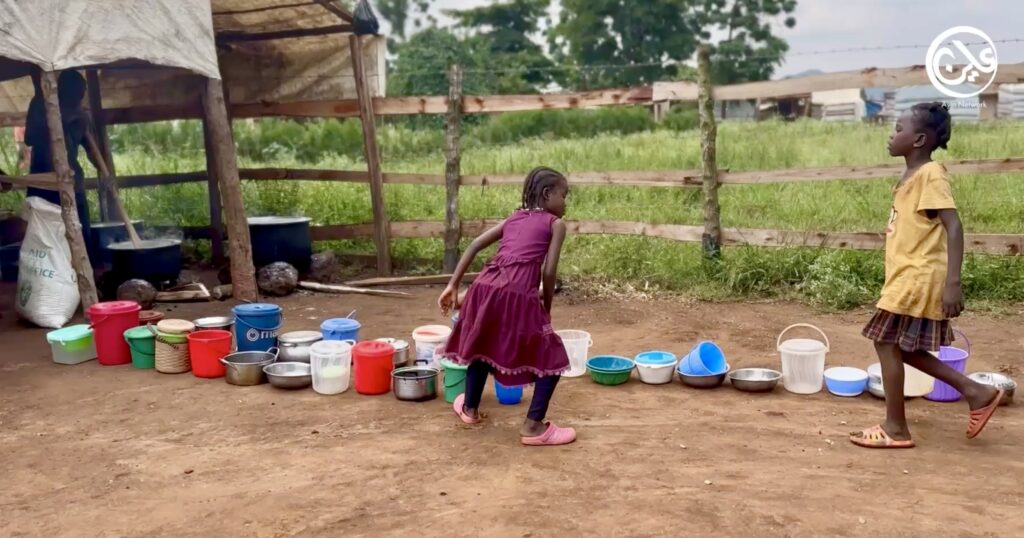
First solution: end the war
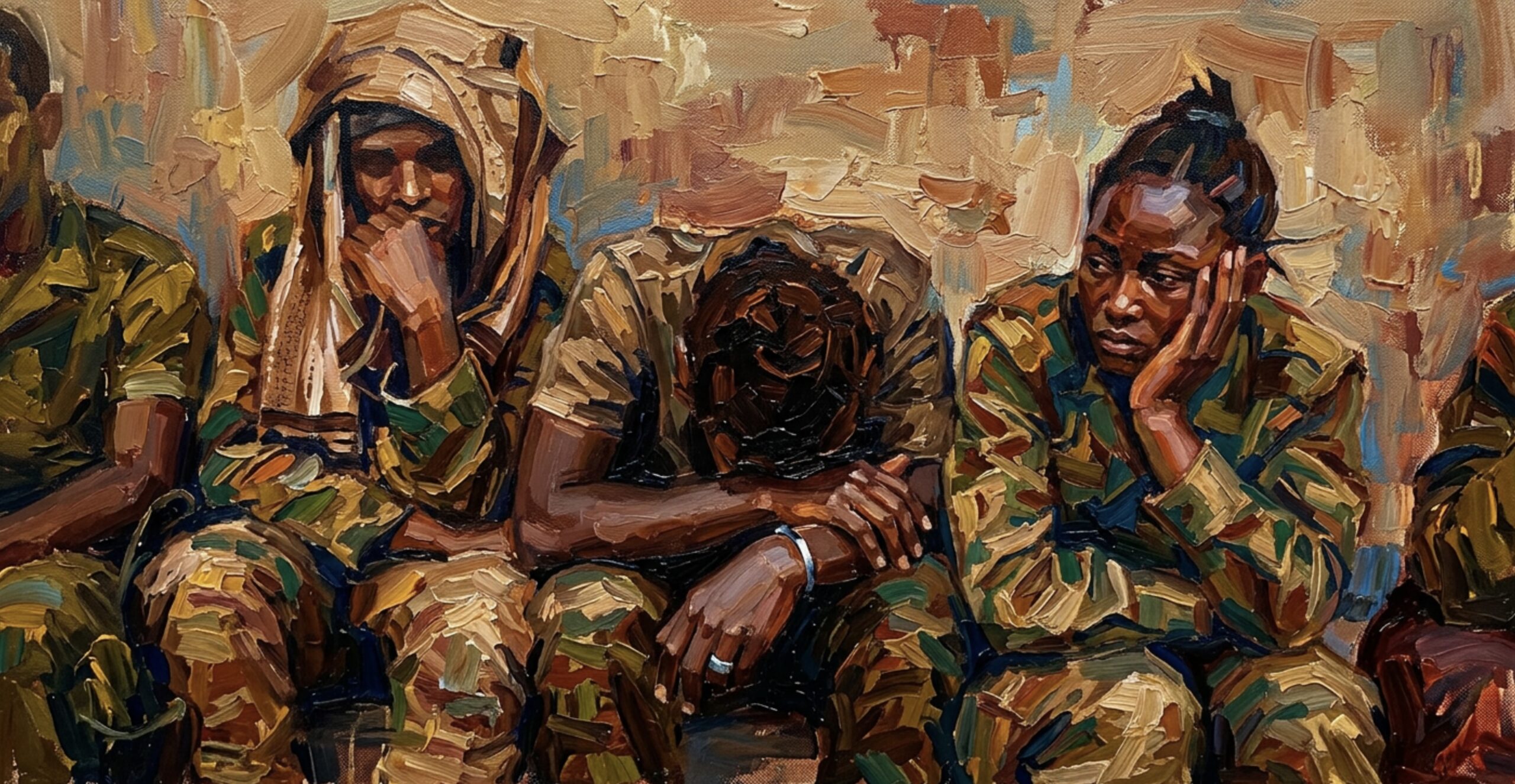
Former camp aid worker Ahmed Abdel Salam told Ayin that deteriorating conditions—including poor nutrition, limited healthcare, persistent fear, and disrupted education—are having a serious physical and mental impact on refugees. With international aid plummeting and volunteer kitchens struggling to operate on erratic donations, many now feel remaining in the resource-deprived camp is futile.
“First and foremost, we need an immediate end to this war,” Ahmed said. “If peace cannot be immediately achieved, then the Sudanese government must step up and protect its citizens’ dignity through repatriation and aid rather than abandoning us to hunger and neglect abroad.”