

Sudan’s revolutionaries: A glimpse into the lives of Sudan’s 2019 activists in Egypt and East Africa
17 August 2026
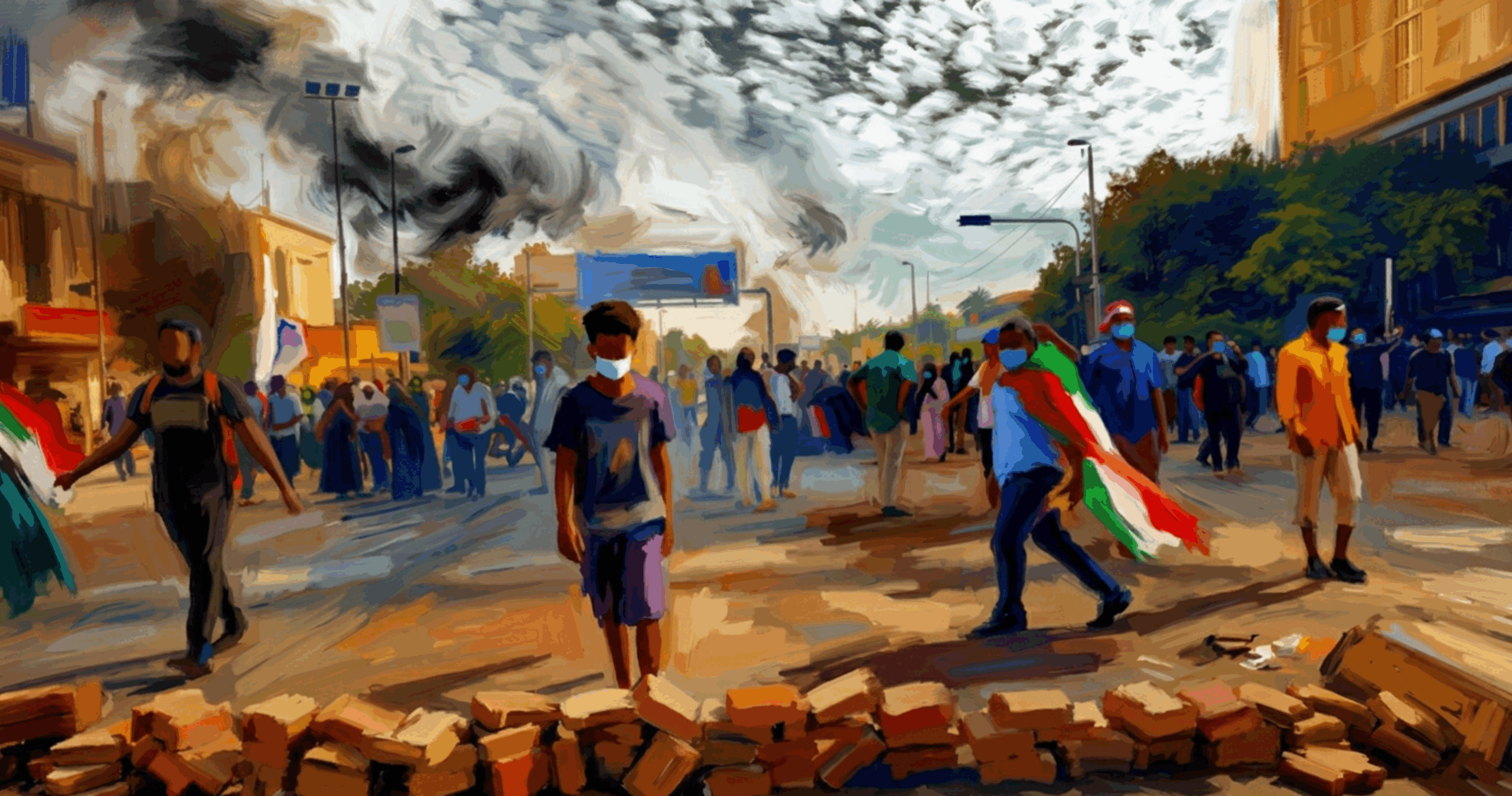
Seven years after the 2019 Revolution, Sudan’s activists no longer gather and protest in the streets of Khartoum. They are scattered everywhere around the world. Some now coordinate humanitarian aid. Others organise cultural events, document the war, or advocate for Sudan from abroad. Some left politics altogether. Others have joined the armed groups that many revolutionaries once opposed.
When Sudanese people took to the streets in December 2018, few could have imagined where this journey would lead. The revolution that toppled Omar al-Bashir in 2019 was built on extraordinary collective action. The Sudanese Professionals Association (SPA) and grassroots organisations, such as the Neighbourhood Resistance Committees (NRCs), organised protests street by street. Youth risked arrest and death to demand freedom, peace, and justice. Women became symbols of the movement, artists transformed public spaces, and for a brief moment many believed Sudan could become something fundamentally different.
Today, that same generation lives in a different reality.
The war between the Rapid Support Forces (RSF) and the Sudanese Armed Forces (SAF), which erupted in April 2023, has displaced more than fourteen million Sudanese and scattered much of the revolutionary movement across the region and the wider world.
Ayin spoke to more than thirty former and current Sudanese activists based in Egypt and Kenya – two countries that offer sharply contrasting environments for political organising. Their experiences reveal how profoundly host countries shape the possibilities for activism in exile.
A generation with many paths
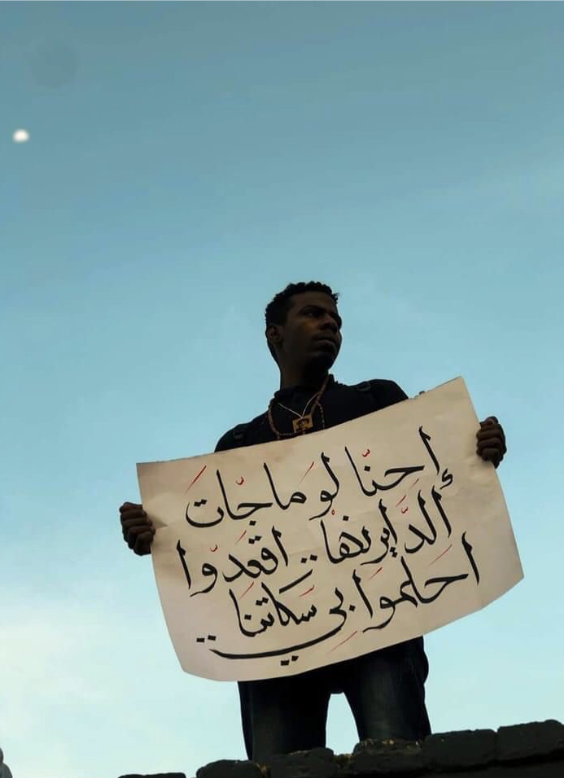
Looking back, few activists described Sudan’s revolution simply as a success or a failure. For most, it remains the defining moment that transformed their understanding of Sudan, their place within it, and their political identity. Those who were young during the revolution described 2019 as the first time they became politically aware. Participating in demonstrations, organising resistance committees, documenting abuses, and supporting neighbourhood initiatives reshaped their understanding of citizenship and collective responsibility.
Yet the war fundamentally altered what political engagement can look like.
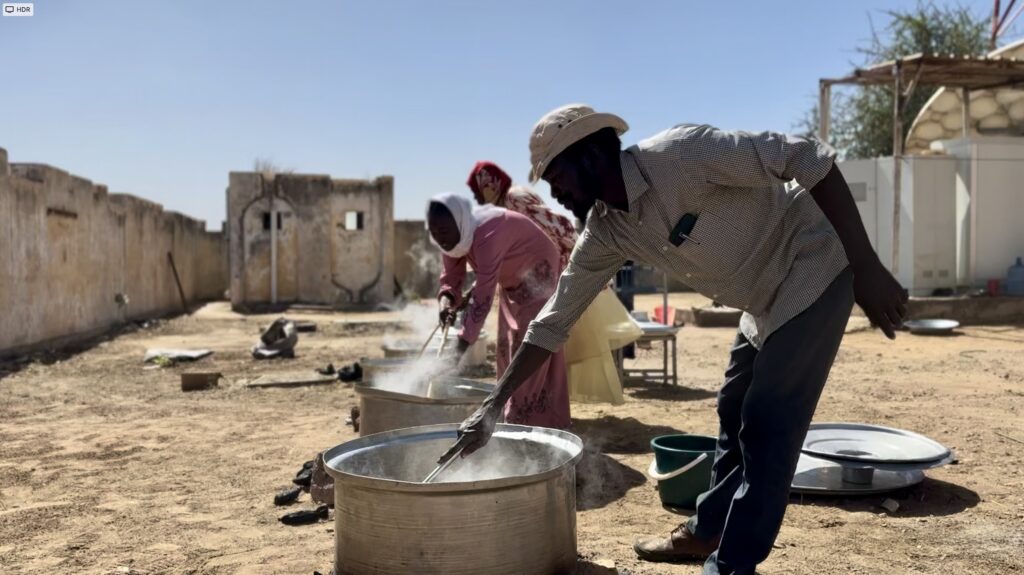
Activism has shifted from organising protests to responding to Sudan’s humanitarian catastrophe. Interviewees spoke of coordinating emergency relief, especially through the Emergency Response Rooms (ERRs), documenting human rights abuses, working with refugee organisations, organising cultural initiatives, and advocating internationally for Sudan.
Not everyone, however, has remained politically engaged. Among the activists interviewed, three had stepped away from activism altogether. Years of political upheaval, war, displacement, and personal loss had left them exhausted, while others spoke of friends who no longer believed political engagement could shape Sudan’s future. Amal*, for instance, stopped posting about Sudan on social media, despite having once been highly active. She even stopped following the news, explaining that “being up to date would make me stop functioning.” Reflecting on her previous activism, she felt that her efforts had ultimately been “for nothing.”
Others described a more painful reality: watching former revolutionaries join either the army or the Rapid Support Forces. For some, the situation was particularly difficult to reconcile with the ideals that had united them during the revolution, leading to deep disagreements and broken friendships. “How can you be part of a revolution and fight for a democratic future and then one day stand beside one of the two fighting sides?” one activist posed to Ayin. “War is very ugly, and I don’t know how people are accepting it.”
Interviewees offered different explanations for why former activists had taken up arms. Some saw that they had lost faith in peaceful resistance altogether and abandoned the dream of a democratic Sudan. Others understood these choices as more personal decisions, shaped by family obligations, insecurity, or the need to survive. As one activist noted, joining one of the armed forces could at least provide a regular income. Whatever the motivation, the decision to take up arms has fractured friendships and activist networks that once appeared remarkably united.
Egypt: When survival comes before activism
Host countries have profoundly shaped the trajectories of Sudanese activists in exile, influencing what they can and will do.
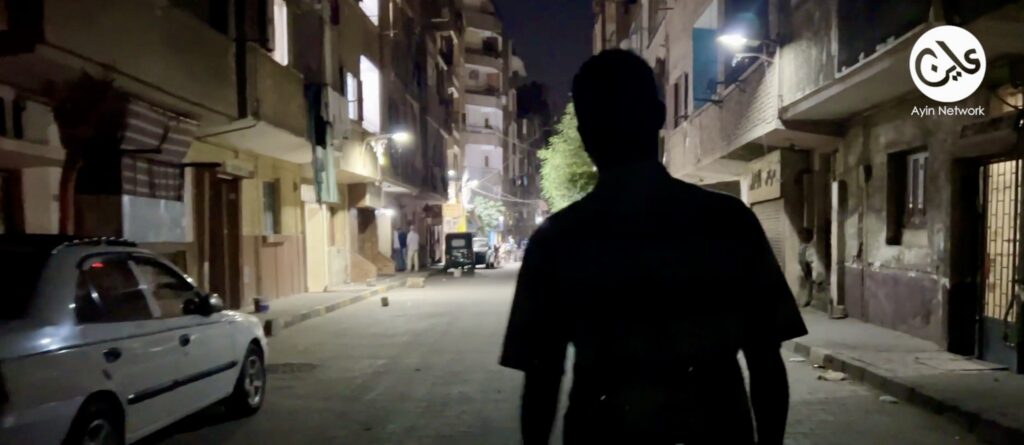
Egypt now hosts the largest population of Sudanese displaced by the war, estimated between 850,000 and 1.5 million. For many Sudanese families, Egypt was the most accessible destination because of its geographic proximity, common language, previously more permissive visa regime, and lower cost of living compared with many other potential host countries. For many activists interviewed for this article, Egypt is where they have faced the most constraints on political engagement. Activism has not disappeared, but it has become quieter, more cautious, and often invisible.
Monzir* is a human rights activist who recently moved to France due to the constraints he faced in Egypt. “You’re sitting in a very big jail, and that’s it. Even moving from Giza to downtown Cairo is difficult.” He points to the many random police arrests of Sudanese in Cairo. Fear comes up in almost every conversation. Interviewees described avoiding demonstrations, limiting political discussions to trusted friends, and becoming increasingly cautious online. Many worried that speaking publicly about Sudanese or Egyptian politics could jeopardise their security or legal status.
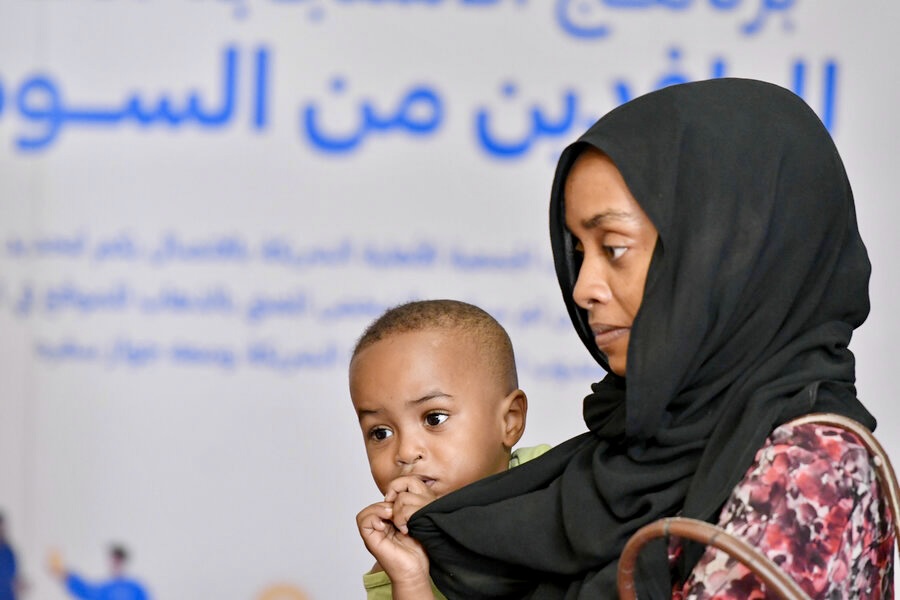
Nearly every interviewee knew someone who had faced arrest for different reasons. It turned most activists quiet: “No one wanted to disappear and worry their families,” says Fatma*, a journalist and feminist activist in Cairo. The risks are not merely perceived. During the reporting for this article, one prospective interviewee suddenly stopped responding to messages. A week later, an activist’s mother reached out to Ayin. “Hi, I’m Musa’s mom. Sorry we didn’t reply to you before. Musa was arrested; that’s why no one answered. He has UNHCR papers, but they still said he would be deported. Right now we are trying to handle the deportation procedures.” Musa was deported to Sudan a week later.
The atmosphere of caution extends beyond explicitly political activities. Two Sudanese medical students described how they organised an annual international cultural day at their university. According to them, one of the university employees explicitly warned them not to raise the Sudanese flag or even talk about the ongoing war in Sudan.
Economic pressures further narrow the space for activism. Most interviewees struggled to find stable employment while simultaneously supporting relatives still in Sudan. Several also spoke of discrimination in everyday life. “It becomes so clear that I am a Sudanese refugee in a place where I am not wanted,” another activist in Cairo said. Mental health struggles, such as PTSD or depression, further constrain capabilities. Under these conditions, survival often takes precedence over political organisation.
Yet activism has not disappeared; it has adapted. Many interviewees have shifted their efforts towards humanitarian work, community initiatives, and cultural projects that strengthen ties within the Sudanese diaspora. Some have established mental health organisations to support refugees. Yasmin*, for example, founded a support group for young Sudanese women in Cairo. Others organise film screenings, poetry evenings, music performances, and informal community gatherings. “It was fun, but it was supposed to happen in Sudan,” one of the organisers told Ayin.
Nairobi: Space to organise
For many interviewees, Nairobi offered a markedly different experience. Life in Kenya is not always easy. Financial insecurity, uncertain legal status, and the emotional toll of displacement remain constant realities. Mistrust within the Sudanese diaspora further limits activists’ sense of safety and freedom. Yet unlike in Egypt, many described feeling able to participate openly in Sudanese civic life. For some, moving to East Africa, such as Uganda or Kenya, meant finally being able to feel safe. “The politics of Sudan and Egypt are too similar, um, too oppressive, too authoritarian,” says Dina*, a refugee based in Kampala, Uganda. “But in East Africa, it’s more free. I love East Africa.”
Tariq*, a Nairobi-based civil society activist, agrees. “I am best off here in Kenya; it feels like home. Here in Kenya is a big free space, as long as you just speak about Sudan. Freedom is fine, really fine.”
Nairobi has become an important hub for Sudanese civil society. Community organisations, humanitarian initiatives, media platforms, and advocacy groups have emerged across the city. Former resistance committee members who once organised demonstrations in Khartoum now coordinates relief efforts, documents human rights violations, hosts public discussions, and engages with international organisations working in Sudan. A notable example of such an organisation is the Sudanese Youth Network (SYN), which includes many Sudanese who were active during the Revolution. This relative openness has also encouraged new forms of collaboration. Interviewees described activists, artists, journalists, researchers, and humanitarian workers coming together in ways that would have been difficult elsewhere. Adding to that is that most feel welcome by the people here; they do not face as much discrimination.
At the same time, the sources emphasised that this situation does not mean politics has become easier. Many continue to grapple with guilt over leaving Sudan while friends and relatives remain trapped by the conflict. Others questioned whether advocacy from abroad could ever replace organising within the country.
Identity and the future
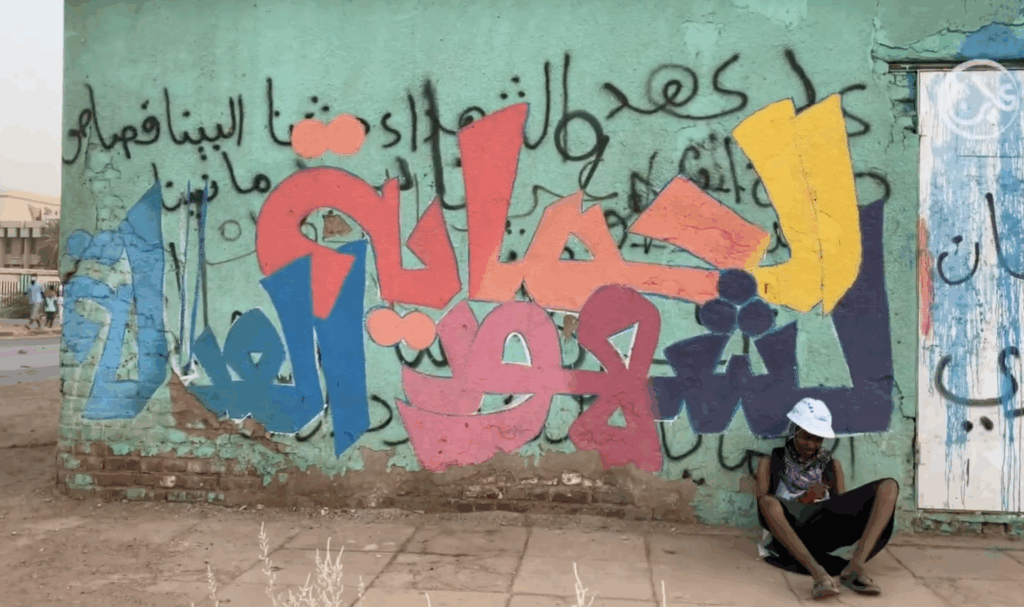
Despite the fragmentation caused by war and displacement, the memory of the 2018-2019 Revolution remains a powerful reference point for activists. Yet, exile has forced activists to reflect on questions of belonging and to reconsider what a future democratic Sudan might look like.
Interviewees no longer imagine simply returning to the Sudan they left behind. They know that war, loss, and displacement have fundamentally transformed the country. “I don’t think Sudan will be what it was before,” says one member of the Sudan Youth Network in Nairobi. “Most of the people have died; those who are left have changed.”
Many fear the separation of Darfur from Sudan, which none see as the solution to Sudan’s issues. Yet even amid deep pessimism about the near future, many continue to believe that the values of the revolution remain worth carrying forward. Several described their activism as an investment not in their own generation, but in those who come after them. “We will never see Sudan with unity and all that. It’s not for us. We make it for the next generation,” Tariq told Ayin.
This long-term perspective is particularly evident in the efforts of activists who focus on teaching children and young people about human rights, politics, and civic engagement. By passing on these values, they hope to preserve the legacy of the Revolution and equip a future generation to continue the struggle. They acknowledge that a “better Sudan” may not come in their lifetime, but the prospect does not necessarily make their activism feel futile. Instead, it gives their engagement a different purpose: investing in the possibility of change beyond their generation.
Pride and pessimism
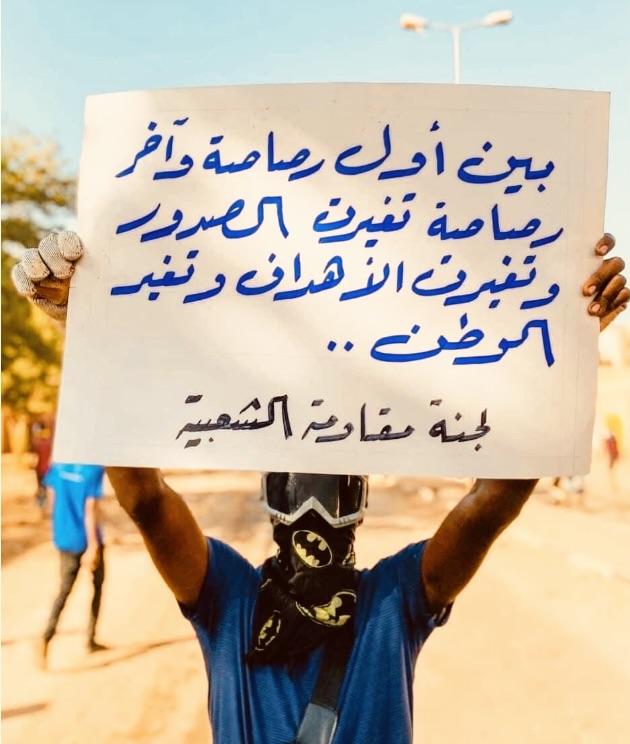
For many, being Sudanese today is marked by a profound contrast: from the pride and collective hope experienced during the 2019 sit-in to the repeated disappointments of war, displacement, and political fragmentation. The emotional burden is particularly heavy for those who remain politically engaged. Tariq, for example, reflected on the personal costs of sustained activism. “At times, I’m really tired of it [activism]. Occasionally it feels so heavy to do even the smallest things. You can be an activist, but don’t forget yourself as well.”
Several of the interviewees explain that their activism efforts are mentally “draining.” They question whether their efforts still make a difference while the war continues. Yet none of the activists interviewed believed that giving up was an option. “Being Sudanese is a blessing… I’m proud of everyone being so resilient. [But] I have to admit, it’s also exhausting,” Fatima said.
Fatma explains that this exhaustion exists alongside a deep sense of pride. She associates being Sudanese with extraordinary resilience, reflected in how many displaced Sudanese have rebuilt their lives through new careers, artistic practices, and creative pursuits they had never imagined before the war. Although these opportunities emerged through violent displacement, they have also transformed how many understand themselves. The war fractured lives and futures, yet it also generated new forms of creativity, solidarity, and self-understanding. For many, Sudan’s future is therefore imagined not only through the possibility, or impossibility, of return, but also through the continuing redefinition of what it means to be Sudanese beyond Sudan itself.
* Names changed to protect the source’s identity