







Herders vs. farmers: No harvests possible in hunger-stricken Darfur
30 December 2025
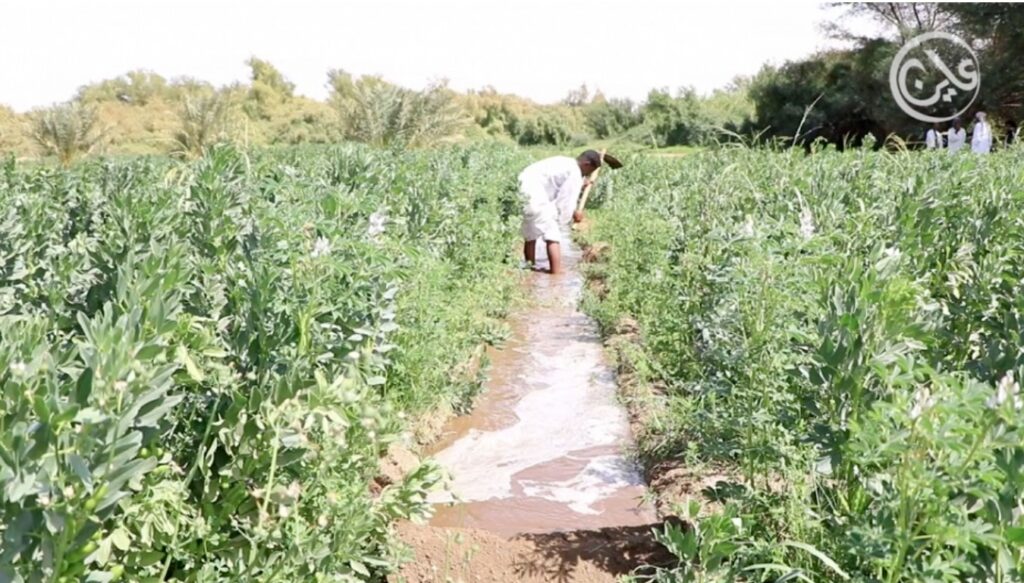
- Farmers across Darfur report widespread destruction of crops by livestock belonging to herders, often before harvest, leaving families unable to reap any yields in a region already facing severe hunger.
- Clashes between farmers and herders during October–December resulted in at least 19 deaths across Darfur.
- Although the Rapid Support Forces established units to protect the farming season, farmers say enforcement is ineffective and biased toward herders.
- Hopes that the 2025 agricultural season would ease famine conditions were dashed, as IPC data shows 71% of El Fasher’s population facing famine conditions. Not to mention the rest of the country, as Darfur typically provides 15-25% of Sudan’s staple food crops.
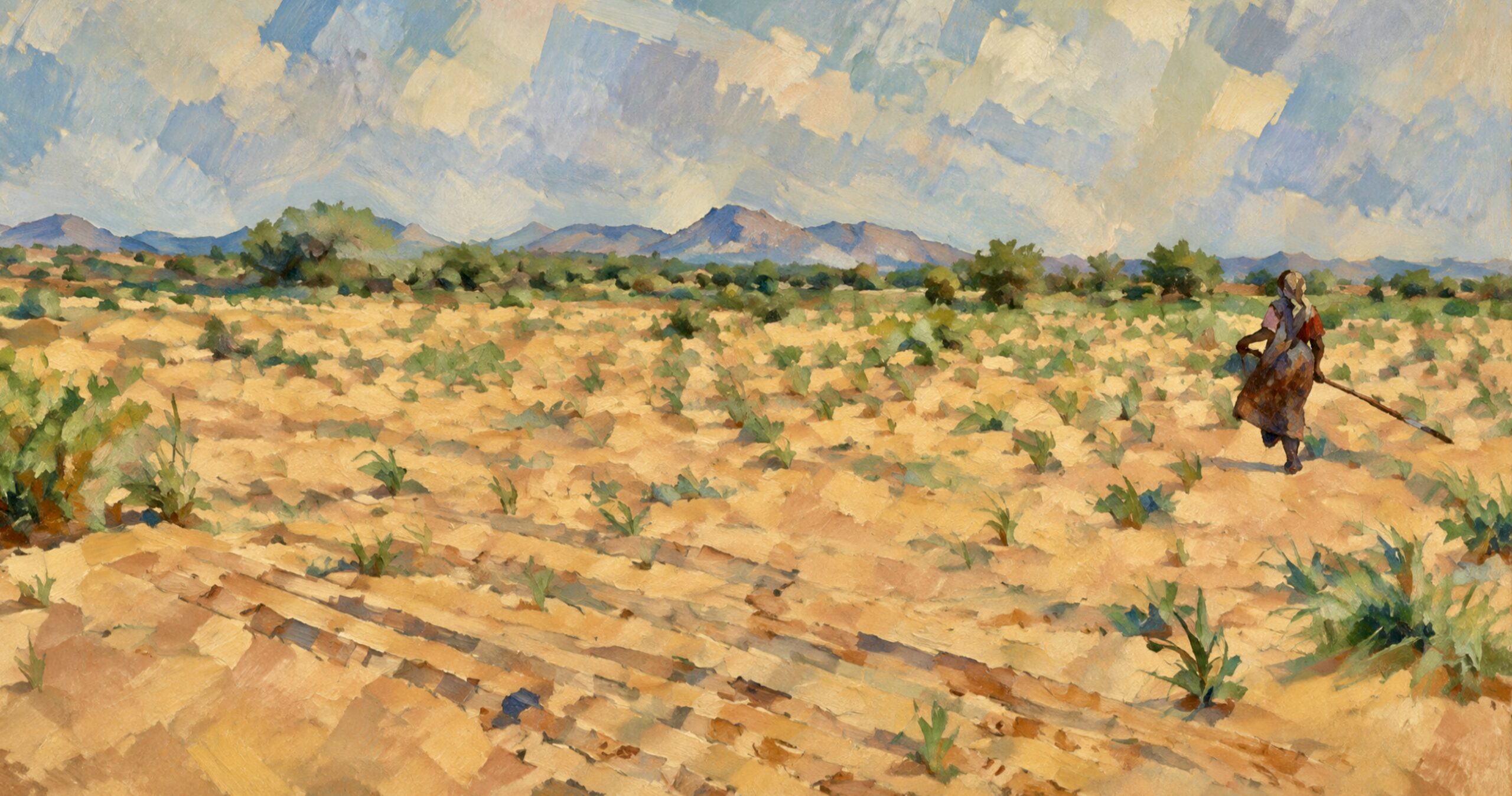
Fatima*, a farmer in the Darfur region of western Sudan, managed to cultivate small areas with corn and peanuts on her farm located near Kutum, North Darfur State. Despite her hard work, she did not reap the fruits of her labour when the herders invaded her farm with their livestock, trampling the harvest and turning it into ruins.
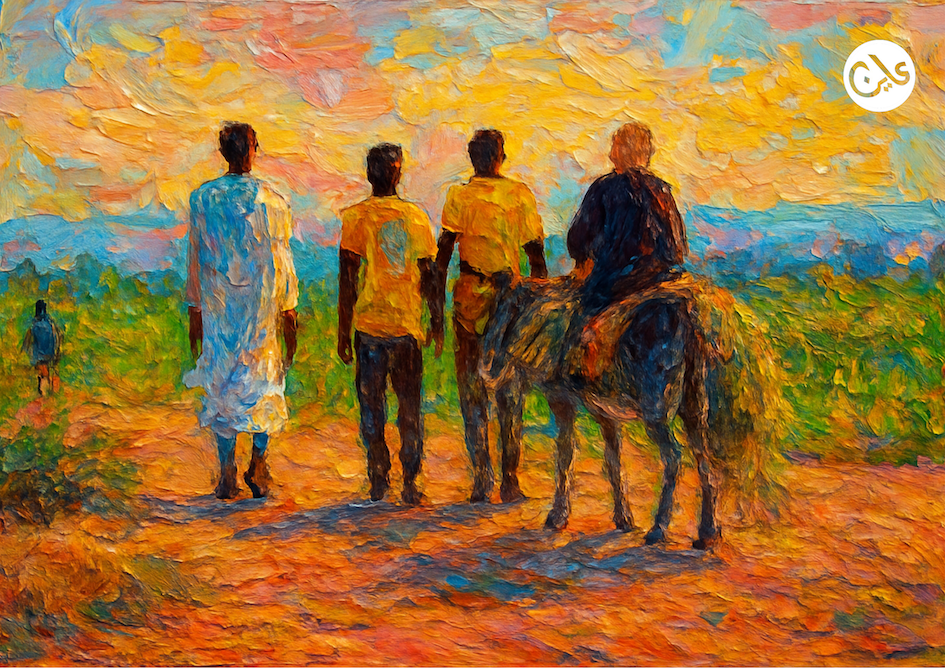
Before the crops she planted had ripened, camels from local herders invaded the farms in the Kutum area last October. Fatima could do nothing. The pastoralist herders invaded her farm in full view of the Rapid Support Forces that control the town. Fatima’s fate is echoed across the farming community in the Darfur region, local farmers told Ayin, preventing harvests for the hunger-stricken region. The same sources informed Ayin that the conflict has escalated the long-standing tensions between Darfur’s herders and farmers.
Clashes between farmers and herders in the Darfur region during October and December this year resulted in the deaths of at least 19 people. In nearly all the cases, local confrontations began when farmers tried to stop cattle from destroying crops.
As of November 2025, the Integrated Food Security Phase Classification (IPC) confirmed that famine remains a localised reality for El Fasher in North Darfur State, with 71 percent of its population facing crisis levels of food insecurity. The repeated clashes between herders and farmers have dashed hopes that this year’s harvests will help mitigate the crisis.
Age-old clashes, exasperated by the war
The Rapid Support Forces established a unit intended to protect and secure the agricultural season in the Darfur region. But local sources said the unit has demonstrated an inability to address attacks by herders from local Arab communities. Testimonies heard by Ayin also revealed that local administration committees failed to prevent these attacks.
“The Rapid Support Forces’ agricultural season protection force ordered herders to evacuate the farms in November, but this does not allow some crops to reach full maturity and farmers are unable to complete harvesting,” Fatima said. “We will not be able to plant in the future under these conditions, even though we depend on agriculture for our livelihood,” she added.
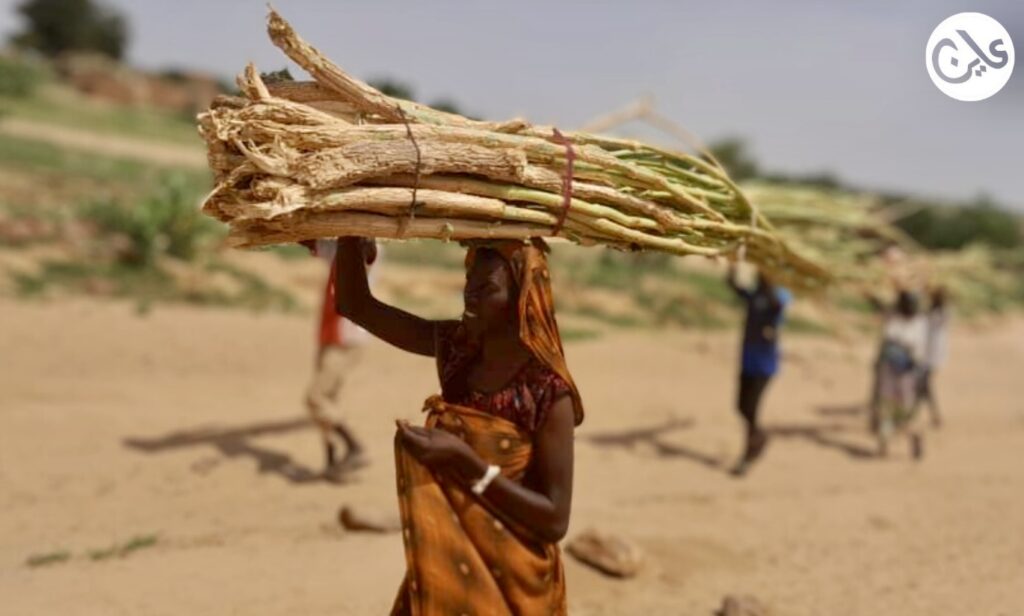
The conflict between farmers and herders is an old, recurring one. However, under RSF control, farmers fear the rate of these conflicts will only increase – with a clear bias by RSF authorities towards the herders.
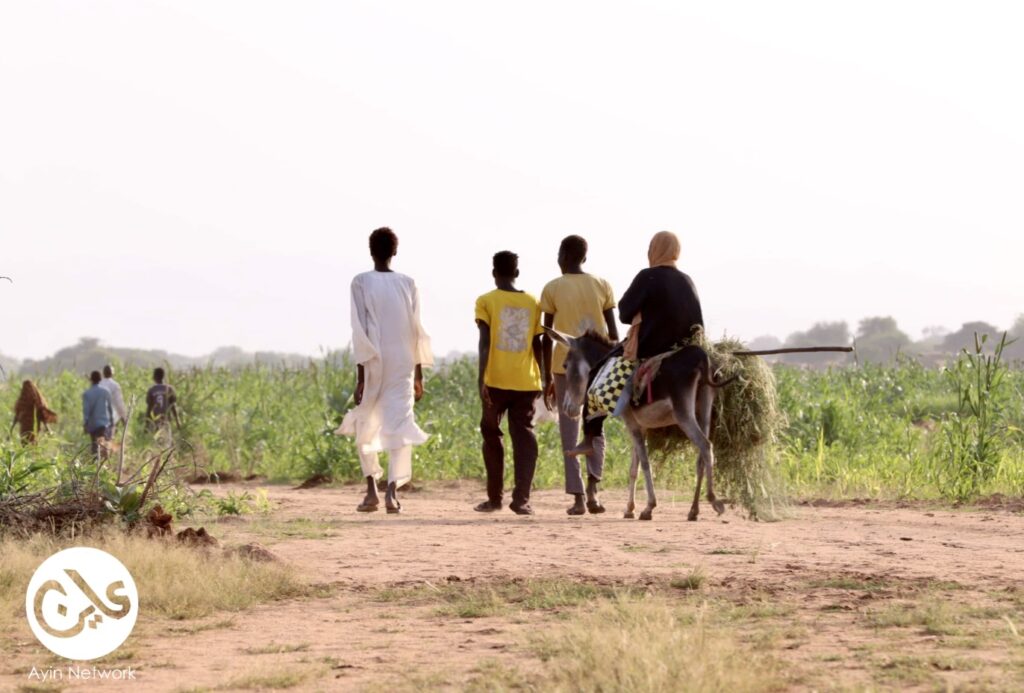
“The herders have been invading our farms since October, which is early because the crops had not yet reached full maturity,” Abkar Adam, a farmer from Kabkabiya in North Darfur State, told Ayin. “We had to carry a little of the crop to our homes and finish harvesting it inside. We face severe suffering with the herders every year, but this season was the worst ever.”
Adam stated that his relatives in the Jadara area, north of Kabkabiya in North Darfur State, had their millet crop looted immediately after harvesting, in addition to quantities of peanuts being looted after being extracted from the ground. “One of the farmers was killed in the Ghara al-Zawiya area last November, and several farmers had their donkey carts looted after being assaulted, insulted, and threatened,” he added.
Clashes across Darfur
On December 7, an event occurred in a village in the Mukjar area, Central Darfur State, when herders discovered one of their colleagues deceased near a property. They arrived in the village and requested that the villagers bring forth the killer. When the locals were unable to identify the murderer, the herders attacked and burnt down the settlement, located about 160 kilometres southwest of Zalingei, the capital of Central Darfur State.
On 13 December, four people were killed – two farmers and two herders – in the Al-Sayyah area, east of Mellit in North Darfur State, as a result of the herders bringing their livestock to the farms. The RSF and local administration intervened and managed to break up the clashes, but the area remains tense and could re-erupt into violence at any time, local sources told Ayin.
In mid-December, tit-for-tat clashes between farmers and herders in the Al-Qardoud area in South Darfur State led to 11 dead from both sides, along with over 20 wounded. The effects of this conflict had a deadly domino effect and extended to other areas, including Kaas.
According to local sources, the areas most affected by clashes between herders and farmers are Kutum, Kabkabiya, and Dar es Salaam in North Darfur; Yassin and Sha’iriya in East Darfur; and Labado and Marla in South Darfur. The towns of Mukjar, Bindis, and Qarsala in Central Darfur have also experienced the impact. These are the same areas that witnessed war crimes during the conflict in the region in 2003. This month, the International Criminal Court sentenced Janjaweed militia leader Ali Kushayb to 20 years in prison for his involvement in these crimes.
“Just talk”
When sheep were grazing on farms during the autumn harvest season east of El Fasher, the capital of North Darfur State, none of the farmers could speak out, fearing retaliation, says human rights activist Halima Shakra. After the sheep were satiated, the farmers picked what little remained.
“Only 10 percent of farmers in the Dar es Salaam areas of North Darfur State were able to access their farms and cultivate,” Shakra said. “They harvested very little since the livestock destroyed all their crops after herders forcibly brought them into the farms deliberately.”
Shakra fears there will be no agricultural production for the entire region under the current conditions. Shakra states that the RSF cannot control the situation, and any discussions about managing the herders in Nyala, which is the RSF-proclaimed capital of the regions they oversee, are merely theoretical: “just talk”.
A local committee to protect harvests
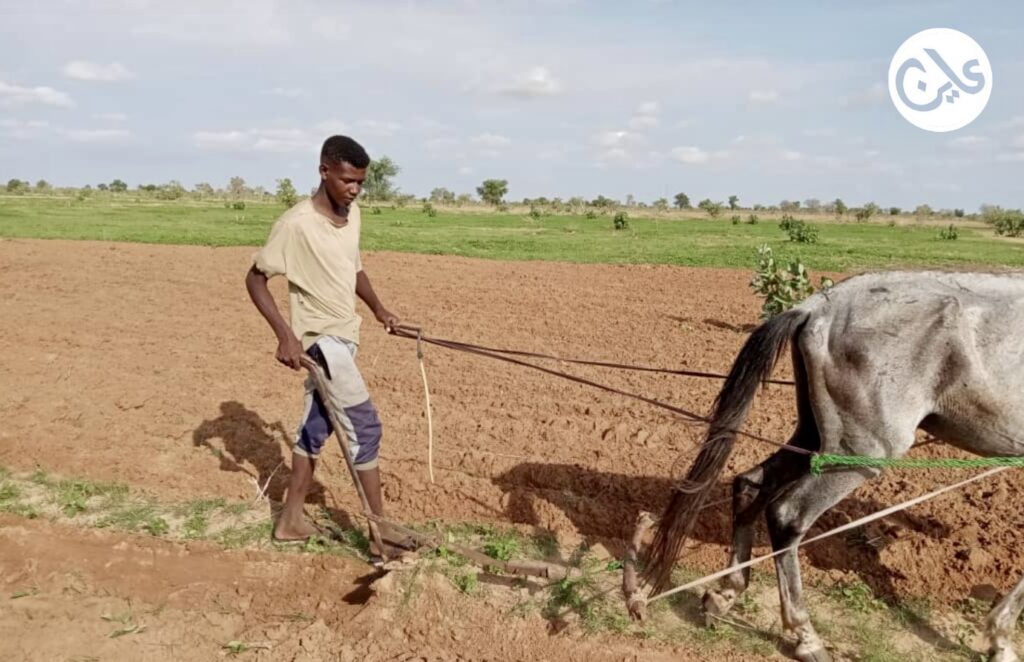
Mohamed Saleh Khawf, a member of a local committee designed to project the farming season in East Darfur State, however, believes the efforts by authorities are having an effect. Last year, his committee recorded 26 cases of herders killing farmers in East Darfur State. This year, thanks to the efforts of the committee, the killings have decreased to four during the agricultural season—two of whom were farmers and two from the pastoralist community.
The local administration in East Darfur has set a fine of 15 million Sudanese Pounds (roughly US$ 5,000) and imprisonment for a year for any person caught bringing their livestock into farms, Saleh added.
Saleh concurs, though, that the clashes have impacted this year’s agricultural season. “Only 55–60 percent of the agricultural areas were cultivated this season compared to previous years, but production is somewhat better than last year due to the security situation in the region.”
Saleh stressed that the confrontations occur because herders deliberately bring their livestock into farms during the night, and when the farmer comes in the morning, he finds his harvest has been eaten. In other cases, farmers have caused incidents since they cultivate along livestock routes or what is known locally as “Al-Murhal”.
Regardless of who the perpetrator is, local sources confirm that the clashes between herders and farmers have brought the region, and possibly the entire country, to a breaking point. Darfur is traditionally a cornerstone for Sudan’s rain-fed agricultural sector, contributing roughly 15 – 25% of the national total for key food staples.