Saudi Arabia arms deal for Sudan, a new engagement
9 February 2025
The army’s recent string of victories, including re-establishing control over Dilling and Kadugli in South Kordofan State, may be linked to increased arms supplies financed by regional actors.
Multiple sources have confirmed to Ayin that Saudi Arabia is financing a major arms deal between Pakistan and the Sudanese Armed Forces (SAF), valued at approximately $1.5 billion. According to these sources, the agreement includes JF-17 fighter jets, K-8 fighter jets, drones, and armoured vehicles intended to bolster SAF’s military capabilities amid Sudan’s devastating war.
Sources said the arrangement was made at the direct request of SAF commander-in-chief Lt-Gen. Abdel Fattah al-Burhan during a meeting with Saudi Crown Prince Mohammed bin Salman on 16 December in Riyadh. The same sources indicated that Burhan also held a secret meeting in the Saudi capital with the US Special Envoy, Massad Boulos, on the sidelines of that visit.
The scale of the reported deal marks one of the most significant external military support packages for the SAF since the war began and signals a new phase in Saudi Arabia’s engagement with the Sudan conflict. While Riyadh has long positioned itself as a mediator and humanitarian actor, this reported financing arrangement places Saudi Arabia more directly within the military balance of the war.
An Arab diplomat acquainted with the discussions informed Ayin that the support comes with conditions. Saudi officials warned Burhan that any support to arm the SAF is contingent on avoiding revenge attacks or mass bloodshed. The diplomat added that Riyadh “will not shoulder the PR or political cost of such crimes,” underscoring Saudi sensitivity to international scrutiny and reputational risk.
To uphold these conditions, however, will take a lot more SAF oversight over the roughly 17 militias allied to the army, says political analyst Kholood Khair. Another condition SAF may struggle to meet, Khair says, is avoiding deals with Iran. While Saudi Arabia wants Sudan to distance itself from Tehran, Khair argued that the SAF still sees the Iranian connection as leverage with the West, “even if right now that does more damage than ever before.”
Gulf tensions
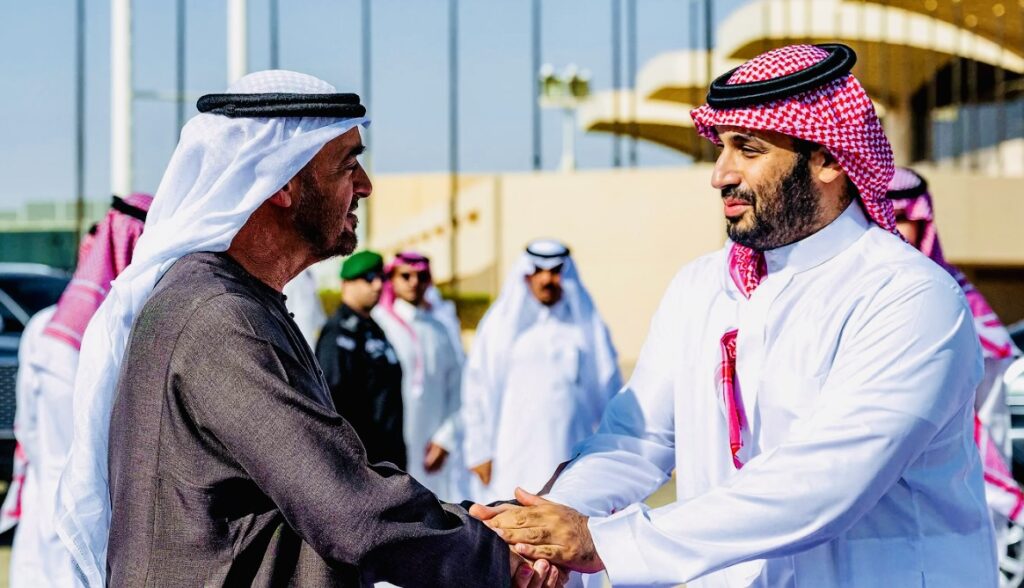
The reported deal may be linked to increased regional tension between Saudi Arabia and the United Arab Emirates, as the latter has supported separatist movements in Yemen and Somalia, threatening the balance of power in the Red Sea. Whether these tensions will extend further remains unlikely, Khair says. “Unless an issue is immediately threatening, countries within the GCC (Gulf Cooperation Council) tend to prioritise de-escalation over confrontation. This framework shapes how Saudi Arabia and the UAE manage their disagreements, even as underlying tensions persist.”
Nevertheless, Saudi Arabia is reasserting itself in the region and appears determined to limit UAE influence, with Sudan emerging as a key priority, says Nadwa Dawsari, an associate fellow at the Middle East Institute. “Saudi Arabia is reasserting itself and seems determined to limit UAE influence in the region, with Sudan being a key priority,” Dawsari told Ayin. “The deal with Pakistan reflects a broader recalibration of alliances the Saudis have pursued recently to counter the UAE’s activities.”
Unlike the UAE, which has reportedly funded the paramilitary Rapid Support Forces’ war effort since the outbreak of the conflict, this new Saudi military support is unlikely to be continuous, Khair added. “In the grand scheme of things,” Khair noted, “Saudi Arabia may be able to provide financial backing for a one-time $1.5 billion deal, but not sustained, long-term military financing.” She added that in the meantime, Saudi Arabia has signalled a willingness to provide police support to the SAF, particularly in coordination with Washington.
Implications
For the army, the deal offers potential military relief at a moment of intense pressure, particularly as the war grinds on with enormous human cost. Yet the conditions attached to Saudi support and the competing interests of regional allies may limit how transformative this assistance can be.
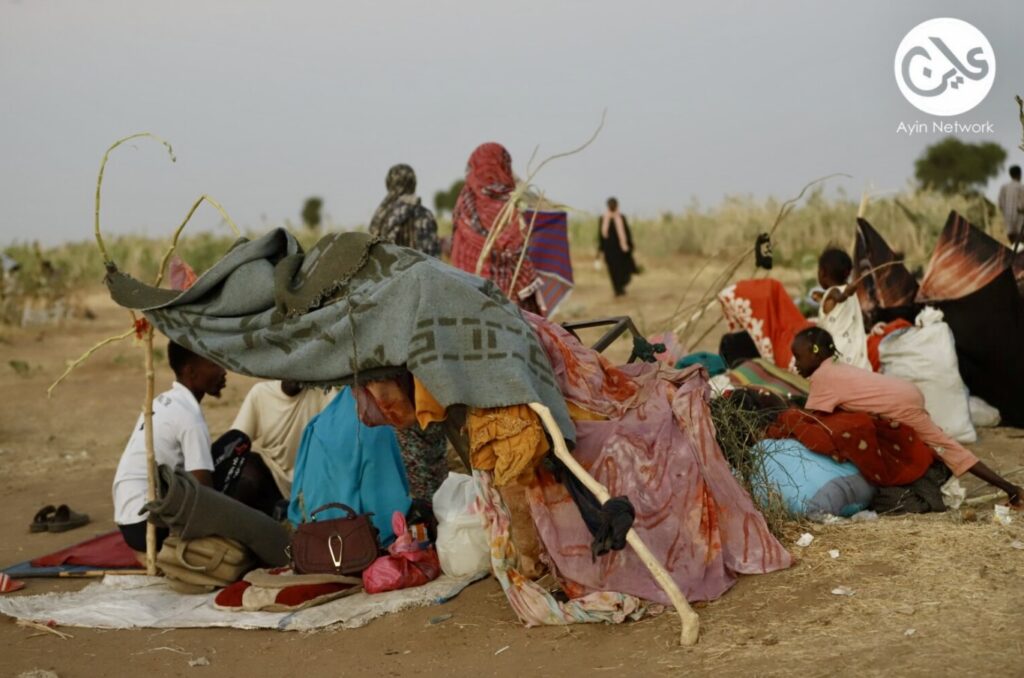
For Sudanese civilians, the implications are more ambiguous. While Saudi Arabia insists it will not support mass bloodshed or revenge attacks, the reality on the ground is shaped by fragmented command structures, multiple armed actors, and a pattern of violence that has repeatedly targeted non-combatants.
As regional powers recalibrate their alliances and rivalries, Sudan risks becoming further entangled in a wider geopolitical contest. The Saudi-funded Pakistan arms deal may alter the military balance at the margins, but it also underscores how Sudan’s war is increasingly driven not by domestic actors but by shifting regional calculations far beyond its borders.
Related Articles