

Sudan: Saudi money, military defections and the growing price of impunity
23 November 2026
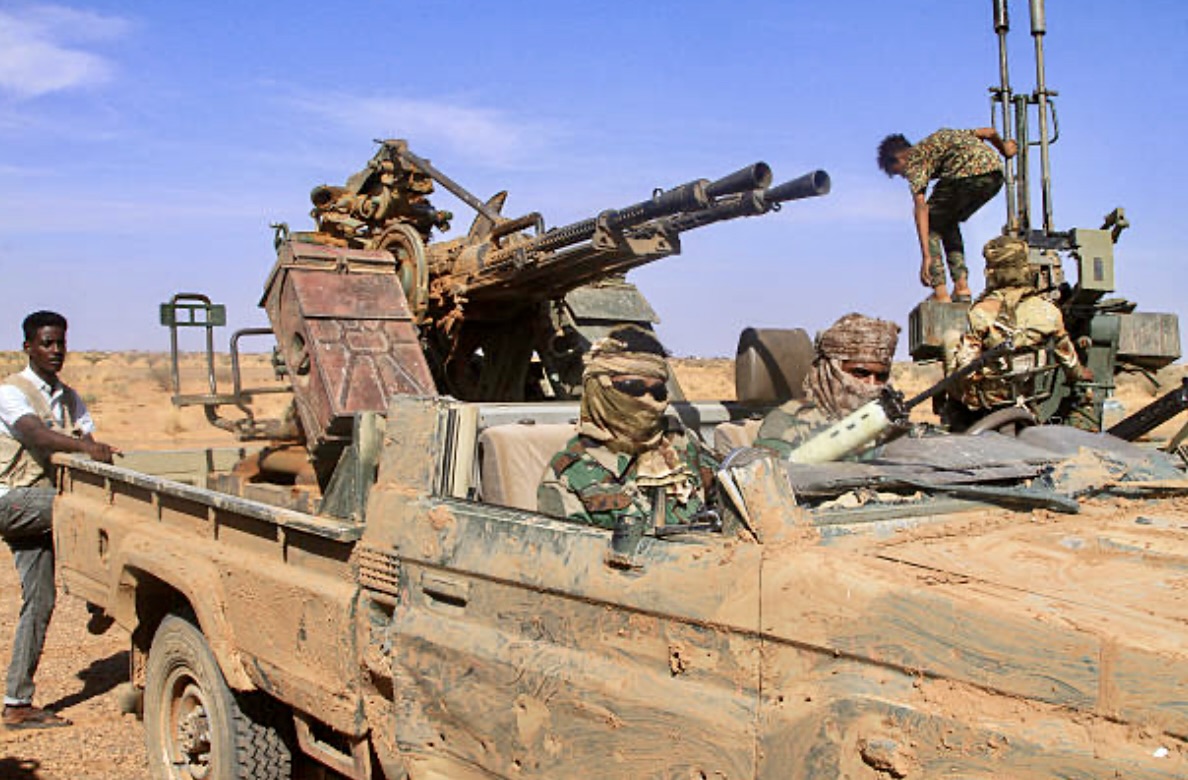
In November alone, four Rapid Support Forces (RSF) commanders defected to the army, which many analysts link to reported financing from Saudi Arabia. Yesterday, Colonel Adam Mohamed Adam, the commander of the RSF’s Group 600 and head of its recruitment committee, announced his defection to the Sudanese Army. On 19 November, the RSF Commander Mihsal Abdelrahman announced his defection before army intelligence officials, bringing along the officers and troops under his command. Four days earlier, RSF Commander Ahmed Hasab released a video statement announcing his departure and criticised the RSF for a lack of unified leadership, lacking a national cause, and tribalism within the RSF ranks. On 10 November, Lt. Gen. Khalid Nour al-Daim declared his allegiance to the military after holding senior administrative, security, and operational positions within the paramilitary group.
Africa Intelligence reported that Saudi financial support played a decisive role in securing the defection of Ali Rizq Allah, better known as “Al-Savanna”, who reportedly received between $800,000 and $2.5 million. Another senior RSF commander, Major General Al-Nour Ahmed Adam, known as “Al-Nour Qubba,” received up to $2.5 million to defect, along with troops and hundreds of combat vehicles. It is unconfirmed whether Riyadh played a role in the latest round of RSF defections.
The payments point to an organised effort to weaken the RSF and strengthen the Sudanese Armed Forces (SAF) military coalition. They also raise questions about how long Riyadh is prepared to finance a strategy that brings former RSF commanders into the army’s ranks. Kholood Khair, founding director of the think-tank, Confluence Advisory, told Ayin that Saudi Arabia could sustain the spending for some time, arguing that Sudanese political and armed actors were relatively inexpensive compared with their counterparts in Yemen. “For a long time. Sudanese political and armed actors are cheaper than the Yemenis, it seems.”
For Riyadh, the benefits extend beyond the military balance. Each defection offers an opportunity to demonstrate the RSF’s weakening cohesion and Saudi influence over the conflict. Public ceremonies are carefully staged announcements that have turned the defections into political events.
Back to Yemen
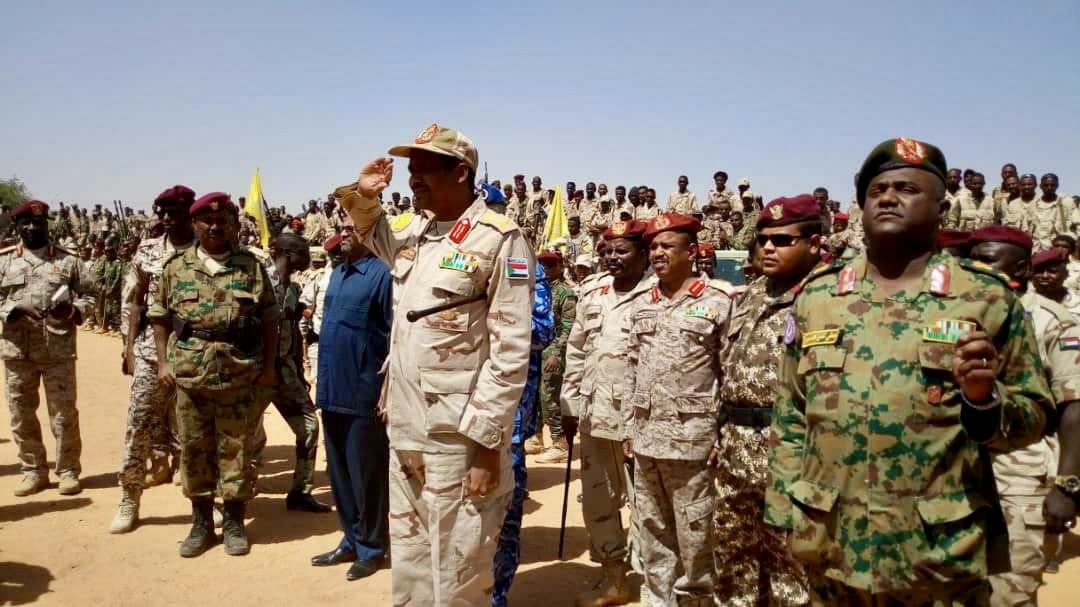
But there is another potential reason for Saudi support to RSF defectors: a return to Yemen. On Sunday, Sudan Shield commander Abu Agla Keikel, a high-ranking RSF defector who rejoined the army in October 2024, said several of his battalions would be deployed abroad in what analysts assume will be a redeployment to Yemen.
According to open-source research by Faisal al-Sheikh, an expert in open-source and satellite analysis, military flights from Sudan to the southwestern Saudi city of Jazan have taken place since early September. Jazan, the capital of Jazan Province, sits on the Red Sea coast just north of the Yemeni border, making it a perfect deployment point for entering Yemen.
For roughly eight years, from 2015 to 2023, Riyadh hired the RSF to fight its battle in Yemen, with forces reaching as high as 40,000 in 2016-2017. With Houthi military advances in Yemen, Saudi Arabia is seeking inexpensive ground forces to target the Houthi forces once again, says political analyst Mohamed Ibrahim. “The former RSF deployment in Yemen had mixed results in the past,” Mohamed told Ayin. “Nevertheless, they represent a relatively cheap, battle-hardened ground force that Riyadh desperately needs right now.”
Military gains vs accountability
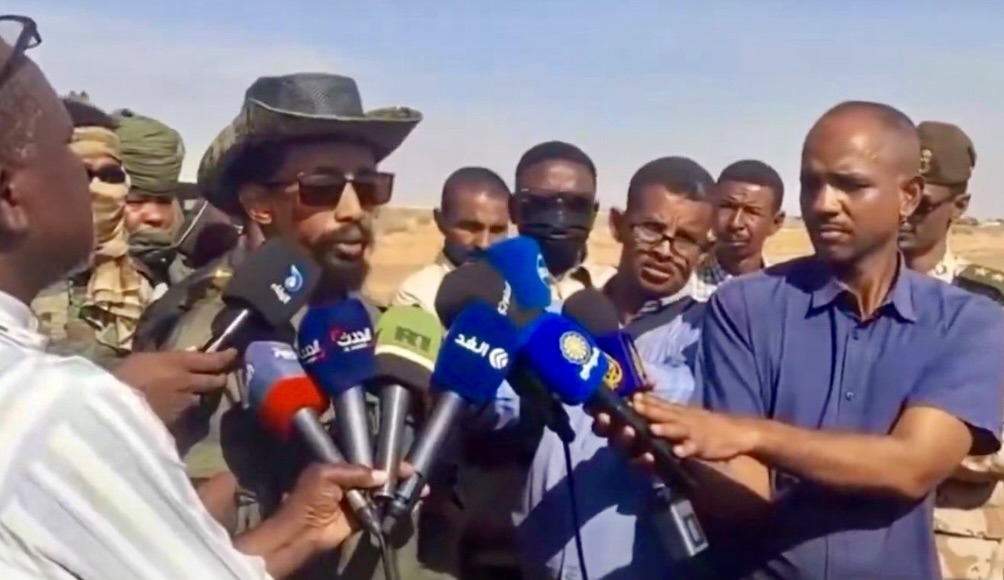
But the paid defection strategy carries a cost for the army. By welcoming commanders accused of serious violations, the SAF risks undermining its argument that it represents a fundamentally different military force from the Rapid Support Forces.
Both Al-Savanna and Al-Nour Qubba have been named in connection with allegations of atrocities during the RSF’s assault on El Fasher. Their names have appeared in United Nations Panel of Experts material concerning the violence surrounding the city’s capture – conduct that could amount to war crimes.
The reported financial incentives and assurances therefore raise questions about whether the SAF is prioritising military gains over accountability. Khair described the consequences as a double-edged sword. The SAF can present each defection as evidence of its growing strength, but the arrivals also weaken its claim to be entirely distinct from the Rapid Support Forces. They introduce political liabilities into the army’s coalition and risk increasing tensions with existing fighting groups, including the Joint Forces, as competition for influence and resources intensifies.
The practice also exposes a contradiction in the army’s public narrative. Throughout the war, the SAF and its supporters have presented the conflict as a struggle against RSF abuses. Welcoming commanders accused of involvement in those same abuses complicates that distinction.
A tried and failed tactic
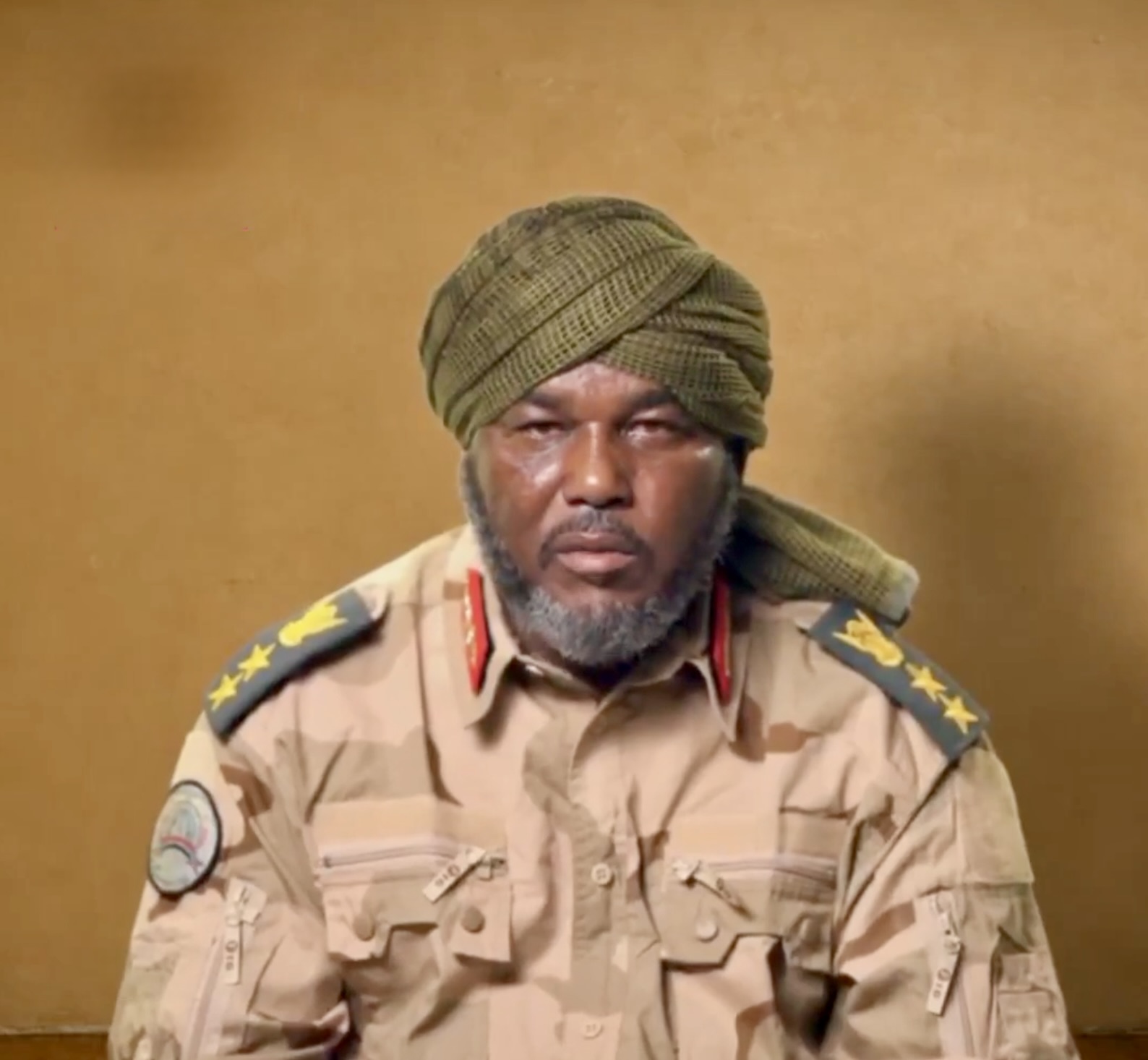
Sharif Mohamed Osman, political secretary of the Sudanese Congress Party (SCP) and a senior leader of the Somoud (“Resilience”) coalition, told Ayin that military intelligence had relied on similar tactics for years, absorbing commanders from armed movements without resolving the underlying conflicts.
“This raises an obvious question: Have these short-sighted tactics resolved the crisis? The answer is clear for all to see: they have not resolved the crisis; rather, they have deepened it,” Sharif told Ayin. The clearest evidence is the current situation, in which breakaway factions are capitalising on the war through the proliferation of militias and the expansion of military power centres.”
Osman argues that the defections undermine peace efforts, complicate disarmament and security-sector reform, and create additional centres of armed power. He also sees the guarantees offered to defectors as evidence of the contradiction between the army camp’s public denunciation of atrocities and its willingness to accommodate commanders accused of committing them.
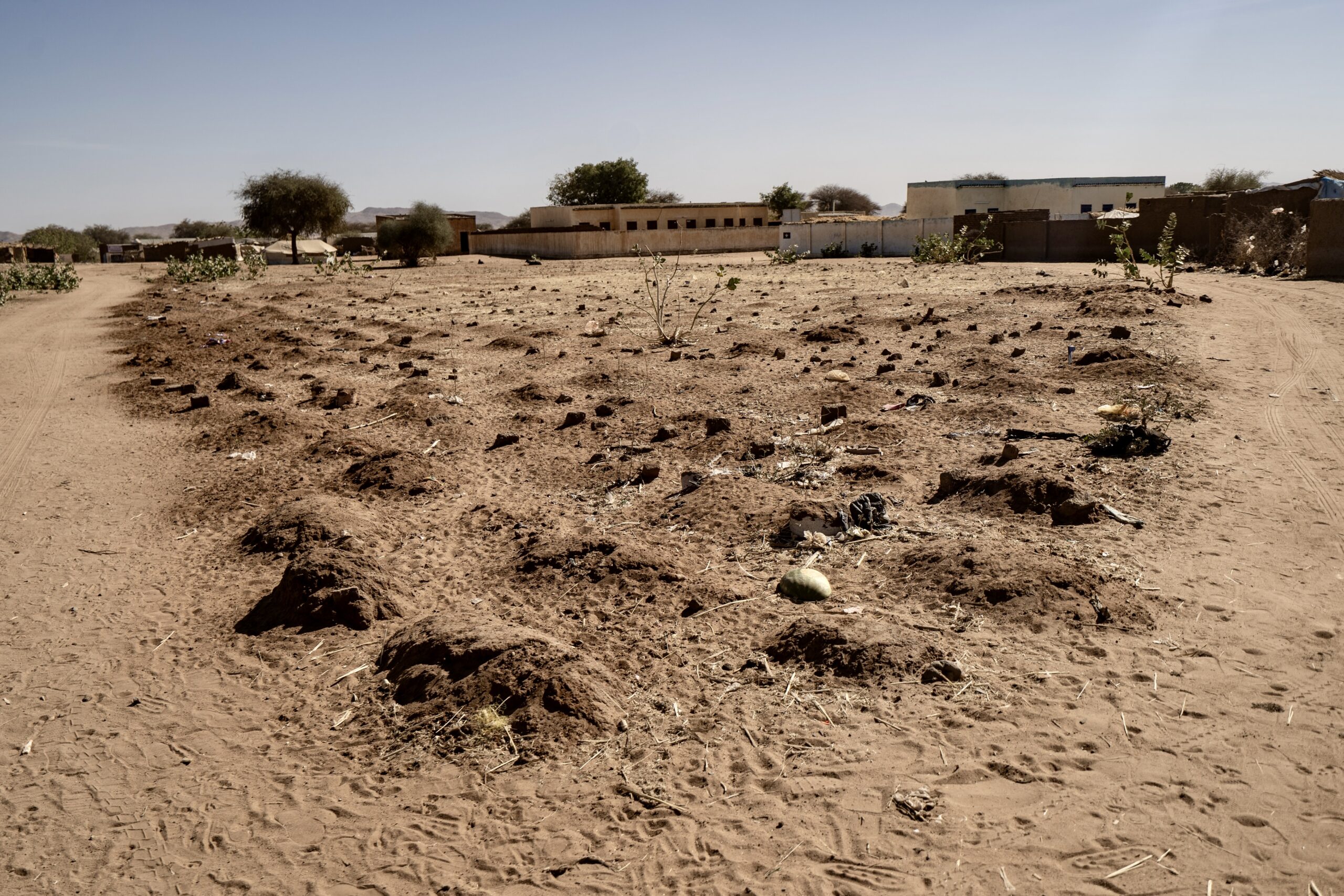
For him, the consequences fall particularly heavily on civilians seeking justice. Absorbing commanders without credible accountability mechanisms risks normalising impunity and repeating a pattern that has contributed to violations in previous conflicts in Sudan.
The victims behind the defections
The debate over directions is often framed in military terms: the number of fighters changing sides, the vehicles transferred and the loss of influential commanders by the RSF. For civilians who experienced abuses under these commanders, however, their reception by the army carries a different meaning.
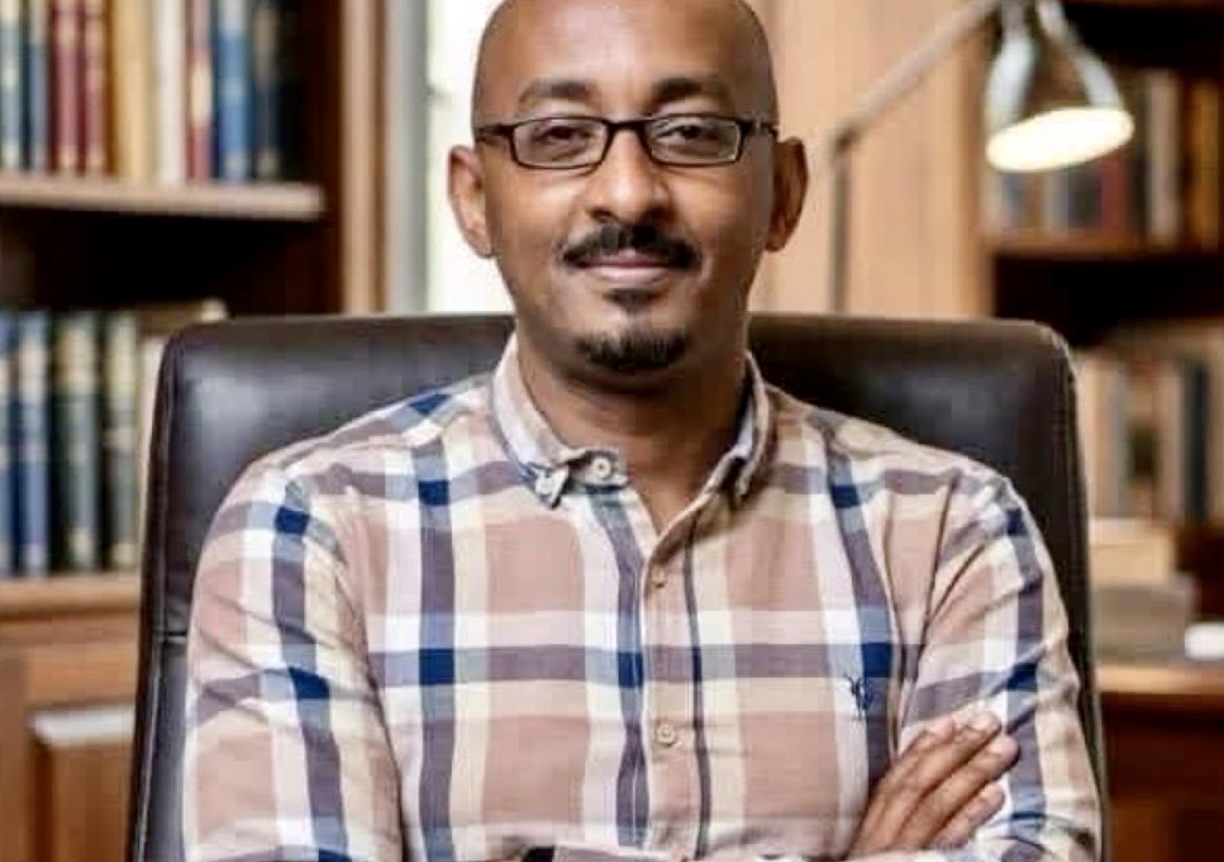
Hassan Bakri, a Sudanese media personality and broadcaster, told Ayin that he had reported almost daily on RSF violations in Al Jazeera state while Abu Aqla Keikal commanded its forces. When Keikel moved east towards Jabal Qili, near Bakri’s hometown of New Halfa, the broadcaster said he spent three consecutive nights without sleep, fearing that the forces would reach his family.
When Keikal subsequently defected and joined the SAF, Bakri was shocked not by the defection itself, but by the public celebration by the army and its supporters of a commander whose forces he had spent months reporting on. “I was deeply shocked. Not by the defection itself, which was expected, but by the heroic and almost legendary reception given to the man, while the cries of his victims could still be heard all around.”
Bakri said the same experience followed the defections of Al-Savanna and Al-Nour Qubba. He had reported on Al-Savanna’s alleged violations in Al-Nuhud, West Kordofan State, as well as his looting of agricultural produce and the killing of people through deprivation of water in El Fasher. He also recalled reporting on the involvement of Al-Nour Qubba and another commander called Abu Shouk in the siege of El Fasher and atrocities in Zamzam camp.
The defection of another RSF faction, “Tamazuj“, brought back the same sense of shock. Bakri said he was himself among those affected by RSF abuses in eastern Khartoum and had been forced to leave his home at the beginning of the war.
From foe to favoured
Hassan argues that the changing allegiances expose the absence of consistent moral and political principles behind the conflict. Commanders previously denounced for their conduct can become national heroes once their interests align with those of the army.
The popular broadcaster also cited the case of Dr Ahmed Suleiman Ahmed, who is detained in El Obeid for a message found on his phone opposing the war. According to Bakri, Dr Ahmed was among the victims of Al-Savanna, whose forces looted his agricultural produce. Yet while the SAF camp welcomed Al-Savanna, his victim ended up in detention after expressing opposition to the war in a WhatsApp group.
For Bakri, this incident reflects the selective use of the language of accountability. Those who were once accused of betrayal for failing to condemn RSF violations are now accused of betrayal for continuing to discuss the same commanders’ alleged crimes after they have joined the army. “To discuss impunity is somehow seen by the army as an offence, rather than a call for justice.”