

9 June 2026
To keep our readers informed of the multitude of events taking place in Sudan amidst the ongoing, devastating war, we have developed a series of weekly news briefs covering major topics of the week.
In this week’s edition:
- Parallel secondary school certificate exams to be held for the first time in Sudan
- Kordofan: Deadly drone strikes kill at least 16 in two days
- Northern State reveals a rise in drowning incidents among school students
- Meningitis kills dozens of children in West Darfur
- Airlines require payment in US dollars within Sudan, resulting in further currency losses
- Drone attacks in Khartoum and El Geneina
 1) Parallel secondary school certificate exams to be held for the first time in Sudan
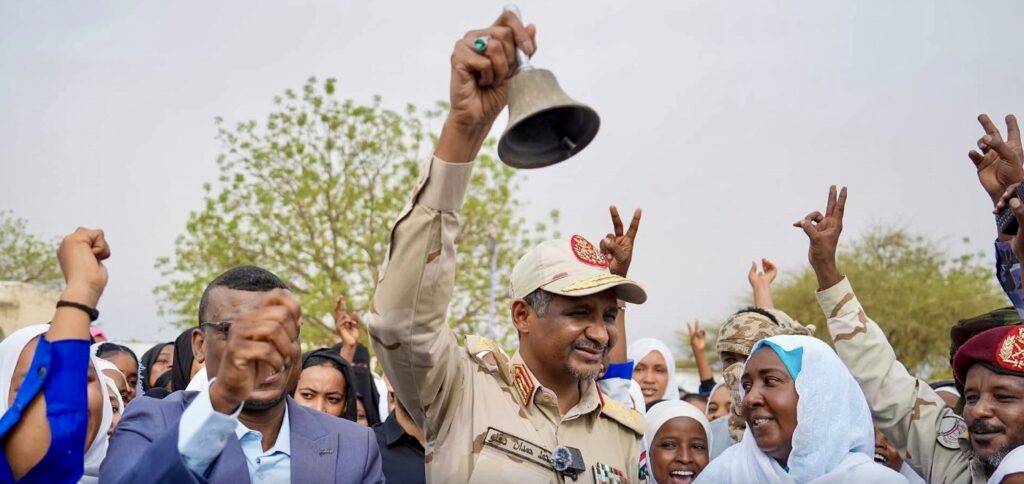
In a historic yet highly controversial move, around 10,000 students have sat for the Sudanese Certificate examinations in Darfur and parts of Kordofan. Organised by the RSF-aligned “Ta’sis” (Founding) coalition government, the event marks the first time in over three years that these exams have taken place in these regions, establishing a completely severed educational system from the army-controlled central government.
The political divide was made visual last Sunday when Lieutenant General Mohamed Hamdan Dagalo, head of the Presidential Council of the “Founding Government”, rang the examination bell at a school in Nyala to signal the start of testing. Simultaneously, his Prime Minister, Mohamed Hassan al-Ta’aishi, inaugurated the exams in the Forbaranga area of West Darfur.
“The examinations have commenced under the administration and organisation of the Peace Government in 83 centres from Al-Mazroub in North Kordofan to Ardamata and Forbaranga in West Darfur State,” al-Ta’aishi said. He further noted that more than 10,000 students are participating, with female students constituting an impressive 74% of the total examinees.
The creation of a parallel examination track has triggered intense debate across the war-torn nation. While many families celebrate it as a long-denied right for students trapped in conflict zones, critics warn that a dual-curriculum track codifies the literal and permanent fragmentation of Sudan.
Strong institutional pushback came from the Sudanese Teachers’ Committee, which argued that education must remain a neutral, unifying force. In a public statement, the committee declared that “historical and moral responsibility rests on any party that obstructs the implementation of the unified Sudanese secondary school certificate examinations”, adding that education must be “a bridge to Sudanese unity and peacebuilding, not a tool for conflict or a means to legitimise the outcomes of war.”
This administrative split follows the collapse of a national initiative that attempted to lobby both warring factions into delaying testing until a single, unified national exam could be securely deployed. The army already conducted its own separate exams back in April, making the future of a unified Sudanese educational system increasingly bleak.
 2) Kordofan: Deadly drone strikes kill at least 16 in two days
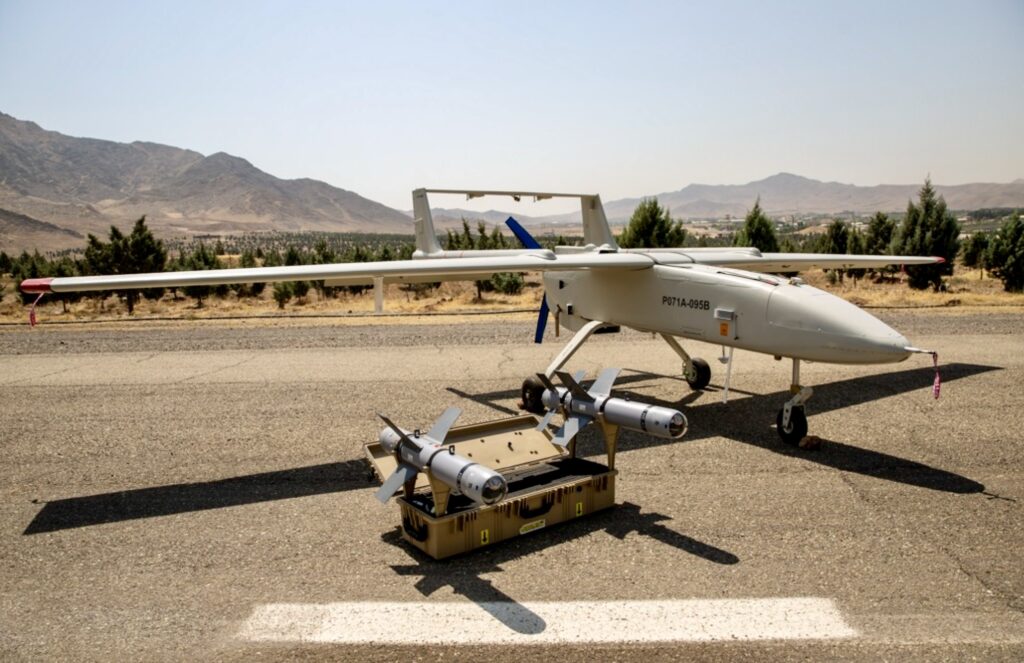
The skies over North Kordofan have turned into a theatre of targeted terror, with a fresh wave of drone strikes killing at least 16 civilians over a 48-hour period. The region has rapidly escalated into one of the most volatile flashpoints in the ongoing Sudanese conflict, with remote-controlled warfare increasingly targeting public spaces.
The deadliest of the recent attacks occurred at the Abu Zaima market in the Hamra al-Sheikh locality, where a drone dropped multiple munitions into a crowd of shoppers, killing 11 civilians and wounding dozens. Hours prior, matching strikes targeted the neighbouring agrarian villages of al-Khashkhasha and al-Baqriyat, leaving two more civilians dead.
The bloodshed spilt onto the region’s makeshift transport routes when another drone strike targeted two civilian vehicles in the Adid Raha area of the Sudri locality. According to the Emergency Lawyers Group, the strike killed three passengers who were fleeing the Umm Badr area toward the Northern State to seek urgent medical care.
For those trapped in major hubs like Dilling, South Kordofan State, escaping the violence has become a deadly gamble. Relief workers report that commercial trucks trying to evacuate residents are routinely ambushed by armed factions tied to the Rapid Support Forces (RSF), forcing civilians to rely on heavily fortified, irregular army convoys known as “Al-Tawf” to reach relative safety in El Obeid.
The blockade has completely destroyed the medical infrastructure in these besieged zones. “For more than half a year, Dilling has been subjected to artillery shelling and drone attacks by the Rapid Support Forces and the Sudan People’s Liberation Movement-North stationed around the city,” a local humanitarian worker stated. The humanitarian source added that hundreds of critically wounded civilians have no way to travel for treatment due to a severe scarcity of vehicles and exorbitant travel costs.
The United Nations High Commissioner for Human Rights, Volker Türk, previously raised the alarm over the conflict’s changing mechanics, confirming that at least 880 civilians had been killed across Sudan strictly due to drone warfare, warning against the catastrophic misuse of these imprecise aerial weapons.
 3) Northern State reveals a rise in drowning incidents among school students
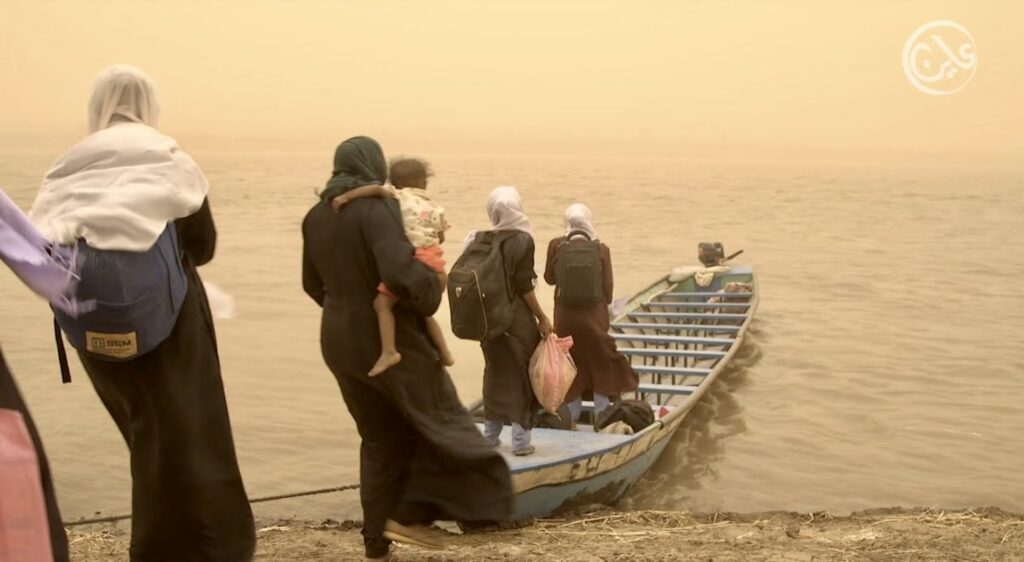
An alarming spike in drowning fatalities among school-aged children has prompted emergency meetings in Sudan’s Northern State. The Ministry of Education revealed that dozens of children are losing their lives in the Nile River, turning a traditional summer pastime into a localised public health crisis.
The drownings are directly tethered to the collapse of local infrastructure. Large expanses of the Northern State have been without electricity for two consecutive months, plunging them into complete darkness. With summer temperatures at a scorching 45 degrees Celsius, desperate students are rushing to the Nile to find relief from the suffocating heat.
In response to the surge in casualties, the civil defence police conducted an extensive survey of the river’s path stretching toward the Egyptian border, officially cataloguing 84 specific zones as highly hazardous due to dangerous currents and hidden drop-offs.
Major General Anwar Mohamed Ali, Director of the Civil Defence Police in the Northern State, stressed that the issue has outgrown simple police enforcement, noting that the ongoing loss of young lives “has become one of the issues requiring concerted official and community efforts.”
To curb the body count, the civil defence is collaborating with the Ministry of Education to launch a safety campaign. The strategy involves training school teachers in risk prevention and actively recruiting local, skilled divers to volunteer at designated safe zones to teach children survival swimming and structural safety standards.
 4) Meningitis kills dozens of children in West Darfur
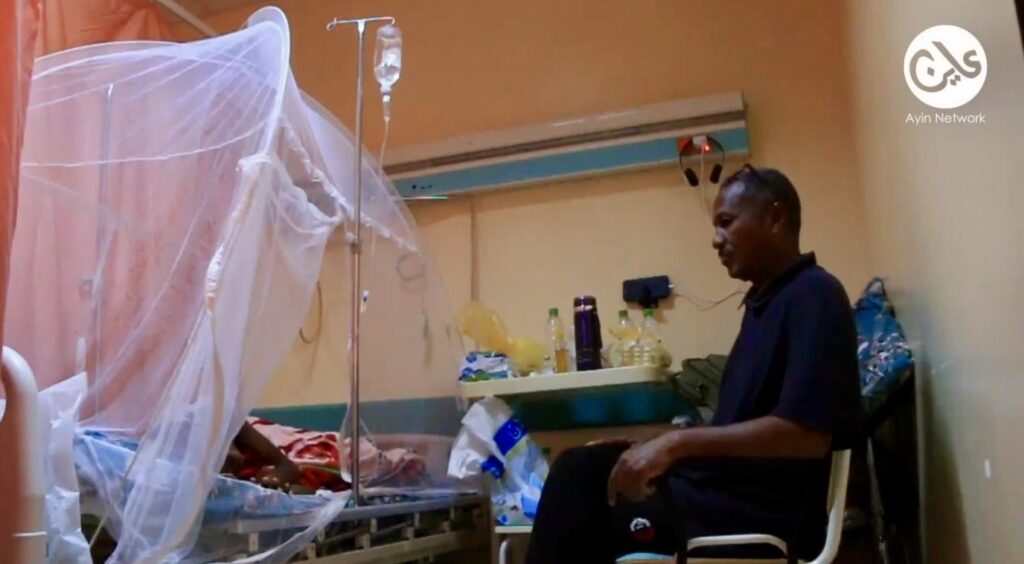
A catastrophic outbreak of meningitis is ravaging the Sirba locality of West Darfur, claiming the lives of more than 90 people—the vast majority of whom are young children. Local volunteer networks report that the epidemic is expanding exponentially within an area completely cut off from international aid.
Abdel Salam Ishaq, a spokesman for the local emergency room in Sirba, issued a dire assessment of the crisis, stating that the region has become “completely isolated from humanitarian interventions.” He noted that the bacterial epidemic is aggressively moving through local villages in the “complete absence of official and humanitarian interventions.”
The local healthcare grid offers no sanctuary. Sirba’s lone functioning health clinic lacks basic diagnostic toolkits, standard protective gear, and fundamental antibiotics. Left with no local recourse as symptoms rapidly turned fatal, some desperate families are embarking on dangerous cross-border journeys into neighbouring Chad simply to buy basic medicine.
Faced with a mounting body count, Ishaq issued an urgent public plea to central Sudanese health authorities, begging them to bypass political blockades and deploy specialised medical teams before the situation in the outlying villages completely slips out of control.
The region’s complex security landscape further compounds the humanitarian vacuum. While the RSF has controlled West Darfur since mid-2023 and claims to have set up functional civilian administrations, residents continue to suffer from severe service deficits.
 5) Airlines require payment in US dollars within Sudan, resulting in further currency losses
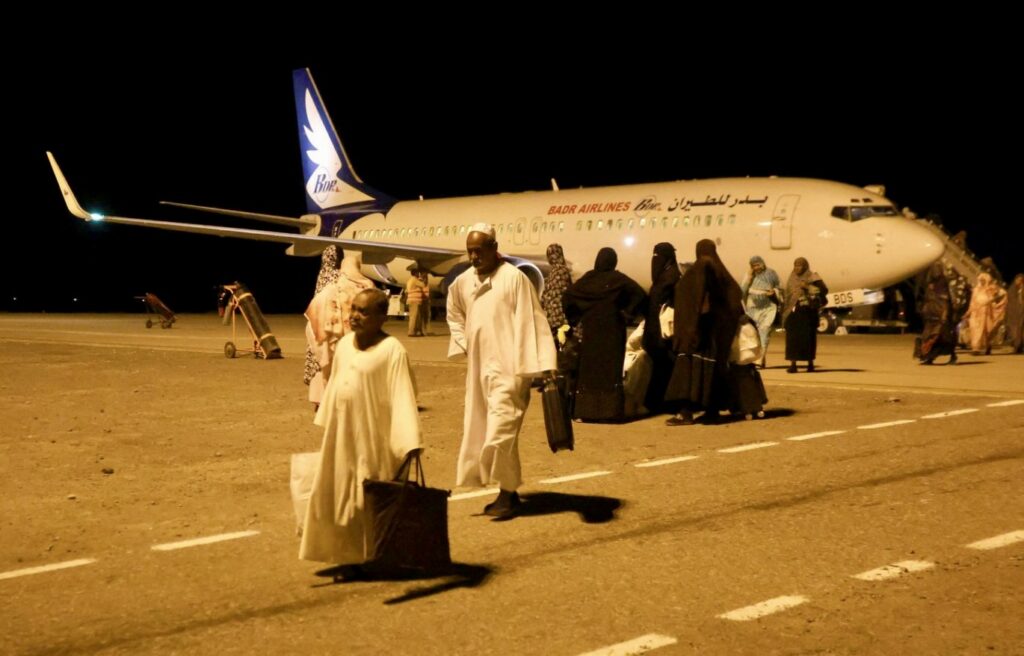
In a move that signals a total loss of structural confidence in Sudan’s financial system, foreign airlines operating out of Port Sudan International Airport have officially stopped accepting the Sudanese pound. Carriers now demand that all ticket purchases be settled exclusively in US dollars.
Travel agents operating out of the eastern hub confirmed that giants like Ethiopian Airlines implemented the hard-currency mandate after the national pound entered a freefall, recently hitting a historic low of 4,400 pounds to a single US dollar on the black market.
According to civil aviation insiders, the current wartime economic collapse has forced them to make the measure absolute, leaving local travellers scrambling to find black-market foreign exchange.
The currency crisis is also hitting regional commerce hard, with the Egyptian pound rising to 87 Sudanese pounds. Economic analyst Omar Abshar warned that this dramatic shift could completely freeze the vital import pipeline between Egypt and Sudan, as commercial traders face the immediate liquidation of their operational capital.
Authorities in the army-controlled government are attempting emergency interventions alongside the Central Bank to boost gold production and exports, in a bid to artificially stabilise the pound. However, analysts remain highly sceptical of these late-stage manoeuvres.
Abshar argues that these stopgap policies fail to address the core issue. “The economic crisis cannot be realistically mitigated before arms deals are stopped, exports of livestock, agriculture and gold are developed, and internal taxes on imported goods and markets are reduced.” He warns that the government’s emergency 2026 budget—built on an exorbitant 75% tax rate—will ultimately trigger market collapse.
 6) Drone attacks in Khartoum and El Geneina
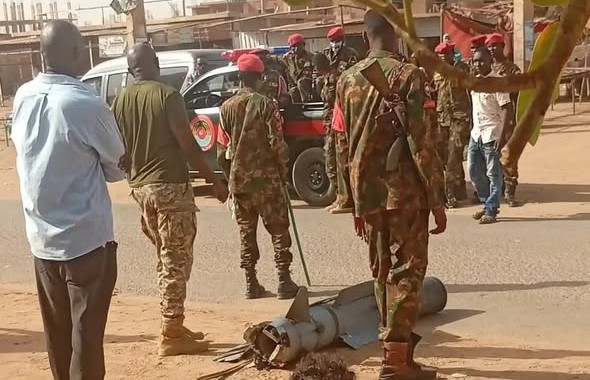
Sudan’s warring factions unleashed a synchronised wave of drone operations on Tuesday morning, June 9, striking critical infrastructure in West Darfur and triggering heavy anti-aircraft engagements over the capital city of Omdurman.
The most logistically damaging strike occurred in El Geneina, where a military drone targeted the Ardamata Bridge at approximately 4:00 AM. A video circulated widely across social media networks confirmed that a significant section of the bridge was destroyed, effectively severing the eastern and western halves of the city.
The Darfur Victims Advocacy Organization immediately condemned the operation, stating that “an army drone targeted the Ardamata Bridge in the Al-Naseem neighbourhood of Al-Junaynah city in West Darfur State.” The group held the military fully responsible for the destruction of vital civilian infrastructure that serves as the city’s primary artery for food, fuel, and medical transport.
The timing of the strike was notable, occurring just 48 hours after Prime Minister Mohamed Hassan al-Ta’aishi of the parallel “Founding” government visited the Ardamata zone to ring the opening bell for secondary school exams.
Simultaneously, the air war re-ignited over the capital. Residents in northern Omdurman were awoken by massive explosions as the Sudanese army deployed ground-based anti-aircraft missiles to intercept a fleet of RSF suicide drones flying low over residential sectors.
Military sources confirmed that the army has heavily reinforced its static ground defences across the Khartoum capital region. The deployment comes as a direct response to intelligence indicating that the RSF has established domestic drone assembly and launch platforms inside the country to bypass international shipping blockades.