

25 February 2026
To keep our readers informed of the multitude of events taking place in Sudan amidst the ongoing, devastating war, we have developed a series of weekly news briefs covering nine major topics of the week.
In this week’s edition:
- Chad keeps Sudan border closed after Al-Tina battles
- Source says Musa Hilal has arrived in Chad after RSF assault
- Military reinforcements and displacement escalate in Blue Nile
- Dengue fever cases rise in Northern State
- UAE dirham competes with dollar in Sudan’s black market
- Police recover 50,000 looted vehicles in Khartoum
- Drone strikes expand across South Kordofan as UN convoy arrives
- Sudan rejects US truce proposals as Burhan vows to continue war
- Heavy drone strikes hit El Obeid for three days
 1) Chad keeps Sudan border closed after Al-Tina battles
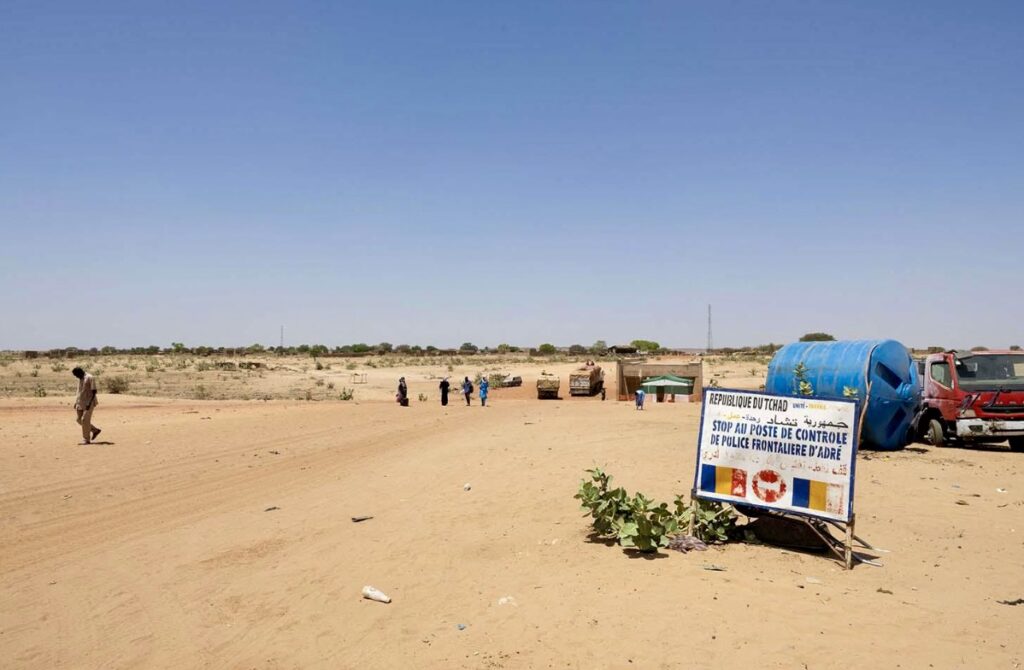
Chadian authorities have kept their border with Sudan closed following clashes in the border town of Al-Tina, citing repeated incursions and violations by rival Sudanese forces. The decision came after fighting between the Sudanese army and allied joint forces against the Rapid Support Forces in the area, amid reports that army units and their allies had withdrawn into Chadian territory.
The Rapid Support Forces said Sunday they had taken control of Al-Tina, which they described as the army’s last stronghold in Darfur. However, leaders of the joint force allied with the army, including Minni Arko Minawi, said they had repelled the attack and tightened their grip on the town. Both sides released videos purporting to show control of the area.
A military source from the joint force told Ayin, “The popular resistance and the joint force expanded their control over the city of Al-Tina on Sunday, February 22, after fierce battles against the Rapid Support Forces.” He added, “We were able to seize the Rapid Support Forces’ combat vehicles and military equipment, which were abandoned after their fighters fled.”
Al-Tina, located in northwestern Sudan, hosts a vital border crossing that supplies goods and food to parts of northern Darfur, including Kutum, Kabkabiya, and Korma. Retired Major General Amin Majzoub Ismail said the town’s mixed local composition further complicates security, adding that “the Rapid Support Forces are seeking revenge against the Chadian authorities who closed supply lines between them and the Darfur region.”
A trader from El Geneina warned that “the continued total closure of the Chadian border would have led to a crisis in goods and food supplies,” but noted that the Adré crossing was reopened Monday evening, easing pressure. Initially, traders attempted to monopolise goods to increase prices, but they anticipate the resumption of trade. Meanwhile, aid groups report worsening humanitarian conditions in Al-Tina, where about 25,000 residents face shortages and more than 400 new families have arrived in border areas, prompting urgent appeals for international assistance.
 2) Source says Musa Hilal has arrived in Chad after RSF assault
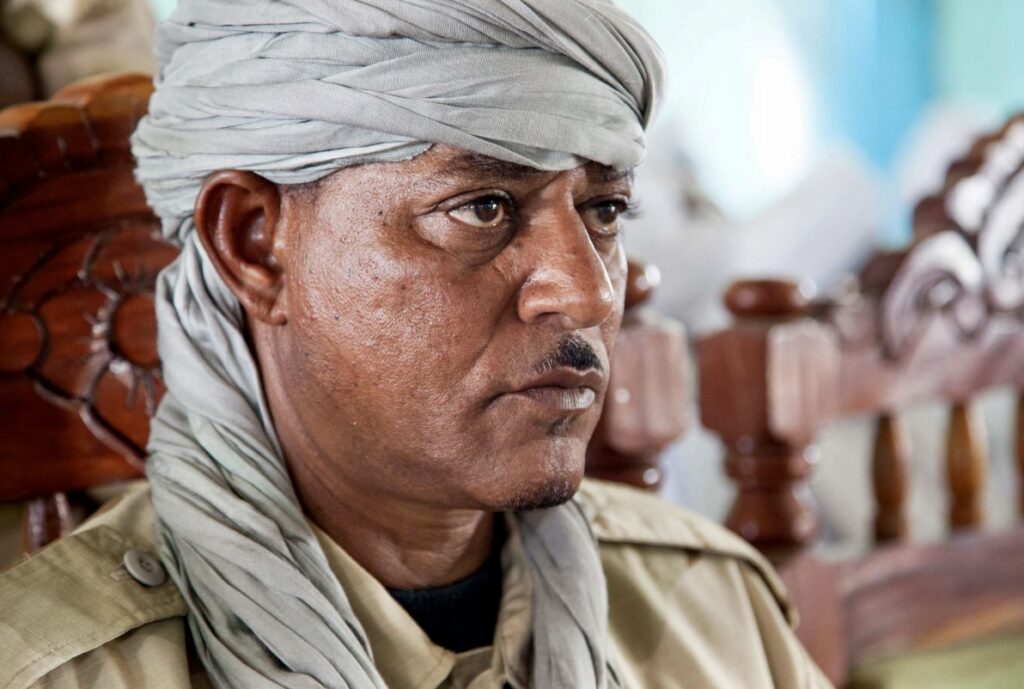
A source close to the Rapid Support Forces (RSF) said tribal leader Musa Hilal has arrived in Chad after the paramilitary group stormed his stronghold in Mustariha, North Darfur.
The source told Ayin that Hilal left Mustariha last Sunday after it was bombed by drones, assisted by armed members of his clan, and is believed to have reached Chad. The fate of his sons remains unclear.
Hilal, who initially remained neutral after war broke out, later declared support for the army as fighting intensified in El Fasher. Tensions escalated after the killing of RSF adviser Hamid Ali in Central Darfur, with Hilal’s son Fathi accused of providing coordinates for the strike — an allegation he denied.
In a recent video, Hilal attacked the RSF and its leader, Mohamed Hamdan Dagalo, for seeking compelled support. Hilal also claimed loyalty to the army in the video while allowing others to support the RSF.
Last Sunday, RSF drones targeted Hilal’s guesthouse and other sites in Mustariha. By Monday, RSF fighters had stormed and seized the town after clashes with forces of the Revolutionary Awakening Council led by Hilal. The Sudan Human Rights Emergency Lawyers Group said the assault included burning homes and targeting civilian sites, calling it a “flagrant violation of international humanitarian law and human rights and a crime against humanity.”
 3) Military reinforcements and displacement escalate in Blue Nile
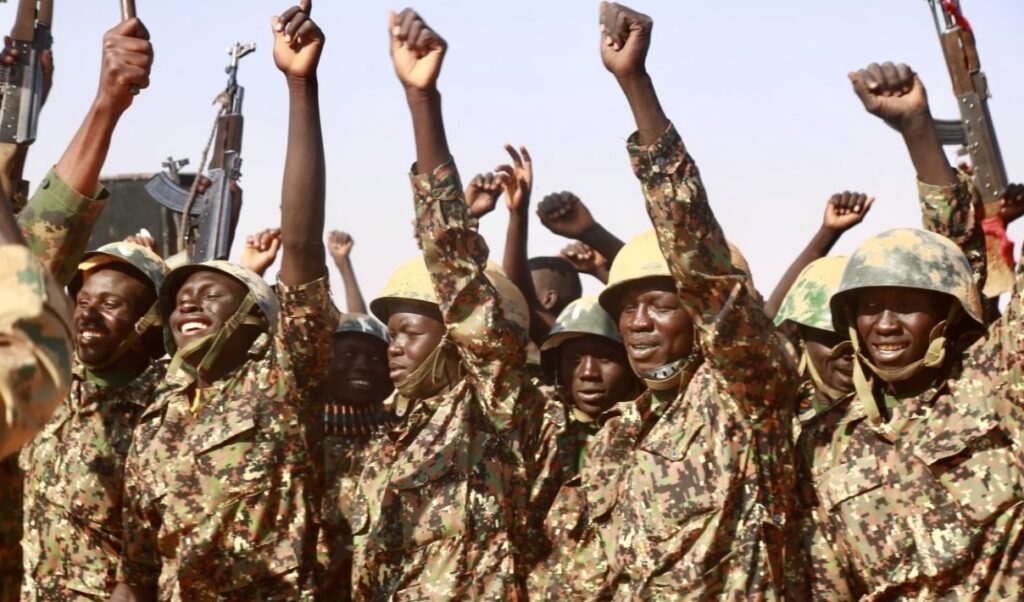
Large waves of displacement have swept across Blue Nile State following recent fighting, as the Sudanese army deployed new reinforcements to front lines despite a relative lull in direct ground clashes.
Last Wednesday, drones struck the army-controlled city of Kurmuk. A local source told Ayin, “The bombing resulted in the death of one citizen and injuries to three civilians. The wounded were taken to Kurmuk Hospital, north of the city, for treatment.” The attack triggered panic and displacement from western neighbourhoods toward the city center due to fears of a ground assault.
A humanitarian worker in Qaysan said, “This week, approximately 900 people arrived in Qaysan, and more than 1,700 displaced people reached the city of Kurmuk.” He added, “Due to the volatile security situation in Kurmuk, the authorities are likely to transfer them to camps in Damazin, the state capital.” He also warned of repeated armed robberies along the western road, noting, “So far, the security authorities have not conducted any sweeps to secure the road.”
In Bau locality, activist Ramadan Al-Daw said displacement flows were straining limited resources. “The suffering of the displaced is worsening daily due to their increasing numbers and the lack of humanitarian interventions,” he told Ayin, citing shortages of water and basic supplies in camps.
Meanwhile, the army’s 4th Infantry Division announced it had received a paratrooper battalion from Khartoum to bolster battle lines, signalling preparations for possible renewed fighting.
 4) Dengue fever cases rise in Northern State
Health authorities in Sudan’s Northern State have acknowledged an increase in dengue fever cases in the Merowe locality, as volunteers warned infections have surpassed 120.
A health worker told Ayin, “The epidemic could spiral out of control unless the Federal Ministry of Health intervenes seriously and tangibly.” She attributed the spread to weakened health and environmental systems, stating, “The epidemic spread due to the decline of the health and environmental system, as government efforts are very modest and almost nonexistent in many areas.”
The state’s General Administration for Health Emergencies said Sunday that the situation was under control following emergency interventions. Official statistics released Monday reported 80 cases in western Merowe and three new infections, with no recorded deaths.
A federal health delegation led by Undersecretary Ali Babiker arrived in Dongola to monitor the situation. The state ministry appealed to aid organisations to submit urgent field intervention proposals and support efforts to eliminate disease vectors and provide medical supplies.
 5) UAE dirham competes with dollar in Sudan’s black market
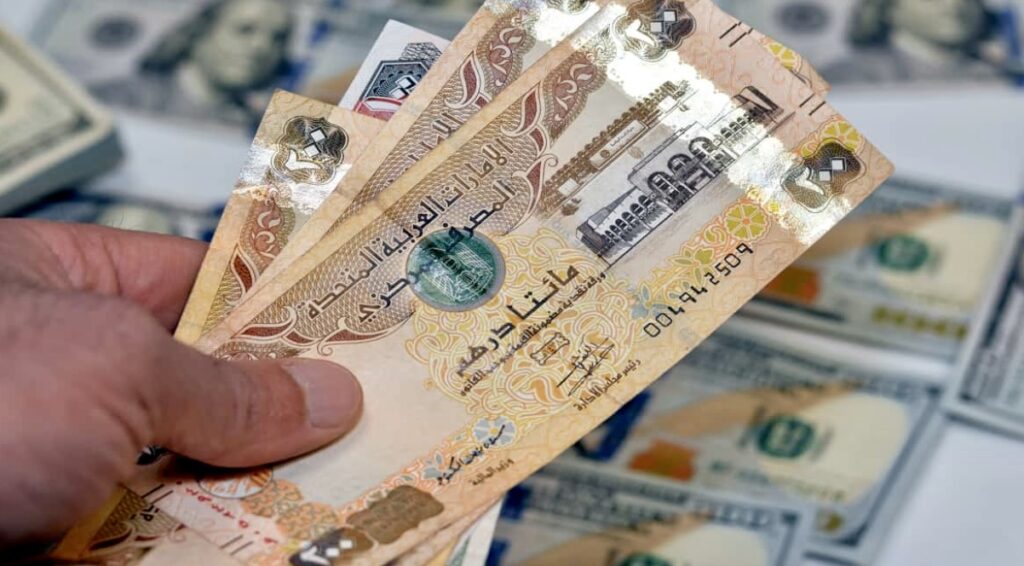
The US dollar has stabilised at around 3,535 Sudanese pounds in the black market, while banks maintain an indicative rate near 3,350 pounds. Despite the relative stability, food and consumer prices continue to climb ahead of Ramadan.
Economics expert Omar Abshar described the market as “inflationary,” saying importers no longer trust the black market rate amid the “continuous erosion” of the Sudanese pound. “The Central Bureau of Statistics’ report that inflation decreased from 68% in December 2025 to 62% in January 2026 does not mean that inflationary prices for consumer goods, food, and vital services such as transportation, education, and health have declined,” he added.
Economist Ahmed bin Omar said reliance on UAE dirhams for trade and transfers has curbed pressure on the dollar. “The import markets and the sector related to money transfer transactions deal in Emirati dirhams against the Sudanese pound, and this trend limits the continuous rise of the US dollar market,” he said.
Currency traders in Port Sudan reported the dirham rising to 1,000 pounds from 980 earlier in the week, driven by increased demand for imports ahead of Eid, while traders in Khartoum said the black market was gradually recovering.
 6) Police recover 50,000 looted vehicles in Khartoum
 8) Sudan rejects US truce proposals as Burhan vows to continue war
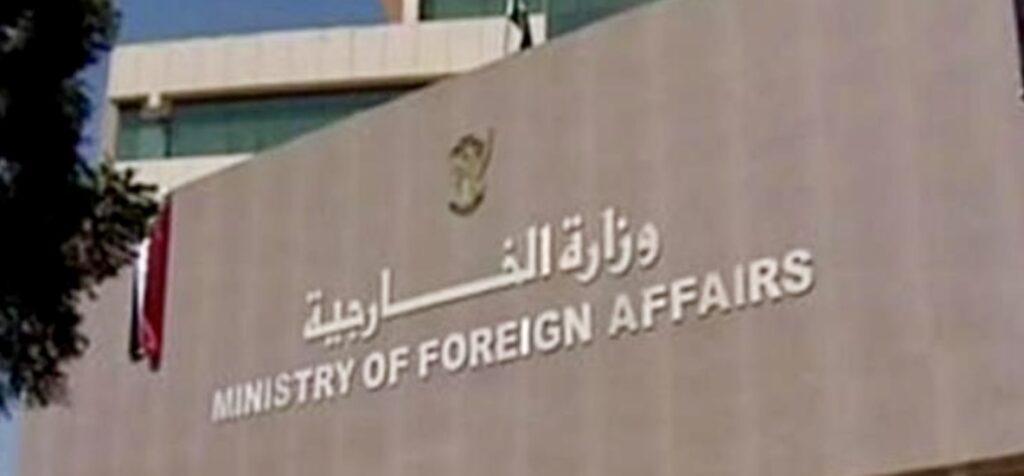
Sudan’s Ministry of Foreign Affairs has rejected proposals related to a humanitarian truce and ceasefire, stressing that the submission of ideas by US officials does not imply acceptance.
In a statement Monday, the ministry said proposals presented by White House Senior Adviser for African and Arab Affairs Massad Boulos “do not necessarily mean their acceptance or approval by the Sudanese government.”
The ministry said any initiative must safeguard “the supreme interest of the country, Sudanese national security, full national sovereignty, and the unity of Sudan’s territory,” warning that “any proposals that do not take into account the supreme interests of the country will not receive the government’s approval.”
“We have no solutions other than continuing the battle to its end or the surrender of the enemy and its elimination,” said army chief Abdel-Fattah al-Burhan during a graduation ceremony speech. He also extended an offer of amnesty to fighters who surrender their weapons, stating, “We welcome repentance.”
Boulos, in a statement posted Monday, urged both sides to accept an immediate humanitarian truce without preconditions and said Washington had imposed sanctions on three senior RSF commanders over abuses in El Fasher. He stressed that the United States would not tolerate atrocities and reaffirmed support for a just and lasting peace and a transition to civilian rule.
 9) Heavy drone strikes hit El Obeid for three days