

Proxy politics and border clashes: an escalating crisis between Sudan and Ethiopia
9 November 2026
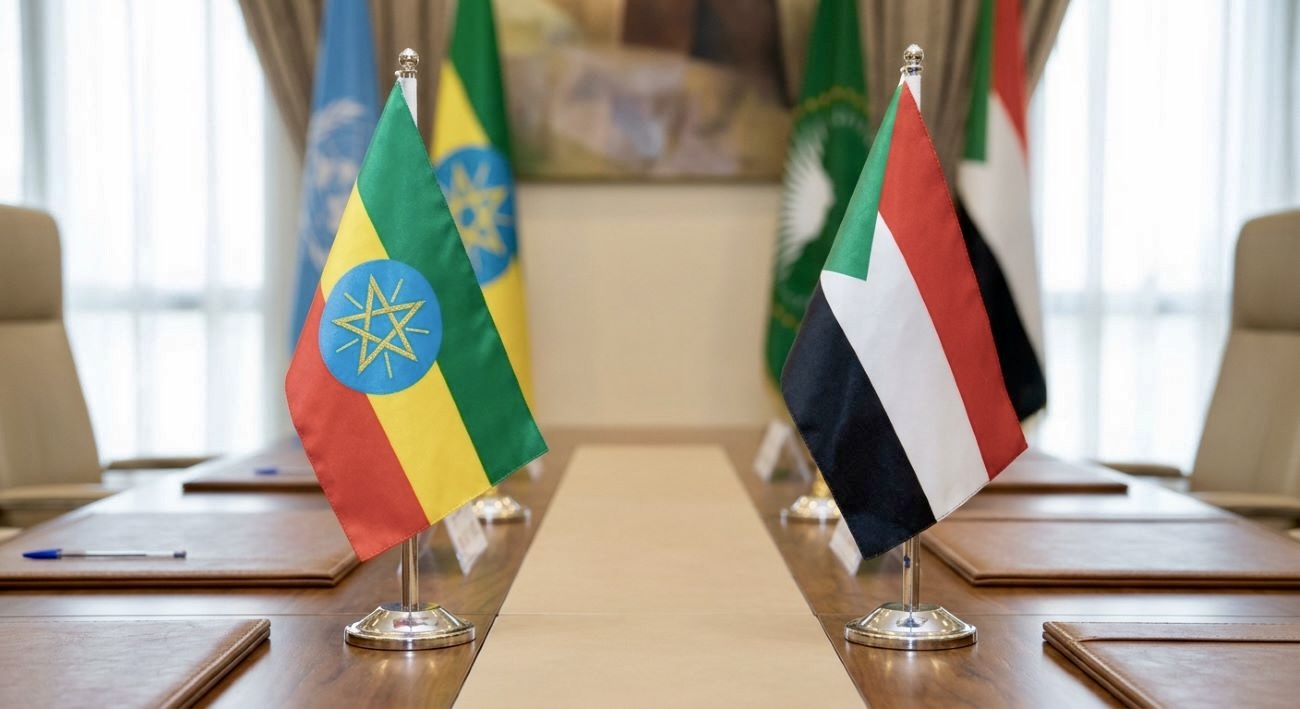
The diplomatic rift between Sudan and Ethiopia has evolved past border disputes this month, exposing competing geopolitical interests along the Red Sea. Last week, Ethiopian authorities shuttered the Sudanese consulate in Assosa, giving staff 48 hours to evacuate. Khartoum swiftly retaliated, closing the Ethiopian consulate in the eastern city of Gedaref and expelling its diplomatic personnel.
This diplomatic severing followed Sudan’s November 1 formal complaint to the United Nations Security Council and the African Union Peace and Security Council. Khartoum accused Addis Ababa of allowing the paramilitary Rapid Support Forces (RSF) to use Ethiopian territory as a staging ground for drone strikes. According to unverified Sudanese government data, the complaint documented 70 attacks involving 187 drones over the past year, resulting in widespread civilian casualties.
In response, Addis Ababa categorically denied providing military or logistical support to the Rapid Support Forces. Instead, Ethiopia issued counter-accusations, claiming that Khartoum, Cairo, and Asmara backed Tigrayan fighters who launched an offensive against Ethiopian government forces in September 2026—a charge all three capitals deny.
With the Sudanese civil war expanding and conflicts in northern Ethiopia reigniting, the shared border is rapidly becoming a site for regional rivalries. This escalating tension threatens to replace direct military engagement with a debilitating, multi-front proxy war involving the overlapping interests of Egypt, Eritrea, and the United Arab Emirates.
Regional distrust
The Sudan-Ethiopia rift cannot be isolated from other rivalries involving Eritrea, Ethiopia, and Egypt. Following the 2022 Pretoria Peace Agreement, Ethiopia’s relationship with Eritrea rapidly deteriorated. On October 1, 2026, Ethiopia closed its embassy in Asmara and expelled Eritrean diplomats, prompting Asmara to completely sever diplomatic ties. At the core of this dispute lies the future of the Tigray region and landlocked Ethiopia’s strategic campaign to secure sovereign access to the Red Sea.
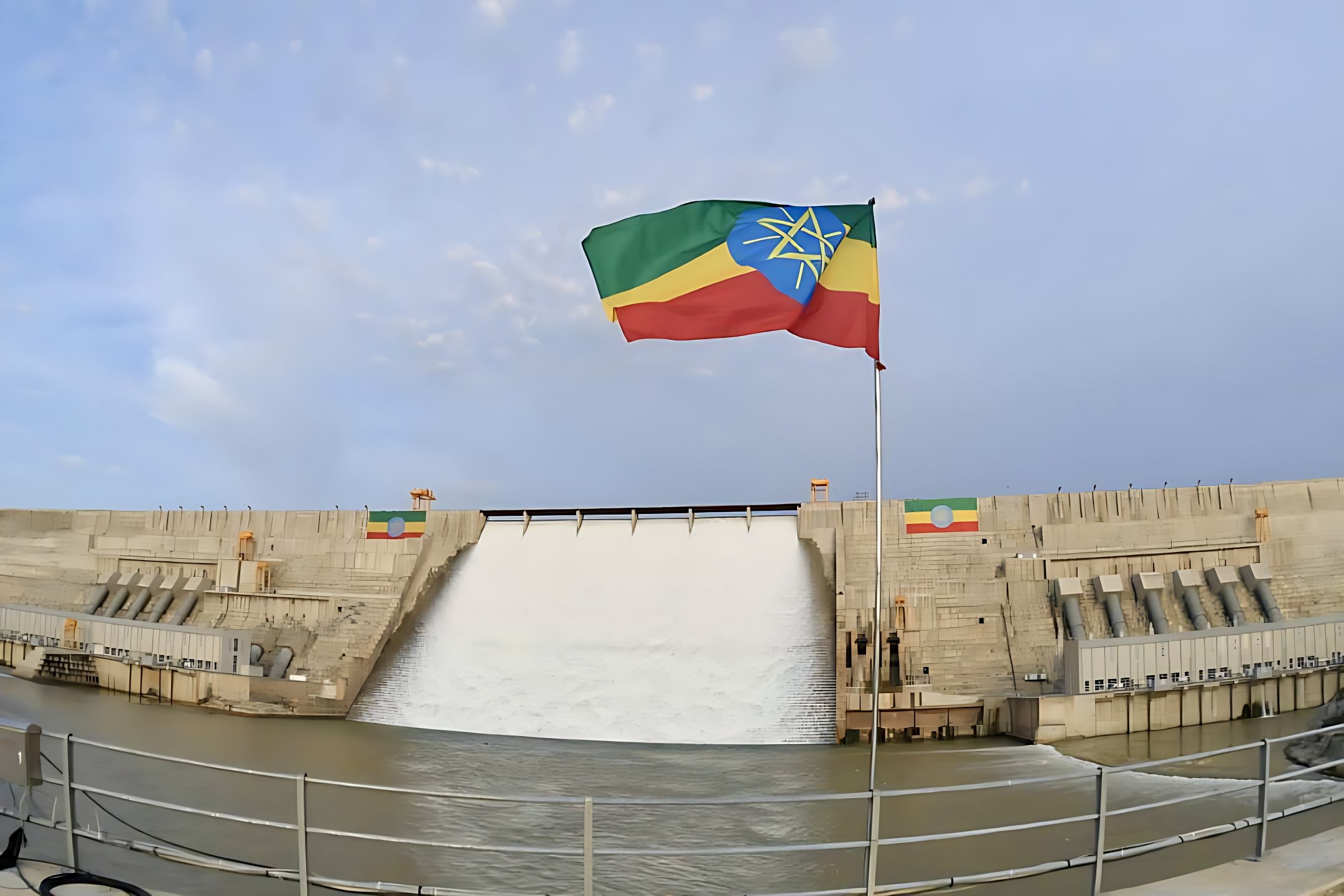
At the same time, the historical rivalry between Egypt and Ethiopia—rooted in the management of the Nile waters and the Grand Ethiopian Renaissance Dam (GERD)—has broadened into a struggle over regional security.
These intersecting rivalries have fostered what Dereje Fessa, senior research and policy advisor at the Ethiopian Institute for Life, calls a “dangerous dynamic of reciprocity”. Fessa notes that growing Sudanese anxiety over the strategic partnership between Ethiopian Prime Minister Abiy Ahmed’s administration and the UAE is fuelling military concerns in Khartoum, especially given widespread allegations of Abu Dhabi backing the RSF.
However, the distrust is mutual. Fessa points to the historical alliance between the Sudanese military establishment and the Tigray People’s Liberation Front (TPLF) dating back to their shared struggle against the Derg regime in the 1970s and 1980s. This history heavily colours Ethiopia’s current security calculus.
“The crossing of elements from Tigray’s “Army 72” into Sudan, their seeking refuge under the protection of the Sudanese army, and their subsequent involvement in military operations to recapture Khartoum raised concerns in Addis Ababa about the possibility of these fighters being rearmed,” Fessa observed.
Consequently, Addis Ababa accuses Sudan of becoming a conduit for weapons flowing from Egypt and Eritrea to armed Ethiopian factions, while Khartoum maintains that Ethiopia’s Benishangul-Gumuz region operates as a logistical hub for the RSF. African affairs researcher Mohamed Torshin notes that alleged supply routes through Assosa have yielded tangible battlefield results, enabling the RSF to capture vital territory in Sudan’s Blue Nile State.
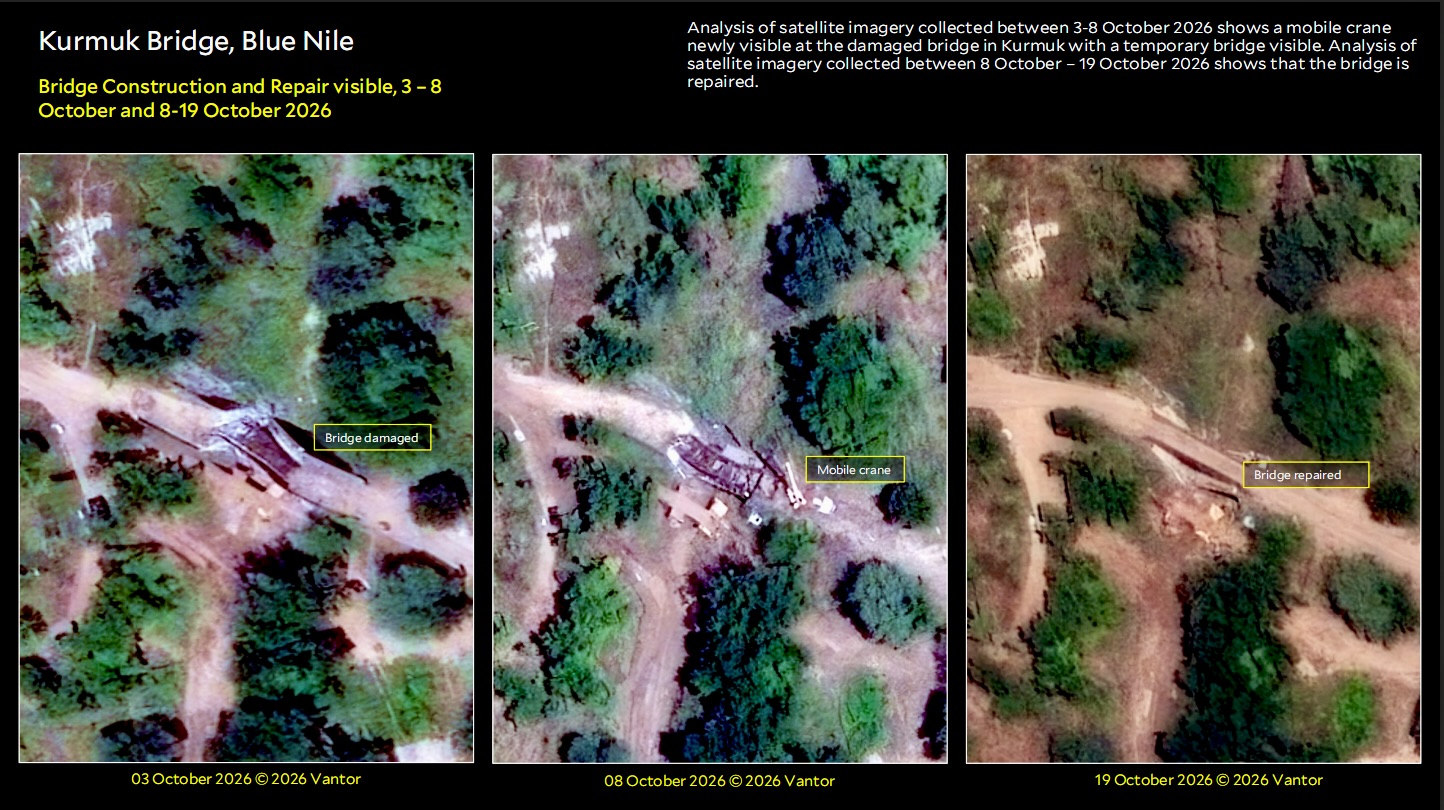
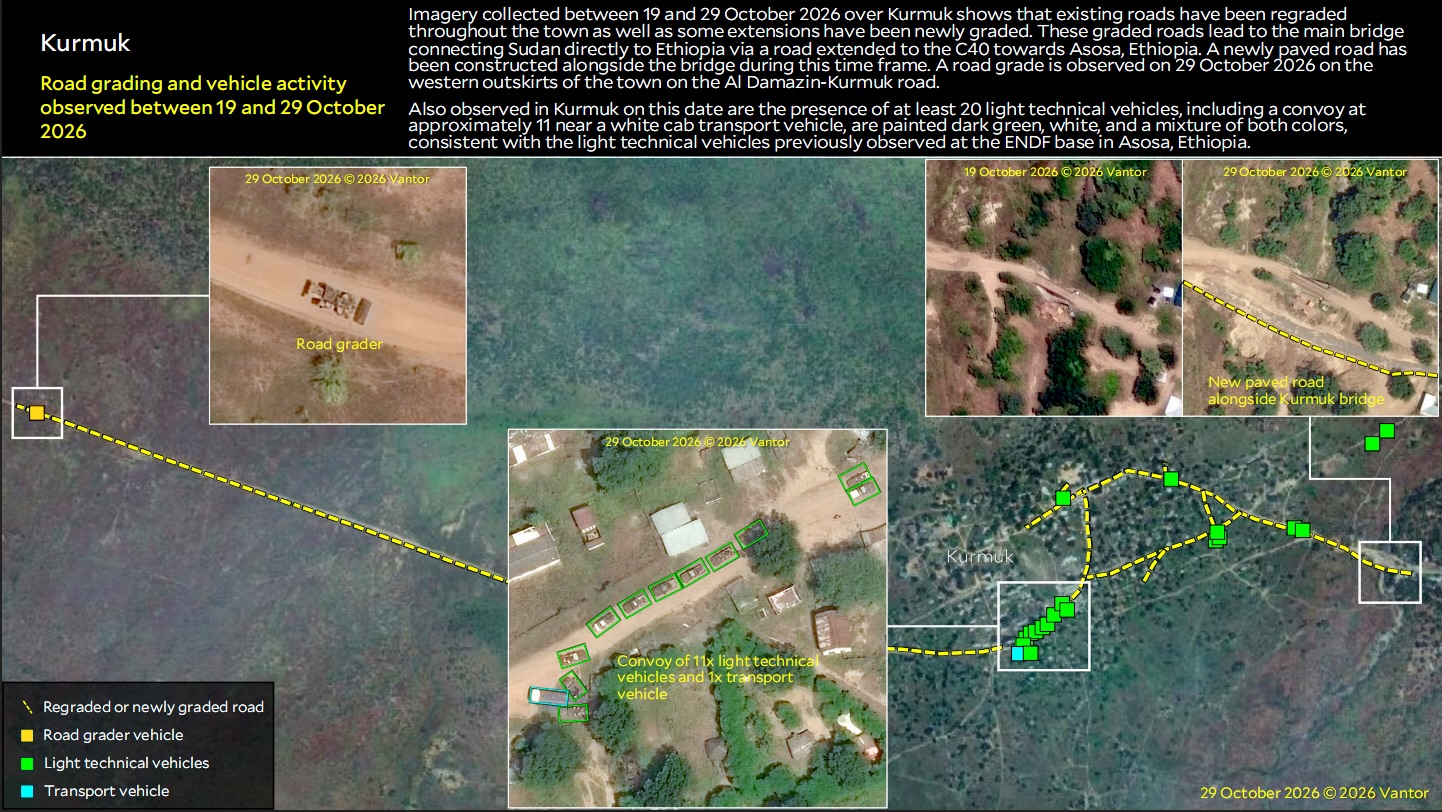
The Yale Humanitarian Research Lab (HRL) recently identified a significant RSF presence and infrastructure development in Kurmuk, a strategic border city in Sudan’s southern Blue Nile State. Kurmuk sits on a critical artery connecting Al Damazin, Sudan (approximately 140 kilometres north), to Assosa, Ethiopia (85 kilometres south). According to Yale HRL, satellite imagery from October shows the RSF repaired the Kurmuk bridge and roads connecting Sudan to Ethiopia. Analysts suggest that these infrastructure projects aimed to ensure RSF supply lines from the border.

The proxy war paradigm
Shared Sudan-Ethiopia border areas in Benishangul, Gedaref, Al-Fashqa, and now Kurmuk are fertile ground for direct security competition.
Khaled Mohamed Taha, a researcher and expert on the Horn of Africa, highlights how regional governments are increasingly leveraging non-state actors to destabilise their neighbours and project power. “The lines between local conflicts and regional wars have blurred. Armed groups on each side have become tools of pressure and strategic balance, complicating the chances of internal political settlement and turning every civil crisis into a bargaining chip in a cross-border regional power game,” Taha stated.
Torshin notes that a direct, conventional war between Sudan and Ethiopia remains unlikely due to the prohibitive economic and military costs. Instead, the conflict is solidifying into a proxy war model, pitting the Ethiopian-RSF axis against a loose, pragmatic triad of Khartoum, Cairo, and Asmara. Taha cautions against viewing these axes as rigid alliances, describing them instead as temporary security arrangements driven by overlapping immediate interests.
Yet the consequences of this indirect warfare could prove catastrophic, particularly as they intersect with Ethiopia’s pursuit of a Red Sea port and Eritrea’s fierce defence of its sovereignty. “Any military confrontation between Ethiopia and Eritrea, in parallel with the Sudanese war, could draw in South Sudan, Somalia, and Djibouti and threaten the safety of international navigation,” Taha warned.
While utilising armed proxies may appear to be a low-cost alternative to direct military engagement for the region’s governments, Taha believes it represents the most destructive long-term trajectory for the Horn of Africa, threatening to permanently erode state sovereignty and societal stability across multiple borders.