





Journalism in Sudan, now a crime punishable by death
29 October 2026
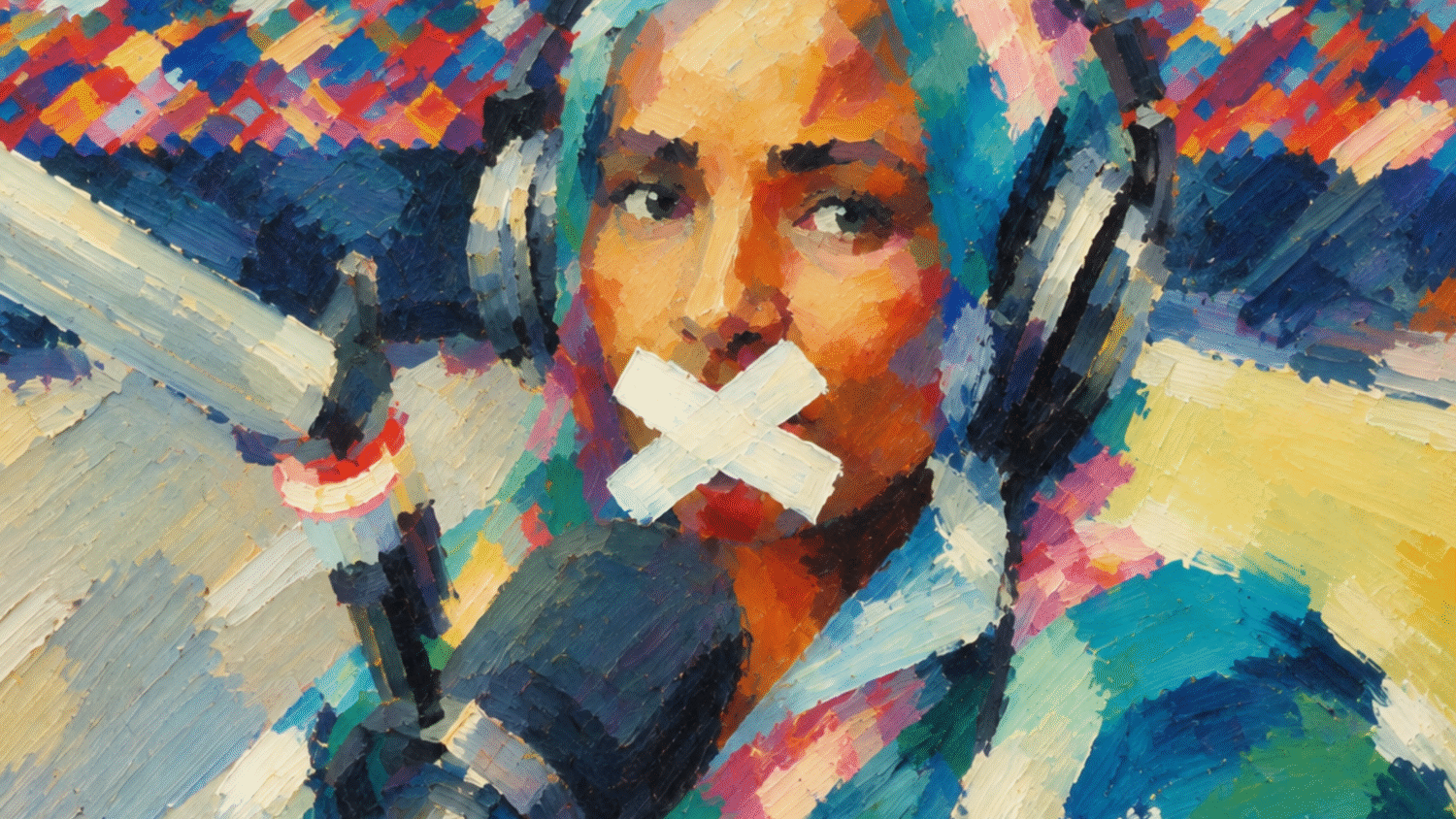
In a country already ravaged by civil conflict, reporting the truth has now been codified into an offence punishable by death.
Under Temporary Constitutional Decree No. (7) of 2026, issued on October 19 by the Chairman of the Transitional Sovereignty Council, Lieutenant General Abdel Fattah al-Burhan, Sudan’s military authorities have drastically expanded Article 51/A of the 1991 Criminal Code. Published in Official Gazette supplement issue 1982 to take immediate legal effect, the amendment revises the statute on “inciting war against the state” by appending a single, sweeping phrase: “including publication via electronic or media outlets.”
With that change, documenting human rights abuses, reporting military setbacks, or circulating an independent field dispatch can legally be construed as treason. The penalties are categorical: total confiscation of property, life imprisonment, or execution. Any publication that diverges from the state narrative is categorised as an act of inciting war and subverting the constitutional order. “The amendment transforms media and communication from tools for expression into instruments for committing a crime punishable by death,” warned human rights lawyer Rana Abdel Ghaffar Abdel Rahim.
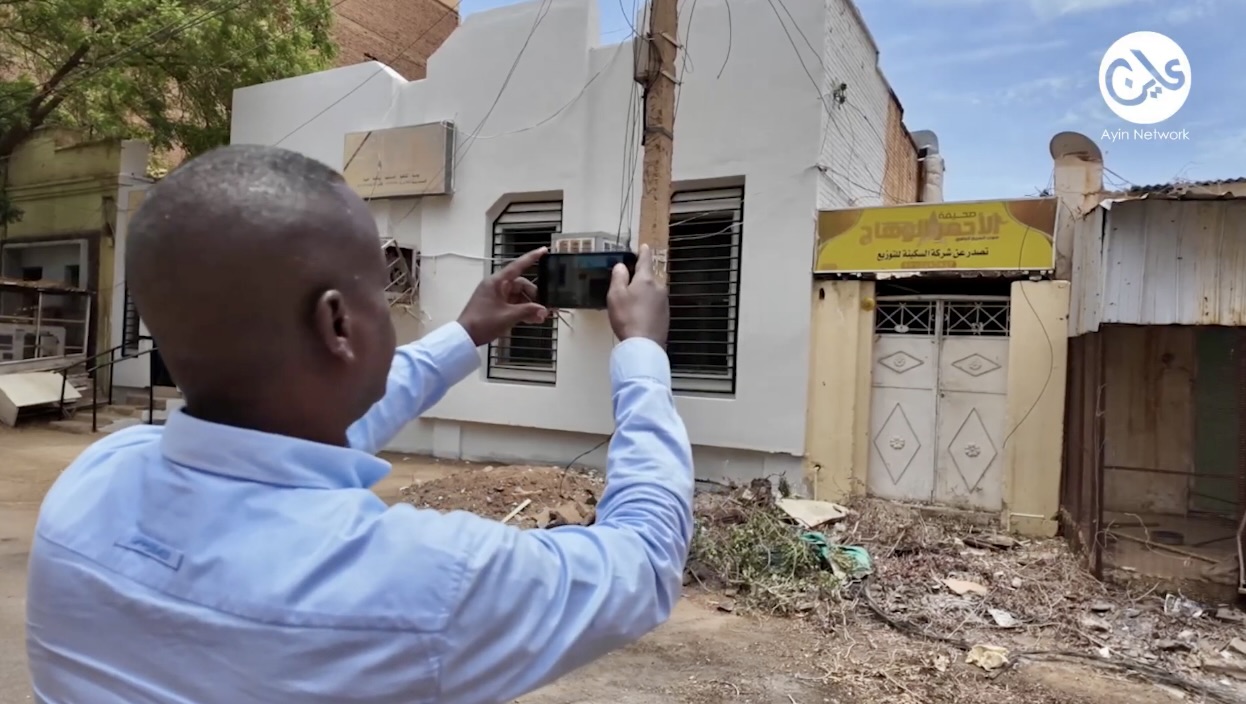
Designed to control
While the Ministry of Justice maintains that the decree is necessary to safeguard national security and counter media content supporting rebel militias and insurgency, the Sudanese Journalists Syndicate and human rights organisations have completely rejected the amendment. They warn that the law’s deliberately sweeping language criminalises standard newsgathering and further curbs already dire conditions for press freedom.
The main purpose of the current military administration, says Rana Abdel Ghaffer, is to extend comprehensive control over the press, especially online media. “The government seeks to control the digital media space and to criminalise any moral or media support for entities that the authorities classify as rebellious or combatant,” she told Ayin. “The practical goal was to close what the de facto government considered a loophole in the old text of Article (51) by turning social media platforms and media outlets from means of expression into means of committing a crime punishable by death or life imprisonment.”
Compounding the threat, the state also established a new office to monitor media content and register lawsuits. The administrative body has been granted the authority to police digital spaces, track content, and unilaterally initiate criminal lawsuits on behalf of the state. By vesting an executive body with these powers, it directly infringes on the exclusive jurisdiction of the Public Prosecution, the sole judicial organ authorised to represent society and bring indictments, Rana says.
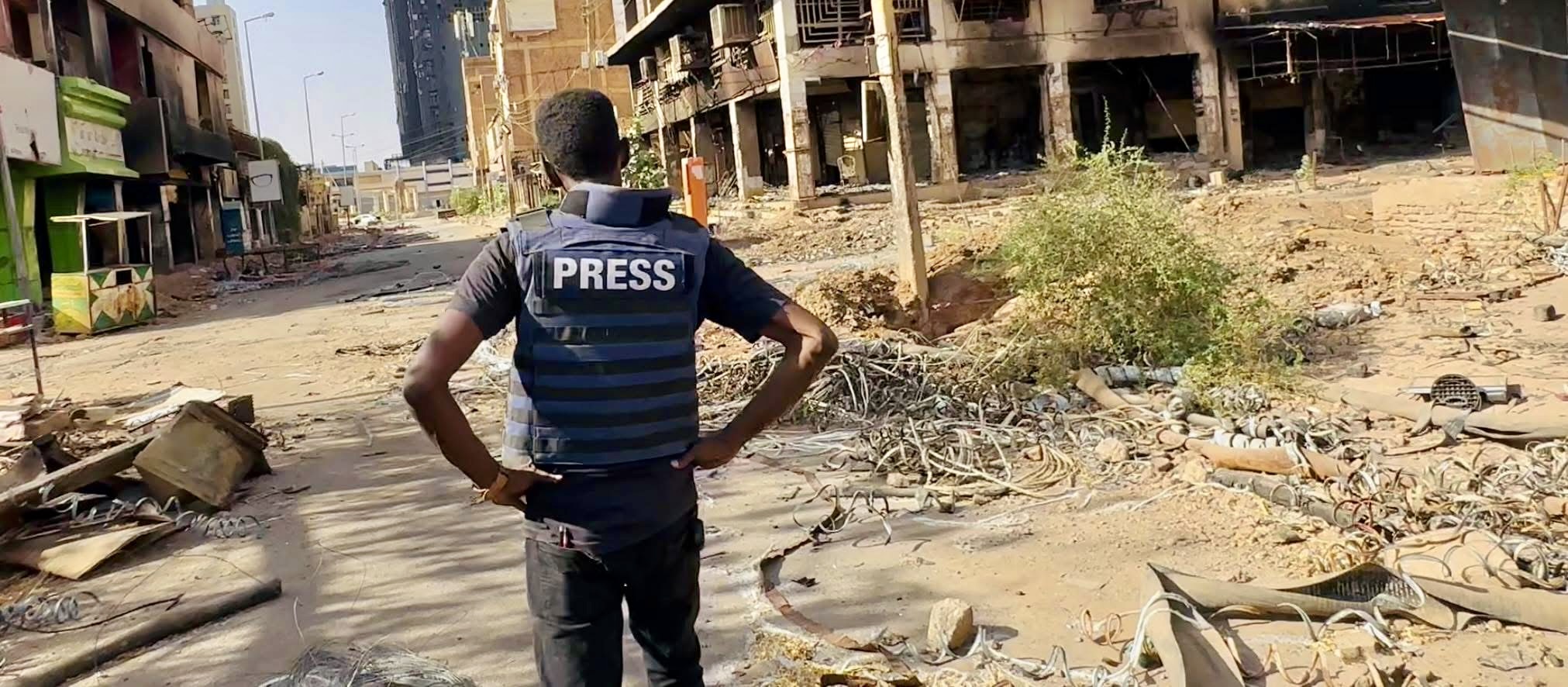
Reporting under threat
For the journalists remaining on the ground, the decree arrives amid an already harrowing operational landscape. Journalist Abdullah Rizq explained to Ayn that the war itself represents a grave, ongoing human rights violation that represses the press. Reporters inside Sudan are forced to perform their duties under punishing constraints, deprived of basic operating facilities and subjected to constant surveillance, he said. The introduction of harsh media legislation, Abdullah said, is intended to terrorise journalists and further intensify repression, preventing citizens from learning the full scale of the dangers they face.
Iman Fadl Al-Sayed, a press freedom officer at the independent Sudanese Journalists Syndicate, explained to Ayin that the core danger of the amended Article 51 lies in the absence of a clear demarcation between legitimate journalistic inquiry and a criminal act. Because the law leaves this boundary undefined, authorities have free rein to apply selective interpretations, placing reporters under permanent threat of capital indictment for routine coverage.
Fadl Al-Sayed stressed that wartime journalism must go beyond reciting official communiqués and military statements. Its essential purpose is to document violations against civilians, report on the conditions of displaced populations, expose violence targeting women and children, and uncover realities that armed factions seek to conceal. Targeting journalists for documenting abuses or airing a victim’s testimony strips the public of information and robs victims of any pathway toward justice and accountability. “To be clear, it’s not that professional journalists seek immunity from legal accountability,” Fadl added, “rather, they demand against arbitrary prosecution and an explicit legal distinction between actual criminal incitement and independent, critical reporting.”
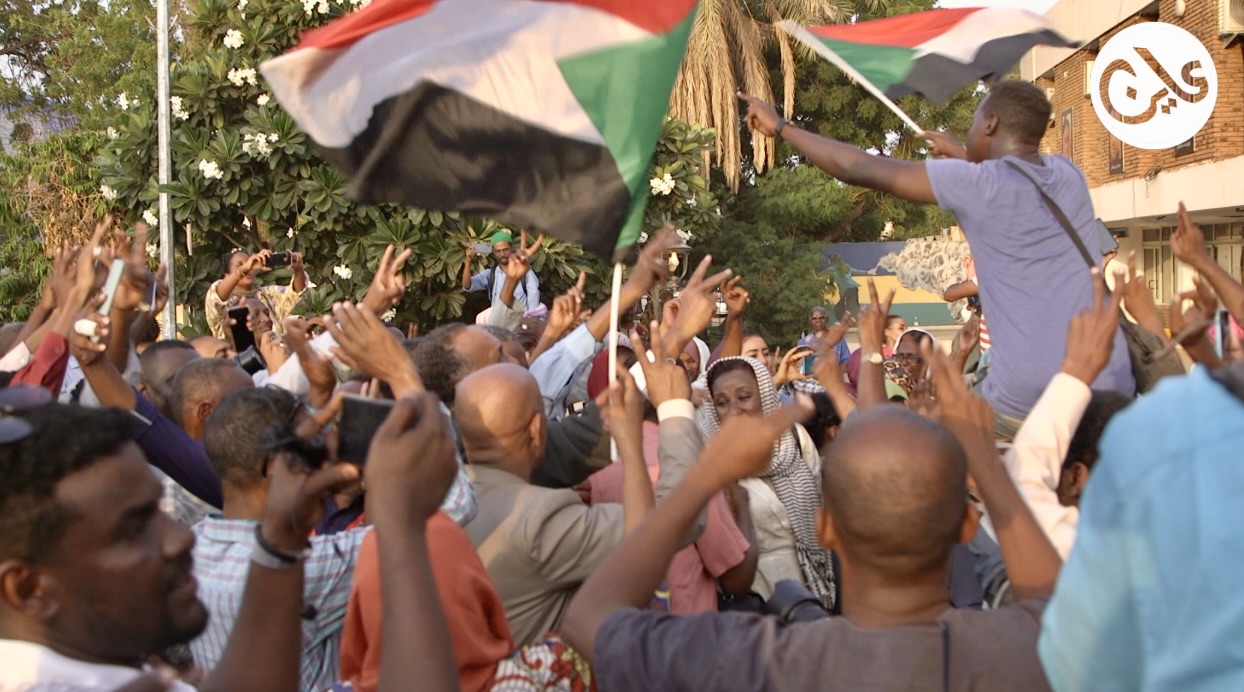
Contrary to local, international law
Legal scholars argue that the amendment is fundamentally invalid under both international agreements and Sudan’s domestic legal architecture. According to Rana, the new amendment contravenes Sudan’s Bill of Rights in the 2019 Constitutional Declaration and the 2005 Constitution, both of which protect freedom of expression and prohibit prior censorship.
At the international level, Rana said the amendment breaches Article 19 of the International Covenant on Civil and Political Rights (ICCPR), Article 9 of the African Charter on Human and Peoples’ Rights, and the 2019 Declaration of Principles on Freedom of Expression and Access to Information.
Confronting this escalation, the Sudanese Journalists Syndicate put forward five urgent demands to preserve the country’s press corps. The union called for the immediate and total repeal of the amendment to Article 51 of the 1991 Criminal Code, as well as the dissolution of the National Mechanism for monitoring content to halt executive overreach into judicial affairs. The syndicate also demanded an overhaul of cybercrime legislation to eliminate restrictions on free expression, an immediate cessation of official interference in editorial decisions to protect media independence, and an outright prohibition on detaining journalists, with any regulatory measure subject to the oversight of an independent judiciary.
Yet for journalists navigating the ruins of their profession, legal remedies remain inextricably tied to the broader fate of the country. “The new legislation is aimed at terrorising journalists, and there is no real way out of this tragic situation except by stopping the war and restoring democratic freedoms,” Abdullah said. Until that happens, he added, professional solidarity networks like the Journalists Syndicate remain the final barrier against total silence.