


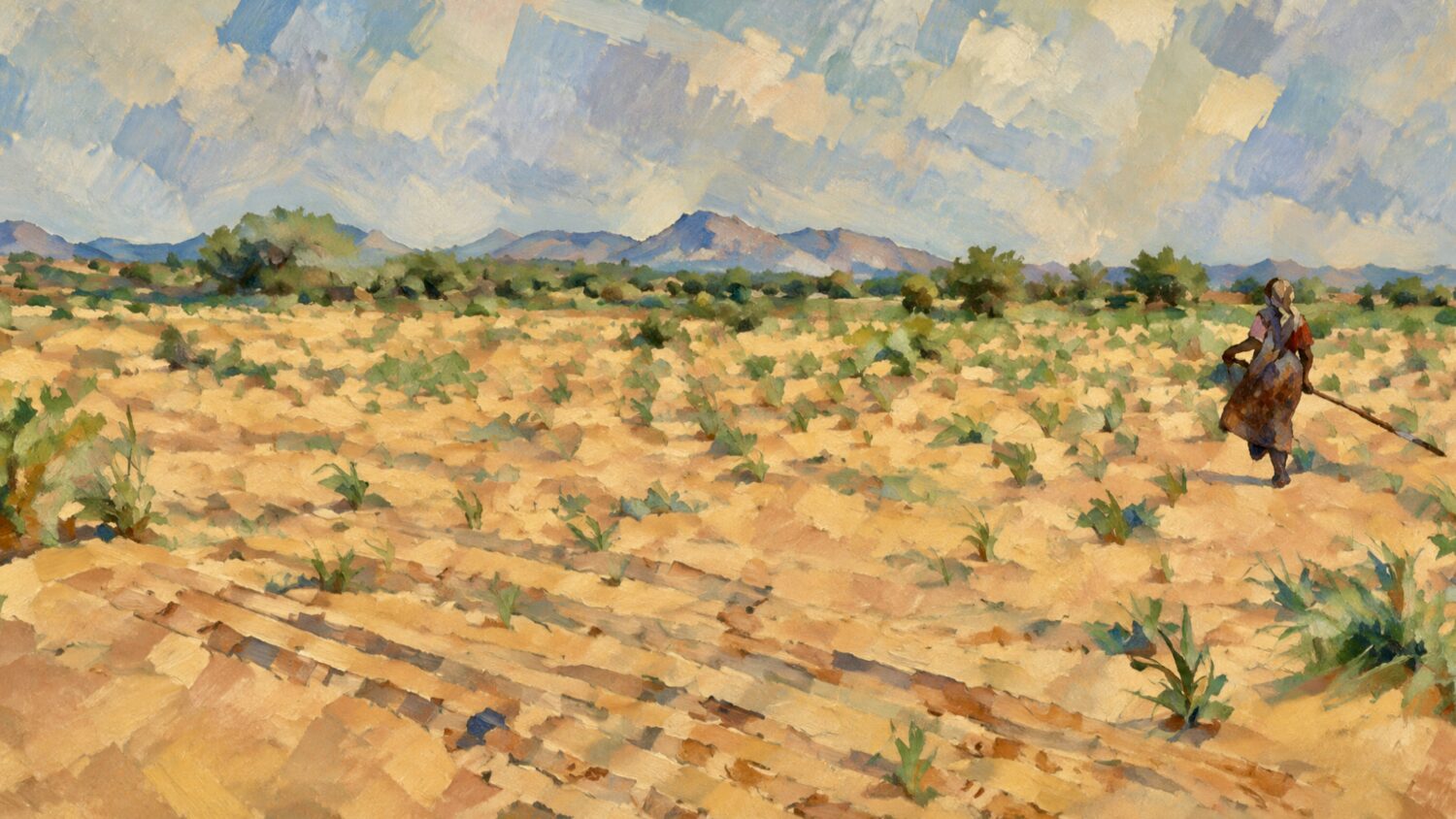










Parched earth and flash floods, poor rains are fuelling famine in Sudan
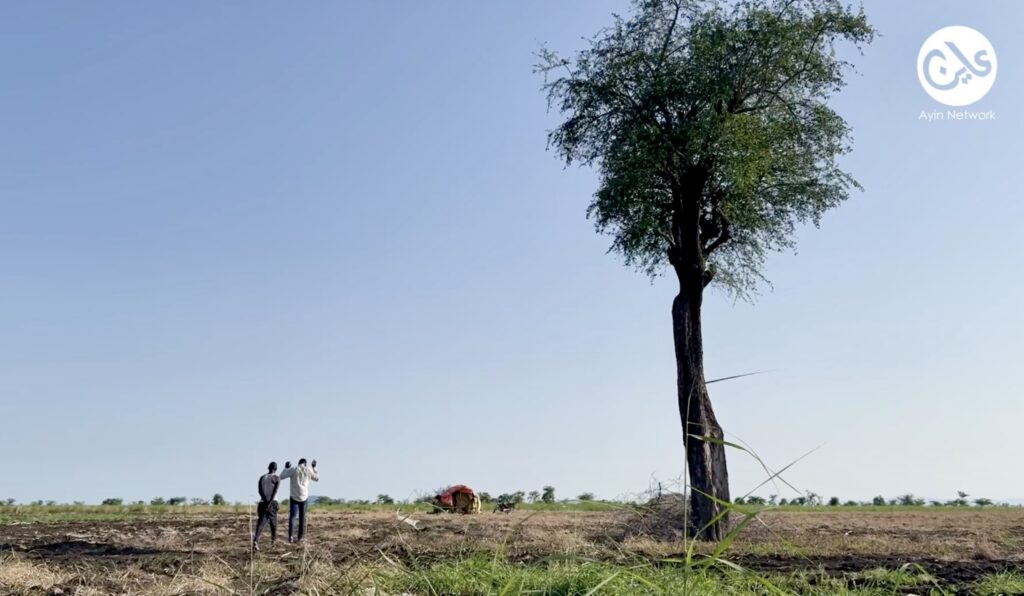
Farmers in Sudan are desperate. In Abu Karnka, East Darfur State, farmers congregate to pray for rain, looking up at the sky and down at the parched earth below. Across the country, people witness similar scenes.
Poor, intermittent rainfall in Sudan has added to fears of further impending famine in the country. Rain-fed agriculture covers more than three-quarters of cultivated land in Sudan, and farming represents roughly two-thirds of the country’s food supply. The autumn season has become a harsh test of the resilience of farmers in the plains of Kordofan, Darfur, Gedaref, and the Blue Nile.
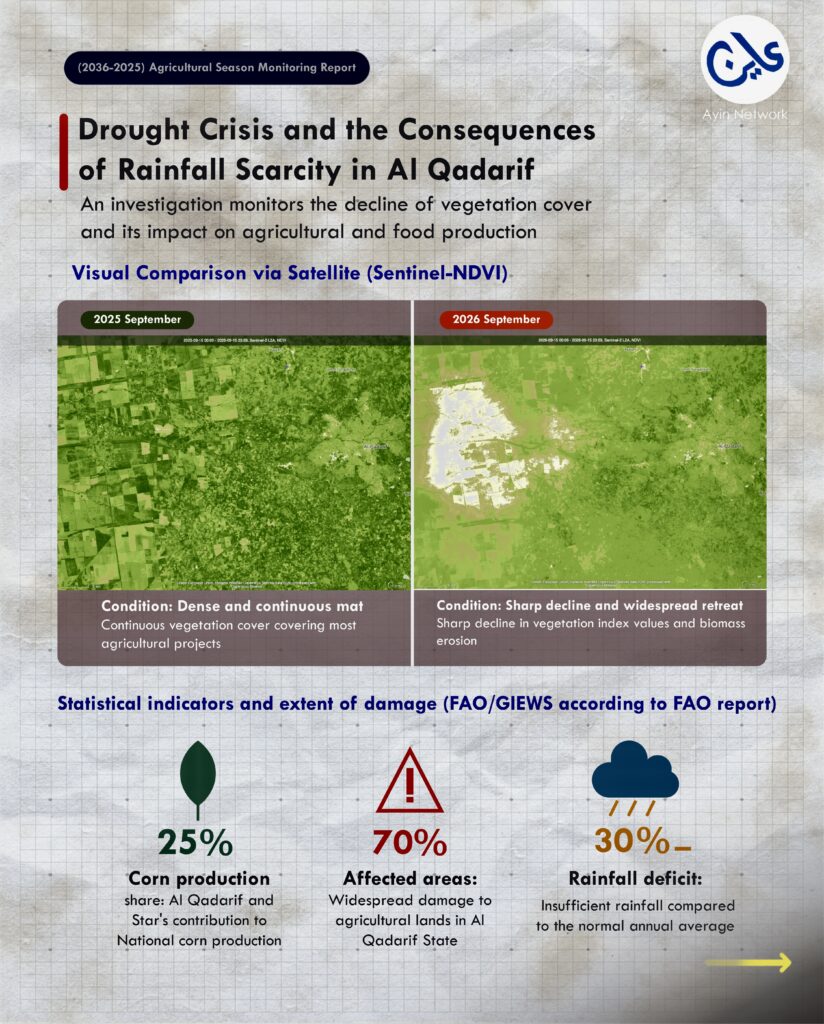
In Gedaref State, the UN’s Food and Agricultural Organization (FAO) recorded a 30% rain deficit, affecting 70% of its agricultural areas. Similarly in Sennar State, a rain deficit of 20% affected 40% of its farmlands. The two states produce a quarter of the nation’s maize crops.
The intermittent, unpredictable rains have led the FAO to estimate that as many as 14 areas in North Darfur, South Darfur, and South Kordofan states are currently at risk of famine.
From warnings to reality
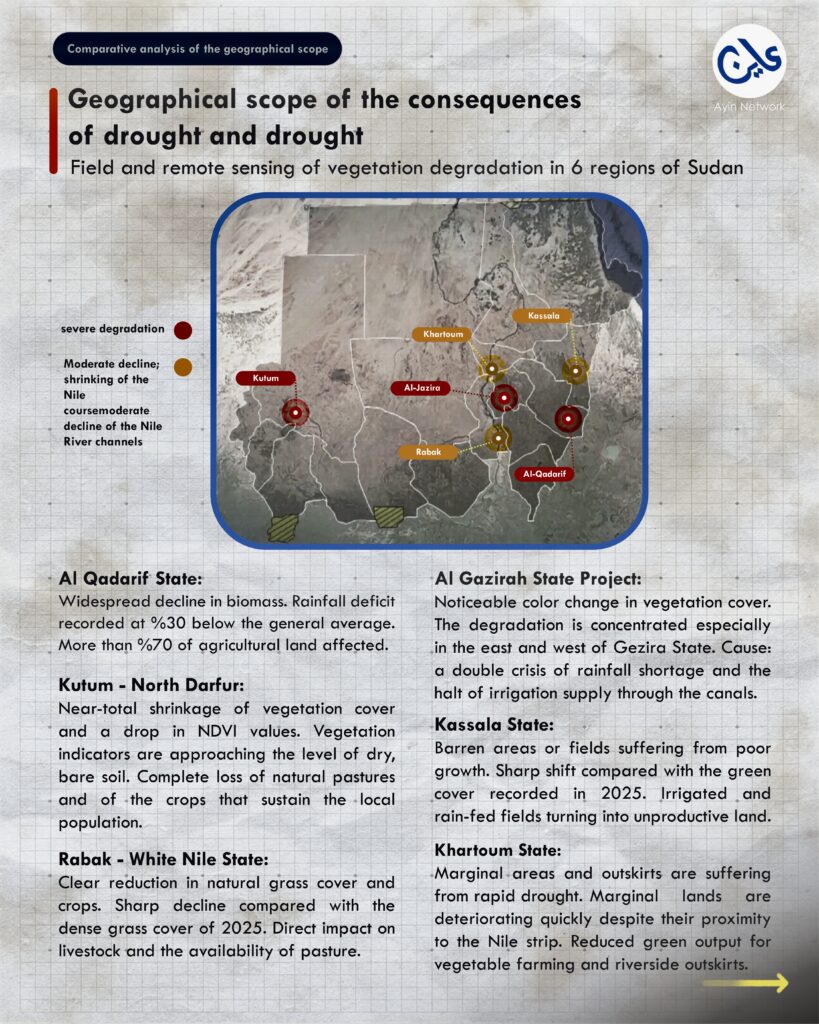
During the 2026 summer agricultural season, Sudan faced a severe confluence of drought, high temperatures, and deteriorating irrigation networks. What began as official warnings of drought and water scarcity in June had, by September, become a reality with widespread damage to summer crops in both rain-fed and irrigated sectors.
In mid-August, the European Commission’s global early warning system for agricultural production anomalies, the Anomoly Hotspots of Agricultural Production (ASAP), warned of crop failure across Kordofan, White Nile, Blue Nile, and Kassala due to drought and delayed planting, directly contributing to famine conditions.
“This year’s season witnessed great fluctuations and a noticeable scarcity of rain in its first period; the southern region of Gedaref witnessed, after the middle of July, much better rainfall compared to the northern region,” says farmer Hosni Muhammed from Gedaref State—one of the most important states in Sudan for rain-fed agriculture. The fluctuation and interruption at the beginning of autumn led to the complete failure of oilseeds and cash crops to germinate, such as sesame and cotton. Such weather has led Hosni and others to replant, which has doubled labour costs and spiked crop prices.
Variant rains
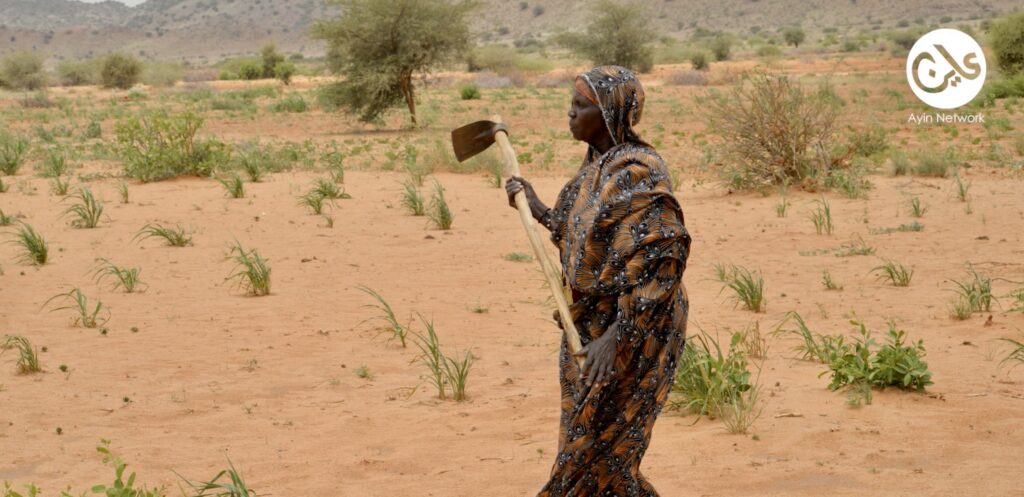
Sudan is not suffering from a lack of rainfall, says climate expert Dr Omar Ahmed Abdel Jalil from Kassala University, but rather from a poor temporal and spatial distribution of rainfall. A severe lack of rainfall in one area, with heavy downpours in others. “We are witnessing the formation of a new climatic pattern characterised by intense rainfall over short, heavy episodes, which causes erosion and flash floods,” Dr Omar explains. “This phenomenon leads to prolonged water shortages that damage plants and weaken crops.”
Historically, Sudan has experienced periods of declining rainfall and delayed autumn over the past 120 years, he said. “What we are witnessing today coincides with global climatic phenomena coupled with El Niño, and it’s having an impact, if not the most significant impact, on the region.”
Farmers in Sudan need to adapt to these climatic changes, Dr Omar says, such as water harvesting and soil management to reduce surface water runoff and evaporation to ensure the land retains moisture during gaps in rainfall. But adapting to new farm techniques, as critical as they may be, is no simple task during wartime. “My farmland was raided and looted,” says Babiker*, a farmer formerly based in eastern Al-Jazeera State. “Now I am forced to farm a small garden with limited resources — it is nothing in comparison to what we previously produced.”
Pressure on the food market
The sporadic, often declining rainfall naturally affects food supplies, says economic analyst Ahmed bin Omar. The drop in rainfall in Gedaref State and the Kordofan region in particular is placing severe pressure on the national food market since the two regions form the primary base for grain, cash crop, and pasture production. Prices are spiking, Ahmed says, because of the decreased food production, compounded by high fuel prices and transport costs. All of this takes place when most civilians lack sufficient purchasing power to offset the price hikes, including those with regular employment. “Food insecurity has now expanded to include millions of citizens who face extreme difficulties in obtaining their daily meals in light of high inflation rates and the decline in the real value of wages and incomes,” he added.

The net result of poor rains and subsequent poor harvests, high prices, and inflation – all compounded by an ongoing, devastating war – has led Sudan into one of the most complicated food crises in its turbulent history. “The current crisis is distinguished by the scale and complexity of destruction affecting agriculture, markets, livelihoods, population movement, and humanitarian access,” says conflict analyst researcher Dr Adeeb Yousif.
All actors, the government, armed groups, and the international community must acknowledge the severity of the situation and work to prevent further food insecurity, Dr Adeeb says. “This is not a call to wait for famine; it is a call to act now to prevent it. Rainfall failure, reduced agricultural production, soaring food prices, livestock losses, displacement, malnutrition, and restricted humanitarian access are all warning signs that require timely intervention.”