

1 April 2026
To keep our readers informed of the multitude of events taking place in Sudan amidst the ongoing, devastating war, we have developed a series of weekly news briefs covering major topics of the week.
In this week’s edition:
- Clashes in Blue Nile displace more than 80,000
- Power outages highlight sudan’s deepening energy crisis
- Political forces divided over international conference on Sudan
- A drone kills 28 travelers on the Dubaibat – El-Obeid road
- RSF launch plan to release civilian prisoners
- Fierce battles continue around Dilling amid aerial attacks
- Fuel prices spike again; fear of paralysis
- Volunteers: Half a million at risk in El Obeid
- Sudan extends the opening of the Adré border crossing with Chad
- New taxes paralyse Sudan-Egypt border crossing
 1) Clashes in Blue Nile displace more than 80,000
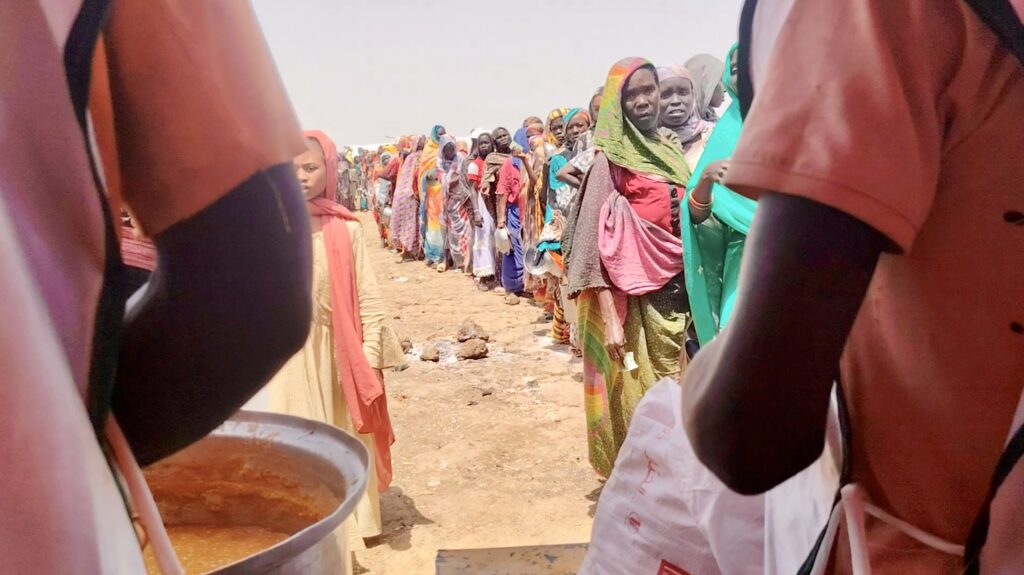
Heavy fighting in Sudan’s Blue Nile region has triggered a new wave of displacement, with estimates suggesting more than 80,000 people have been forced to flee amid escalating clashes and drone attacks.
A local source told Ayn that “clashes continued until Sunday evening, at an intermittent pace,” particularly in areas between the Kurmuk and Baw provinces, as well as Sali and Kilek. The fighting, the source said, is marked by “advances and retreats between the parties” competing for strategic locations and supply lines.
The expansion of hostilities into Kurmuk has forced thousands who had previously sought refuge there to flee, while new groups from southern and western areas are arriving daily in Damazin, placing mounting pressure on the capital city.
“Since March 21, Wad Al-Mahi has been receiving large numbers of displaced people from Qaysan daily, more than 13 families per day,” said one resident of Wad al-Mahi. Some families, he added, have moved onwards to Bakuri
Ali Hajo, Secretary-General of the Blue Nile Civil Society Initiative, said that more than 9,000 people have crossed into Ethiopia, “the majority of whom are women, children, and the elderly.”
Hajo said available estimates indicate displacement has “exceeded 80,000″, though access constraints make precise counting difficult. Meanwhile, shelters in Damazin are overwhelmed, with one emergency room member warning that “the increasing number of displaced people… has widened the gap between needs and available resources.”
 2) Power outages highlight sudan’s deepening energy crisis
A partial power outage struck multiple Sudanese states this week, underscoring a widening electricity deficit driven by high demand, ageing infrastructure, and limited supply.
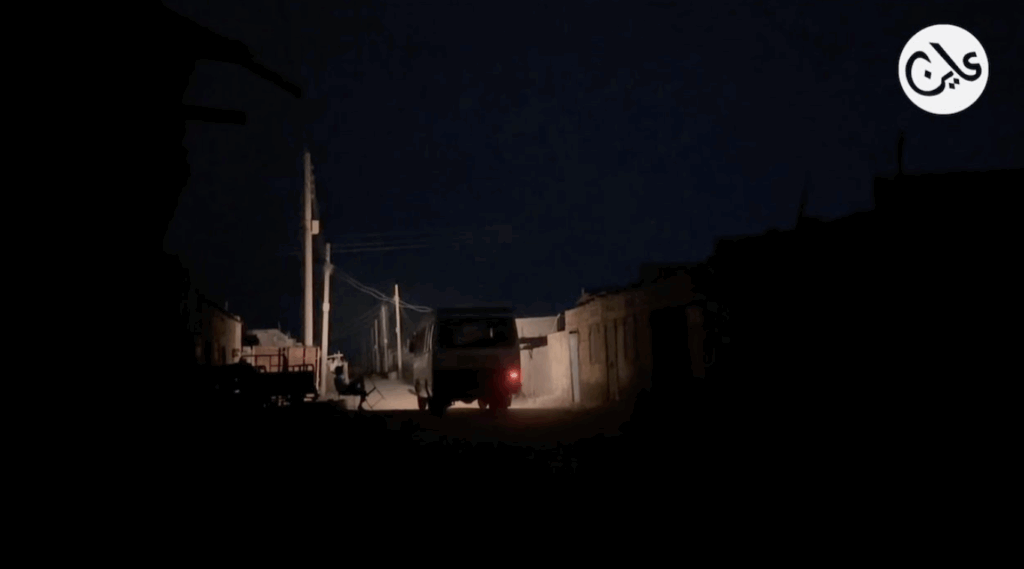
The outage affected Khartoum, River Nile, and Red Sea states on Tuesday, with residents in Omdurman reporting electricity cuts from early morning until midday. Many businesses have increasingly relied on private generators, as outages become more frequent.
A source from the electricity distribution company told Ayin that “the partial power outage that affected three states today resulted from overloading coupled with high consumption rates.” The source noted that the network had expanded its coverage area following the Sudanese army’s recapture of the capital, Khartoum, Jazeera State, and parts of White Nile State.
Authorities are hoping for relief through additional electricity supply. The same source said improvements are expected from the Ethiopian interconnection, which could add 270 megawatts, alongside increased production at Merowe Dam and maintenance at key power stations.
However, energy expert Hani Othman warned that Sudan’s electricity deficit has reached 1.7 gigawatts. “The widespread power outages, now occurring at least once a week, are due to the severe energy shortage,” he said.
Rising fuel costs and dependence on imported petroleum products exacerbate the crisis. With temperatures approaching 40°C, residents face growing hardship, struggling with limited cooling, darkened streets, and worsening living conditions.
 3) Political forces divided over international humanitarian conference on Sudan
The upcoming international conference in Berlin, scheduled for April 15, 2026, has deeply divided Sudanese political forces. The high-stakes meeting, convened by Germany with support from the EU, UN, and African Union, aims to address the country’s escalating humanitarian crisis and establish a political track to end the ongoing war. However, the response from domestic stakeholders has ranged from enthusiastic participation to outright boycott.
The “Sumud” Democratic Forces Alliance has confirmed its attendance with a high-level delegation. Spokesman Bakri Al-Jak told Ayin that the conference serves as a critical dual-track platform, featuring a “humanitarian track and a meeting of foreign ministers from several countries to raise funds for Sudan, in addition to a political track aimed at reducing the escalation in the country.” This summit follows the tradition of international humanitarian efforts held on the anniversary of the conflict, following previous conferences in Paris (2024) and London (2025).
In contrast, the “Democratic Bloc” alliance remains hesitant, citing concerns over the summit’s organisation. Spokesman Muhammad Zakaria revealed that the bloc has “observations and reservations about the criteria for selecting parties to represent and participate in the conference.” The group is currently awaiting a meeting with a five-party mechanism—including the UN and the Arab League—to clarify its agenda before finalising its position.
Zakaria emphasised that any meaningful peace must be rooted in the Jeddah Agreement and lead to the dismantling of the Rapid Support Forces (RSF). He noted that the conference aims to open humanitarian corridors, but the Democratic Bloc remains cautious about the proposed political framework.
The most severe opposition comes from “National Forces Coordination,” which has announced a total boycott. The group argues that the conference intentionally excludes the official Sudanese government while inviting entities linked to what they term a “parallel government.” In a public statement, the Coordination Committee slammed the move as an attempt to grant “legitimacy and implicit recognition of parallel entities, which threatens the unity of Sudan.”
This “parallel government” refers to the political and military alliance formed between the RSF and the Sudan People’s Liberation Movement, led by Abdelaziz al-Hilu. This faction has increasingly positioned itself as a rival administration to the one led by the Sudanese army, creating a complex diplomatic minefield for international mediators.
As the April 15 deadline approaches, the Berlin conference serves as a crucial test for international diplomacy. While organisers hope to streamline aid and deescalate tensions, the internal rift among Sudan’s forces suggests that achieving a unified political vision remains a distant goal.
 4) A drone kills 28 travelers on the Dubaibat – El-Obeid road
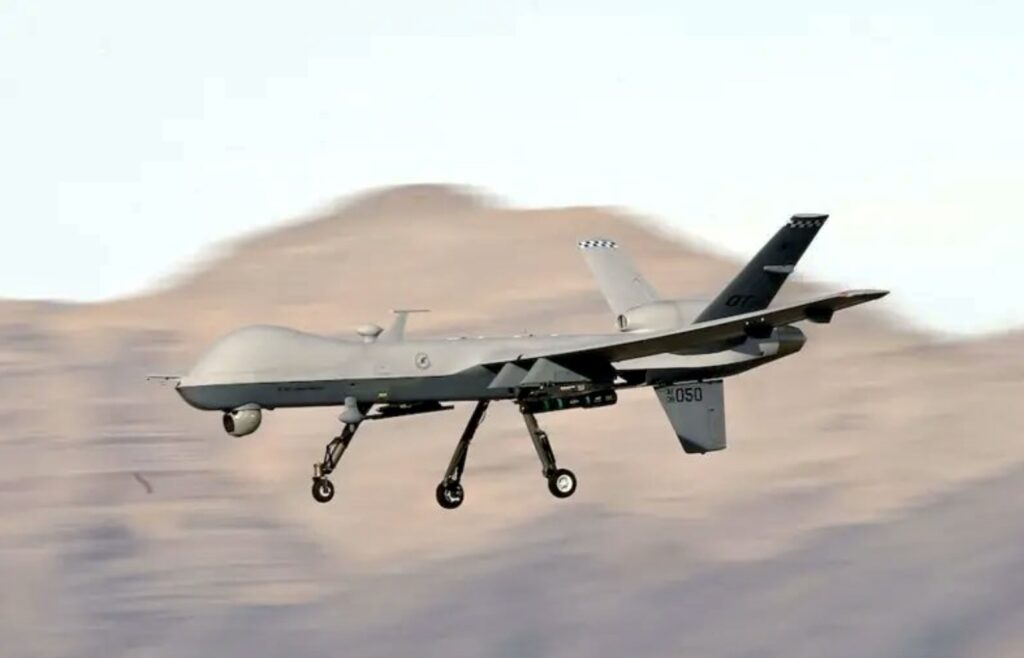
A drone strike in the Al-Shaqa Al-Umda area of North Kordofan killed at least 28 civilians on Saturday. When the strike occurred, the victims were part of a group of travellers commuting from villages near Al-Dubaibat toward the state capital, El-Obeid.
According to an eyewitness who spoke to Ayin, the group was travelling in 10 “tuk-tuks” when a drone, reportedly targeting a Rapid Support Forces (RSF) combat vehicle, struck the gathering. The witness claimed the RSF driver had stopped in the middle of the passengers just before the bombing took place. “The bombing killed 18 people instantly,” the witness reported, noting that five vehicles were also destroyed in the blast.
The death toll rose to 28 after 10 of the 15 injured passengers succumbed to their severe wounds after being transferred to a medical facility in El-Obeid. This tragedy underscores a grim pattern; the United Nations Human Rights Office recently reported that more than 500 civilians have been killed by airstrikes in Sudan over the last three months, with Kordofan bearing the brunt of the violence.
The incident comes amidst a sharp escalation in regional hostilities. This week, fierce battles erupted between the Sudanese Army and the RSF around the strategic cities of El Obeid and Dilling. While the army claims to have repelled an RSF assault on Dilling, RSF members have circulated footage purportedly showing their entry into the city, which houses the headquarters of the 54th Brigade.
As the conflict intensifies, the frequent use of drones in populated areas continues to claim civilian lives at an alarming rate. The strike represents a devastating breakdown of safety in one of the country’s most contested regions for the residents of rural Al-Dubaibat, who have relied on these transit routes throughout the war.
 5) RSF launch plan to release civilian prisoners
Nineteen civilians from Ghabish, West Kordofan, have returned home following their release from the notorious Daqris prison in Nyala, South Darfur. The group was part of a larger cohort of 42 individuals arrested last July during an RSF crackdown in Ghabish. Their release is an important step in the Rapid Support Forces’ (RSF) recent efforts to review and reduce its massive population of civilian detainees.
One of the released men told Ayin that the decision followed an investigation by a special committee acting under direct orders from RSF leadership. This specific release was part of a broader group of more than 400 people—including both civilians and some RSF members—granted freedom recently. However, the scale of detention remains staggering; witnesses and monitors report that Daqris prison alone continues to hold thousands of people in dire conditions.
The formation of the review committee last December was a direct response to mounting international and domestic pressure regarding the RSF’s detention files. The committee, which includes representatives from the Nyala prosecution, local lawyers, and RSF officials, is tasked with auditing the legal status of detainees across RSF-controlled territories. While political detainees are being prioritised for release, the committee has clarified that prisoners of war from the Sudanese army and RSF members accused of violent crimes or theft will remain in custody.
The RSF continues to hold thousands of people in a network of prisons across Nyala, Zalingei, El Fasher, and El Daein. Many of those held are civilians accused of supporting the Sudanese Armed Forces or belonging to the National Congress Party. Reports from former detainees suggest that overcrowding is severe, with some estimates placing the current population of the Daqris facility at well over 7,000 individuals, many of whom have been held for nearly a year without formal charges.
For the families in Ghabish, the return of the 19 men offers a rare moment of relief in a region still gripped by conflict. However, with hundreds of others from the same July arrest campaign still missing or behind bars, local leaders continue to advocate for the unconditional release of all remaining political and civilian detainees. The success of the review committee remains under close scrutiny, as human rights organisations monitor the welfare of those still trapped in the RSF’s sprawling detention system.
 6) Fierce battles continue around Dilling amid aerial attacks
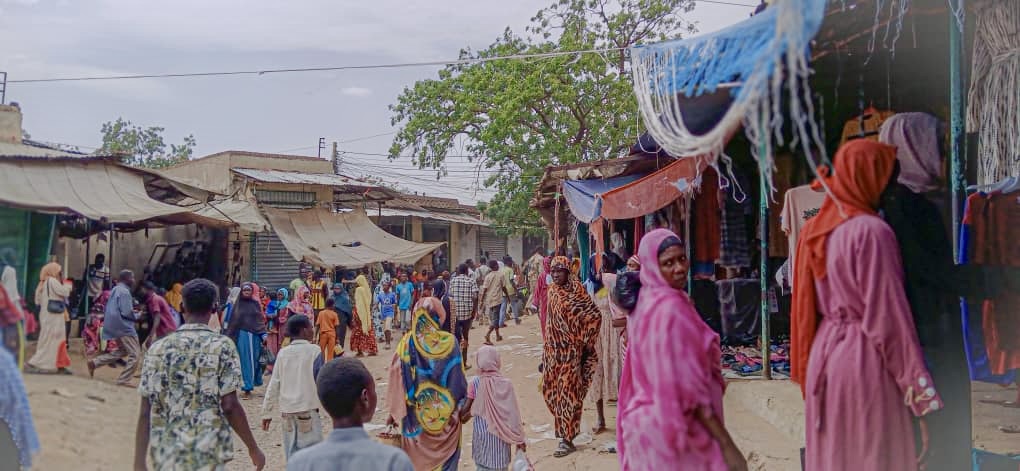
The strategic city of Dilling in South Kordofan was plunged back into violence this week as a joint offensive by the Rapid Support Forces (RSF) and the Sudan People’s Liberation Army-North (SPLA-N) shattered a brief period of relative calm. On Saturday, March 28, the forces launched a multi-pronged assault from three directions, sparking intense ground clashes and mutual artillery shelling with the Sudanese army. The escalation proved deadly for non-combatants; shells struck residential homes, killing eight people in two families and sending neighbourhoods into a panic.
Witnesses described the Saturday morning assault as highly organised and infantry-heavy. A source in the Al-Toumat neighbourhood told Ayin that the attack “followed the same pattern as the previous two attacks, with forces entering from three axes,” noting that “the clashes were fierce from the outset, leading to widespread confusion within the city.” As the army worked to repel the advance, residents remained trapped in their homes for hours, completely isolated from developments outside their immediate surroundings.
The weekend of violence actually began on Friday, March 27, when a Sudanese Armed Forces drone targeted the SPLM-N-controlled Kasha area west of Dilling. The strikes hit a mourning gathering in the Kamjar neighbourhood, killing eight civilians and injuring 21 others. A local resident, whose uncle was among the deceased, confirmed to Ayin that community members had gathered to pay their respects when the bombing occurred.
This latest surge in artillery, ground confrontations, and drone attacks underscores the worsening humanitarian crisis in South Kordofan. With both sides intensifying their military operations, the residents of Dilling and its outskirts are once again caught in the crossfire of a widening war. The failure of the recent calm to hold suggests a grim outlook for the region as strategic hubs like Dilling return to the forefront of the national conflict.
 7) Fuel prices spike again; fear of paralysis
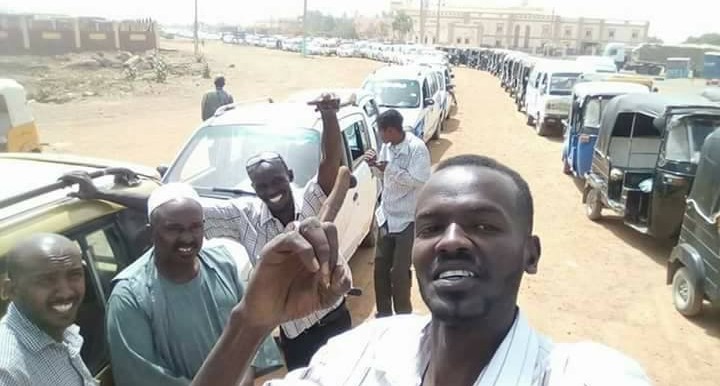
Fuel prices in Sudan have surged for the second time this month as the government moves to reach a settlement with private importing companies. These firms had reportedly refused to release shipments currently sitting in the Red Sea until new price increases were approved, citing the need to hedge against financial losses driven by global oil volatility and the high-stakes closure of the Strait of Hormuz.
While the Sudanese Ministry of Energy has remained officially silent, the hikes have taken citizens by surprise at the pumps. In Khartoum, the price of a litre of gasoline has climbed to 4,860 Sudanese pounds (SDG), pushing the price of a gallon to approximately 21,870 SDG—roughly $7 USD. In other regions, the price has soared even higher, reaching 6,870 SDG per litre, bringing the cost of a gallon to 31,000 SDG as the domestic currency continues to struggle.
All sectors are experiencing ripple effects, with shipping costs rising by an estimated 40%. Mohamed Omar, an employee at a private transport company, noted that the new prices have forced markets to implement additional hikes on consumer goods. He explained that intercity travel tickets, previously priced at 180,000 SDG, are now expected to jump to 250,000 SDG ($70 USD), signalling a wave of inflation described as the worst to date.
On the streets, even short-distance travel has become a heavy burden. Mazen Najib, a 20-year-old university student in Omdurman, shared how the price of a local “tuk-tuk” ride has jumped by 50%. “The price has increased from 1,000 pounds to 1.5 thousand pounds for the distance between Al-Mahdiya and Al-Thawra Shaglaban,” Najib said, noting that the trip covers less than 1.5 kilometres.
An anonymous source within the energy sector revealed that importing companies demanded the hikes to align with global crude prices, which have surpassed $100 per barrel amidst the 2026 Strait of Hormuz crisis and escalating tensions between the US, Iran, and Israel. The source warned that if the maritime chokepoint remains closed, fuel prices could eventually exceed 40,000 SDG per gallon, potentially paralysing a nation already struggling with an “extremely severe” economic crisis.
 8) Volunteers: Half a million at risk in El Obeid
 9) Sudan extends the opening of the Adré border crossing with Chad
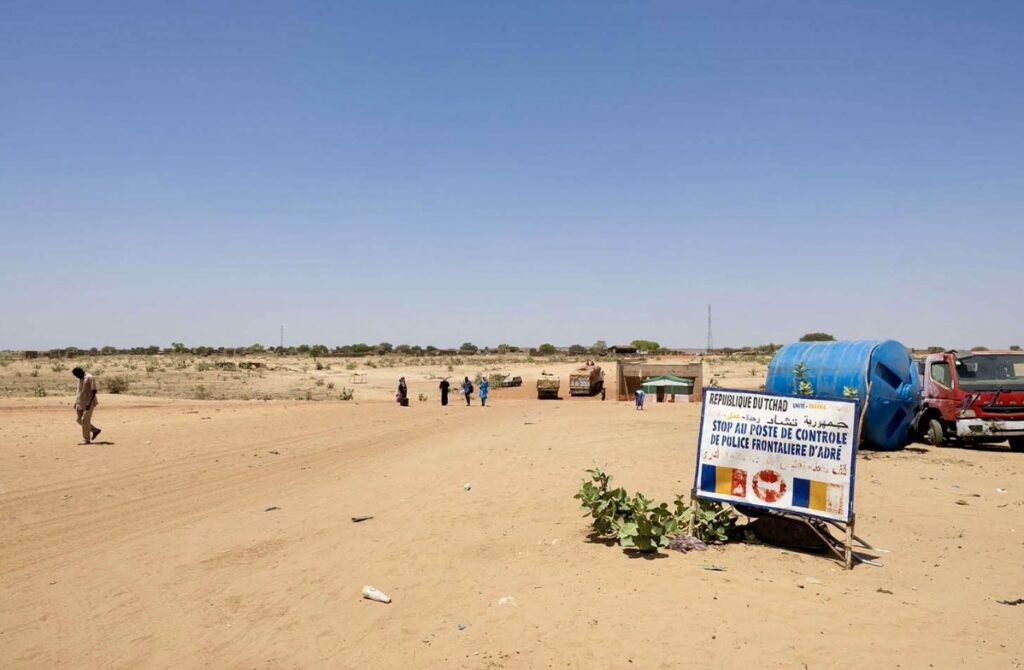
The Sudanese Ministry of Foreign Affairs announced on Tuesday the extension of the Adré border crossing with Chad, keeping the vital humanitarian corridor open from April 1 through June 30, 2026. Officials stated the decision reflects the government’s commitment to international humanitarian law and its efforts to ensure the delivery of relief to conflict-affected populations. The move follows a pattern of three-month renewals established in 2024 to facilitate coordination with the United Nations and international relief agencies.
Despite the humanitarian aim, the crossing remains a flashpoint of the conflict. The Sudanese government authorises the extension, but the area is currently under the control of the Rapid Support Forces (RSF). This has led to repeated accusations from the Sudanese army and its allies, who claim the RSF uses the Chadian border routes to smuggle weapons and transport foreign fighters into the country.
The extension comes as the UN High Commissioner for Human Rights warns of a “grave” escalation in the use of high-tech weaponry. UN spokesperson Marta Hurtado reported that drone strikes alone killed more than 500 civilians across Sudan between January and mid-March of this year. Hurtado expressed deep concern over the “devastating impact” of these low-cost weapons when deployed in populated residential areas.
The violence has increasingly spilt across international lines, highlighted by a lethal drone strike on March 18 in the town of Al-Tiné, located inside Chadian territory. The attack killed at least 24 civilians and injured approximately 70 others. UN officials noted that the strike underscores the widening regional footprint of the war and the urgent need for heightened international coordination to protect non-combatants near Sudan’s volatile borders.
10) New taxes paralyse Sudan-Egypt border crossing
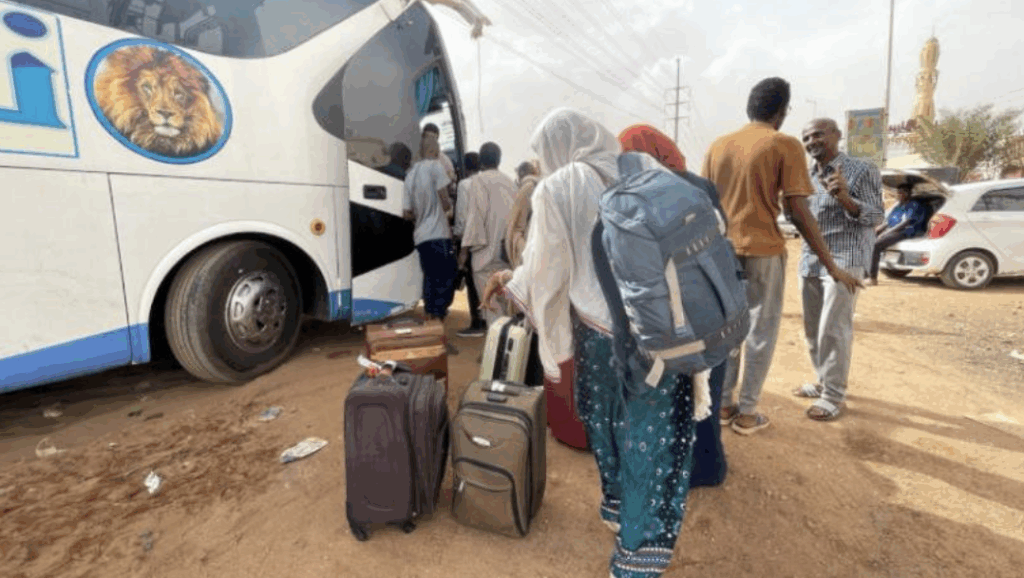
Bus drivers operating between Egypt and Sudan ended a day-long strike at the Arqin border crossing on Saturday, March 28, following a standoff over a steep new travel tax. The Sudanese Ministry of Finance and the Tax Authority unexpectedly imposed a fee of 34,000 Egyptian pounds per passenger, triggering the protest. Drivers arriving at the crossing on Friday morning were blindsided by the levy, which is calculated based on trip manifests and collected directly from transport companies.
The sudden implementation of the tax left thousands of travellers stranded in the open for hours, with many remaining at the border until the evening. The deadlock was eventually broken after private transport companies reached a preliminary agreement with officials to temporarily suspend the tax. This pause will remain in effect until a final settlement is reached between the tax authority and the Ministry of Finance’s border crossings administration.
Economic analyst Mohamed Ibrahim told Ayin that the military-led government is increasingly reliant on an “intensive tax system” to navigate a deepening financial crisis. Ibrahim noted that the Ministry is struggling with a significant trade deficit and global oil price volatility at a time when government spending on state institutions has surged by 30% in the 2026 budget. Consequently, authorities have hiked taxes on imported goods, crops, and transportation to ensure they can cover the salaries of state employees.
This border strike is the latest symptom of a national economy under extreme pressure. With few alternative solutions to generate revenue, the government’s dependence on aggressive transportation fees continues to drive up the cost of travel and essential goods. While the Arqin crossing has resumed operations for now, the underlying tension between cash-strapped authorities and the private transport sector suggests that further disruptions remain a high risk for regional commuters.