

25 March 2026
To keep our readers informed of the multitude of events taking place in Sudan amidst the ongoing, devastating war, we have developed a series of weekly news briefs covering major topics of the week.
In this week’s edition:
- RSF claims control of Kurmuk amid conflicting reports
- Sudan faces 50% electricity deficit amid infrastructure crisis
- Heavy shelling continues in Dilling while Kadugli remains calm
- Dozens killed in drone strikes on civilians in western Sudan
- RSF accused of burning crop trucks in Kordofan
- Burhan’s east Sudan tour seen as political outreach
- UN warns of deadly mine threat in Khartoum and pollution in Darfur
- Chad threatens to open fire on armed groups crossing border
 1) RSF claims control of Kurmuk amid conflicting reports
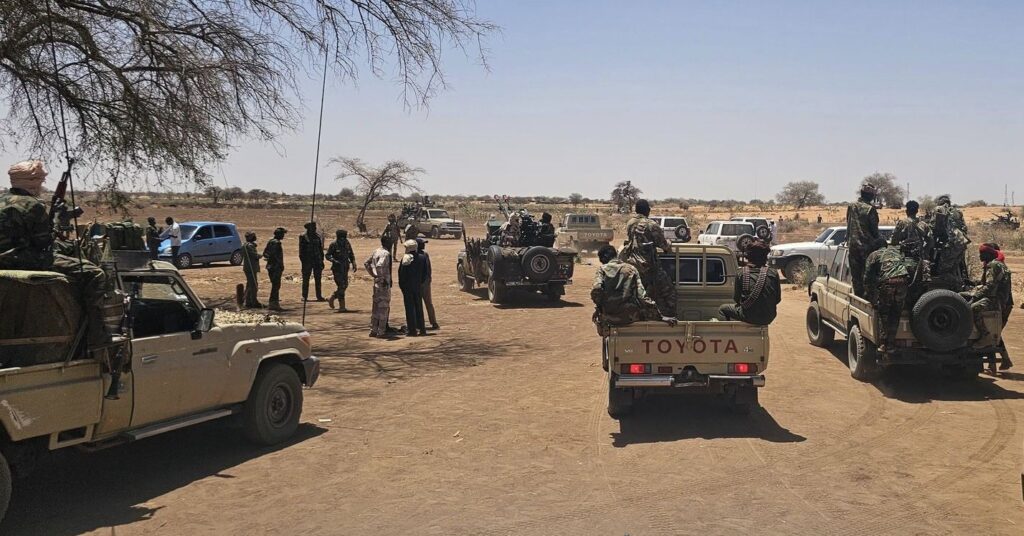
The Rapid Support Forces (RSF) said allied “Tasis” forces had seized control of the strategic city of Kurmuk in Sudan’s Blue Nile state, as fighting intensified in the region over several days. The Sudanese Armed Forces (SAF) have not officially commented on the latest developments.
Clashes have been ongoing since March 21 in southern Blue Nile, particularly around Kurmuk. According to a local source in Damazin, RSF and Sudan People’s Liberation Movement-North (SPLM-N) forces initially attacked the Jart area on March 22 but were repelled before launching renewed assaults the following day.
“Jart was subjected to two successive assaults before the RSF and SPLM-N forces seized control following the withdrawal of the army garrison,” the source said.
Fighting later advanced toward Kurmuk, where the SAF’s 16th Brigade is based. The same source reported that an attack launched from three directions continued throughout Monday before RSF-aligned forces announced they had taken the city.
However, the governor of Kurmuk denied the claim, stating that government forces had repelled the offensive.
The conflicting accounts highlight a fluid battlefield, with areas such as Jart and Khor al-Budi frequently changing hands amid continued clashes and limited independent verification.
Meanwhile, displacement has surged as fighting spreads. Thousands of civilians have fled toward Damazin, many for a second time, underscoring the worsening humanitarian crisis in the region.
 2) Sudan faces 50% electricity deficit amid infrastructure crisis
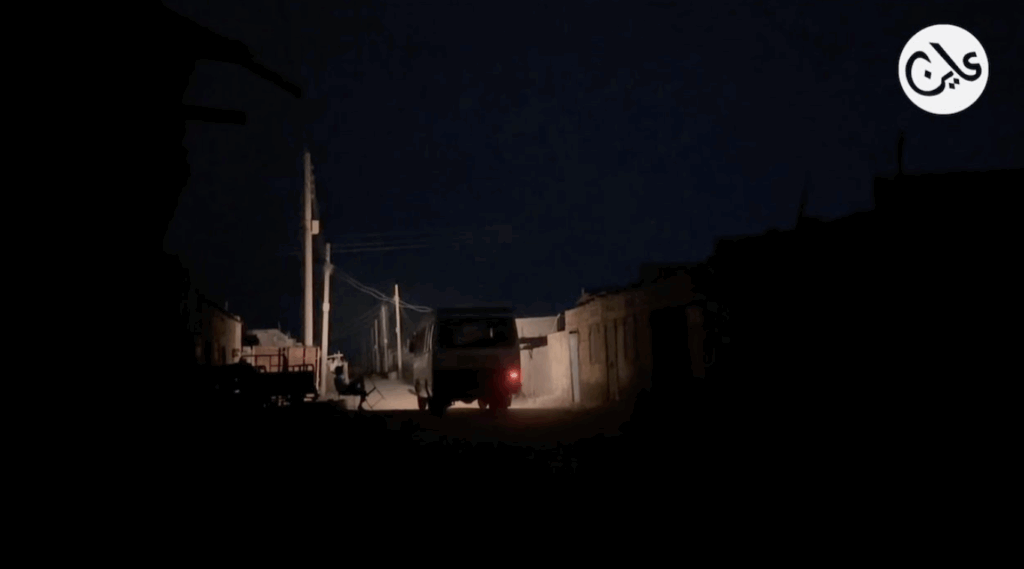
Sudan is facing a severe electricity shortfall of around 50%, as war damage, funding shortages and deteriorating infrastructure continue to cripple the energy sector. A source in the energy sector said current production does not exceed 2,000 megawatts, far below the estimated 4,000 megawatts needed to ensure a stable supply.
“Current electricity production in Sudan does not exceed 2,000 megawatts, and power outages can only be avoided by increasing production to 4,000 megawatts,” the source said.
The challenges are compounded by widespread damage, including an estimated 15,000 looted transformers in Khartoum alone and 55,000 units nationwide requiring urgent maintenance.
Despite these obstacles, engineers have recently restored electricity to parts of River Nile State, Khartoum State, Red Sea State, and Northern State following a nationwide blackout.
Energy expert Hani Othman warned that instability will persist without new generation capacity, adding that the national grid experienced more than three nationwide blackouts last month. He added that Sudan may need to import electricity from Egypt and raise tariffs significantly, saying prices could rise “from one Sudanese pound per kilowatt to at least four pounds.”
Experts say improving electricity supply could significantly boost agriculture and industry, benefiting up to 15 million people across the country.
 3) Heavy shelling continues in Dilling while Kadugli remains calm
Artillery bombardment has continued in the Sudanese city of Dilling, while nearby Kadugli remains relatively calm amid rising tensions in South Kordofan.
Local sources reported the ongoing shelling of residential neighbourhoods in Dilling following a failed ground assault by the RSF and SPLM-N on March 16, which was repelled by the Sudanese Armed Forces’ 54th Brigade.
“The armed forces responded in turn with artillery shelling that targeted positions west of Al-Dilling, as part of the exchange of shelling between the two sides,” one Dilling resident told Ayin.
The bombardment has persisted for days, with repeated strikes reported on March 17 and 18 and continuing at varying levels. On March 19, two women were killed in shelling in the Al-Turuq and Frish neighbourhoods, according to a local source.
Meanwhile, in Kadugli, a cautious calm has prevailed, despite reports of armed group mobilisations west of the city that provoked airstrikes by the army. Communication disruptions have made it difficult to verify casualties or damages from the strikes, reflecting the limited visibility of the evolving conflict.
 4) Dozens killed in drone strikes on civilians in western Sudan
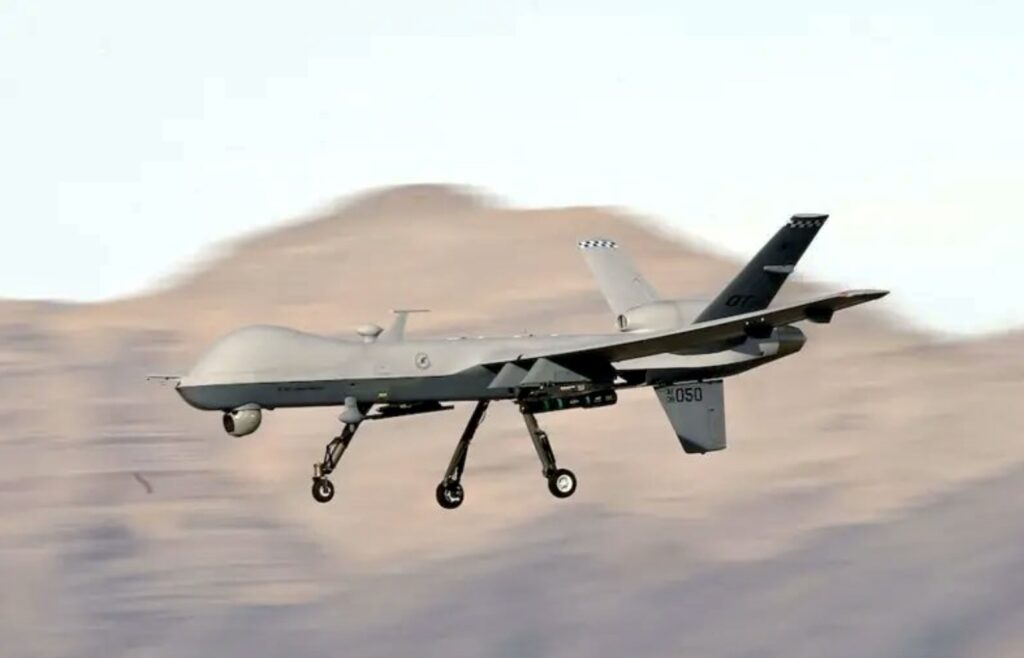
At least 38 people have been killed in two separate drone strikes targeting civilians in western Sudan, amid escalating aerial warfare between rival forces.
A local source reported that a drone hit a passenger vehicle travelling from Al-Daein to Nyala in East Darfur, resulting in the deaths of 23 people, including a woman. The source said the vehicle “was bombed by a drone”, adding that several others were injured in the attack.
In a separate incident, a drone strike in Lagawa, West Kordofan, resulted in the deaths of 15 people and injuries to 24 others.
Local sources attributed the strikes to the Sudanese army, though independent verification remains limited. The attacks reflect a growing reliance on drones by both the army and the RSF, marking a dangerous escalation in tactics as the war approaches its third year.
 5) RSF accused of burning crop trucks in Kordofan
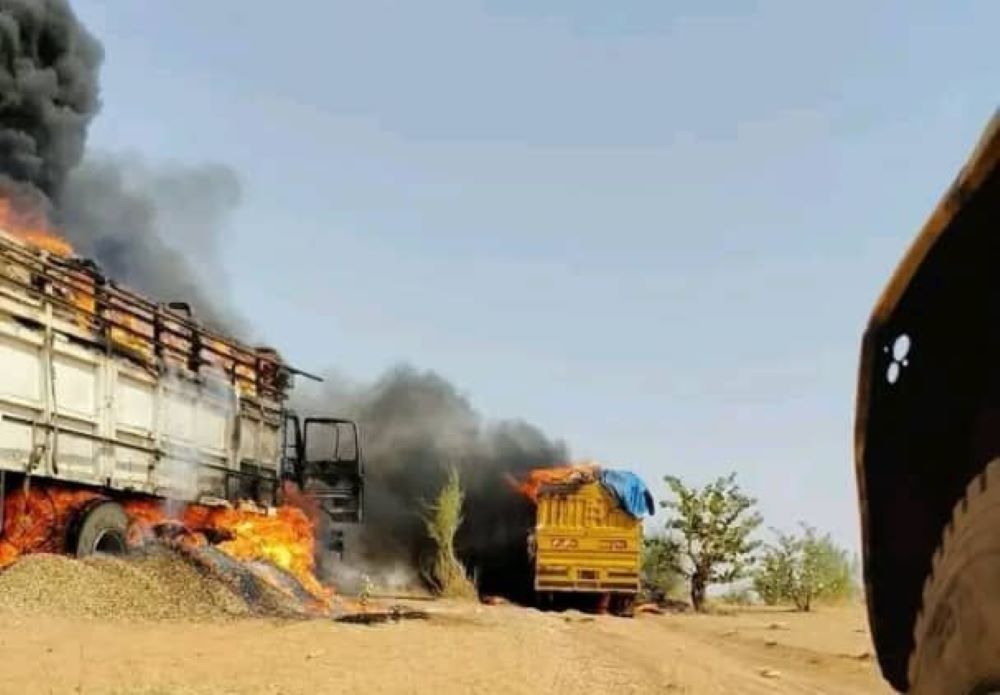
The Rapid Support Forces allegedly set fire to trucks transporting agricultural goods in Kordofan to obstruct supplies to army-controlled areas.
A local source said at least three trucks loaded with peanuts were set on fire, while around 10 others were detained after leaving Al-Nuhud en route to North Kordofan. A video circulating online shows armed men standing near burning trucks, declaring, “We burnt them; we will not let anything reach you.”
The incident is part of a broader campaign by the RSF to restrict the movement of goods reaching SAF-controlled areas. Authorities aligned with the army have imposed similar measures, exacerbating economic hardship and disrupting trade flows across Sudan.
 6) Burhan’s east Sudan tour seen as political outreach
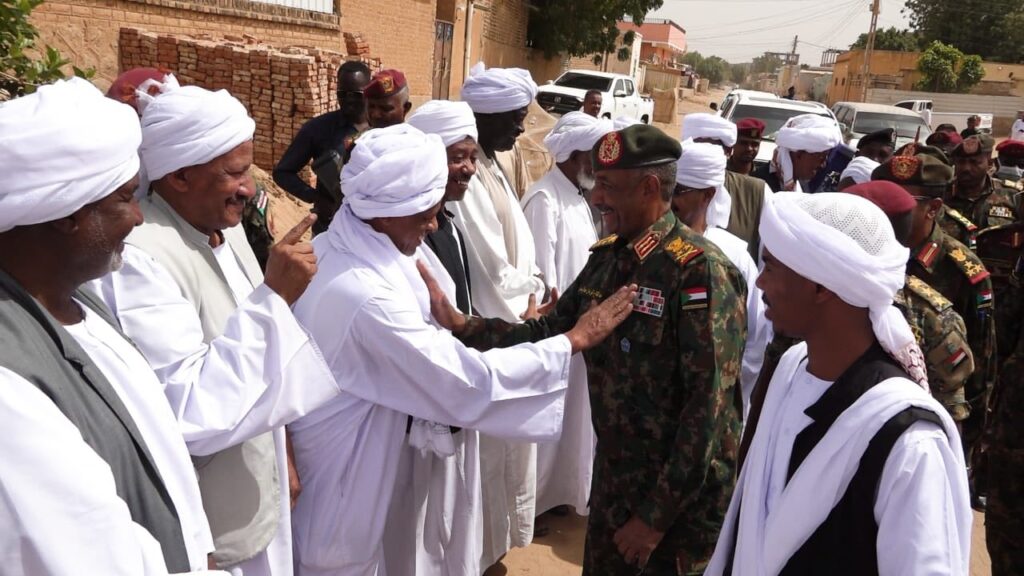
Critics say Sudan’s army chief Abdel Fattah al-Burhan met with tribal leaders in eastern Sudan to consolidate political support. The visits to Kassala State included meetings with the leaders of the Hadendowa, Halanga, Beni Amer, and Rashaida communities.
According to the Sovereign Council’s media office, the Director General of the Defence Industries System, Lieutenant General Mirghani Idris, accompanied Burhan during his tour, which focused on holding what were described as social meetings on the second day of Eid al-Fitr with the four tribal leaders. Mirghani Idris is considered one of the army chief’s closest confidants in political matters and in his outreach to social forces over the past years.
“Burhan’s tour and his meetings with tribal leaders were social in nature, but their purpose was also to garner political support,” said Hamid Idris, a civil society leader in eastern Sudan. Idris pointed out that the visit did not include any development projects for the impoverished areas he visited, nor did it address the urgent need to rebuild the vital Gash River project in Kassala State.
Idris explained that Burhan’s visits to the east are usually limited to meeting with tribal leaders, rather than civil forces and citizens, as was the case in other states.
Officials said the meetings took place during Eid al-Fitr and were part of broader community engagement efforts.
 7) UN warns of deadly mine threat in Khartoum, pollution in Darfur
The United Nations has warned that millions of Sudanese face a growing threat from unexploded ordnance, particularly in the capital, Khartoum.
The head of the United Nations Mine Action Programme in Sudan, Rashid Siddiq, confirmed in a press briefing last Wednesday that explosive ordnance has become one of the most prominent threats hindering the delivery of humanitarian aid, as it prevents the movement of relief teams and disrupts the safe delivery of support.
He also noted that seven minefields in Khartoum pose a direct threat to returning civilians, warning that explosives are scattered across homes, roads and public facilities, often hidden in rubble.
Siddiq also said the dangers of war-related pollution pose a health hazard for civilians in Sudan.
In Darfur in particular, Rashid described the situation as “extremely worrying,” noting that El Fasher had been under continuous bombardment for over 500 days, resulting in widespread pollution. He added that the escalating fighting in Kordofan, including in Kadugli, Dilling, and El Obeid, was exacerbating the pollution daily.
He explained that Sudan was already suffering from accumulated pollution resulting from decades of conflict, while the current war adds a new and complex layer of risks in populated areas.
“The pollution we are witnessing today in Sudan brings back memories of my work in mines in Afghanistan in the 1990s, but there is a fundamental difference; most of that pollution was in rural areas, while in Sudan, it is happening in densely populated urban environments, putting millions of civilians at direct and daily risk.”
 8) Chad threatens to open fire on armed groups crossing border