







Sudan’s maternity wards: Childbirth amidst systemic violence
5 December 2025
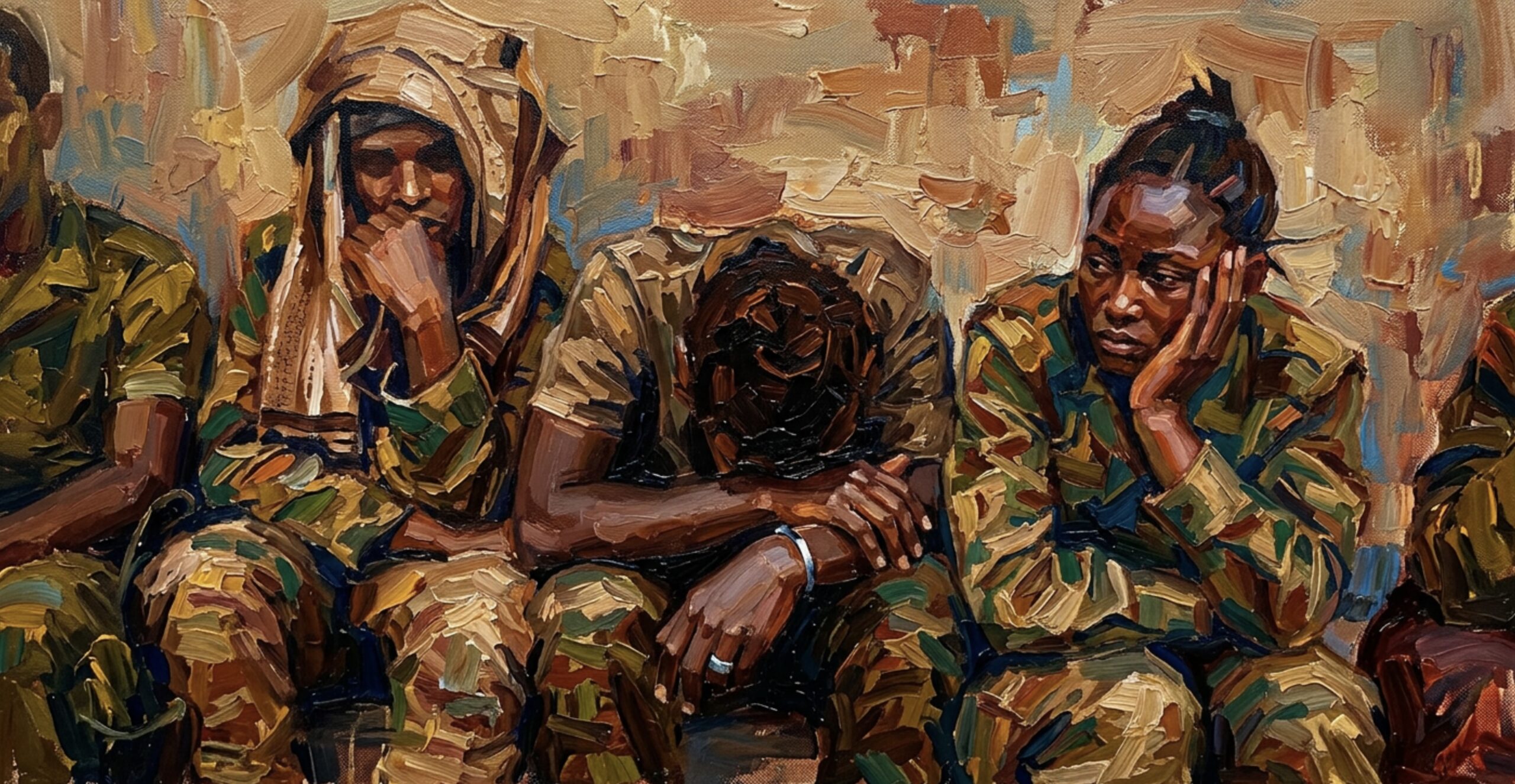
Already haunted by the ongoing war, now entering its third year, few Sudanese women would expect to face further violence within maternity wards. Accounts gathered by Ayin unfortunately suggest another story. Multiple sources say verbal abuse, physical assault, extortion, and neglect have shifted from isolated incidents to a widespread pattern inside maternity hospitals—pushing thousands of women toward risky home births. This trend comes amid UN warnings of rising maternal and newborn deaths over the past two years.
For Maha Abdel Salam, giving birth at a government hospital was an experience of humiliation rather than care. She recounts beatings, verbal insults, and demands for money at her most vulnerable moment. “My experience at the hospital felt more like a punishment,” Abdel-Salaam said. “It felt as though childbirth was treated like a crime, not a medical condition that needs care and support.” Only later, at Khartoum’s Sisters Maternity Hospital, did she encounter professional monitoring and humane support. After displacement, Maha says she postponed having more children, noting that many women now avoid public facilities out of fear of mistreatment and collapsing services.
Families echo this pattern. Mustafa al-Tijani describes his wife’s two deliveries at a government hospital as “harsh and humiliating”—marked by beatings, insults, and deliberate neglect. “She was beaten and verbally abused during her first delivery, and I only understood the extent of it when I saw her psychological state afterward,” he added. When he confronted staff, he was shocked to find that colleagues appeared aware of the abuse yet did nothing. Even after birth, the process of obtaining documentation became “a daily ordeal”, which he believes was retaliation for his complaint. Mustafa argues that what women face is not individual misconduct but “a deeply entrenched pattern” requiring proper midwife training, accountability, and a shift in medical culture.
Related Articles

Inside training hospitals, the violence is visible even to students. Namariq Adel, a medical assistant, recounts instances in delivery rooms where women faced insults, slaps, and screams during labour. “One [pregnant] woman was screaming in pain, and the midwife responded with insults and slapping her thigh,” Adel recounted. “This was the first time I had ever seen healthcare workers treat a patient like that. I tried to object, but it was like talking to a brick wall.” Violence during childbirth has become commonplace, Adel told Ayin, where expectant mothers are expected to simply accept and endure. While some midwives are good, she added, others are corrupt. “I have seen midwives impose illegal fees or sell basic birth supplies at inflated prices.”
A collapsing professional environment
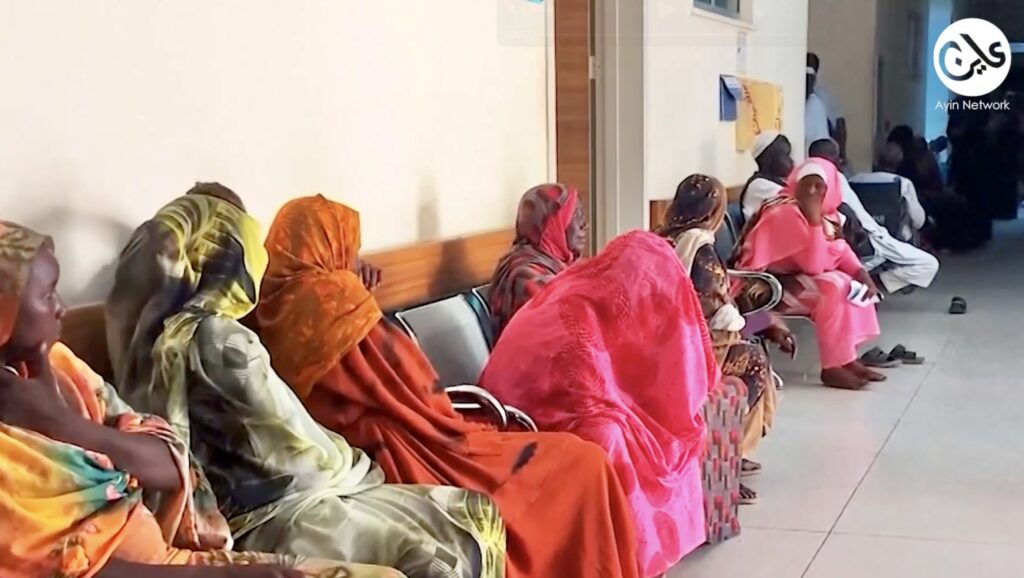
Dr Nader Al-Tayeb says he once dismissed reports of violence as exaggeration—until he saw the practice firsthand throughout his training and recent work: slapping, shouting, unsanctioned coercion, and disregard for sterilisation. “Transgression is the prevailing behaviour,” Dr Al-Tayeb says. Oversight, he says, has eroded, while training remains inadequate and largely nominal. Staff shortages and chronic pressure worsen the problem, yet he stresses that many midwives remain highly professional—the issue is inconsistency and lack of accountability. “The real problem is a system where oversight has collapsed and pressure has become the daily reality.”
“The pressure is there… but that’s no excuse,” a midwife at a government hospital told Ayin on the condition of anonymity. She described complaint channels in abstract terms but did not identify any effective system, reflecting a broader gap between regulation and practice. According to human rights activist Hawa Dahab, some women do not report abuses since they are unaware of any recourse to protect them. “Many women do not report abuses because they don’t know these actions are violations—or because the system offers no safe channels.”
Lawyer Salwa Absam explains that Sudanese law does not recognise “obstetric violence” as a category. Verbal abuse falls under Article 160 of the 1991 Penal Code, but proving intent is difficult in chaotic delivery rooms. Absam says complaints rarely succeed because women lack awareness, fear retaliation, or find lengthy procedures too difficult after giving birth.
Code of conduct
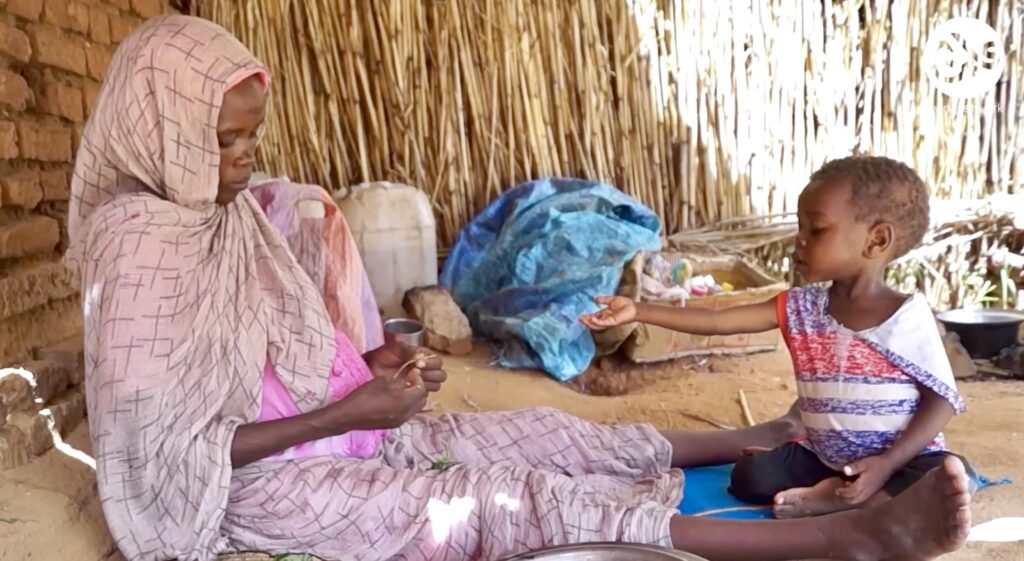
Dahab also recognises the severe pressure that medical professionals, including midwives, work under. “A handful of midwives may manage more than thirty cases in a day, while equipment shortages force dangerous improvisation,” she added. But such pressures should not lead to the systemic violence many Sudanese women face. To rectify this, Dahab says, hospitals must develop a “Code of Conduct” for women during childbirth and display it in all hospitals.