

After war and destruction: can Khartoum’s acacia forest come back to life?
4 August 2026
Where the Blue and White Nile meet in Khartoum, the Sunut Forest has long been one of the capital’s defining landmarks. More than just a green space, it serves as a natural barrier protecting the riverbanks, provides habitat for birds and wildlife, and acts as the city’s “green lung”, helping to cool the capital and improve air quality.
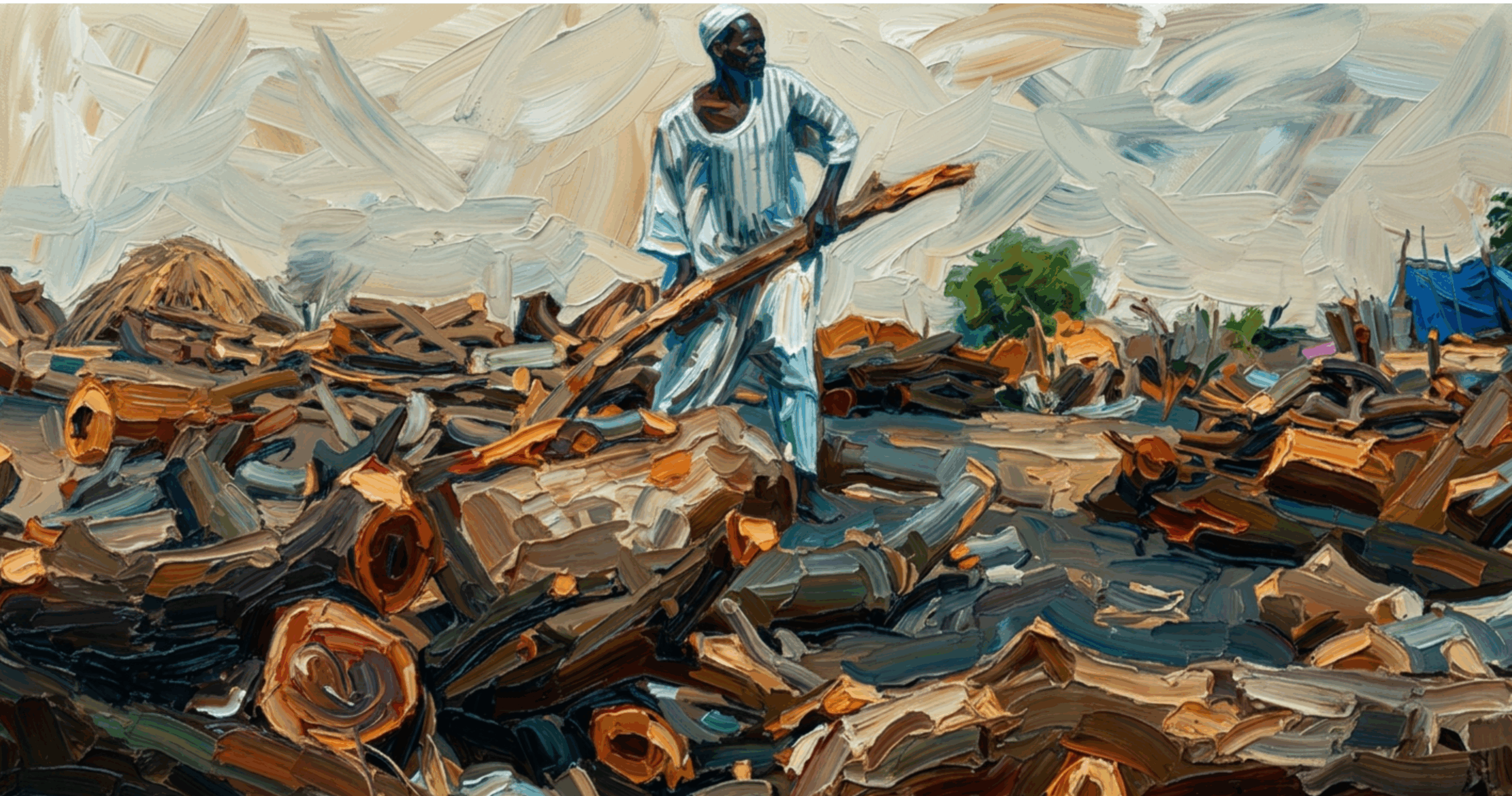
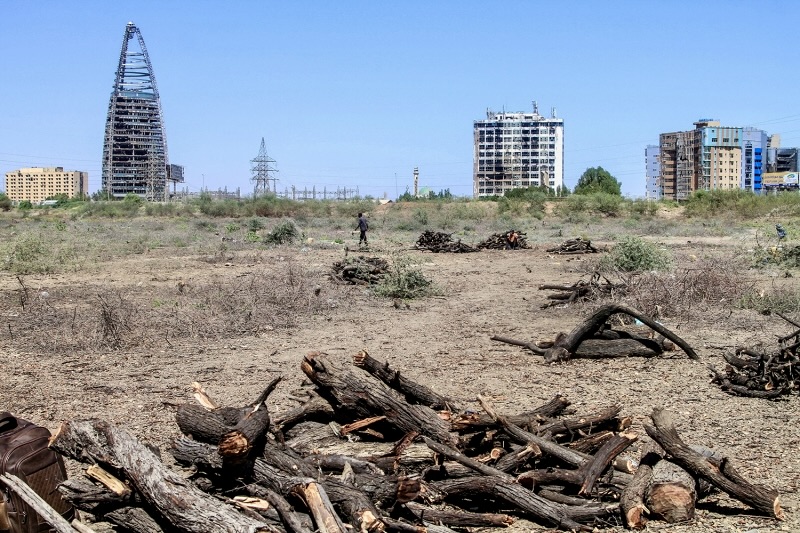
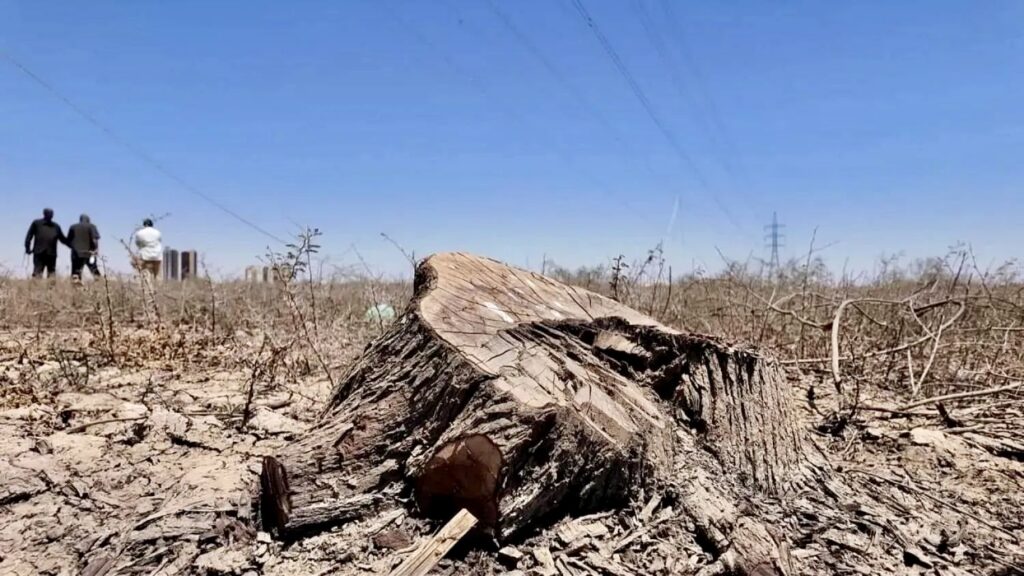
Since the outbreak of Sudan’s war in April 2023, however, this landscape has drastically transformed. Conflict and economic hardship are accelerating the destruction of one of Sudan’s most important riverine ecosystems, creating what can be described as a parallel war on the environment. Military operations have damaged large parts of the forest, local environmental activists told Ayin. In other cases, severe fuel shortages have driven local residents to cut the trees for firewood.
Fortunately, the story is not solely one of destruction. Across Khartoum, young volunteers, artists and environmental researchers are trying to reverse the damage, launching initiatives to restore the acacia forest before one of the city’s most important natural landmarks disappears altogether.
Severe ecological damage
Covering roughly 1,500 hectares, equivalent to about 473 acres according to the records of the National Forestry Commission, the Sunut Forest is one of Sudan’s most significant wetland ecosystems. Dominated by Nile acacia trees that have adapted to the seasonal flooding of the White Nile, the forest plays a vital ecological role: it filters pollution from the air, moderates temperatures, stores carbon, and provides a refuge for resident and migratory bird species. These ecological functions earned it recognition under the Ramsar Convention on Wetlands of International Importance.
Since fighting erupted in April 2023, military operations have severely damaged the forest and surrounding ecosystems. Fires, explosions and heavy military activity have destroyed vegetation and weakened the forest’s ability to regenerate naturally.
The consequences extend far beyond the physical loss of trees. According to research by the Mutasim Nimr Center for Environmental Culture, fires and the use of heavy weapons have contaminated the surrounding environment with chemical dust, heavy metals and explosive residues. At the same time, the International Observatory on Conflict and Environment documented around 401 environmental pollution incidents in Khartoum’s industrial areas by early 2024, raising concerns over soil and water contamination and forcing wildlife to abandon their natural habitats in search of safer environments.
Joint estimates by Sudan’s National Forestry Authority and the United Nations Environment Programme indicate that deforestation now releases more than 9.3 million tonnes of carbon dioxide each year, while forest degradation contributes a further 1.6 million tonnes. As Sudan’s green belts disappear, soils become increasingly vulnerable to erosion and desertification, dust storms intensify, and urban temperatures continue to rise.
Trees becoming fuel
The shells and explosions tell only part of the story. As the war dragged on, another threat emerged: not from the battlefield, but from the country’s deepening energy crisis.
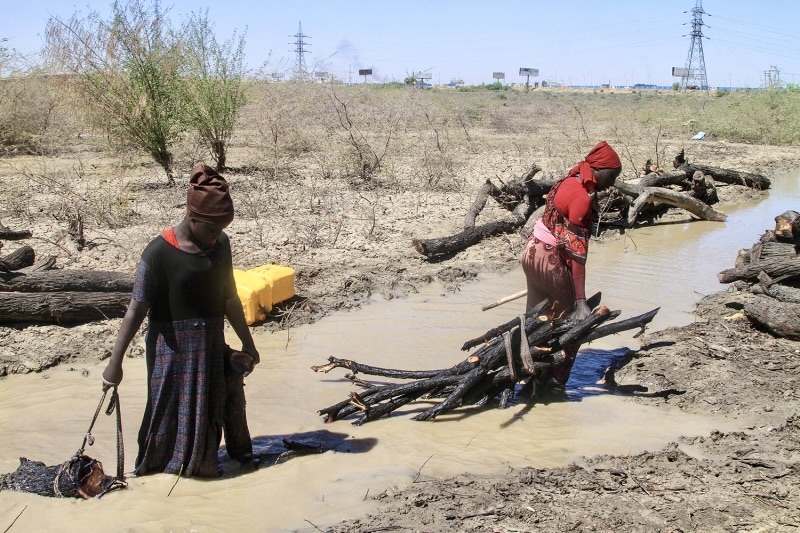
Following the suspension of the Al-Jaeli oil refinery, prolonged power cuts and severe shortages of cooking gas left millions of Sudanese with few alternatives but to rely on firewood for their daily survival. Across Khartoum and in displacement destinations such as Gedaref, Al-Jazeera, Sennar and Kassala, trees became one of the last available sources of energy.
It began as a desperate survival strategy but has, according to environmental activists, evolved into a lucrative illicit trade. Logging has shifted from small-scale cutting by households struggling to cook their meals to an organised nighttime business that produces and transports wood and charcoal.
Dr Talaat Dafallah Abdel Majid, one of Sudan’s leading forestry experts, argues that blaming civilians alone overlooks the scale of the problem. He says regular forces, militias and armed movements have all played a role in facilitating the logging, transport and distribution of timber and charcoal in the absence of effective government oversight.

Development dreams deferred
The destruction of the Al-Sunut Forest has also halted ambitious plans to restore and expand Sudan’s riverine forests. Before the outbreak of war in April 2023, the forest was at the centre of an ambitious conservation programme supported by both national and international partners. Led by Sudan’s National Forestry Authority in partnership with the Food and Agriculture Organization (FAO), the project aimed to rehabilitate the degraded Nile-based forests across Khartoum, Al-Jazeera and Northern states.
Beyond restoring forests, the initiative sought to embed sustainable forest management into national policy. Plans included developing systems to measure the environmental value of forests, including their carbon storage capacity, while creating new livelihoods through payment-for-ecosystem-services schemes such as beekeeping and honey production.
The war abruptly halted those ambitions. As fighting spread across Sudan, communication between partners collapsed, international funding was suspended, and environmental restoration gave way to far more urgent priorities, including emergency humanitarian assistance and medical relief.
Planting after fights and fires
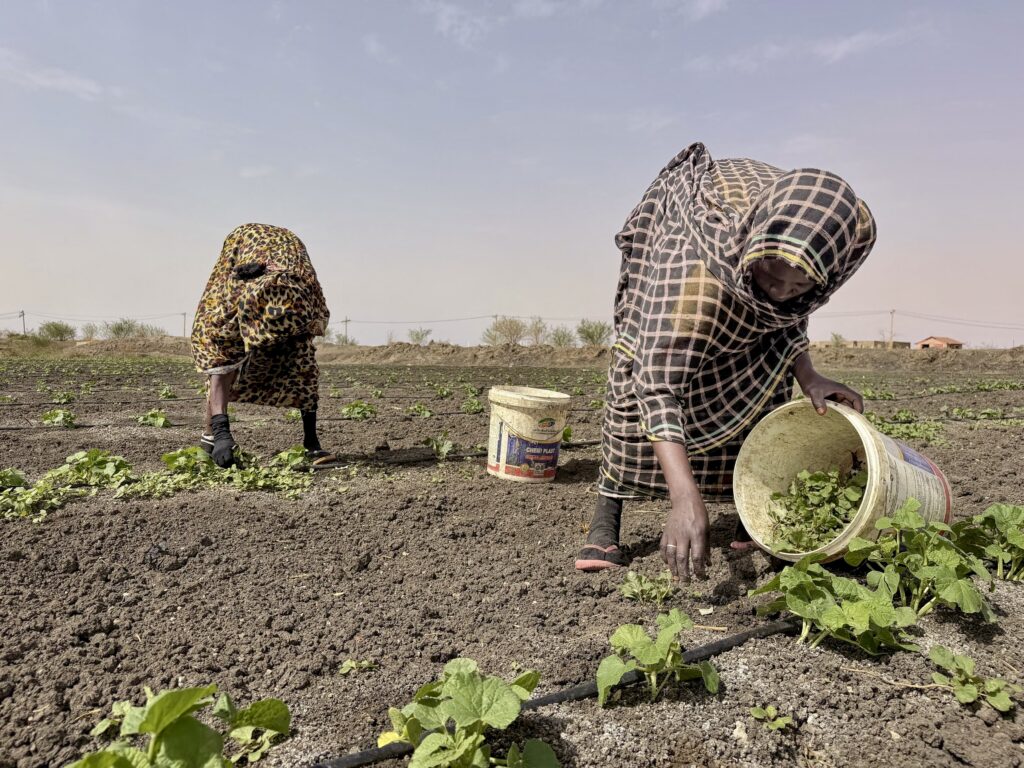
Despite the ongoing fighting and the limited access to many forested areas, efforts to restore Khartoum’s acacia forest have already begun. In July 2026, the Khartoum State Ministry of Agriculture, together with the Natural Resources Sustainability and Livelihoods Project, launched an initiative to restore vegetation lost during the war.
The programme scattered around 2.5 tonnes of pasture and tree seeds by hand and by air across 1,250 acres in Omdurman and East Nile. Yet experts warn that restoring the forest requires far more than planting seeds.
Environmental expert Muhammad Al-Hajj Ali tells Ayin that the survival of the acacia forest depends on restoring the ecosystem that sustains it. “Acacia trees are closely linked to the White Nile’s flood cycle,” he says. “If we do not protect water channels and stop encroachment and logging, the success of any afforestation effort will remain limited.” He also stresses that the soil must first be tested for contamination from heavy metals and explosive residues left behind by the war. For Al-Hajj, rebuilding the forest requires a long-term strategy rather than seasonal tree-planting campaigns. The success of restoring the forest is measured not by the number of trees planted in the first season, but by their survival and growth over decades.”
The restoration of forests begins with the planting of trees and a collective will that makes the protection of the environment a national project, not just slogans.”
–Rayan Saad, Forestry expert
Alongside government-led initiatives, volunteers have begun to organise their own efforts to restore the forest. One of them is electrical engineer, visual artist and environmental activist Abather Noureddine Awad, who has launched a campaign to recruit volunteers to collect and plant acacia seeds.
Abather has launched an initiative through his social media pages to mobilise volunteers to participate in collecting and planting acacia seeds and seedlings inside the forest. He tells Ayin that the initiative does not aim to work in isolation from government institutions but seeks to integrate with them. He explains that the Ministry of Agriculture and Forestry can help identify suitable planting sites and provide native seedlings to preserve biodiversity.
He believes the initiative’s strength lies in its scientific approach. By working alongside forestry experts, volunteers hope to avoid mistakes that could undermine the forest’s long-term recovery. The time factor is a critical challenge, he says, as the Nile flood season has already begun, making planting operations impossible during the period of rising water.
Can Sudan’s forests recover?
“Sudan’s experience in recovering the acacia forest is no exception; many countries have emerged from more cruel environmental wars and conflicts,” says forest expert Rayan Saad. “But they were able to rebuild their forests through planning and community partnership.”
She points to Rwanda, where the Gishwati Forest was revived through community participation and international support, and to Ethiopia, whose Green Legacy Initiative planted billions of trees and significantly expanded the country’s forest cover. Kenya’s restoration of Karura Forest, driven by a partnership between government, civil society, the private sector and local communities, offers another example of how long-term collaboration can reverse environmental degradation.
“If these countries have been able to turn destruction into vibrant forests, there is nothing to prevent Sudan from doing the same,” she says. “What is required is that we stop talking and start the actual work on the ground. The restoration of forests begins with the planting of trees and a collective will that makes the protection of the environment a national project, not just slogans.”