

Analysis: Washington targets Sudan’s Islamists — but the pressure falls on the army
2 April 2026
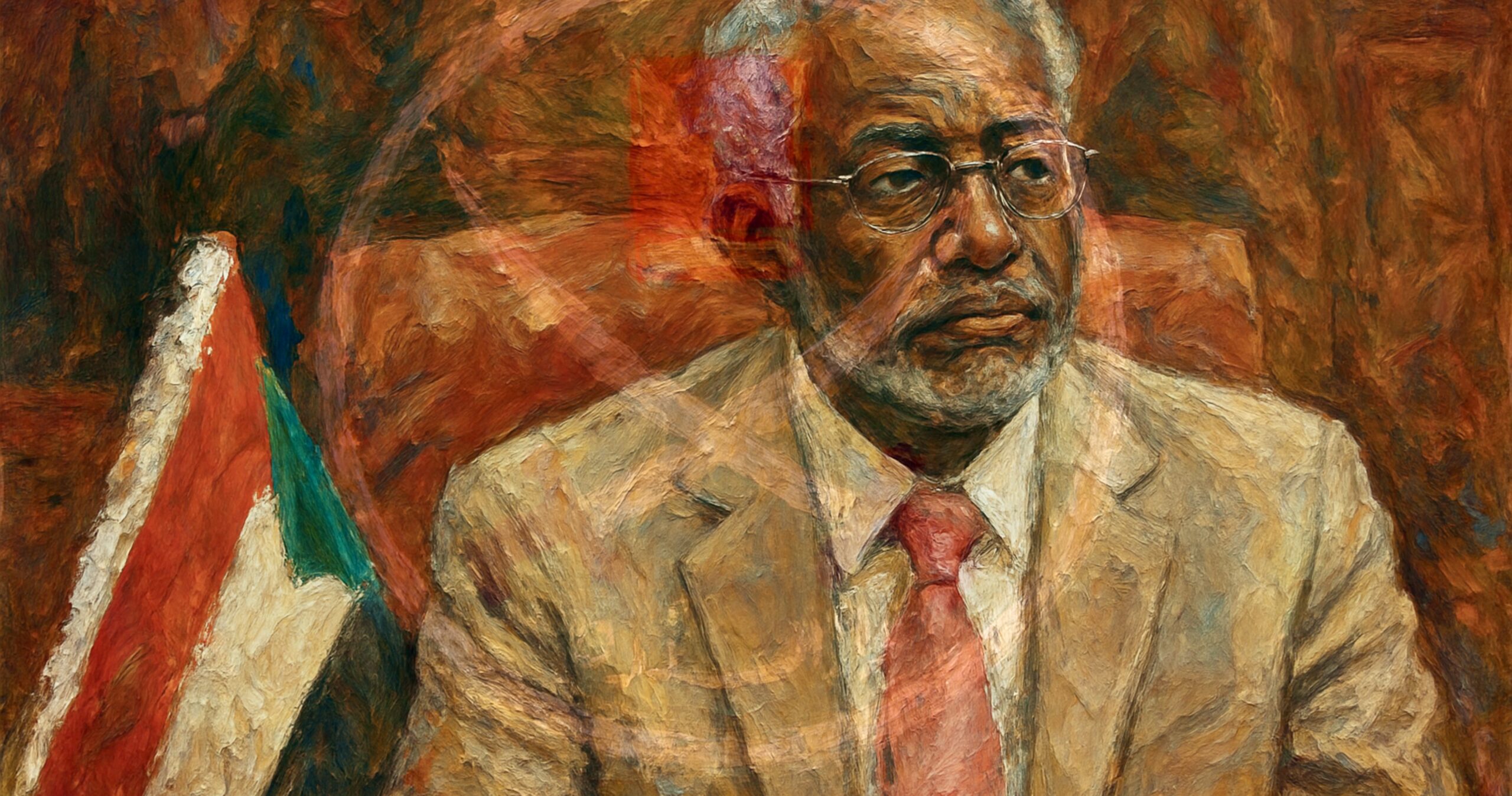
The United States has marked one of its most direct interventions in Sudan’s war by designating the Sudanese Muslim Brotherhood as a terrorist entity. The move directly links Islamist actors in Sudan to violence against civilians and is framed as part of broader efforts to counter terrorism and confront Iran’s influence.
In its official statement, the US State Department said the group “uses unrestrained violence against civilians to undermine efforts to resolve the conflict in Sudan and advance its violent Islamist ideology.” It further alleged that fighters affiliated with the group, many receiving training and other support from Iran’s Islamic Revolutionary Guard Corps (IRGC), have “conducted mass executions of civilians.”
But analysts believe the designation may carry more symbolic weight rather than any immediate operational impact on the Muslim Brotherhood and the war itself.
Sudanese researcher Hamid Khalafallah argues that the Muslim Brotherhood’s long experience under sanctions significantly reduces the effectiveness of such measures. “They have about 27 years of experience in manipulating the sanctions imposed on them for being a state that sponsors terrorism from the US, which they have managed to successfully navigate since 1993 and, in many cases, use to their benefit,” he said. Khalafallah adds that, at a broader level, the designation is unlikely to significantly weaken the group’s financial standing.
Cameron Hudson, a US-Africa policy expert, shares this scepticism. “Like with most US sanctions, the impact on the Muslim Brotherhood is likely to be more reputational than practical.” Rather than financial disruption, Hudson suggests the real impact is political, particularly in limiting the group’s ability to re-establish itself publicly in Sudan or the broader region.
The army’s strategic dilemma
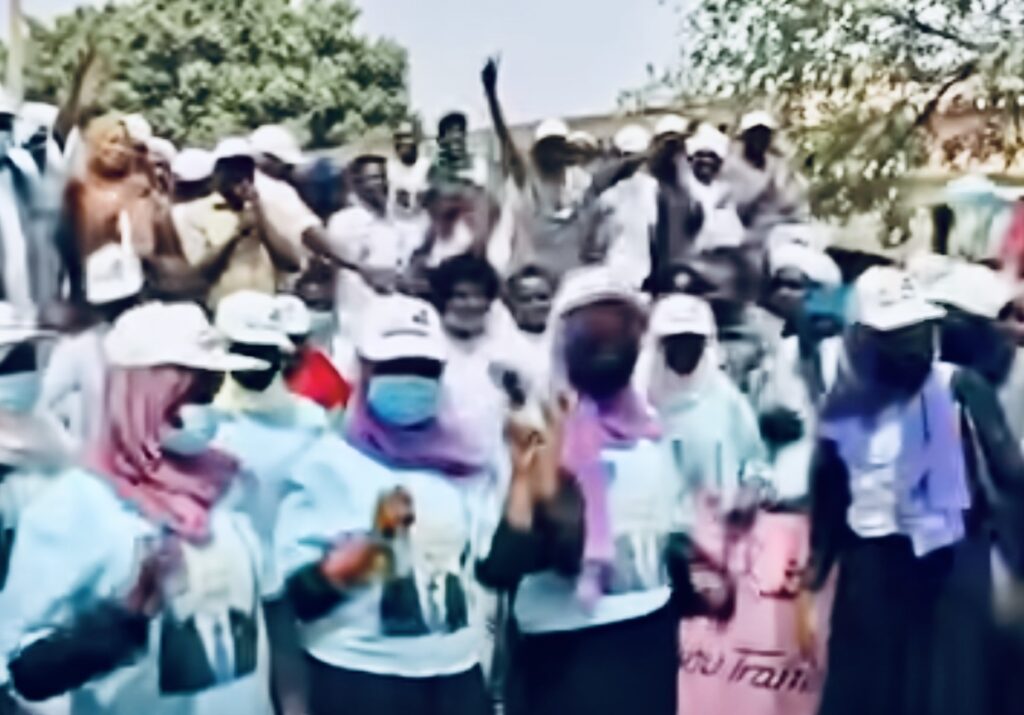
While the designation formally targets the Muslim Brotherhood, its implications fall heavily on the Sudanese Armed Forces (SAF), placing the military leadership under increasing scrutiny over its relationship with Islamist groups.
Khalfallah believes the army is now in a critical position. If they distance themselves from Islamist organisations, they may lose a crucial supply of fighters on the ground. “This moment is critical,” Khalafallah says. “They can either align with the international community and distance themselves from the Islamists, or they can choose to engage on the battlefield, gain ground, and maintain their relationship with the Islamists.” On the other hand, distancing from Islamist groups could enhance the army’s international standing, potentially leading to increased political support.
A senior diplomatic source told Ayin that army head Lt Gen. Abdelfattah al-Burhan is expected to continue navigating the situation using the same approach he has relied on over the past three years. “He will say what the international community wants to hear while saying and doing something different internally,” the source said.
Feigning distance from the Islamists while internally maintaining ties has been Burhan’s long-term strategy. “Even before these sanctions, the army has expressed an intention to disband these [Islamic] militias and bring them under army control,” Hudson said. “The army has been trying to argue for many months that these groups are weak and ineffective in their military strategy, but many outside observers did not believe those arguments.”
Limited leverage, ongoing war
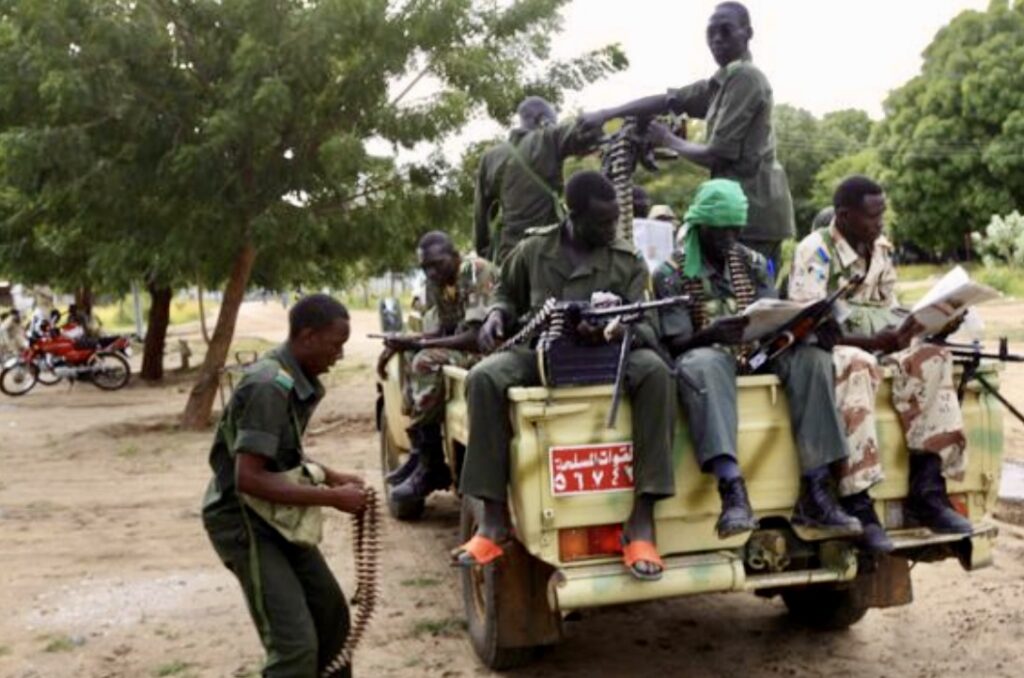
There are no clear signs that the designation has changed the course of the conflict, despite its political significance. Fighting continues across multiple regions, with no visible reduction in intensity.
Khalafallah highlights that there has been no observable shift in battlefield dynamics since the announcement. The absence of immediate change underscores the limits of external measures in influencing a conflict shaped by internal dynamics and shifting alliances.
Ultimately, the US designation signals a shift in how Washington is framing Sudan’s war, linking it more explicitly to Islamist networks and regional dynamics. However, without corresponding changes by local actors – or a coordinated international strategy – its impact is likely to remain limited.
For now, the war continues largely unchanged, with civilians bearing the cost of a conflict that external pressure alone has yet to alter.