

A river shared: Navigating the new hydrological reality on the Blue Nile
17 November 2026
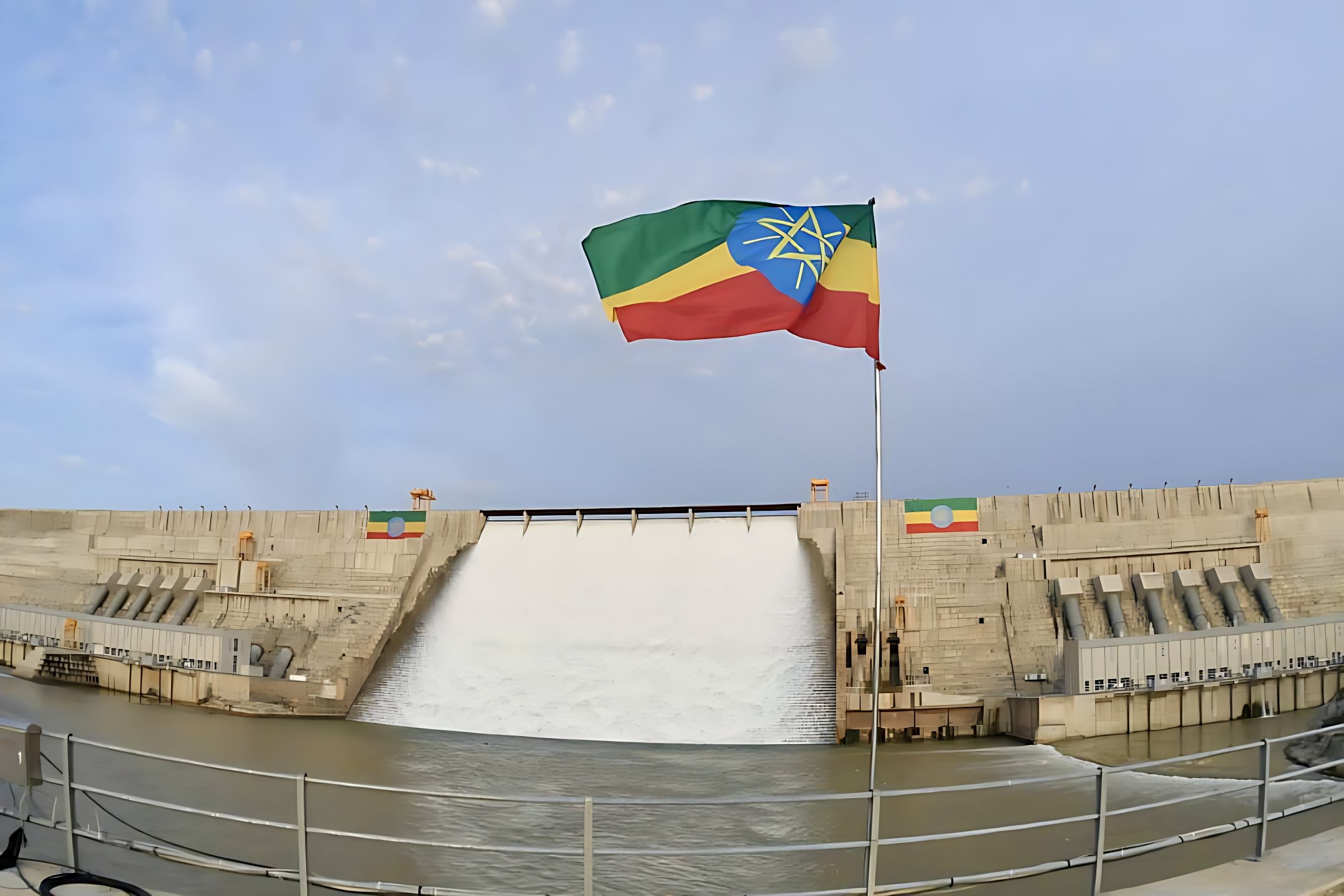
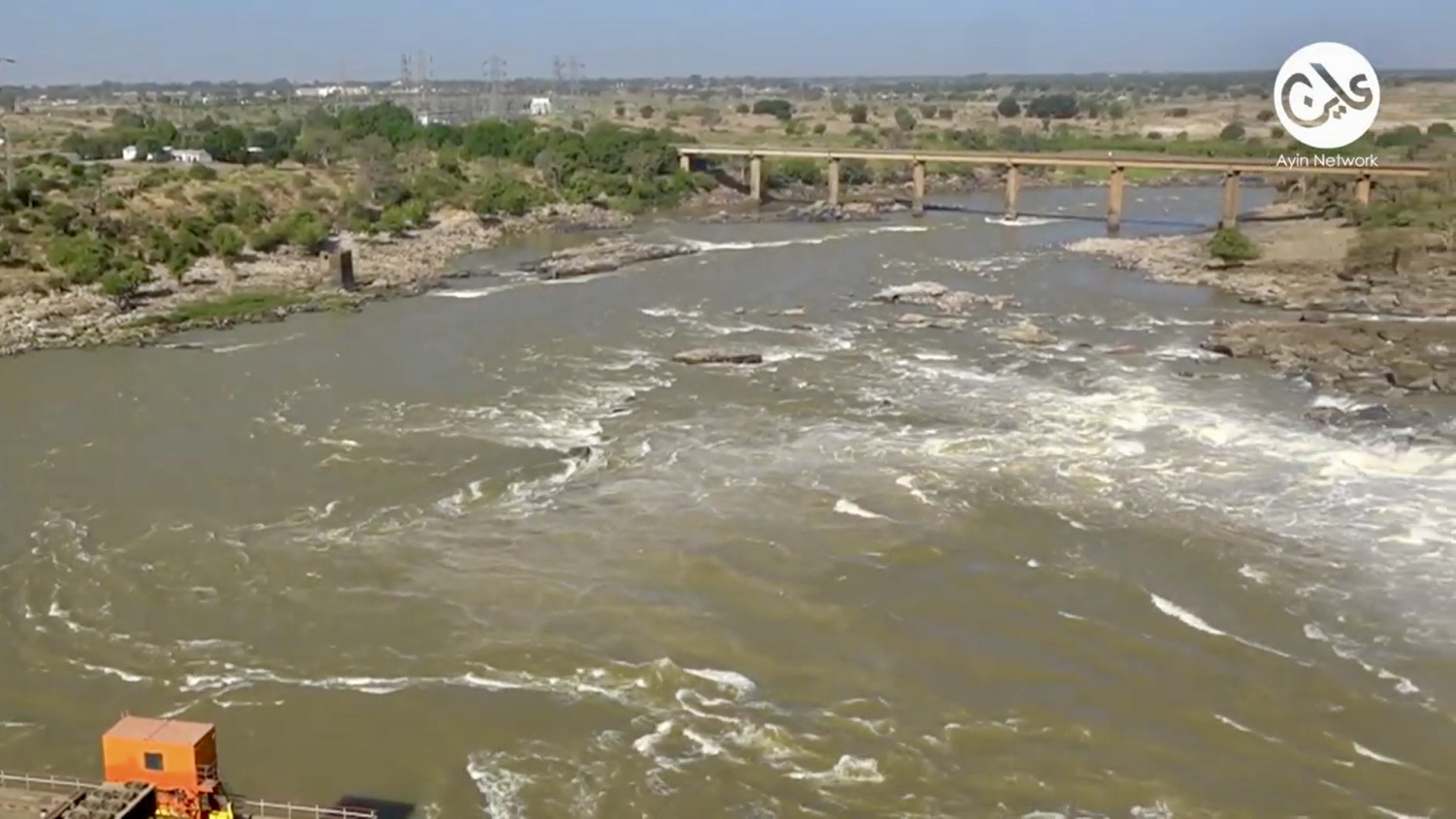
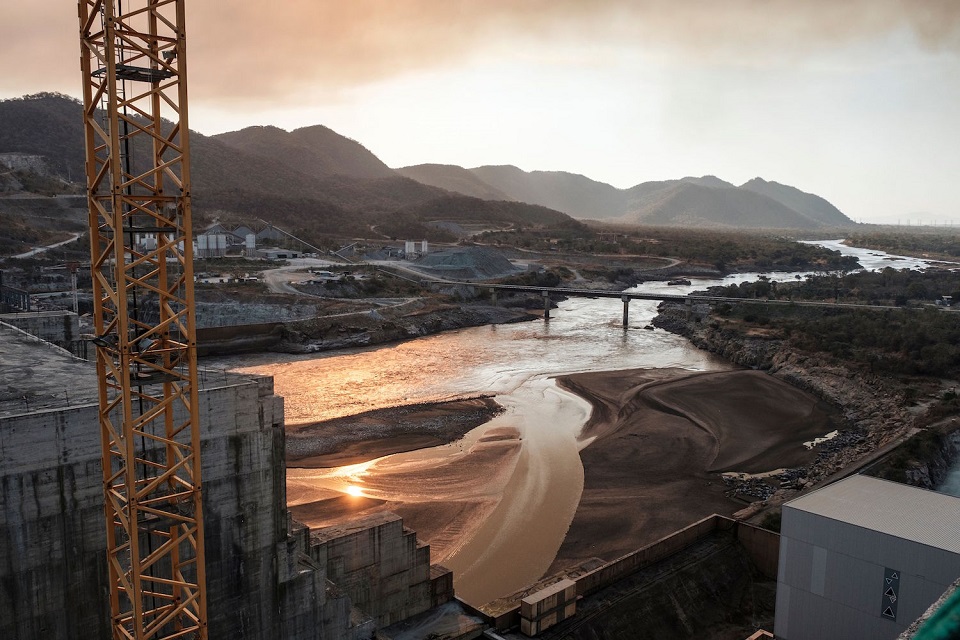
Just 115 kilometres separate Ethiopia’s massive Grand Ethiopian Renaissance Dam (GERD) from Sudan’s Roseires Dam, but the significant gap in their capacities has fundamentally shifted the water management landscape for millions of Sudanese.
With the official opening of the GERD in September 2025, Sudan’s water security is increasingly influenced by operational decisions made in Addis Ababa rather than natural seasonal fluctuations. A recent study published in the journal Water International by water experts Yasser Abbas Mohamed, Azza Mustafa, and Saif El-Din Hamad Abdullah examines this complex new dynamic.
The Ethiopian dam holds a staggering 74 billion cubic metres of water, a volume significantly larger than the Roseires Dam’s modest 6-billion-cubic-metre capacity. This disparity creates notable operational constraints for Sudan, the study says.
The primary concern for Sudanese officials is not just the total quantity of water, but the timing, rate, and predictability of its release. Unannounced modifications at the GERD can impact water levels at Roseires—the hub of Sudan’s national irrigation network—within hours. In July 2020, Ethiopian authorities impounded water for the dam’s first filling without prior notification, causing a drop in Blue Nile levels that temporarily disrupted Khartoum’s water purification plants. Conversely, in September 2025, unannounced operational releases from the fully filled GERD contributed to flooding in agricultural and residential areas north of Roseires.
The geopolitical context
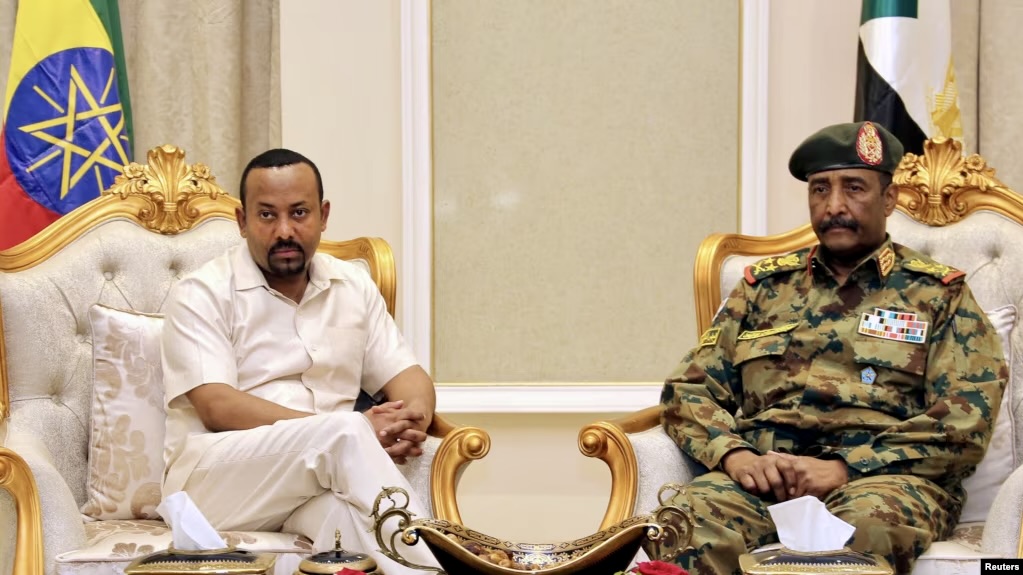
For more than 15 years, negotiations between Ethiopia, Sudan, and Egypt have struggled to produce a legally binding operational agreement.
While international water law mandates the “equitable and reasonable utilisation” of shared rivers and stipulates “not causing significant harm” to neighbouring states, translating these principles into practice has proven difficult. The historic 2015 “Declaration of Principles” signed in Khartoum established a framework but lacked specific procedural mechanisms for managing day-to-day operations or resolving disputes.
The study’s researchers emphasise that the GERD’s presence need not be an ongoing source of friction. Regulated water flow could ultimately benefit Sudan by mitigating severe seasonal floods and improving hydroelectric efficiency. However, realising these benefits requires ongoing cooperation.
A practical roadmap
In this complicated environment, the report suggests a gradual plan to end the geopolitical deadlock using a scientific and practical approach that avoids hot political hyperbole.
First on this agenda is creating a “regular and sustainable technical mechanism for exchanging operational information and data.” This technique comprises daily data interchange on dam reservoir water levels, released water quantities, weekly and monthly operating plans, and flood and exceptional flow early warning systems. This data will help Sudanese engineers at the Roseires Dam and other dams plan for safe operation and adapt opening and shutting schedules to safeguard the reservoir and people.
In this regard, the study suggests using the “transitional technical arrangements” reached between Khartoum and Addis Ababa in 2022, which were disrupted before the dam’s official opening, to form a legally binding bilateral agreement.
The study mentions successful international examples of managing shared transboundary rivers, like the Indus River basins between India and Pakistan, the Niger River, and the Senegal River in West Africa. These examples show that technical mechanisms can protect people’s interests even when there are political tensions and wars.
Bilateral cooperation
The study emphasises that building bilateral technical cooperation between Sudan and Ethiopia is a practical and necessary step to build trust and prepare the regional environment for a comprehensive and expanded agreement that includes Egypt.
Over time, the authors suggest that shifting from a water conflict logic to a water cooperation logic offers substantial economic integration opportunities for Eastern Nile countries. Ethiopia’s huge capacity to generate hydroelectric power, Sudan’s fertile agricultural areas, and Egypt’s technical and financial expertise, can transform the Nile waters from a source of political tension to a major driver of sustainable regional development.