


Inside Egypt’s expanding support for Sudan’s army
19 March 2026
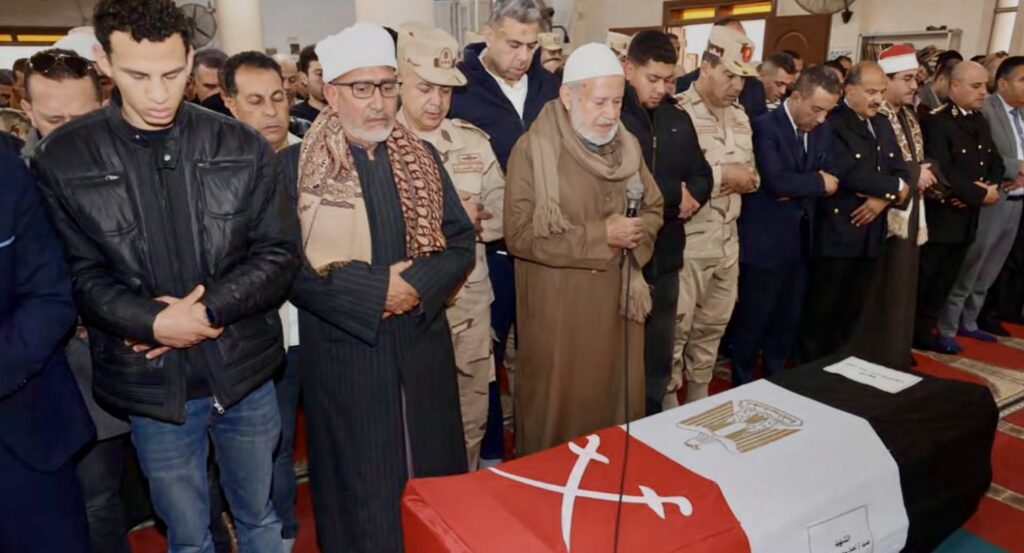
On 10 March, the funeral of Brigadier General Ahmed Samir Abdel-Wahab Noor Al-Din took place in Egypt, marking the death of a senior military officer whose final mission has raised new questions about Cairo’s involvement in Sudan’s war.
According to official information released in Egypt, Brigadier General Noor Al-Din was killed while carrying out an operation to secure Egypt’s southern border. The announcement provided few details beyond stating that the officer had died while performing his duty, without elaborating on the circumstances around his death. The limited information has fuelled speculation, particularly given the deepening military cooperation between Egypt and the Sudanese Armed Forces (SAF) since the outbreak of Sudan’s war.
Sudan’s conflict, which erupted in April 2023 between the Sudanese Army and the paramilitary Rapid Support Forces (RSF), has drawn increasing regional attention. For Egypt, instability along its southern frontier presents a strategic concern with significant security implications. Ayin has previously reported on Egypt’s expanding role in Sudan since the beginning of the war, including political support and security coordination with the Sudanese Army.
While official Egyptian statements framed his death as part of border security operations, additional information obtained by Ayin suggests that his activities may have been closely linked to Egypt’s technical support for Sudan’s military. A diplomatic source confirmed to Ayin that Noor Al-Din had been a part of an Egyptian technical advisory unit deployed in the southern Sudanese city of Kosti, White Nile State – far from the Egypt-Sudan border. According to the source, the unit was working alongside the SAF on drone-related operations.
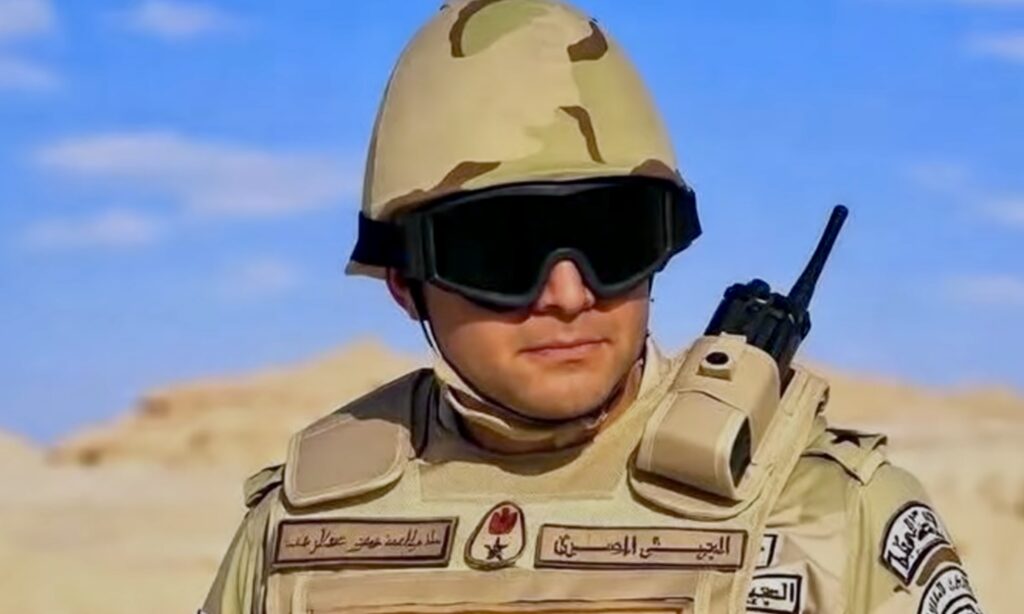
According to Africa Intelligence, the RSF conducted drone strikes on Kosti on 8 and 9 March, killing the brigadier along with three Egyptian soldiers. Egypt is also supporting Sudan’s army in developing a command centre in the city of El Obeid, North Kordofan State, a strategic city that acts as a gateway between eastern and western Sudan.
The presence of Egyptian technical advisers in Sudan highlights the level of operational cooperation that has developed between Cairo and the SAF during the war, along with an increased reliance on drone warfare. Both sides in the conflict have increasingly relied on drones for reconnaissance and strikes, making technical expertise in this area a critical component of modern battlefield strategy.
Cairo’s strategic calculations
Egypt’s support for Sudan’s army is rooted in a combination of security concerns and strategic calculations about the future of the region, an Egyptian diplomatic source told Ayin. Cairo views the maintenance of a robust relationship with Sudan’s army as crucial for safeguarding Egypt’s security interests in the region.
“May God have mercy on the martyr. He was performing his duty,” the source said. The same source claims that the Egyptian military closely coordinates its activities along the border with the Sudanese de facto authorities. “Any pursuits that take place along the border [between Egypt and Sudan] are coordinated with the Sudanese side,” the source explained.
The Egyptian source acknowledged that the relationship has taken on a more active dimension since the outbreak of Sudan’s conflict. “The assistance exists, and we do not deny it,” he added. Egypt frames its support for the SAF as part of a broader effort to prevent the collapse of Sudan’s state institutions. “The collapse of Sudan would pose a major risk, so in our view, it is in both our and Sudan’s interest that the army remains and is supported,” the source explained.
The war has already produced massive displacement and instability across Sudan. Egyptian officials fear that a total breakdown of state authority could trigger wider regional consequences.
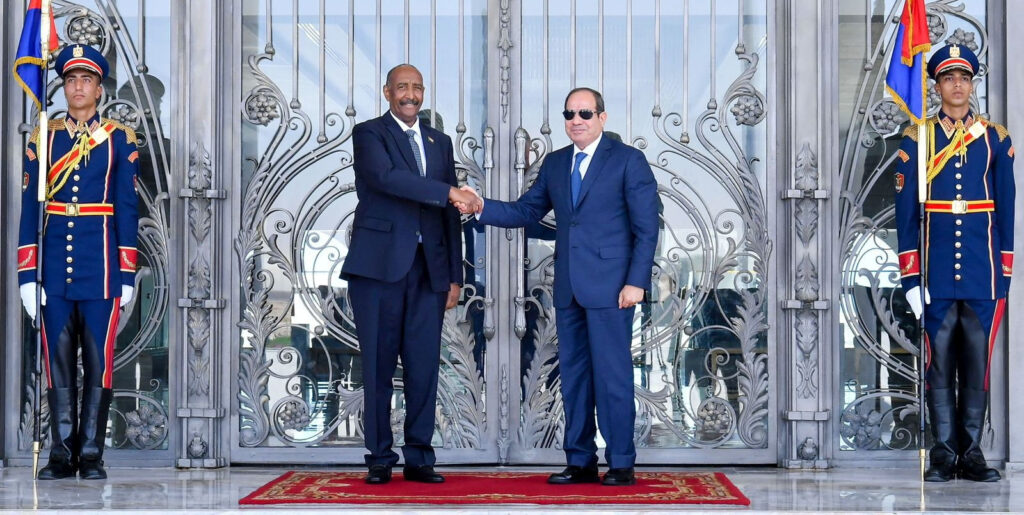
One of the main concerns involves the security of Egypt’s southern border. According to the Egyptian diplomatic source, coordination has increased recently to prevent cross-border infiltration and close security gaps along Sudan’s frontiers. “There has also been increased coordination to close border gaps with Sudan, Libya, Chad, and Niger,” the source added.
The source added that the Sudanese military currently suffers from a shortage of personnel, which has complicated its ability to sustain long-term operations. Egyptian training and advisory support – such as that provided by Brigadier General Noor Al-Din – are therefore intended to strengthen the army’s capacity during the war.
Expanding military partnership
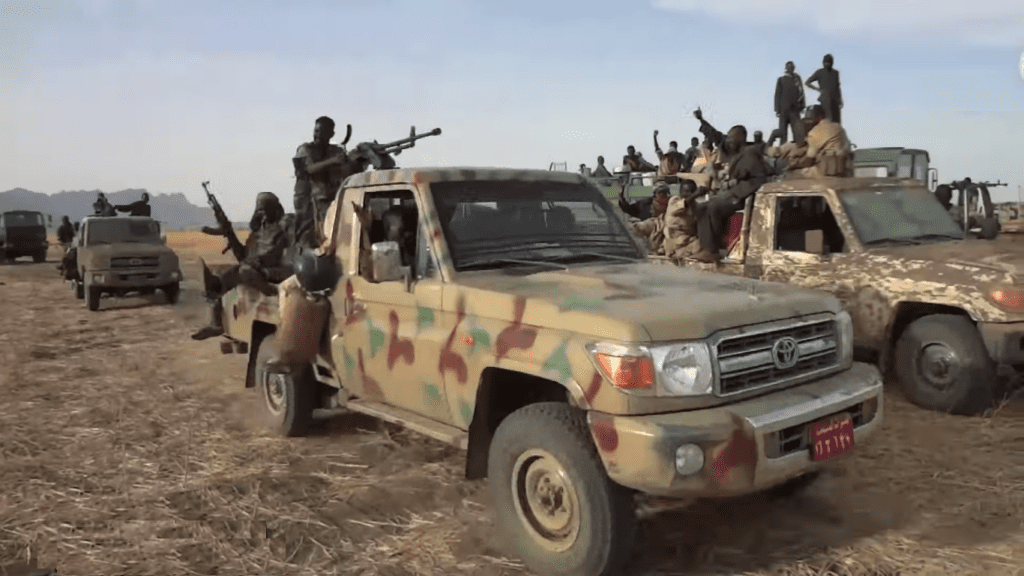
The information surrounding Brigadier General Noor Al-Din’s death provides a rare glimpse into the operational dimension of Egypt’s support for Sudan’s military. The presence of Egyptian advisers working alongside Sudanese forces in Kosti suggests that the cooperation between the two armies is not limited to diplomacy and political backing.
Rather, it seems to entail direct technical cooperation in domains like drone operations. This form of assistance could play a significant role in the dynamics of the war. For the Sudanese army, which faces manpower shortages and a complex battlefield environment, access to technical expertise in drone operations could provide a critical advantage.
Sudan’s war has already produced one of the worst humanitarian crises in the world, with millions displaced, cities destroyed, and famine spreading across several regions. As the conflict drags on, the growing involvement of regional actors such as Egypt reflects how the war is increasingly reshaping security dynamics beyond Sudan’s borders and potentially extending the conflict as both warring parties receive outside support.