


The Chad-Sudan border: Insecurity keeps it closed, blocking a critical lifeline
12 March 2026
Sudanese refugees in Adré, the largest refugee settlement based in Chad along the Sudan-Chad border, were cautiously optimistic after authorities announced the temporary opening of the road linking the two countries. “Even today, early in the morning, we were told that the road had reopened,” said Mariam Abdel-Karim Adam, a trader and refugee based in Adré. “People began to move their goods. I also went early in the morning to see the situation myself and found that people had already started taking goods out of warehouses and transporting them gradually.”
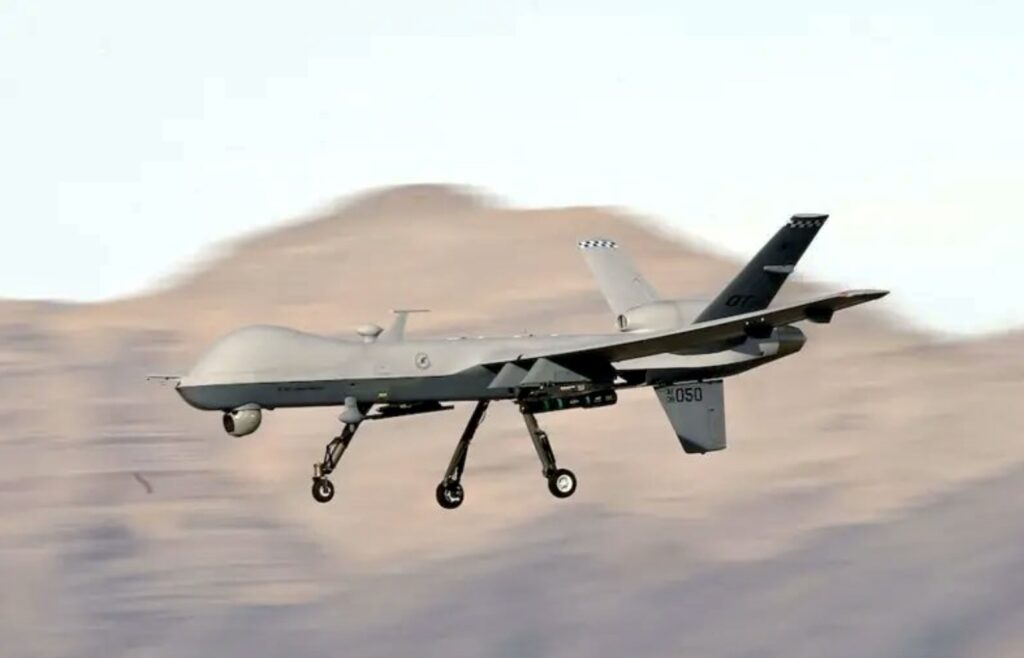
But the road opening did not last long. A drone strike targeted the Adikon market area on the Sudan-Chad border today. A witness told Ayin that while traders and civilians were cautiously crossing the border, a drone struck the area. Doctors Without Borders (MSF) said four people died in the attack and 23 others were injured, including seven children.
This is the second drone strike to hit the Adikon border area within a month. A previous strike targeted a fuel depot and warehouses storing goods in the local market.
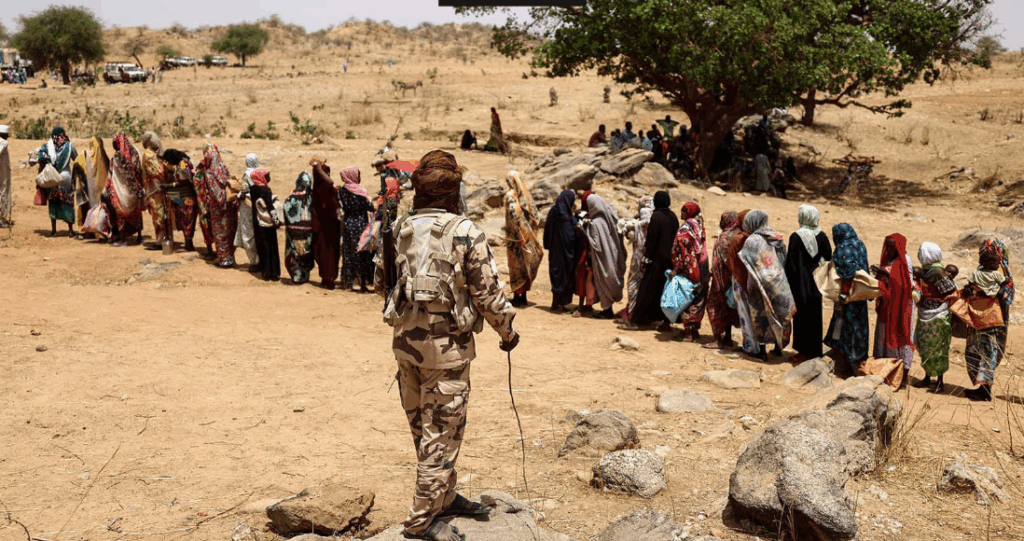
The border between Chad and Sudan has remained closed since Chadian authorities made the declaration late last month. Eyewitnesses on the Chad-Sudan border said Chadian authorities have tightened security measures, reinforced military deployments, and conducted regular patrols along the border since the closure.
Few could argue with the Chadian leadership over the 23 February decision to close its 1,400 km border.
In January, a drone strike launched in Sudan killed two Chadian soldiers. On 21 February, five others were killed when the Rapid Support Forces (RSF) fighters clashed with Chadian forces after being repulsed by the army in Tina, North Darfur State. These clashes follow two months of drone attacks targeting the town. The closure decision, which came two days after the clashes in the border area, suspended all movements for crossing.
Repeated incursions
The government of Chad said in a statement the move came in response to “repeated incursions and violations committed by warring parties in Sudan inside Chadian territory,” stressing that the aim is to prevent the conflict from spilling over into Chad and to protect civilians and refugees. Chadian authorities have deployed at least 15,000 troops along the border.
Humanitarian workers who spoke under condition of anonymity also confirmed that only relief convoys are permitted to cross via the Adré crossing, while commercial traffic and pedestrian movement have been largely suspended, leaving the border crossing nearly deserted compared to previous weeks.
“Chad is seeking, through the border closure, to prevent the fighting from crossing into its territory, particularly as clashes intensify in areas such as Jargira, Karnoi, and Tina, near the frontier where tribes straddle both sides of the border,” says political analyst Mohamed Torsheen. “Chad fears two possible scenarios: either Sudanese army and Joint Force fighters could retreat into Chadian territory and be pursued by the RSF, or RSF fighters could withdraw deeper into Sudan and be chased by the army and its allies, potentially leading to cross-border confrontations and threatening Chadian stability.”
The army-controlled government in Port Sudan supports Chad’s decision, knowing such closures will block RSF supply routes. “If the aim is self-defence and the protection of Chadian sovereignty, then it’s a positive decision,” says the Director of Media for the Darfur Regional Government, Abdual Alaziz Awary. “Especially in light of the repeated attacks on the Chadian army by the RSF in the areas of Kulbus, Tina, Kriek, and other border areas.”
The Chad-RSF-UAE conundrum
Mohamed Torsheen believes the decision may also carry political messages to Sudan’s government in Port Sudan, amid previous accusations that Chad supported or facilitated supply routes for the RSF—claims that N’Djamena has consistently denied.
Ever since the outbreak of the conflict, Chad’s president, Mahamat Déby, has been accused of supporting the RSF at the behest of the United Arab Emirates (UAE). In comparison, Chad’s former president, Idris Déby, a Zaghawa by ethnicity, eventually supported Darfur rebel groups against the RSF’s predecessors, the “Janjaweed”. Mahamat Déby, his son and successor, faces accusations of breaking this trend after receiving significant support from the RSF’s primary backer, the UAE. In 2023, following a visit to Abu Dhabi, the UAE pledged roughly $1.5 billion in development loans and investment packages to Chad.
In turn, Chad has allowed the Amdjarass International Airport in eastern Chad to become a “nerve centre” for UAE-RSF logistics. Despite official denials from N’Djamena, satellite imagery and UN investigations confirmed that cargo flights arriving from the UAE transported weapons, drones, and ammunition, which were then moved by truck across the border to RSF strongholds in Darfur.
Even former members of Chad’s military claim Chadian authorities support the Rapid Support Forces. In February, Chad’s former defence minister, Mahamat Nour Abdelkarim, accused Déby and senior military officials of forcefully conscripting more than 1,000 youth to fight alongside the Rapid Support Forces. Chadian authorities dismissed the claims.
Internal tensions
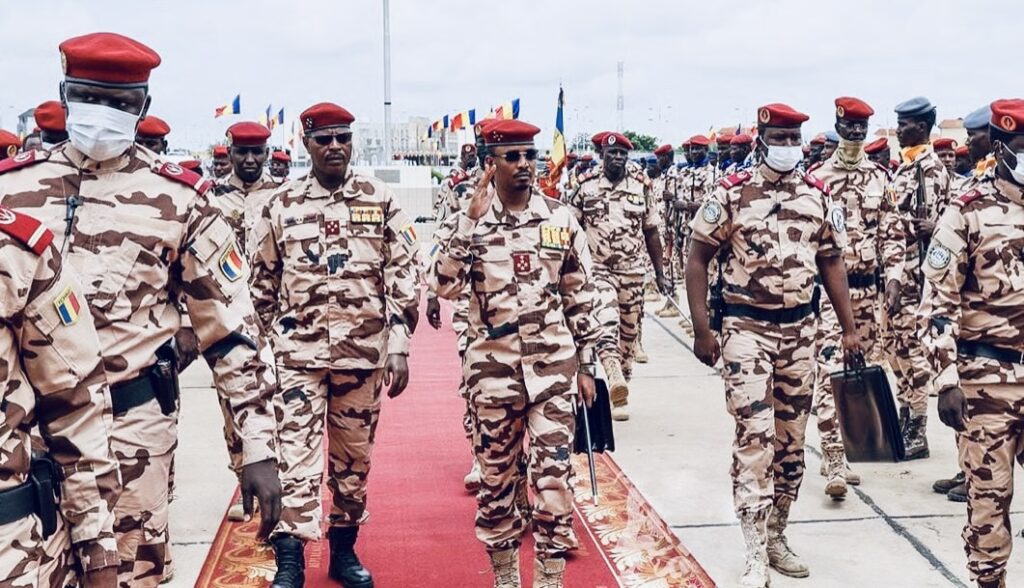
President Déby may also be facing internal pressure to distance Chad from any support for the Rapid Support Forces. Many of Chad’s top military brass are Zaghawa, and they view the RSF as an existential threat. This approach has led to reports of “shadow desertions”, where Chadian soldiers left their posts to join their cousins across the border in fighting the Rapid Support Forces.
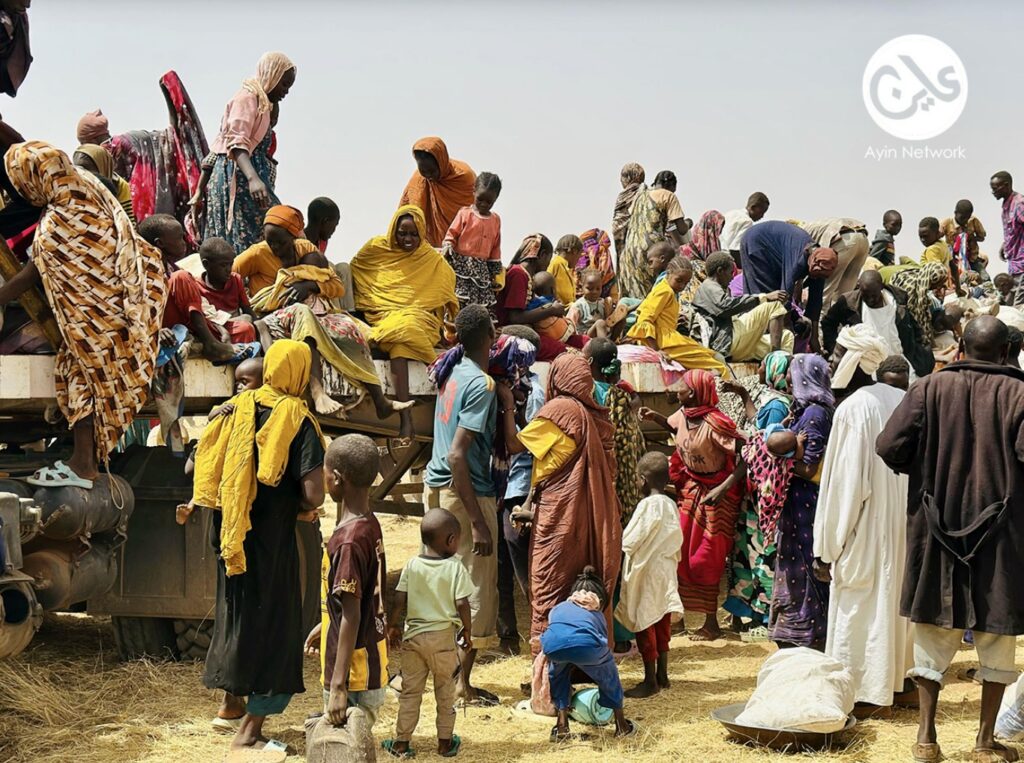
The Chadian leader may also be concerned about rising unrest among Chad’s rapidly growing refugee population, which now numbers approximately 1.5 million Sudanese refugees. According to observers, ethnic tensions among these migrants, who are primarily victims of RSF and associated militia attacks, might create a tinderbox in eastern Chad.
Humanitarian repercussions
Whatever the political and security concerns behind Chad’s decision, the humanitarian repercussions are dire. “It is extremely concerning for Sudanese families fleeing unimaginable violence and searching for safety,” says International Rescue Committee (IRC) Sudan West Director Zeleke Bacha. “For many, crossing into Chad has been a lifeline, and with access now cut off, people risk being trapped in dangerous conditions and with limited access to food, water, and medical care.”
While humanitarian organisations and Sudanese seeking asylum are ostensibly allowed to enter the Chadian border, the reality on the ground is another matter. “Even people coming from Sudan now find it much harder to cross the border,” says trader and refugee based in Adré, Abdullah Ahmed Tayir. “When someone tries to cross, they must have all their documents and procedures completed. Otherwise, some people are forced to resort to unsafe routes to smuggle across the border, which puts many lives at risk.”
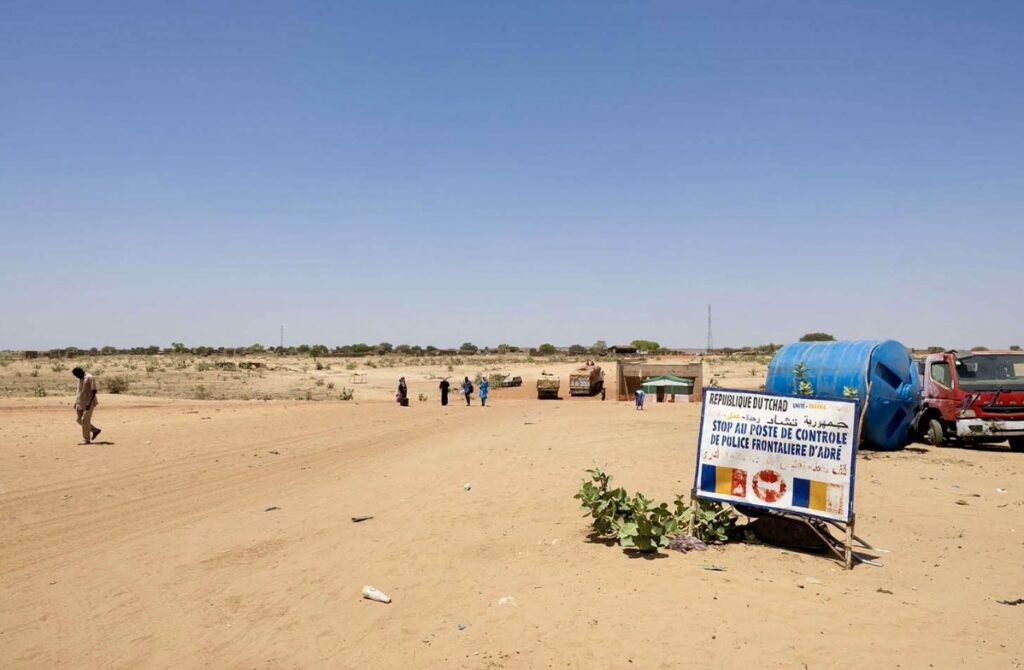
The North Darfur Emergency Rooms Coordination Council also reported that around 400 families were displaced on February 21 and 22 to valleys and border areas. It warned that thousands of families along the Sudan–Chad border are facing dire humanitarian conditions due to food and water shortages, issuing an urgent appeal to aid organisations.
By March 2, the Chadian authorities had lifted the suspension of the key border areas, Tiné and Adré, allowing some relief for refugees, traders and humanitarian actors. The towns of Tiné and Adré have long served as vital corridors for trade and the transport of goods and fuels into Darfur and are considered key areas for refugees fleeing the conflict.
But the ongoing insecurity has stifled any permanent openings, creating daily uncertainty.
“One of the biggest challenges we face is dealing with new procedures and crossing fees,” trader Abdullah Ahmed said. “As well as the lack of clarity regarding decisions about whether the road will remain open or closed.” Ahmed adds that trade between Chad and Sudan has come to a standstill since merchants depend on the road linking Adré to the border city of El Geneina, the capital of West Darfur State in Sudan.
Prices
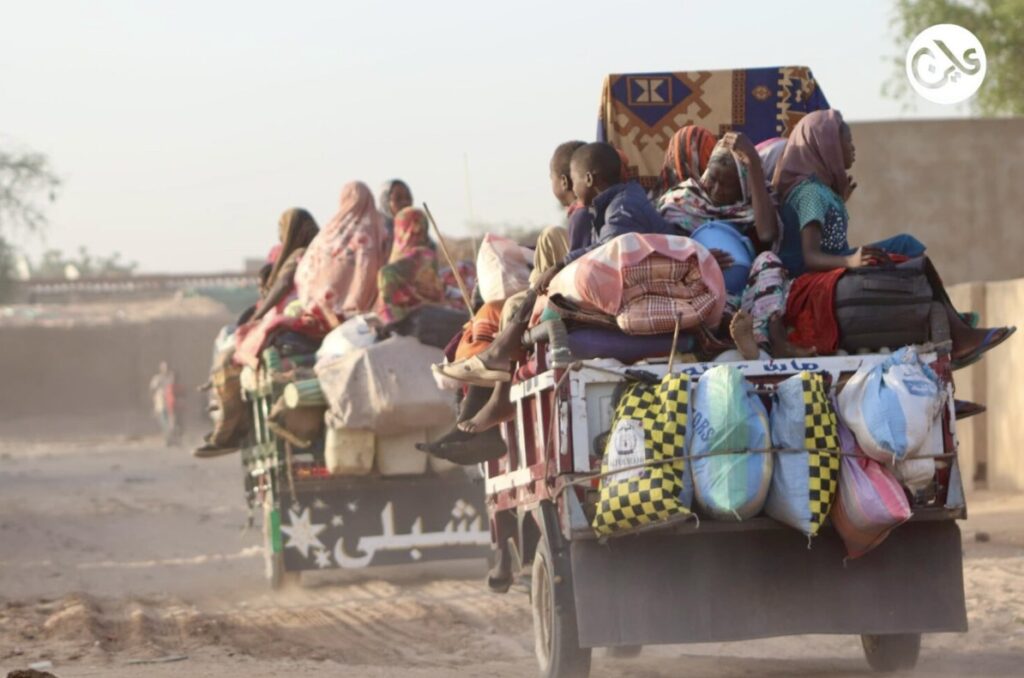
A resident in El Geneina told Ayin prices of goods in the city already saw increases from the first day of closure. Essential commodities like sugar, oil, clothes and drinks have moved to their highest prices in months.
“El Geneina will be among the hardest hit by the closure, given its heavy reliance on cross-border trade with Chad for essential commodities,” says economist Mohamed Hussain Adam. “The disruption of supplies is expected to spike food prices even higher, which will affect the humanitarian situation across Darfur.”
Mariam Abdel-Karim is not surprised by the price hikes in El Geneina, given the near total lack of goods reaching the city. The closures have also severely affected the traders based in Adré. “At the Adré border crossing, large numbers of carts usually pass every day,” she said. “On some days, more than a thousand carts may cross, and a single cart may make two or three trips a day transporting goods.” But the closures have stopped this lucrative traffic. “Large quantities of merchandise remain stranded until now. Therefore, it is difficult to determine the exact scale of the losses at this time, but it is clear that the losses are significant.”
With drones targeting the market area of Adikon this morning, the hopes of traders and refugees to eke out some sort of a living remain slim. “This road is our lifeline,” Ahmed says. “Its continued closure will only lead to greater economic and humanitarian suffering.