

29 September 2026
We have developed a series of weekly news briefs covering major topics of the week to keep our readers informed about the multitude of events taking place in Sudan amidst the ongoing, devastating war.
In this week’s edition:
- Accusations exchanged between Sudan and Ethiopia for support for the war
- The Sudanese army continues its advance in North Kordofan
- Security cell behind teacher salary suspensions in North Kordofan
- MSF allowed to revive operations in Tas’is-controlled areas
- Living challenges facing those returning to Khartoum
- High costs for accessing the internet in East Darfur
- A drone targeted a major fuel depot in Al-Jazeera State
 1) Accusations exchanged between Sudan and Ethiopia over war support
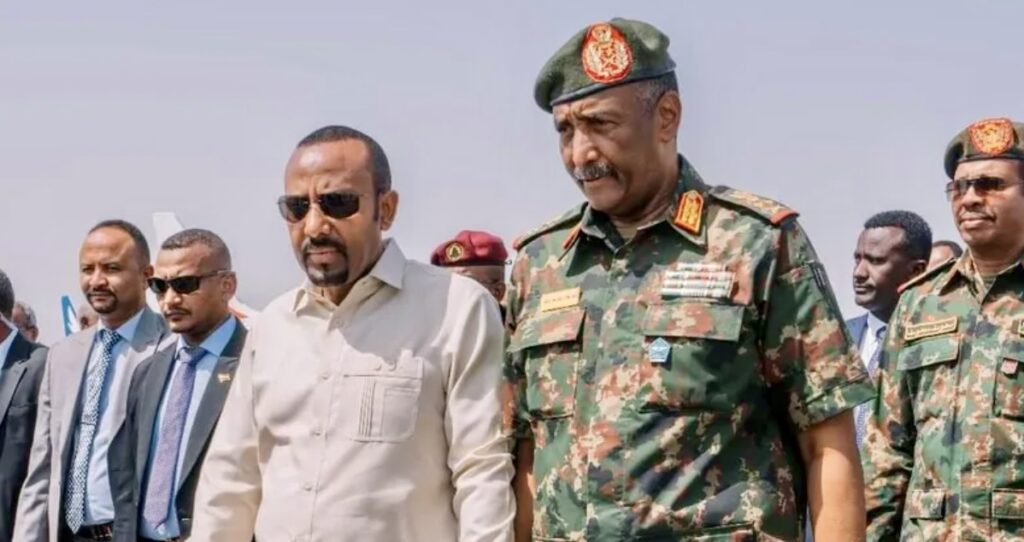
Sudan and Ethiopia have engaged in a heated exchange of accusations regarding alleged support for armed groups operating within each other’s borders. The diplomatic clash highlights the continuously deteriorating relations between Khartoum and Addis Ababa since the outbreak of the Sudanese war in April 2023.
The most recent tensions were sparked after the Chief of Staff of the Ethiopian National Defence Forces, Field Marshal Berhanu Jula, publicly accused Sudan, Egypt, and Eritrea of providing support to Tigrayan forces. According to Jula, this external backing has enabled the Tigray People’s Liberation Front to seize control of several areas in the region, including the capital city of Mekelle.
Addressing the media, Jula asserted that his country’s adversaries are orchestrating a broader strategy that includes the security challenges currently facing Ethiopia. He specifically accused these external actors of shifting away from confrontation with the Ethiopian government, opting instead to support internal rebel groups with money and intelligence.
On Sunday, the Sudanese Armed Forces quickly issued a statement, revealing that they had closely followed the statements made by the Ethiopian Chief of Staff. Sudan vehemently rejected what they described as “allegations”, firmly dismissing the claims of supporting the Ethiopian opposition as completely baseless.
“The Sudanese army has information and facts about the continued support and backing of the Rapid Support Forces from Ethiopian territory, including training, supply, and the use of Ethiopian territory for military activities, which it said included the operation of strategic and suicide drones.”
The Sudanese army affirmed that Sudan remains deeply committed to international law and the foundational principles of good neighbourliness. While insisting it does not interfere in other countries’ internal affairs, the military stressed it would not allow its sovereignty or national security to be compromised.
Meanwhile, the Ethiopian side called for accuracy, responsibility, and a return to official diplomatic channels to preserve the security and stability of the two countries and the wider region. Ethiopia reiterated that its armed forces will remain “vigilant” in protecting its borders and sovereignty, while denying Sudan’s claims regarding the Rapid Support Forces.
 2) The Sudanese army continues its advance in North Kordofan
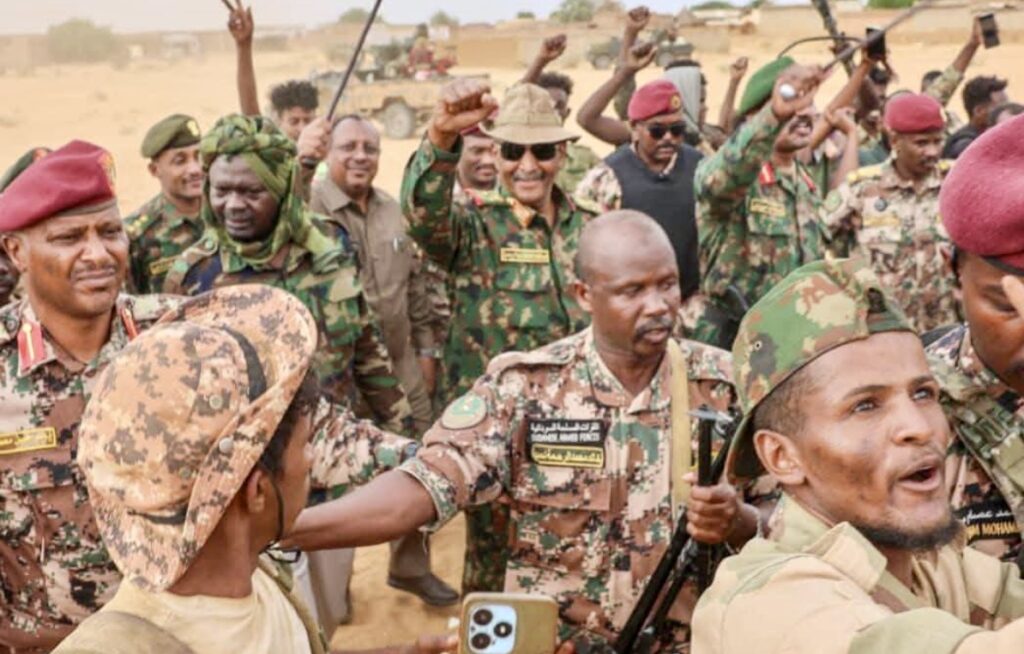
The Sudanese army and its supporting forces have continued to make significant ground advancements across North Kordofan state. On Friday, military officials announced that they had successfully taken full control of the strategic Sodari area following a series of fierce military engagements.
In an official statement, the General Command confirmed that the army and supporting forces secured the Sodari area after intense battles. The military noted that the Rapid Support Forces (RSF) suffered heavy losses in both lives and equipment during the clash, though they refrained from providing specific casualty figures.
Military sources have since confirmed the army’s successful entry into Sodari and its subsequent deployment throughout the city. Field sources noted that this development marks the withdrawal of the RSF from the area for the first time since the devastating war began in April 2023.
This recent advance is a critical component of a broader ground operation launched by the army in North Kordofan over the past several weeks. Through this operation, the army has successfully regained control of multiple areas previously held by the RSF, effectively pushing the paramilitary group’s presence back from the northern approaches to the city of El Obeid.
Despite the military’s localised success, a frightening drone attack struck the city of El Obeid on Monday morning. Local sources who spoke to Ayin reported that successive, loud explosions were heard echoing throughout the northwestern neighbourhoods of the city for several hours, sparking widespread panic among civilian residents.
“The bombing targeted a sports stadium in the northwestern part of the city, which the army uses as a military barracks,” one local resident said. “The bombing resulted in the explosion of an arms and ammunition depot inside the stadium, which caused injuries to citizens in the neighbouring districts.”
In response to the escalating aerial threat, the official spokesman for the army issued successive statements announcing successful counter-measures. Between September 24 and 27, the army reported shooting down four FH-95 drones across different locations, including three in the North Kordofan areas of Al-Kukiti, Al-Jamama, and Tana, alongside a fourth drone intercepted east of Kalmando in North Darfur State.
 3) Security cell behind teacher salary suspensions in North Kordofan
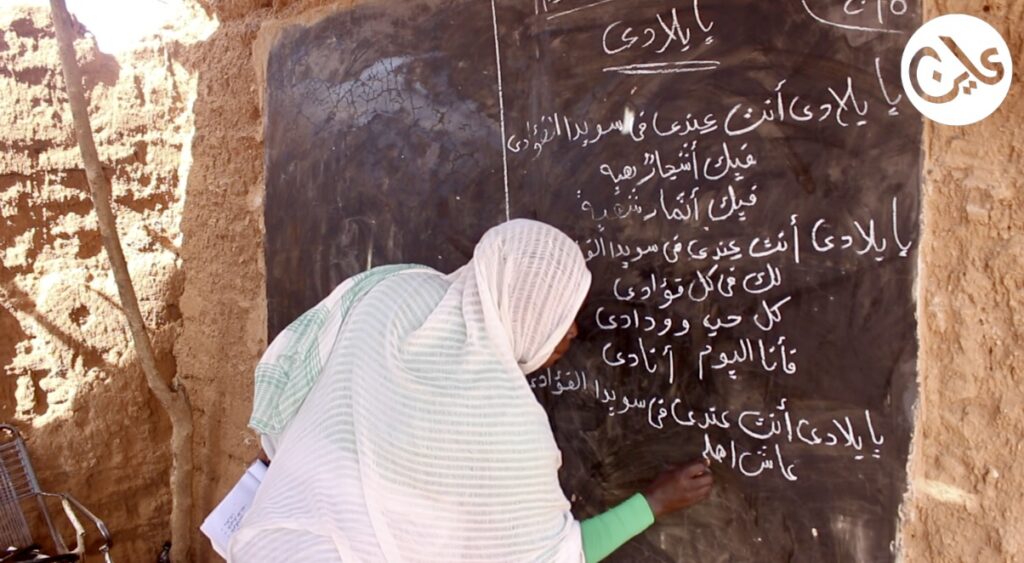
The Ministry of Education in North Kordofan State has controversially suspended the monthly salaries of approximately 40 teachers, including four educators working in the Bara locality. The sudden action has triggered widespread demands to reveal the specific reasons for the decision, as well as the legal and administrative foundations justifying it.
The affected educators were reportedly left completely in the dark regarding their sudden loss of income. “The ministry did not inform us of the reasons that prompted it to stop the salaries, nor did it hand us an official decision, but we learned indirectly that the measure came under pressure from the security cell,” one teacher requesting anonymity told Ayin.
Stepping in to defend the educators, the Sudanese Teachers Committee issued a strong statement on Sunday confirming that the punitive decision impacted around 40 teachers across the state. The committee demanded the immediate publication of a comprehensive list containing the names of all targeted teachers.
Furthermore, the committee called for a clear public statement detailing the justifications, alongside the legal and administrative bases, upon which the suspension of salaries was built. They argued this transparency is absolutely necessary to allow for a proper review of the decision and to hold the responsible parties accountable.
 4) MSF allowed to revive operations in Tas’is-controlled areas
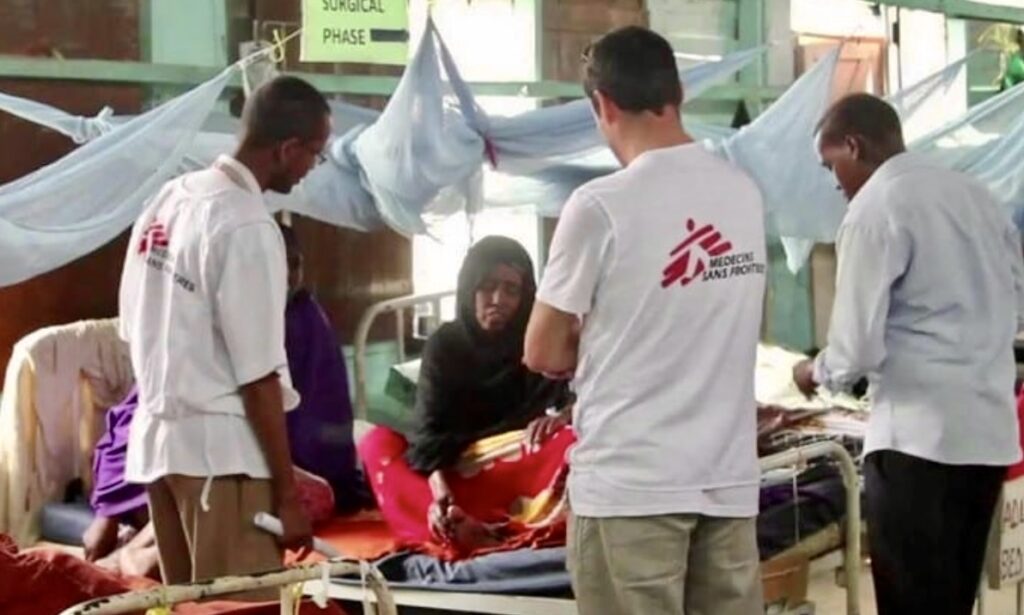
The healthcare crisis in Sudan remains dire, perfectly illustrated by the plight of 42-year-old Halima Omar. The displaced mother travelled several kilometres from her village to Nyala, the capital of South Darfur state, to seek treatment for her daughter’s severe stomach pains. Once she finally arrived, she found the hospital doctors on strike after a member of the security forces attacked a colleague whose son had died in the paediatric ward.
Amidst this collapsing medical infrastructure, the Tas’is (“Foundation”) government, which is controlled by the Rapid Support Forces (RSF), officially cancelled its previous decision to freeze the activities of the medical charity Doctors Without Borders (MSF). The reversal comes exactly three months after the Rapid Support Forces suspended the organisation’s crucial medical activities in the areas they control.
The initial suspension of MSF drew international concern, occurring shortly after a report published by the organisation in March 2026 that detailed severe violations committed by the RSF across Darfur. However, local authorities in Nyala publicly attributed the suspension exclusively to a sexual abuse case, in which MSF workers were accused of committing crimes against Sudanese refugees in eastern Chad.
On Monday, the Council of Ministers of the Peace Government issued a new, formalised decision to lift the freeze immediately. Simultaneously, the resolution strictly obligates the medical organisation to work in close coordination with judicial and competent authorities to take all necessary measures to appropriately compensate and provide justice to the victims of the alleged rape incident.
The newly issued resolution also implements strict regulatory guidelines, obliging all international humanitarian organisations to formally register and be accredited by the RSF-controlled Humanitarian Access Authority. Organisations are now required to coordinate directly with the Authority on their plans, specific programmes, and geographical sectors of intervention.
In addition to registration, organisations must now provide the Authority with detailed information and periodic reports to ensure proper coordination, actively prevent the duplication of services, and achieve total fairness in the distribution of critical aid.
To streamline these new requirements, the decision directed the Humanitarian Access Authority to coordinate with relevant ministries to adopt a unified window. This new system aims to provide simplified, clear, and time-bound procedures for registration, accreditation, the signing of technical agreements, and the issuing of permits, attempting to resolve the ongoing regulatory dispute between authorities in Port Sudan and Nyala.
 5) Living challenges facing those returning to Khartoum
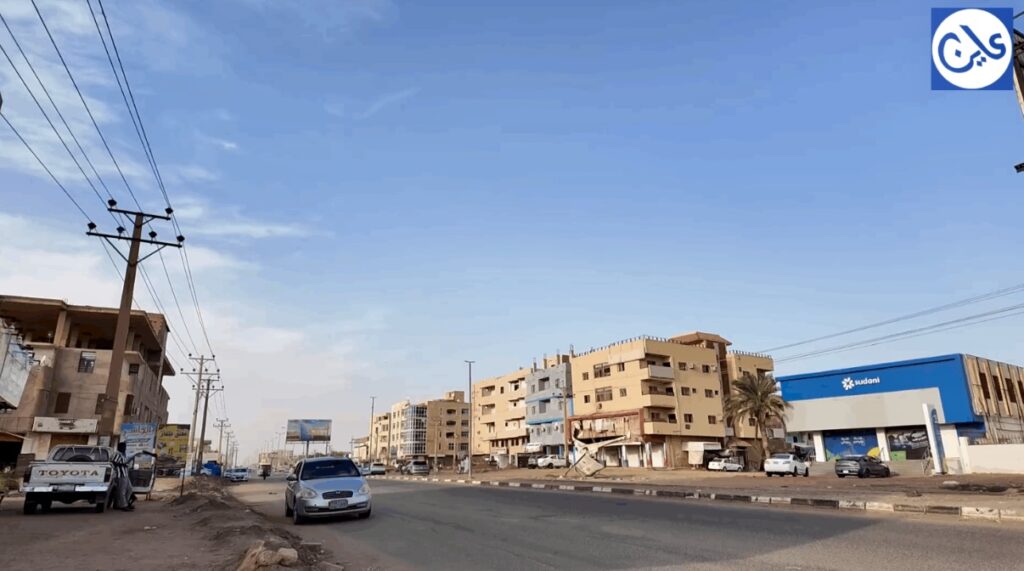
Citizens returning to the Sudanese capital are finding themselves enveloped in profound uncertainty regarding the devastated economy and abysmal living conditions. A rapidly deteriorating national currency and the widespread, costly privatisation of basic services, most notably electricity, are heavily exacerbating these struggles.
“The situation is bad; there is no electricity, and we were forced to buy solar panels worth 8 million pounds (roughly US$1,000),” says Zain Adeen Hassan, who recently arrived back in the Sudanese capital with his family from Egypt. He noted that general power is only available for 10 hours a day, leaving the city in total darkness for most of the night.
The deterioration extends heavily into the educational sector. “Even government schools are deteriorating, and teachers are not available all the time. People are turning to private schools, which cost 2 to 3 million pounds annually for the average quality sector. These things make us wonder why we came back at this time,” Zain added.
Despite these severe hardships, the International Organization for Migration reported that nearly 2.1 million people returned to the Sudanese capital between 2025 and 2026. However, UN agencies have issued stark warnings of a massive humanitarian “relapse” if they do not swiftly make these desperately needed basic services available.
Narmin Salah, who returned to the east of Khartoum, said her return was not a choice but rather forced after the Sudanese Cabinet issued a 17 September decision demanding public employees resume work inside the country within 45 days, threatening dismissal for non-compliance. Returning to her old neighbourhood, she was shocked by the new reality. “A family that used to live a middle-class life now needs food from communal kitchens. This is happening here in East Khartoum.” The conditions are so challenging, Narmin is considering returning to the place she sought refuge.
Economic analyst Mohamed Ibrahim offered a grim assessment of the crisis. “The return of citizens to their regions in Sudan is linked to their ability to stay in a place that may not provide electricity, water, education and health in an accessible manner.”
Ibrahim believes the government handed the economy over to unqualified military companies, leaving citizens to shoulder the impossible financial burden. “A family income of $200 a month might enable them to live in a country like Egypt, while in Sudan, they need three times that amount to cover 40% of living expenses, not including the cost of housing.”
 6) High costs for accessing the internet in East Darfur
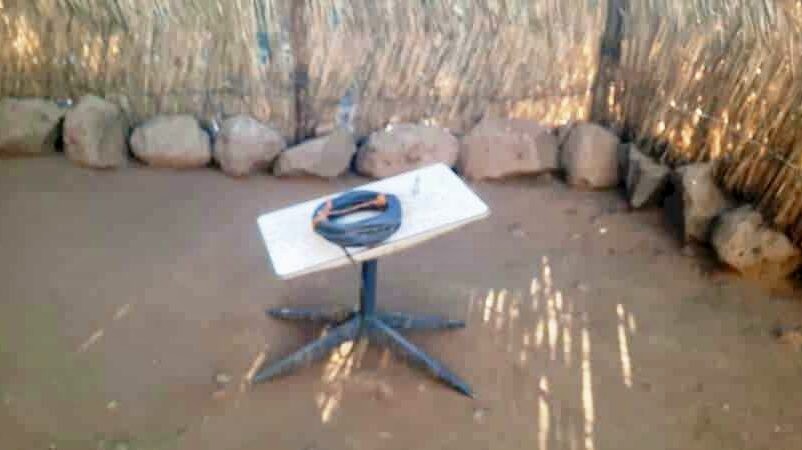
Everyday citizens living in East Darfur are currently incurring massive daily expenses simply to access internet cafes. These makeshift businesses provide crucial service via satellite “Starlink” devices, standing as the only lifeline after local communications networks have been entirely cut off across the region for the third consecutive year.
“We connect the phone to Starlink to get Wi-Fi, where we pay 1,000 pounds per hour, and another 1,000 pounds to charge the phone with solar power,” explains Hawa*, a 27-year-old woman who fled Nyala two years ago and now lives in a small village on the outskirts of Abu Karnka locality. “If you spend two hours at the internet shop – which is built in a primitive way and equipped with a Starlink device – you pay 2,000 Sudanese pounds (equivalent to 25 cents, or less than half a US dollar), and if you charge the phone twice with electricity from solar power, you also pay 2,000 pounds.”
Over the past two years, these satellite internet devices have been flowing into the Darfur region in massive shipments. This highly profitable black-market trade operates largely under the direct supervision of the Rapid Support Forces, with various officers and soldiers actively working in and profiting from these activities.
“The routes that supply the Rapid Support Forces with fuel, equipment and food through neighbouring countries also carry shipments loaded with Starlink devices, which have become a booming trade due to the internet outage in the Darfur region for the third year in a row,” says conflict researcher Samahir Abdullah.
Abdullah explained that smugglers bring these crucial devices in through Chad, Central Africa, Libya, South Sudan, and Uganda. Beyond basic profit, they serve as crucial military factors, allowing the RSF to reliably use the internet to promote battlefield victories and spread war propaganda against the Sudanese army.
Despite the RSF’s control over the technology, Samahir Abdullah believes that an estimated 1.5 million ordinary people in the Darfur region are effectively forced to use these expensive internet cafes. For civilians, accessing “Starlink” is the only remaining way to communicate with displaced relatives, receive vital money transfers, socialise, and even complete marriage ceremonies.
*Second name removed to ensure the source’s security
 7) A drone targeted a major fuel depot in Al-Jazeera State
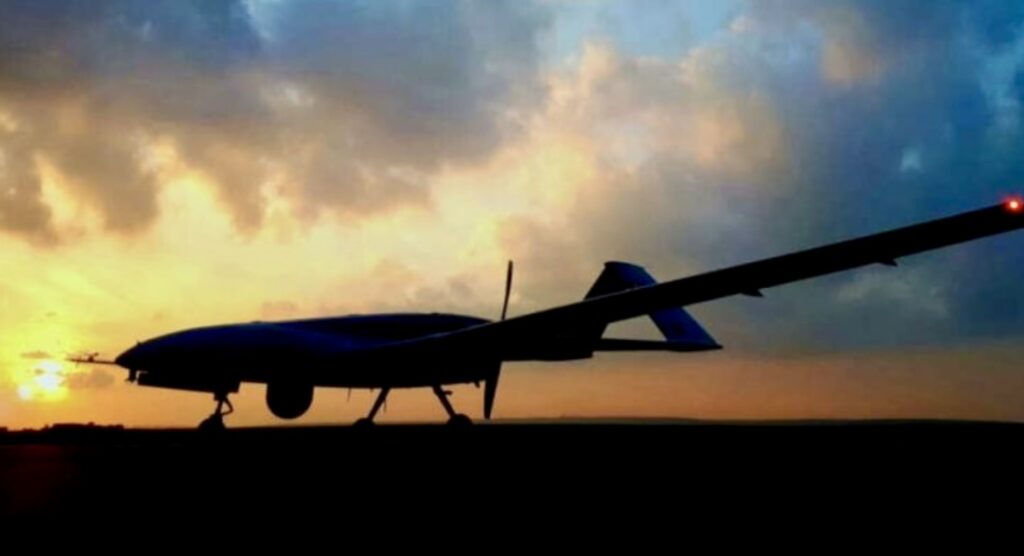
On Sunday, September 27, a calculated drone attack was launched against the largest fuel depot in the Al-Alila area, located approximately 20 kilometres east of Wad Medani city in central Sudan’s Al-Jazeera State. The massive facility is critical to regional infrastructure, housing four main fuel tanks that supply vast areas of the country.
Following the strike, the Al Jazeera Conference, a recognised community-based organisation in the region, issued a formal statement firmly declaring that the Rapid Support Forces (RSF) were directly behind the dangerous attack on the Al-Alila warehouses.
The conference also revealed additional, disturbing details regarding the scale of the aerial assault. They reported that three supplementary drones fell in the nearby village of “Wad Al-Bar Al-Khawalda”, where local farmers fortunately discovered them lying in the middle of agricultural fields without their deadly warheads having exploded.
The targeted attack on the Al-Alila fuel depots represents a significant escalation in the ongoing “fuel war” currently being waged by rival military factions across Sudan. This strategic tactic is primarily used to completely paralyse opposing military movements that rely heavily on consistent fuel supplies to drive heavy armoured vehicles to active battlefronts.
The critical Al-Alila warehouses receive their vital fuel supplies directly from the Al-Jaili refinery, which is located north of the Sudanese capital, via extensive pipelines spanning 215 kilometres. The facility boasts four massive storage tanks, each heavily engineered with a holding capacity of 5,000 cubic metres.
Fortunately, following the Sunday air raids, the local civil defence team was able to completely extinguish the resulting fires in a matter of hours. This rapid containment heavily supports the working hypothesis that the massive tanks contained very little or no fuel at the exact time of the bombing.
Despite the potentially averted disaster, the Al Jazeera Conference fiercely condemned the aggressive air raids that targeted the Al-Alila warehouses east of Wad Medani. The body noted that the attack was a blatant, unacceptable targeting of vital strategic civilian facilities, emphasising that these specific warehouses are heavily relied upon to supply both the eastern and central states.