

27 October 2026
We have developed a series of weekly news briefs covering major topics of the week to keep our readers informed about the multitude of events taking place in Sudan amidst the ongoing, devastating war.
In this week’s edition:
- Activists launch global campaign to mark anniversary of El Fasher
- Three civilian detainees die in Nyala prison amid deteriorating conditions
- Air raids cripple electricity across five Sudanese states
- Burhan leads Sudan’s delegation to the Russia-Africa summit
- The dollar rises to a record high against the Sudanese pound
- No bread: bakeries and consumers face challenges with price spikes
- Deadly drone strikes escalate across Kordofan, Darfur
- Press freedom groups condemn crackdown on journalists across Sudan
 1) Activists launch global campaign to mark anniversary of El Fasher
Human rights advocates and civil society groups have launched a widespread digital campaign dubbed “Red El Fasher” and tagged #ElFasherInRed to mark the one-year anniversary of the Rapid Support Forces’ (RSF) capture of the North Darfur capital. The initiative aims to pierce the prevailing media blackout, remind the international community of widespread massacres committed against civilians, and demand an end to impunity for perpetrators.
The RSF seized El Fasher, the Sudanese army’s final stronghold in Darfur, following an 18-month siege spanning more than 500 days. During the encirclement, forces cut off humanitarian corridors, food, fuel, and medical supplies, turning the blockade into an instrument of mass starvation. Trapped civilians and displaced families, including children in the Zamzam camp, were driven to survive on animal fodder known locally as “Ambaz,” while relentless artillery shelling drove acute malnutrition and casualties among the most vulnerable.
To commemorate the victims and highlight ongoing abuses, hundreds of Sudanese citizens and supporters worldwide have flooded social media by changing their profile backgrounds to crimson red. The visual campaign represents the bloodshed caused by summary executions, indiscriminate shelling, and atrocities that triggered massive displacement following the city’s collapse.
The mobilisation coincides with intensifying international diplomatic pressure and warnings of a renewed catastrophe. Rights groups, including Amnesty International and UN Women, have condemned escalating sexual violence, torture, and arbitrary detentions, while the “Coalition to Prevent Atrocities” warned in a joint statement of warning signs of genocide and ongoing drone strikes on civilian zones. Amid recent sanctions by the United Kingdom against implicated military commanders, the “Red El Fasher” campaign continues to press global leaders to secure urgent humanitarian corridors and ensure those responsible face justice.
 2) Three civilian detainees die in Nyala prison amid deteriorating conditions
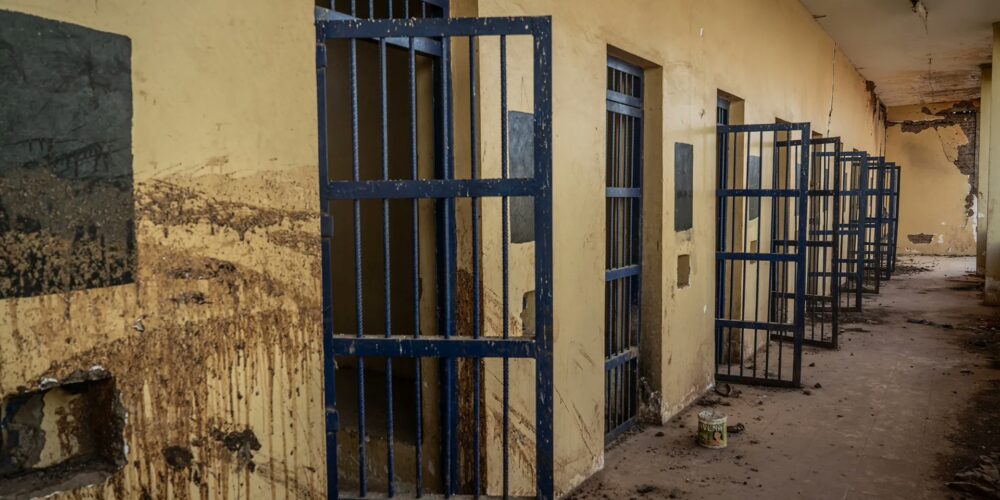
Three civilians detained for over a year by the Rapid Support Forces (RSF) have died inside Daqris Prison in Nyala, the administrative capital of the RSF-controlled Tasis government (meaning “Foundation”). Local sources close to the families told Ayin that deteriorating health conditions caused their deaths. The deceased include tyre seller Muawiya Adam Suleiman, dried meat trader Hassan Mohamed Abdelgader, and Adam Hamed Laban, a 70-year-old teacher. The families only learnt of the men’s deaths from a former detainee who was recently released.
The victims were originally seized in Ghabish, West Kordofan, during a July 25, 2025 sweep targeting more than 50 people, before being transferred to Nyala without explanation. Hassan was reportedly detained simply for asking officers where they were taking his relative Muawiya, to which members of the force replied, “Get in with him.” While approximately 20 detainees were freed last April, 26 others from Ghabish remain imprisoned at the facility with no outside contact.
In a statement, the Kordofan Observatory held the RSF and the Tais government responsible for the safety and conditions of the detainees, citing earlier reports that linked deaths inside Daqris Prison to starvation, disease, and torture. The monitor demanded an independent investigation to determine the exact causes of death, the prosecution of those responsible, unrestricted access for independent human rights and humanitarian organisations, and the immediate release of all arbitrarily detained civilians.
 3) Air raids cripple electricity across five Sudanese states
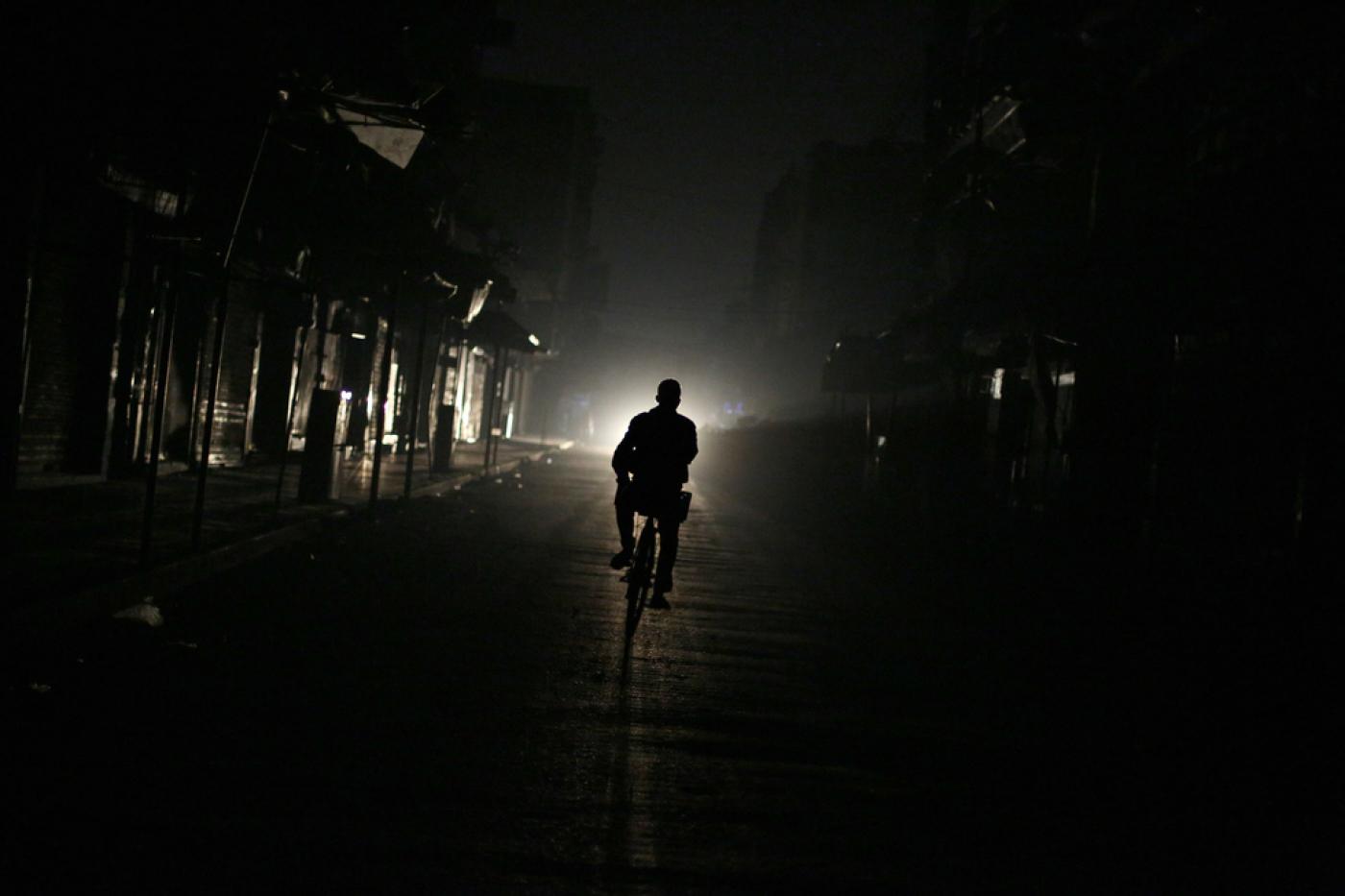
Successive drone strikes across Sudan have crippled critical electrical infrastructure, plunging Khartoum, Omdurman, and four other states into widespread blackouts. Drone strikes on Monday hit power stations in five states: in Al-Jazeera, White Nile, Al-Gedaref, and Sennar.
The following day, drones hit the Al-Murkhiyat power station northwest of Omdurman, severing transmission from the Merowe Dam and threatening severe municipal drinking water shortages. State electricity officials warned that the extensive damage to the Al-Murkhiyat station cannot be resolved quickly and will take several days to repair, leaving parts of the capital without power and stoking fears of a repeat of last year’s month-long blackout.
The assault is part of an intensifying air campaign, with a military source attributing at least seven recent strikes across multiple states to the Rapid Support Forces (RSF). The United Nations says aerial attacks have killed more than 309 civilians during October alone.
“The purpose of targeting the electricity infrastructure is to increase public anger against the (army) government, especially given the growing protests by citizens on social media due to the high cost of living and severe shortages of basic services,” says Hani Osman, an energy researcher. Osman explained that the destruction across five states leaves the “heart of the country” without electricity for an indefinite period—potentially lasting anywhere from hours to several weeks depending on the availability of critical spare parts.
 4) Burhan leads Sudan’s delegation to the Russia-Africa summit
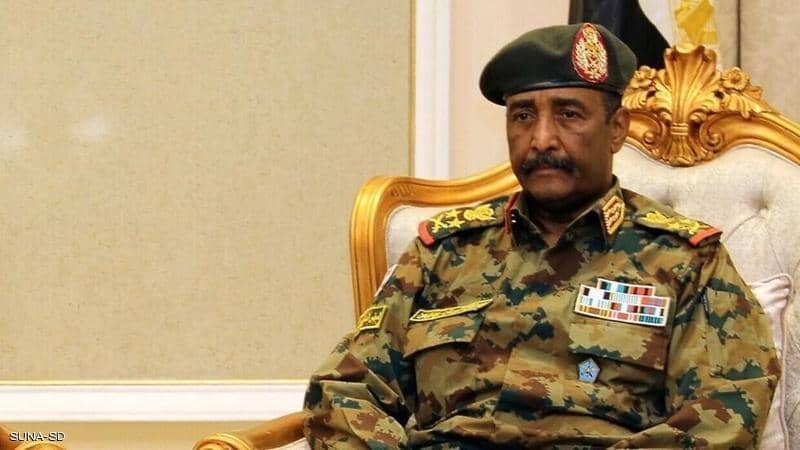
Army Chief General Abdel Fattah al-Burhan is leading the nation’s delegation to the third Russia-Africa Summit in Moscow. During the visit, he will hold high-level talks with Russian President Vladimir Putin.
The Sudanese News Agency (SUNA) reported that the bilateral meeting will take place on the sidelines of the summit, which is scheduled to run from October 28 to 29 in the Russian capital. The two leaders are expected to discuss strengthening diplomatic ties, bilateral cooperation, and developments of mutual concern.
The Sudanese ambassador to Russia, Mohamed Al-Ghazali Al-Tijani, noted the importance of Sudan’s participation in this summit to SUNA, highlighting the role Russia can play in Sudan’s reconstruction phase through several projects in the energy, oil, mining, agriculture, infrastructure, higher education, and other sectors.
 5) The dollar rises to a record high against the Sudanese pound
The US dollar has surged to an unprecedented 10,200 Sudanese pounds on the black market inside and outside Sudan, driven by acute foreign currency shortages and a worsening domestic fuel crisis. “The exchange rate in the black market witnessed a significant increase when those working in this sector noticed that the Central Bank was no longer injecting sufficient funds to finance import requests,” a currency trader in Atbara, River Nile State, told Ayin. This sharp depreciation escalated as importing firms sought to secure petroleum products from abroad, driving black market purchase requests to $30 million in just two days.
“The rise in the exchange rate is a symptom of the crisis of Sudanese exports declining by 60% during the war,” says economic analyst Mohamed Ibrahim. “The government is neglecting the disease and only focusing on treating the symptoms.” Ibrahim underscored the catastrophic loss of key agricultural revenue streams. “Sudan has lost at least $70 million annually in gum arabic revenues and at least $150 million in peanut revenues. So where will the hard currency come from?” He further noted that Gold is funding the war and the government is unwilling to transfer its revenues to finance importers.
In contrast, Finance Minister Jibril Ibrahim acknowledged that the conflict is depleting hard currency reserves, noting that authorities had anticipated the exchange rate reaching 10,000 Sudanese pounds per dollar in the initial months of the war. Ibrahim maintains that the government is actively pursuing its core priorities, which balance financing the war effort with restoring economic stability, pointing to promising productive sectors within agriculture to support long-term recovery.
 6) No bread: bakeries and consumers face challenges with price spikes
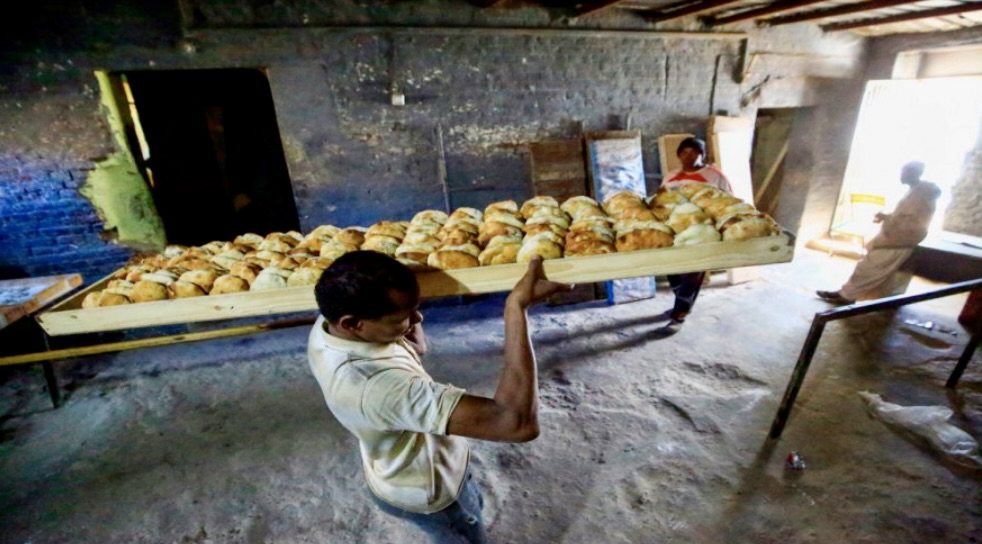
Sudan’s bakery sector is facing severe pressure following a sharp surge in flour prices. A 50-kilogram sack of flour climbed to 192,000 Sudanese pounds, up from 165,000 pounds last Saturday, overstepping an 87,000-pound price cap the ministry of industry had set in September. However, commercial mills raised their rates after the Sudanese pound plummeted to 10,000 pounds per US dollar on the black market.
The rapid price hikes have hit consumers immediately. “A sack of wheat flour has risen to 192,000 pounds,” says Mona Hassan, a resident of East Khartoum. “I buy flour so that I can save money by avoiding the daily expense of 20,000 pounds for bread for my family of five. But with power outages and the high price of charcoal, even this option is impossible.”
Bakeries are also struggling with escalating operational expenses and severe infrastructure failures. “The price increases weren’t limited to flour; they extended to include a carton of yeast that jumped from 220,000 to 370,000 Egyptian pounds this month and a can of oil that reached 680,000 pounds,” one baker in Khartoum told Ayin. “This is in addition to facing daily power outages and relying on solar energy systems or fuel-powered generators.”
The Ministry of Industry is considering a proposal to lower consumer bread prices without reducing the wholesale price of flour. A source from the Bakers’ Union confirmed the proposal, warning, “Selling two loaves of bread for 1,000 pounds is no longer profitable for bakery owners unless they sell one loaf for 1,000 pounds. This is impossible given the public protests, and consequently, most bakeries will be forced to close and lay off workers.”
In response to the crisis, Prime Minister Kamil Idris issued a package of economic decisions on Monday. The government lifted the import ban on select food items and other goods. Authorities also eliminated customs duties, local taxes, and value-added tax (VAT) on essential commodities, including flour, cooking oils, rice, lentils, Egyptian beans, chickpeas, and peas. Further, industrial production inputs were exempted from taxes and customs fees to support local producers.
 7) Deadly drone strikes escalate across Kordofan, Darfur
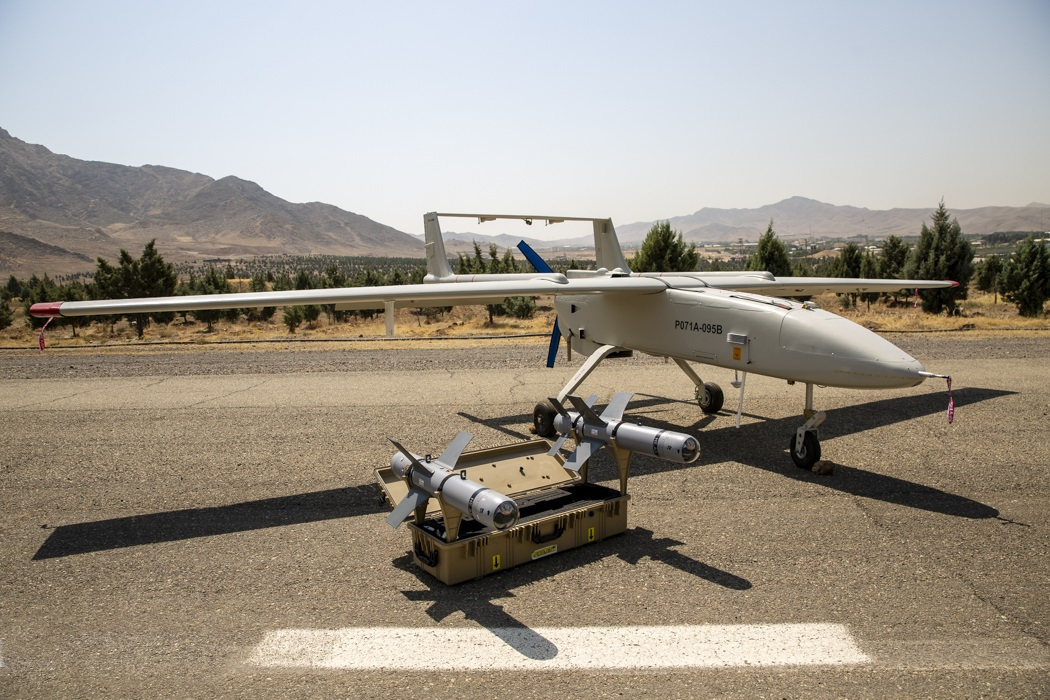
A three-week lull in ground fighting along the Kordofan front has been overshadowed by an intensifying campaign of drone strikes targeting civilian sites and notable individuals across Kordofan and Darfur.
Last Saturday, a drone struck a fuel truck in the Al-Qantour area, which was on its way to the city of Ghabish in West Kordofan State. The attack killed the driver and destroyed the truck, according to local sources.
On 22 October, two days prior, another drone targeted a fuel truck in the Abu Jabra market in East Darfur State, causing the tanker to catch fire, while another drone hit the Abu Jabra market, killing several civilians. On the same day, two separate drone strikes targeted a gold mine in Talodi, South Kordofan State, killing four civilians. Finally, also on 22 October, a drone strike hit the market in El Fasher, North Darfur State, resulting in several casualties, according to local medical sources. The exact number of victims has not been determined.
The strikes reflect a sharp escalation in aerial bombardments throughout October, resulting in mass casualties. On October 18, a strike targeting a gathering in the Al-Dabab area of West Kordofan killed dozens of civilians. The following day, an attack on the Al-Naam market in Abyei killed more than 80 people, according to the United Nations Interim Security Force for Abyei (UNISFA).
Expressing grave concern over the mounting civilian toll, UN High Commissioner for Human Rights Volker Türk stated that the Human Rights Office had documented the deaths of at least 306 people and injuries to hundreds more in drone strikes during the first three weeks of October alone.
 8) Press freedom groups condemn crackdown on journalists across Sudan
The Sudanese Journalists Syndicate denounced the systematic targeting of press workers under military authorities in White Nile, calling for an immediate halt to weekly security summonses issued against journalists Rashid Oshi and Sawsan Mohamed Osman. Both reporters are compelled to report every Thursday to the security headquarters in Kosti, a routine the syndicate condemned as an assault on journalistic independence.
In a related case, journalist Rasha Hassan was subjected to criminal defamation proceedings under Article 159 of the Penal Code after sharing a Facebook post concerning school exam fees in Al-Qutaynah. The prosecution subsequently dropped the complaint after her defence argued that she had neither authored the original post nor named the school principal.
Simultaneously, the Sudanese Pen Association and the Prisoners of Conscience Committee launched renewed appeals for the release of freelance journalist and Al Jazeera correspondent Muammar Ibrahim. Ibrahim was seized by the Rapid Support Forces (RSF) on October 26, 2025, following their capture of El Fasher, the capital of North Darfur State. He has been seen only once since his abduction, appearing in November 2025 footage published by the RSF, surrounded by fighters prior to his initial transfer to Daqris Prison west of Nyala.
Advocates issued urgent warnings over Ibrahim’s rapidly deteriorating physical condition, citing a complete denial of family contact and vital medical care. Recent reports indicate he has been transferred to a makeshift detention facility near the land port, where the RSF has converted commercial oil and plastic factories into holding centres. Rights monitors warned that the total communication blackout and perilous detention conditions pose an immediate threat to the journalist’s life.