

7 July 2026
To keep our readers informed of the multitude of events taking place in Sudan amidst the ongoing, devastating war, we have developed a series of weekly news briefs covering major topics of the week.
In this week’s edition:
- Military alert in El Obeid as international pressure mounts to halt escalation
- Washington conditions Sudanese truce on mutual withdrawals, diplomat reveals
- Drone strikes destroy aid and commercial convoys in White Nile and Darfur
- Finance Minister: Russia rejects request to mediate drone dispute with UAE
- Rapid Support Forces attacks spark mass displacement in Darfur
- Widespread teachers’ strike paralyzes hundreds of schools across Kassala
- Over 330 children killed or injured in Sudan conflict during first half of 2026
- ICC deputy prosecutor gathers Darfur violation testimonies in Chad
 1) Military alert in El Obeid as international pressure mounts to halt escalation
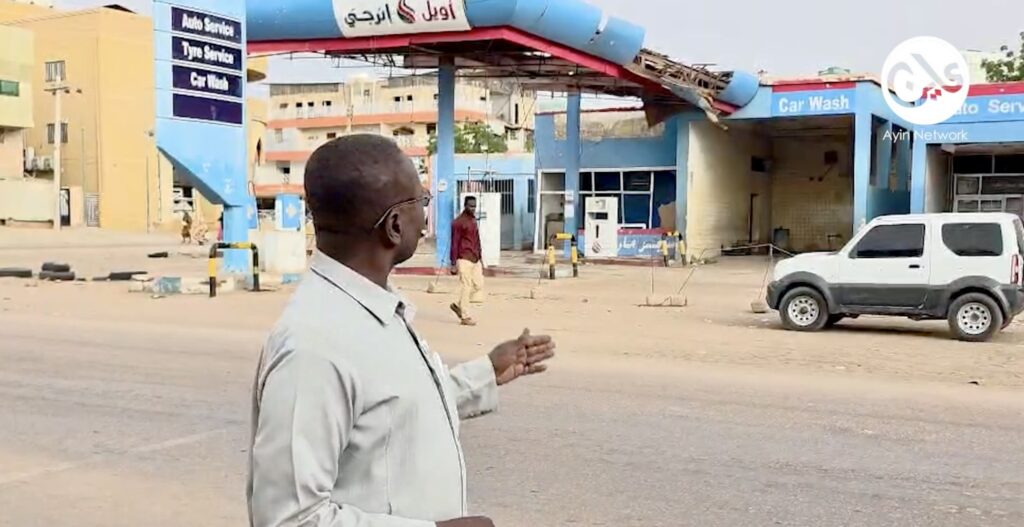
El Obeid, the capital of North Kordofan State, has been placed on high alert as the Sudanese Armed Forces (SAF) ramp up military preparations in response to a continuous buildup of Rapid Support Forces (RSF) reinforcements nearby. The escalating mobilisation has raised urgent international fears of a major assault, drawing parallels with the devastating humanitarian crisis in El Fasher.
The SAF recently released footage of Major General Al-Siddiq Al-Jili Abdel Rahim inspecting front-line troops to assess readiness, while the RSF countered with videos on Telegram showcasing columns advancing toward the city. Amid the standoff, residents report acute shortages of food, skyrocketing prices, and severe water scarcity driven by rolling power outages that have crippled local pumping stations.
The International Organization for Migration (IOM) warned that while many civilians desperately wish to flee, they are trapped by prohibitive transport costs, hazardous roads, and frequent drone strikes. In response to the crisis, UN Humanitarian Coordinator Denise Brown conducted a field visit to El Obeid to assess the damaged infrastructure and coordinate emergency preparedness measures among regional relief groups.
Simultaneously, diplomatic pressure is mounting. The UN Human Rights Council unanimously passed a resolution directing the Independent International Fact-Finding Mission on Sudan to urgently investigate alleged human rights abuses in the area. Meanwhile, UN Under-Secretary-General for Humanitarian Affairs Tom Fletcher held a phone call with RSF Commander Mohamed Hamdan Dagalo to press for safe aid corridors and civilian protection.
Defying these international appeals, the Sudanese Founding Alliance (Ta’sis) issued a statement declaring its intention to continue targeting military positions within El Obeid. The alliance argued that attacking cities with active military installations does not violate international law, stating it is unacceptable to demand a unilateral halt to operations while ignoring the activities of the regular army.
 2) Washington conditions Sudanese truce on mutual withdrawals, diplomat reveals
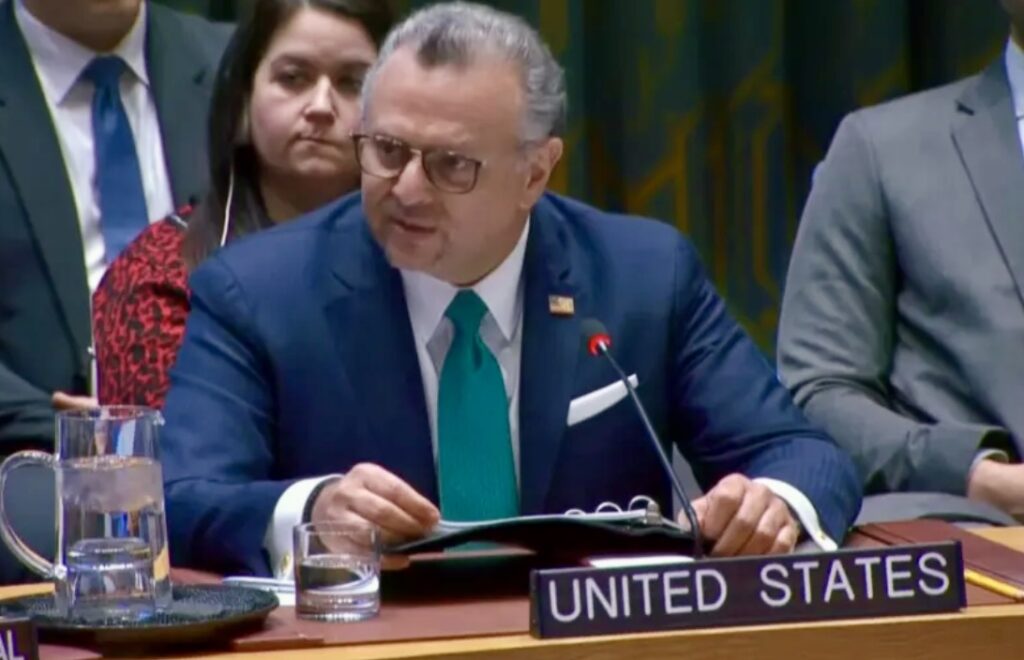
A senior Sudanese diplomatic source has revealed that White House advisor on Arab and African affairs, Massad Boulos, is tying the execution of a new humanitarian truce to a mandatory agreement on “mutual withdrawals” between the army and the Rapid Support Forces (RSF). This condition has emerged as the primary sticking point between Sudanese army leadership and American mediators.
The revelation follows remarks by Boulos to the UN Security Council in late June 2026, where he noted that the Sudanese Sovereignty Council had rejected initial humanitarian truce proposals without clarifying the specific points of contention. According to the diplomat, the U.S.-drafted framework includes a strict timetable for forces to pull back from sensitive corridors linking the Darfur and Kordofan regions.
Lt Gen. Abdel Fattah al-Burhan, head of the army and Sovereignty Council, has reportedly resisted these specific withdrawal zones. However, American mediators are currently amending the draft. Boulos remains confident that maintaining direct dialogue with the military leadership on these specific geographic coordinates can yield a diplomatic breakthrough.
The proposed revisions would allow both factions to maintain their primary strongholds while executing coordinated pullbacks in select cities across Kordofan and Darfur. Despite holding firmly to its established institutional roadmap, the Sovereignty Council is reportedly open to adjusted frameworks that preserve its political and territorial standing.
 3) Drone strikes destroy aid and commercial convoys in White Nile and Darfur
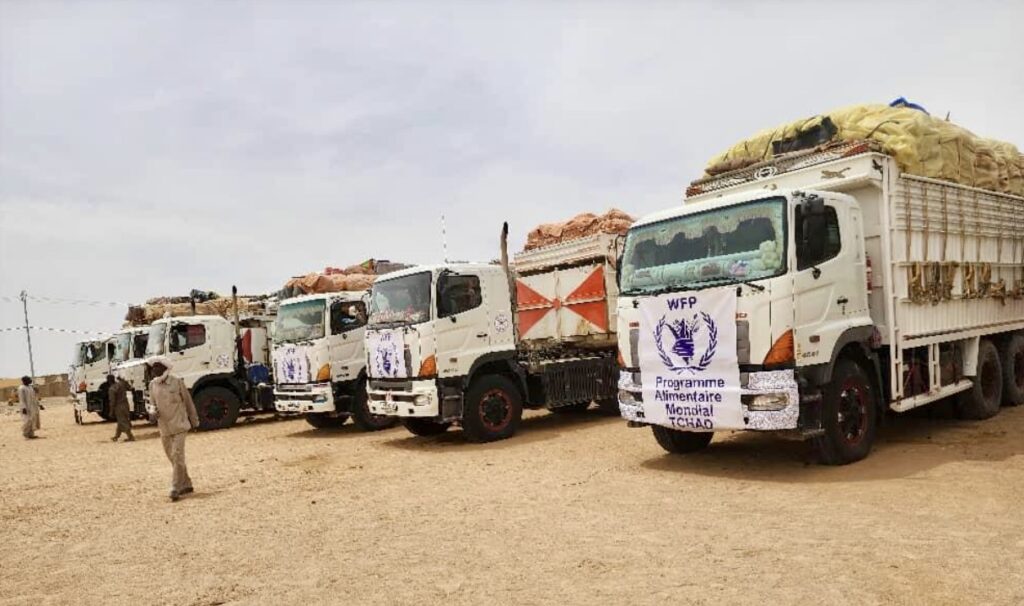
Unidentified drone attacks completely destroyed a United Nations humanitarian aid truck and a separate commercial convoy in the states of White Nile and North Darfur last week. The strikes have raised deep security concerns regarding the safety of vital supply routes across the country.
The first incident occurred on July 1 near Tendelti in White Nile State, targeting a truck managed by the United Nations High Commissioner for Refugees (UNHCR). The vehicle was transporting 50 tons of life-saving emergency cargo—including blankets, kitchen sets, solar lamps, and plastic sheeting—intended for displaced families in Abu Jubaiha, South Kordofan State.
While the driver miraculously survived the blast, the drone strike destroyed the entire cargo. The UNHCR issued a statement condemning the attack, noting with grave concern that this marks the second time this year that one of its aid transports has been targeted by a drone in Sudan, indicating a dangerous operational trend for relief workers.
Days later, a second drone strike targeted a commercial convoy in a remote desert area near Zarq in North Darfur State. Local sources confirmed that the convoy, which was transporting commercial goods from Libya into the Darfur region, suffered extensive damage, leaving several cargo trucks destroyed and multiple drivers injured.
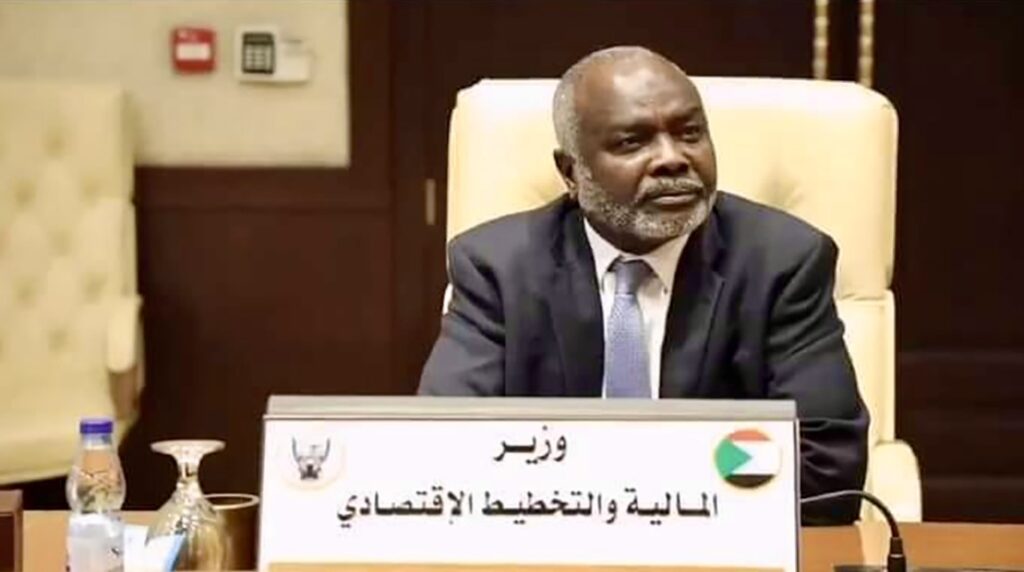 4) Finance Minister: Russia rejects request to mediate drone dispute with UAE
Sudan’s Finance Minister, Jibril Ibrahim, acknowledged the transactional nature of modern geopolitics, stating that it is exceptionally difficult for Sudan to secure potent international allies during wartime without offering significant reciprocal benefits to foreign partners.
During an interview on state television, Ibrahim revealed that he personally lobbied Russia’s Deputy Foreign Minister to intervene with the United Arab Emirates. The Sudanese government sought to leverage Moscow’s diplomatic ties with Abu Dhabi to pressure the UAE into halting its alleged financial and logistical backing of the Rapid Support Forces (RSF).
According to Ibrahim, the Russian diplomat deflected the request by pointing directly to the stark asymmetry in economic ties. The official explicitly contrasted the massive, multi-billion-dollar trade volume shared between Russia and the UAE against the comparatively minor economic exchange that exists between Moscow and Khartoum.
Turning to domestic matters, Ibrahim addressed the severe black market fluctuations that saw the Sudanese pound stabilise at roughly 5,200 pounds to the US dollar after a week of aggressive inflation. He noted that while the state originally feared the currency would collapse to 10,000 pounds per dollar by 2025, recent interventions by the central bank helped avert a total freefall.
These interventions included a targeted injection of 400 million UAE dirhams into the banking system on July 2, 2026, to meet commercial import demands and reduce speculative currency trading. However, the finance minister denied rumours that Sudan had received a substantial foreign cash deposit, admitting that consumer prices remain stubbornly high despite the pound’s temporary stabilisation.
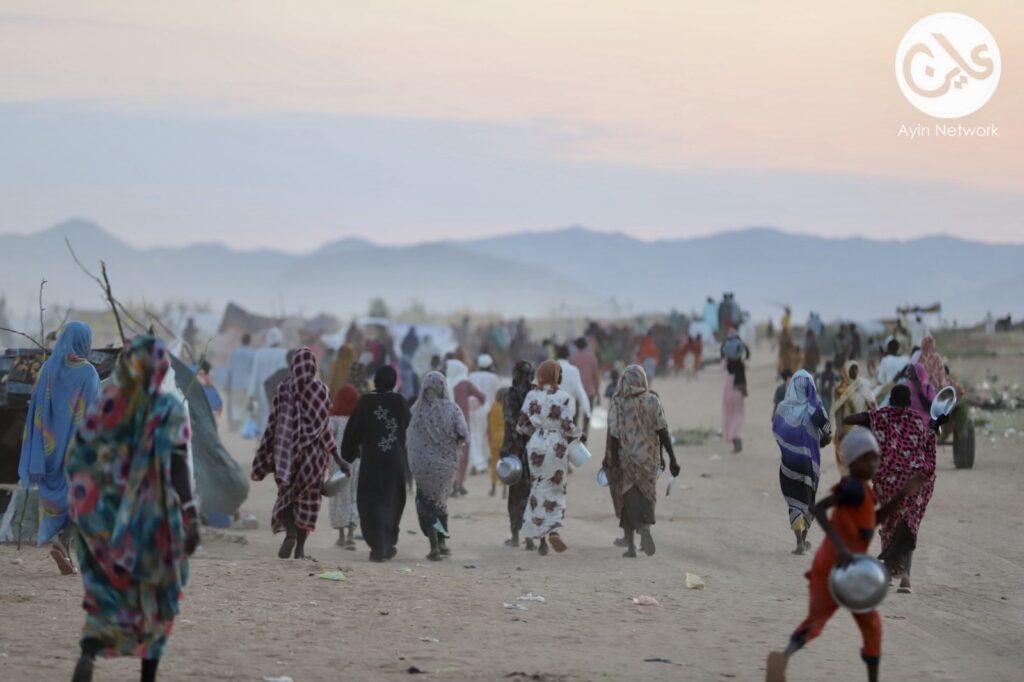 5) Rapid Support Forces attacks spark mass displacement in Darfur
Fierce military movements and coordinated ground assaults by the Rapid Support Forces (RSF) have triggered a massive wave of civilian displacement across the border regions of West and North Darfur, forcing thousands of residents to flee toward neighbouring Chad.
The latest displacement wave followed a successful military operation last Monday by the joint forces allied with the Sudanese army, which seized control of the strategic Kulbus area and redeployed around Jebel Moon. In response, the RSF heavily reinforced its presence along the border territories and launched aggressive air and ground operations against five villages near the Umbro locality.
According to local emergency response teams in Serba, the sudden escalation has uprooted an estimated 4,000 civilians. The vast majority of the displaced belong to pastoralist communities, making the gruelling journey to refugee encampments in Chad’s Wadi Fira region on foot or using pack animals.
Volunteers on the ground report that fleeing civilians face severe threats beyond the harsh terrain. RSF units have reportedly looted rural marketplaces and torched residential dwellings, entirely destroying local livelihoods. While some displaced groups attempted to navigate north toward Omdurman via the desert, they face active pursuit by RSF fighters amid rising reports of enforced disappearances in isolated areas.
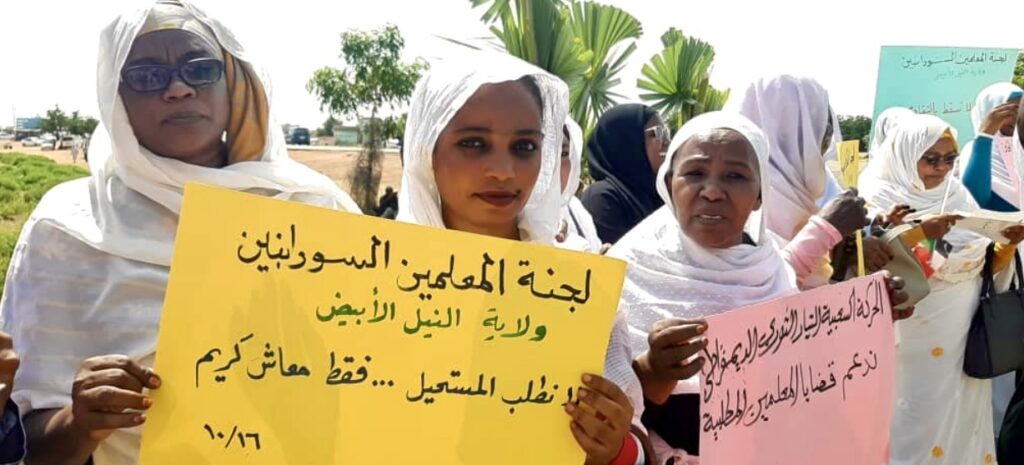 6) Widespread teachers’ strike paralyzes hundreds of schools across Kassala
A continuous strike by public school educators has completely paralysed nearly 700 government schools throughout Kassala State, leaving an estimated 11,000 teachers away from the classroom for a month as they protest unlivable wages and missing compensation.
The industrial action, which commenced on June 7, 2026, has maintained a 90% compliance rate across the state’s education sector. Strike leaders emphasise that the work stoppage will remain firmly in place until the government fulfils all outstanding financial obligations—including overdue bonuses—and makes a substantial adjustment to the baseline salary framework.
Currently, a third-grade public school teacher in the region earns a monthly salary of just 460,000 Sudanese pounds, equivalent to roughly 70 US dollars. This is sharply at odds with a recent cost-of-living index published by the Sudanese Teachers Committee, which calculates that an average family requires roughly 3.485 million Sudanese pounds ($700) per month to survive the current economic crisis.
To break the deadlock, a proposal was floated to obligate student households to pay a monthly fee of 10,000 pounds to directly finance school operations. However, regional parents’ councils overwhelmingly vetoed the measure, declaring that funding public education is an absolute statutory obligation of the state government rather than struggling families.
The labour crisis has rapidly expanded beyond Kassala, severely impacting public school networks in Jazeera, Northern, Khartoum, and Blue Nile states. As tensions mount, organisers report that local authorities subjected striking teachers in Jazeera State to targeted security harassment and intimidation over the weekend.
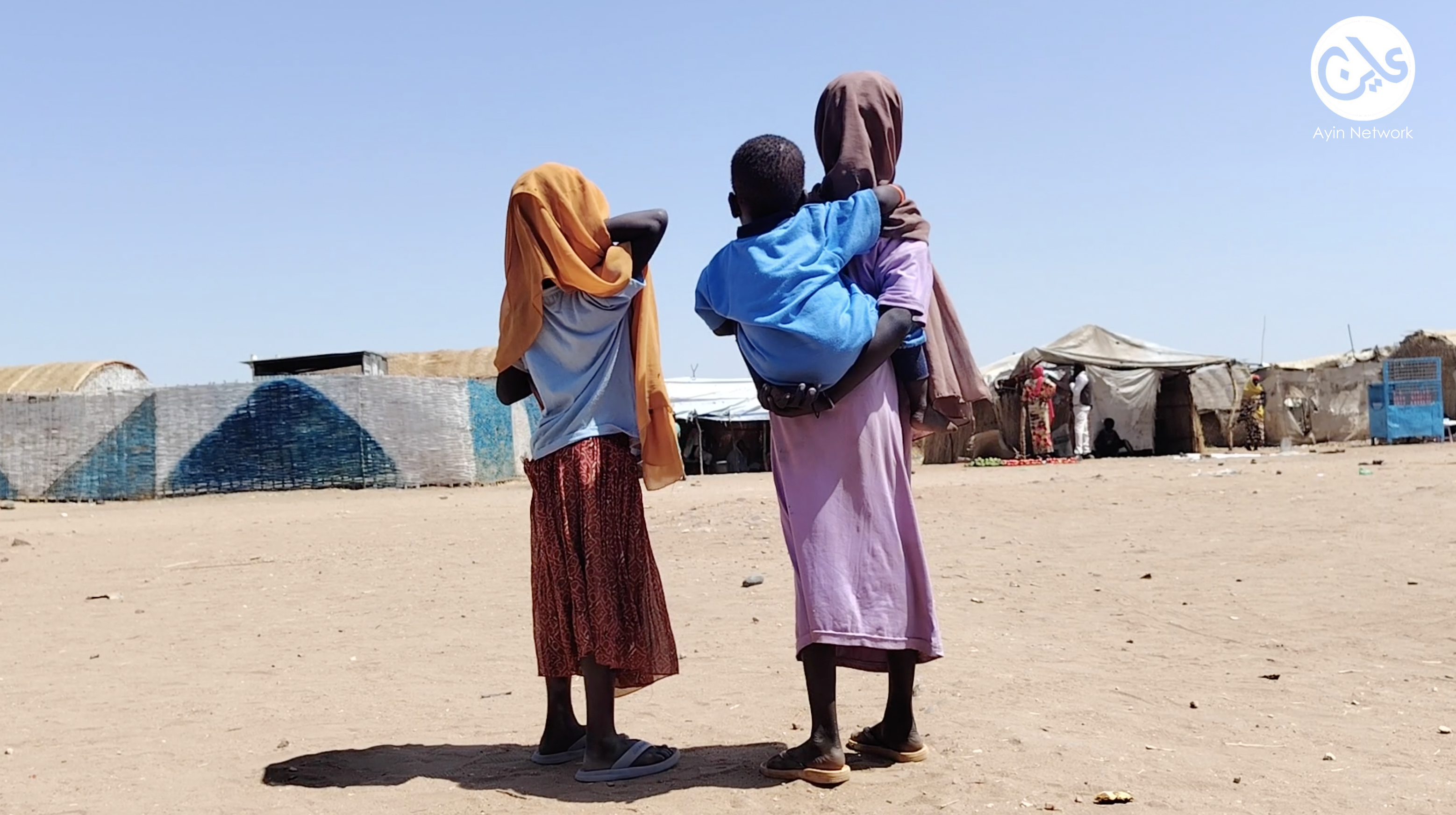
 7) Over 330 children killed or injured in Sudan conflict during first half of 2026
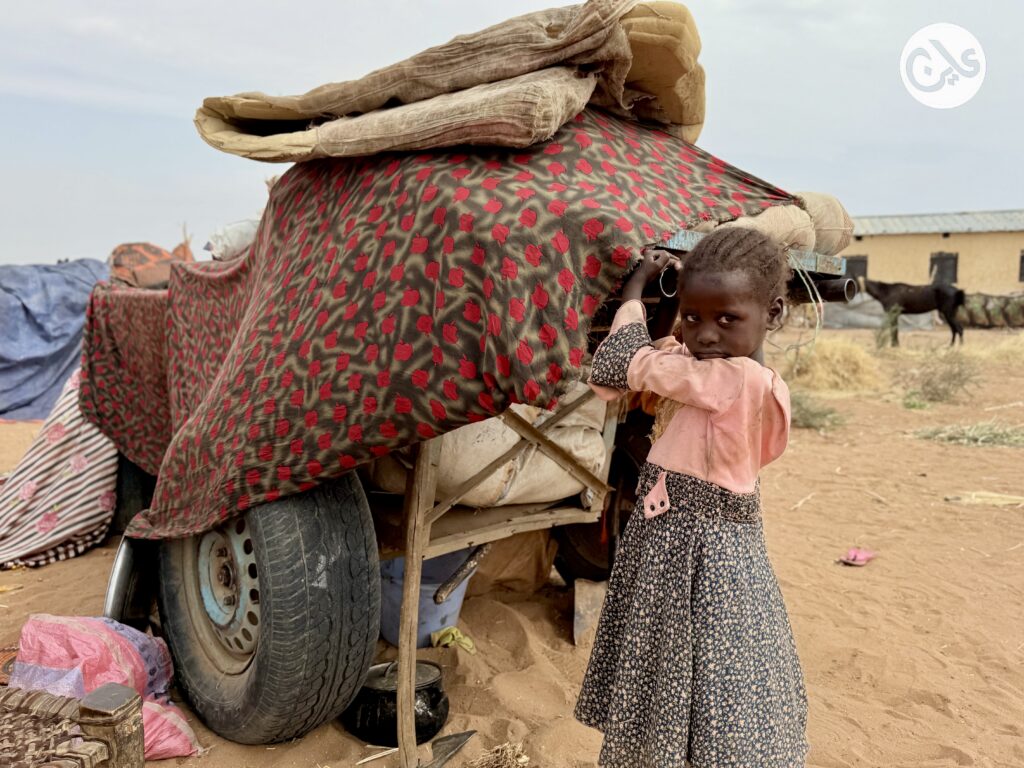
The United Nations Children’s Fund (UNICEF) has revealed a harrowing toll on Sudan’s youth, confirming that at least 330 children were killed or injured across the country during the first six months of 2026. The states of Darfur and Kordofan continue to register the highest concentrations of juvenile casualties.
UNICEF expressed particular alarm regarding the worsening military convergence in and around El Obeid. In North Kordofan alone, localised drone strikes and heavy artillery shelling have inflicted more than 35 child casualties since May, resulting in 18 confirmed fatalities and 17 severe injuries. The ages of the victims span from two-month-old infants to 17-year-old adolescents.
Statistical analysis provided by the agency indicates that drone operations alone account for roughly 60% of these recent casualties. This data highlights how the evolving technical nature of the conflict is directly endangering non-combatants in their homes, neighbourhood marketplaces, and temporary shelters.
UNICEF Representative to Sudan, Sheldon Yate, emphasised that children remain trapped in a destructive cycle of violence, displacement, and systemic deprivation. Yate noted that children are frequently targeted or caught in crossfire while attempting to access basic medical care or educational facilities, stripping them of any authentic safe havens.
Beyond the immediate physical dangers of detonation and shrapnel, the international body warned of severe long-term psychological trauma gripping youth in repeatedly bombarded communities. Furthermore, UNICEF documented a sharp rise in secondary grave violations against minors, including forced military recruitment, abductions, sexual violence, and targeted strikes on hospitals.
 8) ICC deputy prosecutor gathers Darfur violation testimonies in Chad
The International Criminal Court (ICC) has reaffirmed that its investigations into alleged atrocities across Darfur remain an absolute institutional priority. The declaration coincided with a formal field mission by ICC Deputy Prosecutor Nuzhat Shamim Khan to Sudanese refugee camps located in eastern Chad.
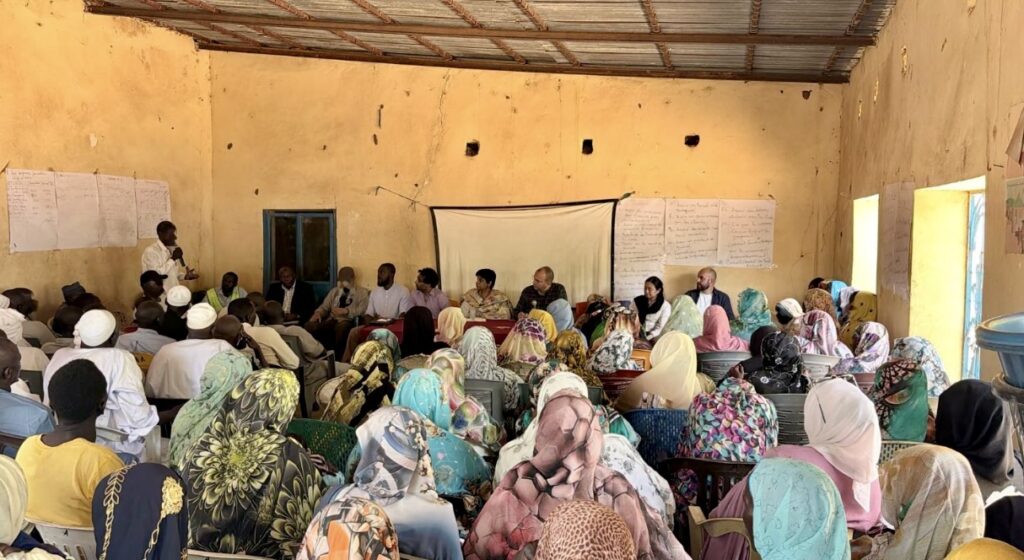
During her visit to the Farshana and Goz Beida encampments, Khan met extensively with displaced Darfuri communities to gather direct eye-witness testimonies. She assured community leaders that the legal cases being built in The Hague are explicitly grounded in the statements of those who survived the violence, emphasising that the court is determined to amplify their voices on the global stage.
Khan reported that her investigative teams have secured critical, high-grade evidence over recent months regarding the widespread atrocities committed during military operations in El Fasher and El Geneina. The compiled dossiers detail extensive patterns of persecution, systemic destruction of civilian infrastructure, and rampant sexual violence directed at women and young girls.
Addressing the traditional structure of accountability, Khan clarified to local leaders that the ICC’s prosecution strategy is not limited to low-level tactical perpetrators. Instead, the Office of the Prosecutor is actively using the collected evidence to identify broader criminal patterns, with the goal of indicting and apprehending high-ranking orchestrators at the top of military command.