

19 May 2026
To keep our readers informed of the multitude of events taking place in Sudan amidst the ongoing, devastating war, we have developed a series of weekly news briefs covering major topics of the week.
In this week’s edition:
- Controversy surrounds government decision to reduce state employees
- Darfur under drone bombardment for a week
- Doctors Without Borders suspects cases of monkeypox in Jebel Marra
- War damaged 20 Sudanese museums and looted 4,000 artifacts, says Unesco
- Central Bank ends circulation of old currencies, experts warn of parallel fiscal systems
- Production shortages and outages plunge Sudanese states into darkness
- UN report calls for expanding solar energy in Sudan
- More than 30 people die from watery diarrhea outbreak in West Kordofan
 1) Controversy surrounds government decision to reduce state employees
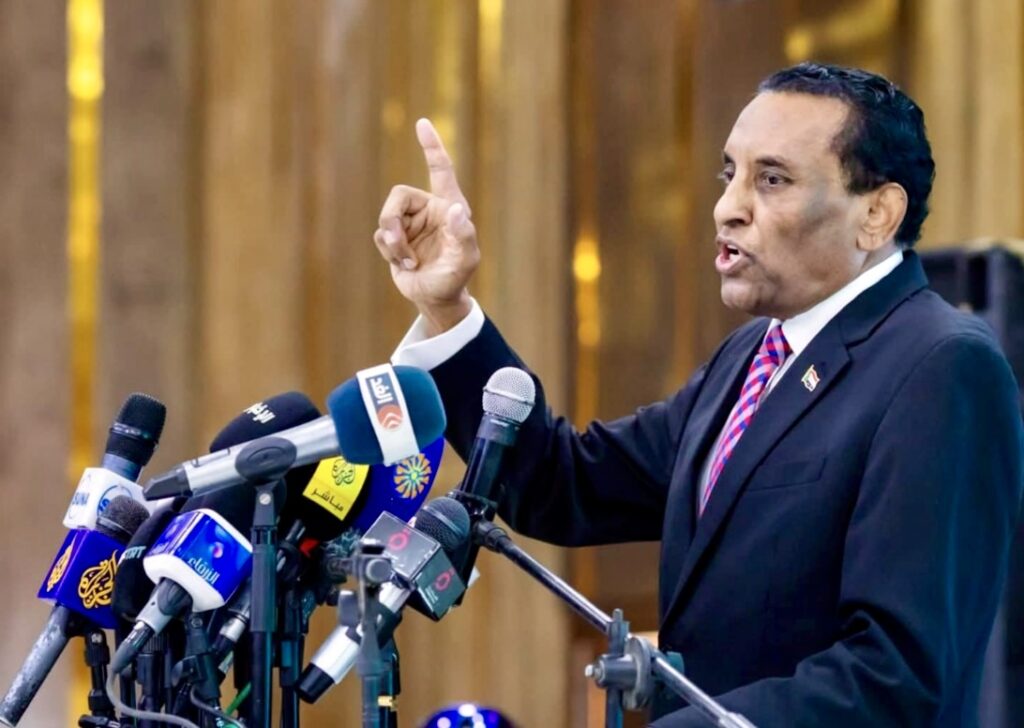
A recent decision issued by the Ministry of Human Resources and Social Welfare to establish a specialised technical committee tasked with counting federal government employees and planning workforce reductions has sparked intense, mixed reactions across Sudan. Enacted under Ministerial Resolution No. (22) of 2026, the mandate includes reviewing civil service conditions, evaluating employees who do not meet early retirement criteria, and recommending workforce downsizing in line with administrative regulations.
The Prime Minister’s office, led by Kamil Idris in the military-controlled government, quickly issued a statement denying reports of widespread, immediate exemptions of state employees. The press office stressed instead that a ministerial committee is currently focused on drafting a comprehensive long-term vision to reform the civil service, enhance institutional performance, and rationalise government spending.
However, the Sudanese Teachers Committee fiercely rejected the government’s narrative, asserting that Ministerial Resolution No. (22) of 2026 “exists and has been published for public opinion.” The group pointed out that the document explicitly outlines a framework for down-sizing and demanded the immediate withdrawal of the committee and its associated administrative procedures.
Sami Al-Baqir, spokesman for the Sudanese Teachers Committee, strongly condemned the timing and authority behind the directive, telling Ayn: “Their rejection of the formation of a committee to enumerate and reduce employees is based on the absence of political and constitutional legitimacy of the existing authority, which makes it unauthorized to make decisions that affect the structure of the civil service.” He maintained that such critical structural overhauls must be negotiated under an elected civilian government and parliament, rather than via top-down decrees during a war.
Al-Baqir further criticised the resolution for lacking an integrated administrative reform plan, noting it fails to audit the actual needs of state institutions or address bloated spending in upper management. He warned that the reduction process is “directed towards junior employees instead of centers of waste and administrative spending,” adding that amid widespread displacement and plunging purchasing power, “the priority should be protecting employees and stabilising the civil service, not cutting jobs.”
Former union leader Mahjoub Kanari also described the initiative as “strange” given the ongoing conflict and parallel state calls for citizens to aid in reconstruction. Speaking to Ayn, Kanari stated that from a labor perspective, the decision represents an outright attack on the livelihoods of thousands of workers. He argued that any legitimate civil service reform “should have been done through broad consultation and the election of committees representing the workers to discuss the decision and its repercussions.”
Kanari warned that the downsizing would trigger fierce resistance from local workers and international bodies, including the International Labour Organization (ILO), due to ratified international treaties protecting workers’ rights. Describing the move as a panicked reaction to war-induced financial pressures rather than genuine administrative reform, he cautioned that terminating thousands of unprepared employees would bring “catastrophic” consequences for vulnerable, displaced families.
 2) Darfur under drone bombardment for a week
Several cities across the Darfur region have endured an intense, week-long wave of drone bombardments, resulting in civilian deaths, injuries, and severe damage to local infrastructure and commercial properties, according to reports from local sources.
Nyala, the capital of South Darfur state, was the hardest-hit municipality, with aerial strikes heavily concentrated on the city centre, northern residential areas, the industrial district, and territories surrounding the airport. The bombardments are believed to have targeted active military installations belonging to the Rapid Support Forces (RSF).
Local sources in Nyala reported that the RSF has been utilising these highly populated civilian zones and commercial centres to store heavy weaponry and house combat personnel. Furthermore, the paramilitary group has reportedly used Nyala International Airport to transport military supplies and relocate high-ranking leaders for nearly two years.
Meanwhile, the city of Melit in North Darfur State was subjected to multiple drone strikes over the week, causing further civilian casualties. Drone strikes hit the southern and western neighbourhoods of the city on Thursday and returned on Saturday, targeting the local police headquarters, a public park, and areas near the Melit water reservoir.
Further west, El Geneina, the capital of West Darfur State, was targeted by drone strikes on Wednesday. According to circulated video footage of the aftermath, the aerial attack directly struck a local fuel market, igniting massive, widespread fires that destroyed nearby small businesses.
 3) Doctors Without Borders suspects cases of monkeypox in Jebel Marra
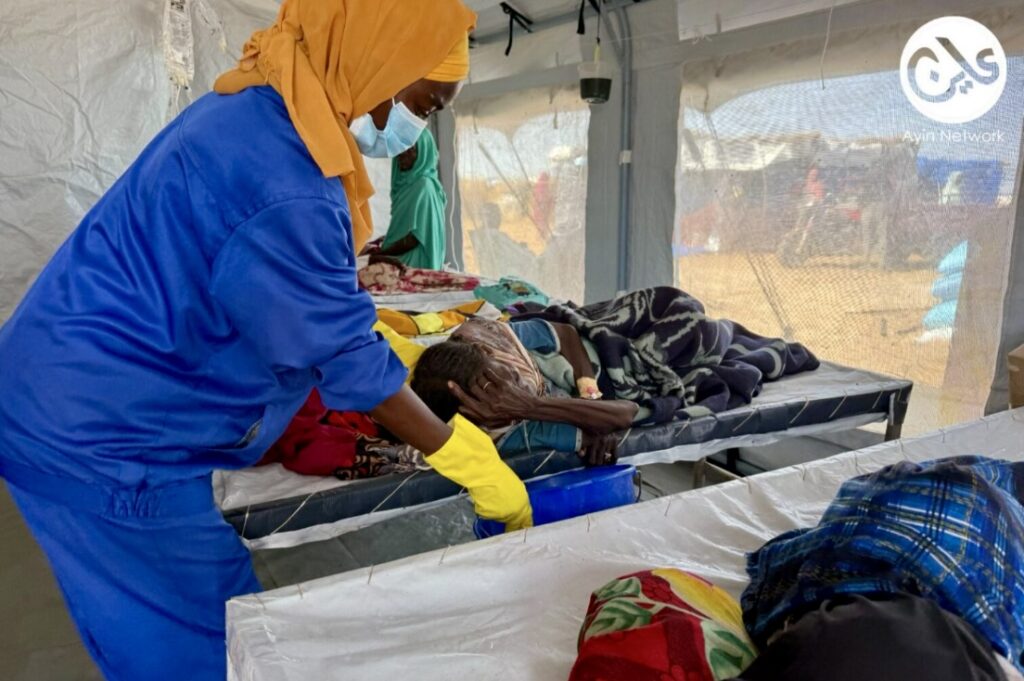
A rapidly deteriorating health crisis is unfolding in the Jebel Marra region of Darfur, where local health authorities and international humanitarian organisations have reported hundreds of suspected cases of highly infectious viral diseases, primarily impacting children.
Ibtisam Abdulrahman, the health official for the civilian authority in territories controlled by the Abdel Wahid al-Nur faction of the Sudan Liberation Army (SLA), revealed that a suspected outbreak of monkeypox has hit the Deira district in East Jebel Marra. Simultaneously, Doctors Without Borders (MSF) confirmed it has treated over 80 suspected cases of monkeypox or chickenpox, alongside more than 100 suspected cases of pertussis (whooping cough) in the region.
Abdulrahman told Ayin that the humanitarian landscape is “deteriorating rapidly due to weak medical capabilities and the difficulty of accessing the affected areas because of the ruggedness of the roads and the interruption of communication and electricity networks.” She added that field response teams face immense challenges in mapping the spread of the disease and compiling an accurate death toll.
According to health authority data, the total number of suspected monkeypox infections has surpassed 200 since the index case was recorded on May 15, 2026, in the village of Sertenga. The epidemic has spread rapidly across the Deira district, which is currently suffering a near-total collapse of its health sector, leaving seven major medical centres entirely out of service due to critical shortages of medicine and personnel.
In response to urgent appeals from the local civil authority, MSF teams have begun mobilising toward hard-hit villages, including Soni and Jawa. However, officials noted that the exceptionally rugged, mountainous terrain of Jebel Marra continues to delay the arrival of emergency medical personnel to several isolated communities.
An MSF official stated that they are closely monitoring the influx of suspected monkeypox cases at primary healthcare facilities in South Darfur. While emergency awareness campaigns are being deployed to protect more than 26,000 families residing in the area, the organisation emphasised that an official outbreak cannot be declared until outstanding laboratory test results are finalised.
 4) War damaged 20 Sudanese museums and looted 4,000 artifacts, says Unesco
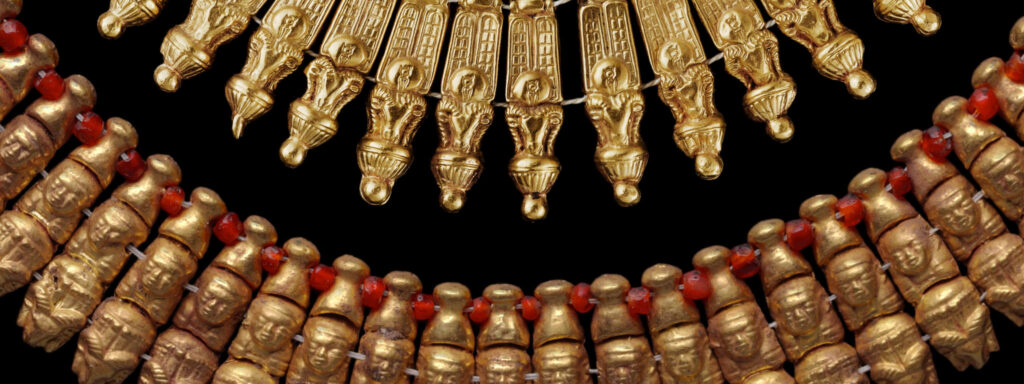
The United Nations Educational, Scientific and Cultural Organization (UNESCO) has announced that the ongoing armed conflict in Sudan has inflicted severe, irreversible damage on the country’s cultural heritage, with at least 20 museums destroyed, looted, or compromised by smuggling networks.
According to an official statement released by the agency, the conflict—which erupted in mid-2023—has led to the catastrophic loss of more than 4,000 rare artefacts from the Sudan National Museum in central Khartoum alone. The missing pieces represent a devastating blow to historical documentation of ancient Nubian, Islamic, and African civilisations.
UNESCO Director-General Khaled El-Enany emphasised the profound social cost of the destruction, explaining that museums represent spaces for dialogue and community interaction, and contribute to building common visions despite differences. He affirmed the international body’s absolute commitment to safeguarding remaining collections, recovering stolen cultural property, and combating illicit trafficking networks.
Junaid Soroush, UNESCO’s representative to Sudan, echoed these concerns, noting that protecting historical repositories directly safeguards national memory and identity. Soroush stated that despite the ongoing violence, “museums remain a symbol of unity and resilience for the Sudanese people.”
In response to the emergency, UNESCO has deployed financial aid through its Heritage Emergency Fund to conduct rapid damage assessments at five major regional museums, including Kerma, Jebel Barkal, the Red Sea Museum, Ad-Damir, and Sennar. Urgent interventions have included creating a digital inventory of 1,737 artifacts, relocating vulnerable collections to safer zones, and training 40 local specialists in debris removal and explosive ordnance disposal to secure the historic sites.
Furthermore, the organisation has intensified its anti-trafficking programs, training approximately 500 workers across Sudan’s heritage, customs, judiciary, and law enforcement sectors to better identify smuggled antiquities and secure border controls. Despite these efforts, serious concerns persist, as the military-backed Sudanese government has yet to publish a cohesive national strategy to track and recover the country’s looted heritage.
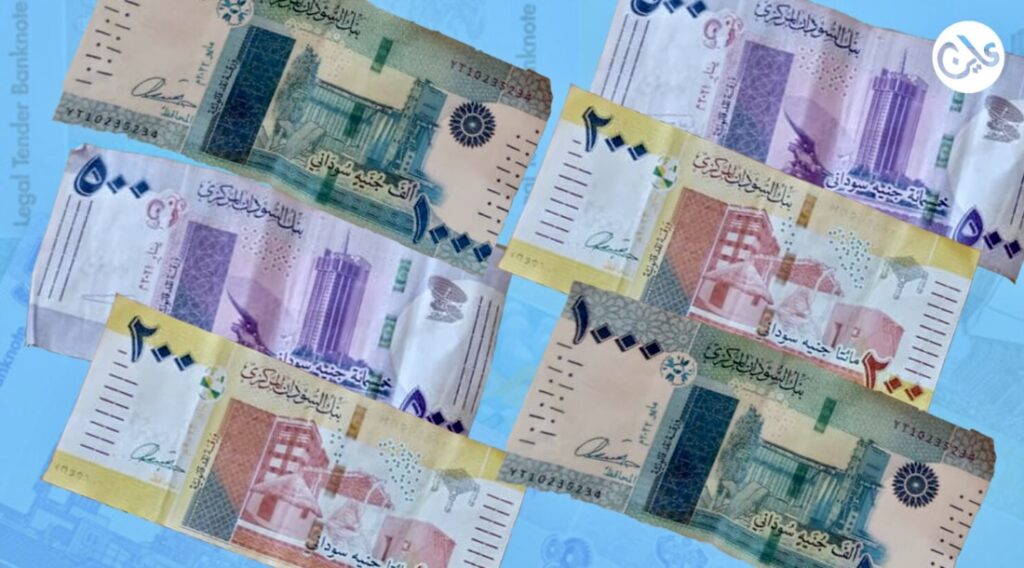 5) Central Bank ends circulation of old currencies, experts warn of parallel fiscal systems
The Central Bank of Sudan officially concluded its currency replacement process for old 500 and 1,000 Sudanese pound bank notes in Khartoum, Al-Jazirah, and White Nile states on Friday, May 15, 2026. However, economic experts are raising alarms that the policy could split the war-torn nation into two separate financial systems.
The Central Bank has been gradually withdrawing the old denominations in a phased rollout across army-controlled states since late 2024. While the bank stated that old notes will temporarily remain legal tender in conflict zones until security conditions permit an exchange, the financial future of regions controlled by the Rapid Support Forces (RSF) in Darfur and Kordofan remains highly ambiguous.
Financial analysts warn that the move threatens to solidify a dual monetary system. Economic analyst Mohamed Ibrahim told Ayin: “There are serious concerns that the transitional government loyal to the Rapid Support Forces will resort to printing its own currency to solve the cash liquidity crisis in Darfur and parts of Kordofan, given the blocking of access to the new banknotes issued by the Central Bank of Sudan.”
Ibrahim noted that the RSF has withheld recognition of the Central Bank’s new currency and may violently resist its adoption by introducing alternative banknotes printed with the assistance of regional allies. Currently, digital banking applications remain the sole financial bridge between the fractured territories, facilitating baseline commerce through technical accounts that bypass traditional cash transfers.
Omar Abshar, a researcher in financial and economic policies, added that citizens living in RSF-controlled territories are increasingly forced to utilize whatever currencies are physically available to survive. This has led to the unregulated use of foreign currencies from neighboring Chad, South Sudan, and the Central African Republic, alongside limited quantities of the US dollar.
Abshar warned Ayin that these ad-hoc market adaptations will have long-term consequences, concluding that “over time, there will be two monetary authorities in Sudan because the Bank of Sudan has not clarified the status of the areas under the control of the RSF in detail.”
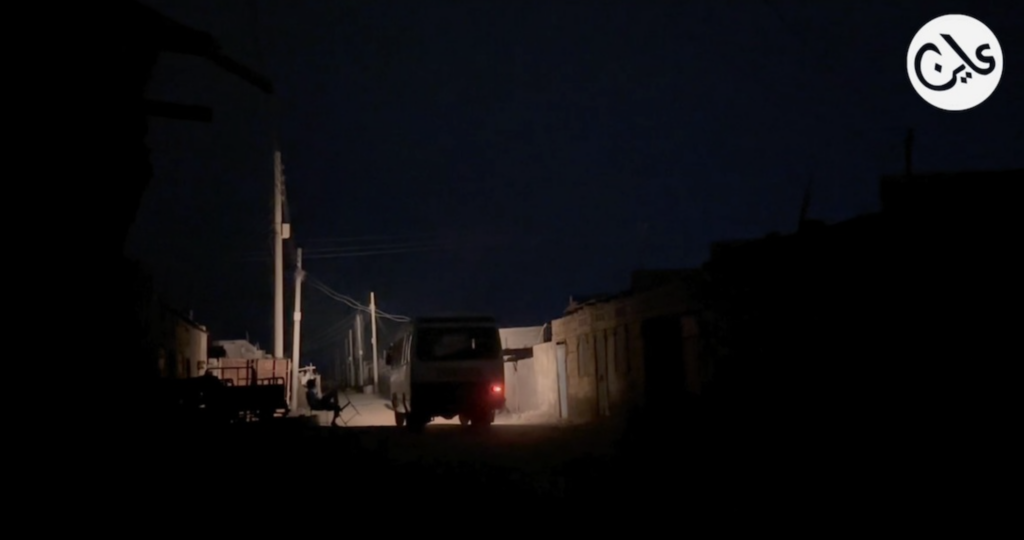 6) Production shortages and outages plunge Sudanese states into darkness
Severe electricity production shortages and widespread grid failures have plunged eastern, northern, and central Sudanese states into rolling blackouts lasting over 40 hours. The protracted power cuts have severely disrupted vital municipal infrastructure, triggering acute drinking water shortages across multiple neighborhoods in the capital.
The massive blackout began over the weekend when a sudden mechanical malfunction crippled the Al-Muqran substation in Atbara, cutting power entirely to the Red Sea and Nile River states. Although specialized technical teams managed to repair the substation by Sunday, residents in the major hub of Port Sudan reported that electricity services have steadily deteriorated for months.
In Khartoum, the prolonged power outages have coincided with extreme summer weather, with temperatures regularly soaring past 40 degrees Celsius. The blackouts have incapacitated local water treatment plants, leaving thousands of households without running water and forcing residents in districts like Omdurman to search public facilities for clean water.
Exacerbating the utility crisis, domestic fuel prices spiked again last week, hitting 45,000 Sudanese pounds for a gallon of diesel and 35,000 pounds for a gallon of gasoline in Khartoum. In White Nile State, the price of a gallon of diesel climbed to an unprecedented 50,000 pounds, marking an uninterrupted upward trajectory since March.
The structural decay of the grid was quantified in a comprehensive study published by the United Nations Development Programme (UNDP) on Monday, May 18, 2026. The report revealed that Sudan’s electricity sector has sustained an estimated $3 billion in losses due to systematic looting, sabotage, and the targeted destruction of generation and transmission networks since the onset of the conflict.
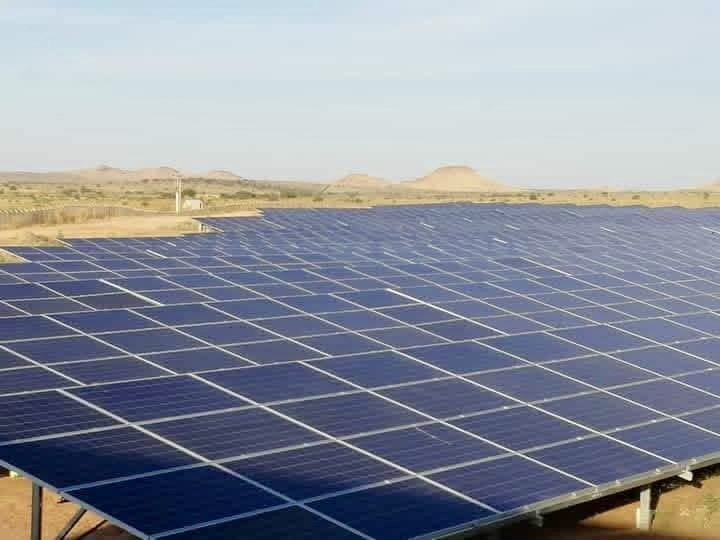 7) UN report calls for expanding solar energy in Sudan
A new study published by the United Nations Development Programme (UNDP) on May 18, 2026, indicates that solar energy has emerged as a vital option for the survival of farms, small businesses, and households across Sudan. The transition comes in response to the severe degradation of the national electrical grid caused by ongoing warfare.
According to the data, the broader Sudanese economy has contracted by more than 40 percent. With the traditional power grid suffering $3 billion in conflict-related damages, the agricultural, healthcare, and commercial sectors have increasingly abandoned traditional electricity and expensive diesel generators in favor of solar alternatives since the start of 2024.
Luca Renda, the UNDP Resident Representative in Khartoum, stated that solar energy has effectively become “essential infrastructure” in modern Sudan. He emphasised that solar installations are currently keeping vital public services online—including agricultural irrigation systems, medical vaccine preservation, and small business operations—even amidst active conflict.
However, the UNDP study cautioned that the renewable energy sector still faces steep structural challenges. Chief among these obstacles are prohibitive upfront procurement costs, weak domestic financing options, a rapidly depreciating local currency, shipping bottlenecks at Port Sudan, internal transport hazards, and a shortage of engineers due to mass migration.
To sustain the solar transition, the UN report outlines a package of urgent regulatory reforms. It calls on Sudanese authorities to simplify customs procedures, grant tax exemptions for approved solar components, expand technical training programs, and establish an emergency national fund to shield consumers from currency fluctuations.
The study ultimately proposes an innovative community-based solar model financed through Sharia-compliant instruments and sustained via prepaid systems, allowing low-income families to access power without high setup fees. Highlighting past success, the UNDP noted its programs have already installed 300 solar irrigation networks and powered 110 health facilities, directly stabilizing the livelihoods of 800,000 people.
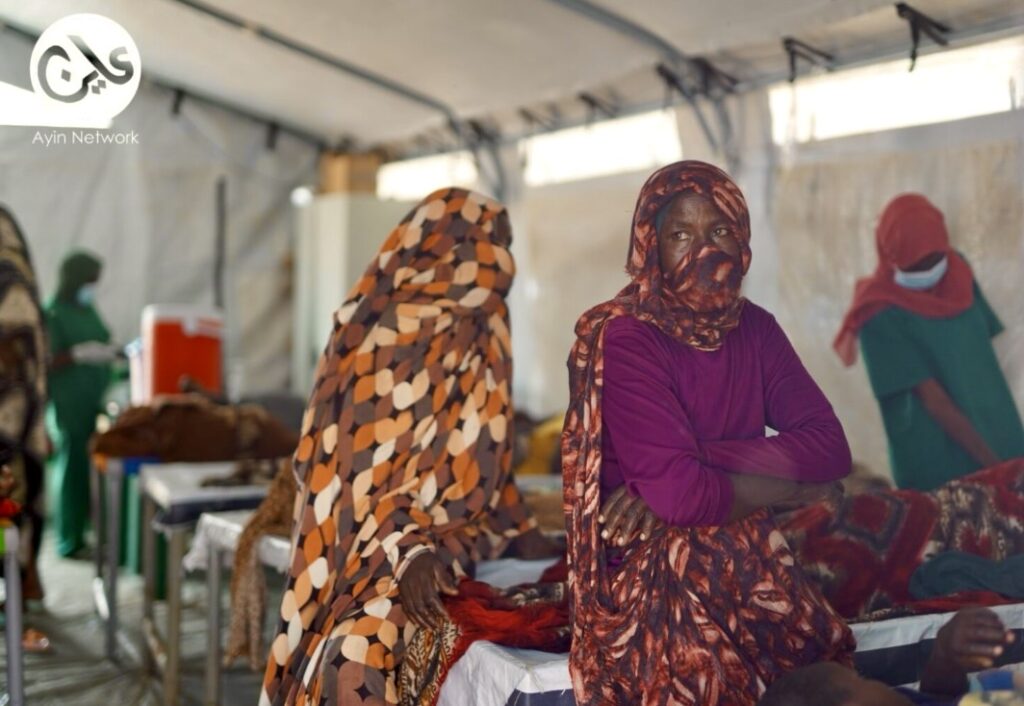 8) More than 30 people die from watery diarrhea outbreak in West Kordofan
A severe outbreak of acute watery diarrhea has claimed the lives of more than 30 people in the Fuga area of Al-Nuhud locality, situated within West Kordofan state. Local sources report that total infections have quickly surpassed 70 cases as health conditions continue to decline rapidly.
The affected Fuga area, located 163 kilometres west of Al-Nuhud city, lies within territory controlled by the Rapid Support Forces. Like much of the region, it is suffering from a complete breakdown of municipal services, an unprecedented security vacuum, a critical shortage of medical personnel, and a total absence of essential intravenous fluids.
While laboratory diagnostics are still underway, local sources strongly suggest that the outbreak is driven by contaminated drinking water. Due to the collapse of local infrastructure, residents must travel long distances to fetch water from deep wells, which is then stored for long periods in unhygienic conditions.
In response to the widening crisis, the Ministry of Health in the established government announced immediate emergency mobilisations to contain the disease. At a press conference on Sunday, Minister of Health Alaa El-Din Awad Naqd stated that seven cases and two deaths had been officially recorded in government-monitored sectors, characterised by severe vomiting and watery diarrhea.
Minister Naqd explained that rapid response teams have been deployed to isolate contacts, monitor local water sources, and distribute life-saving therapeutic fluids. He added that the ministry is treating the outbreak as a suspected case of cholera as a strict precautionary measure until final epidemiological verification is completed.
The Ministry of Health has urged all citizens to seek immediate medical attention at the nearest operational healthcare centre if they or their families exhibit any symptoms of acute diarrhea, warning that delaying treatment dramatically increases the risk of fatal complications.