

14 April 2026
To keep our readers informed of the multitude of events taking place in Sudan amidst the ongoing, devastating war, we have developed a series of weekly news briefs covering major topics of the week.
In this week’s edition:
- Rapid Support Forces mass fighters at ethiopian airport for Blue Nile offensive
- Sudan’s certificate exams begin amid controversy and student displacement
- Islamist militia rebrands to new name on social media to bypass international sanctions
- Sudden hike in customs dollar threatens to paralyse Sudanese markets
- Drone strikes target civilian gatherings and markets across Darfur
- Senior rapid support forces commander defects to the Sudanese army
- Al-Burhan reshuffles military leadership to strengthen authority
- Illegal gold trade costing Sudan billions in annual revenue
- Famine looms as millions in sudan survive on one meal a day
- South kordofan becomes the most active front in the Sudanese war
 1) Rapid Support Forces mass fighters at ethiopian airport for Blue Nile offensive
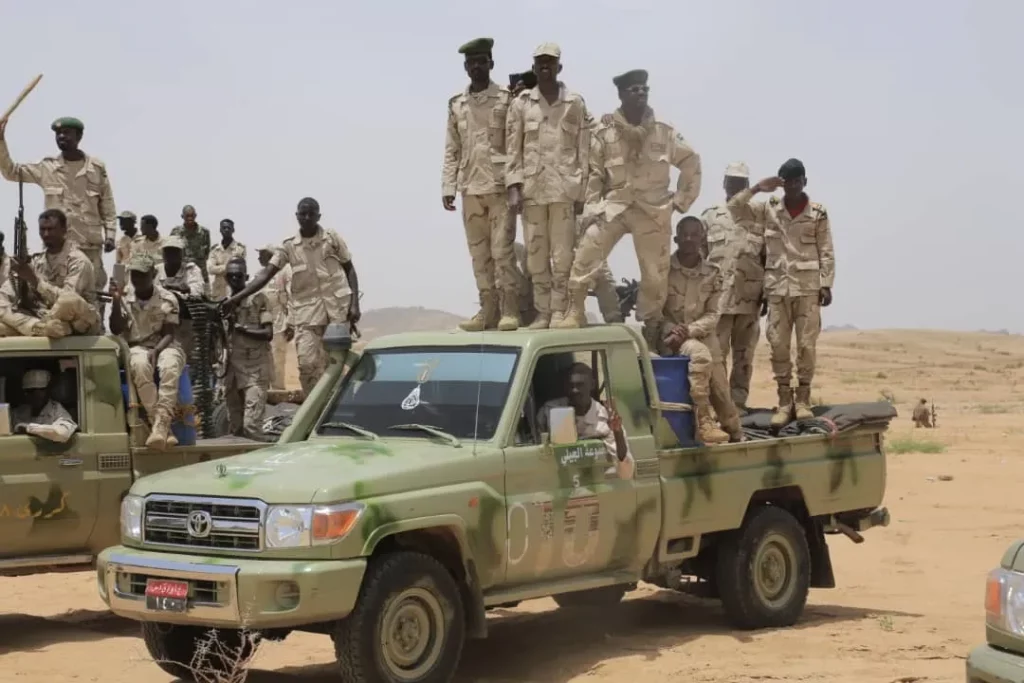
A diplomatic source has revealed that Ethiopia’s Asosa Airport is currently a hub of intense military activity, with Rapid Support Forces (RSF) personnel being airlifted to the region in large numbers. This buildup in the Benishangul-Gumuz area is viewed as a strategic preparation for a major offensive in the Blue Nile region, which sits directly across the Sudanese border. The movements indicate that this eastern front will likely witness a significant escalation in the coming weeks.
The diplomatic source, who has close ties to the African Union, told Ayin that the RSF is currently using a main camp in the Assosa area as a staging ground. Estimates suggest that the group plans to deploy between 7,000 and 10,000 fighters to this sector. These manoeuvres follow previous reports from February 2026, which indicated that the RSF was using Ethiopian territory to launch tactical operations against Sudan’s army in the Blue Nile.
The Sudanese Foreign Ministry has formally accused the Ethiopian government of hosting these camps, claiming they serve as launchpads for both ground assaults and drone strikes. Despite the lack of official comments from Addis Ababa, reports indicate that significant external funding sustains these cross-border military activities.
On the defensive side, Major General Al-Tayeb Ismail, commander of the Sudanese Army’s 4th Infantry Division, recently addressed the situation from the city of Damazin. He emphasised that the armed forces would not cease operations until the RSF revolted and allied forces, such as those led by Joseph Tuka, were completely neutralised. His stance reflects the military’s determination to hold the Blue Nile front against the encroaching RSF units.
While the army continues to welcome those who choose to defect or lay down their weapons, the scale of the RSF buildup suggests a prolonged engagement is likely. The diplomatic source reiterated that a comprehensive national ceasefire is unlikely to halt these escalating military operations. For now, the focus is on strategic manoeuvres at the Ethiopian border, which could reshape the conflict’s eastern theatre.
 2) Sudan certificate exams begin amid controversy and student displacement
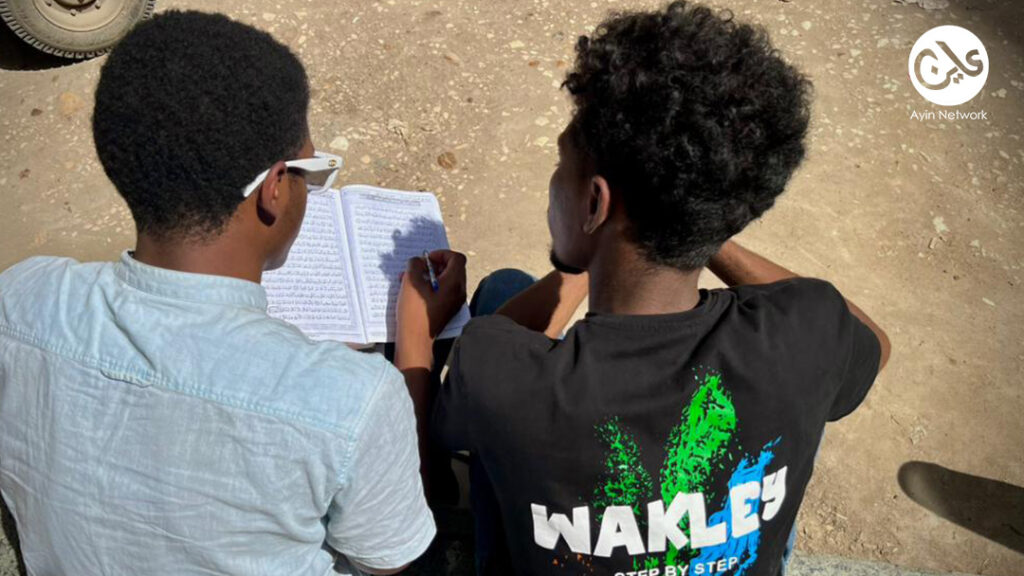
The Sudanese government has officially launched national secondary school certification exams across 3,330 centers, despite heavy criticism from educational advocates. Critics argue that the government has ignored the plight of approximately 280,000 students living in areas controlled by the Rapid Support Forces (RSF) in Darfur and Kordofan. The decision to proceed has sparked a debate over the fairness of a national exam that excludes nearly a third of its eligible candidates.
The National Initiative to Save the Future of Sudanese Certificate Students had previously proposed a delay to find a “middle ground” that would allow all students to participate. They sought a uniform examination procedure that would maintain the country’s educational standards without penalising those trapped in conflict zones. However, the military-led government chose to move forward, focusing on the 560,000 students who were able to register and reach testing centres.
Logistical challenges have plagued the process, particularly for Sudanese students who are refugees from neighbouring countries. In Uganda and Kenya, families reported paying up to $200 USD in administrative fees just to secure a seat for their children. For many displaced families who have already lost their livelihoods, these costs are prohibitive, yet the Sudanese government and international donors provide almost no support.
To maintain exam integrity, the Ministry of National Education has implemented daily internet blackouts during the afternoon hours. Between 2:00 PM and 5:00 PM, internet services are suspended nationwide to prevent the sharing of answers or the leaking of exam papers via social media. While authorities claim these measures are necessary, they add a layer of disruption to a population already struggling with limited communication.
In international centres, like Dubai, the process has been even more chaotic. The Sudanese consulate unexpectedly postponed exams until May due to local classroom suspensions, leading to sharp rebukes from teacher committees. These committees accused the consulate of financial exploitation and a lack of foresight, noting that students were charged significant fees without any guarantee of a stable testing environment.
 3) Islamist militia rebrands to new name on social media to bypass international sanctions
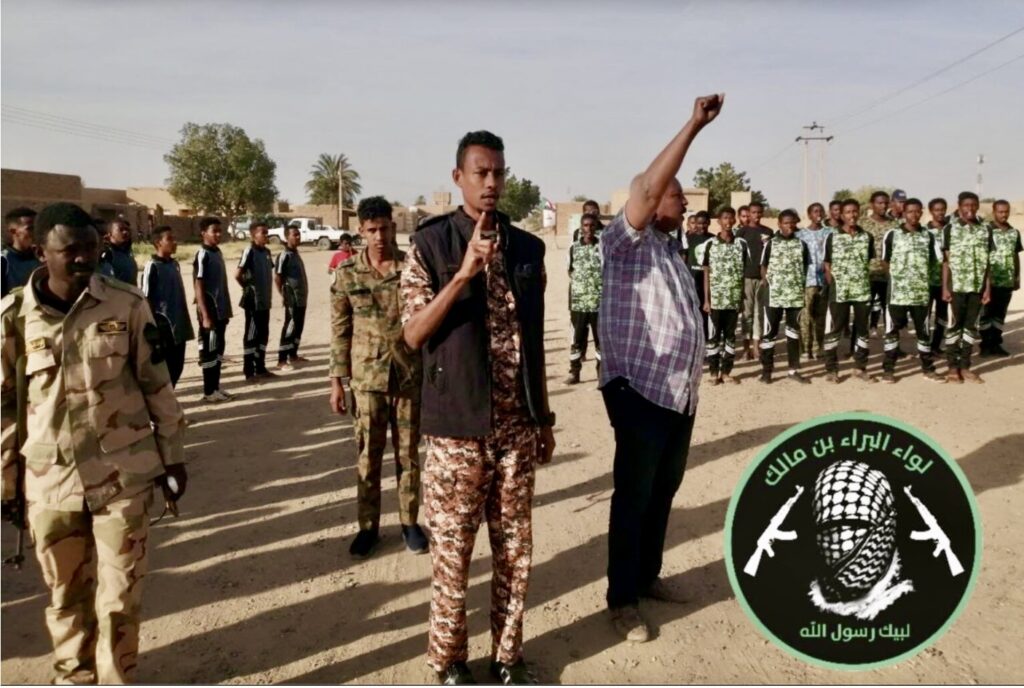
The Al-Baraa Bin Malik brigade, an Islamist militia allied with the Sudanese army, has quietly changed its name to the “Support Forces” on social media. Widely interpreted as a move to evade U.S. sanctions and circumvent a ban from platforms like Facebook, this strategic rebranding has garnered significant attention. The group’s regional accounts have transitioned to the new name without official announcements, following their inclusion on international watchlists.
The brigade, led by Misbah Abu Zaid Talha, has played a prominent role in the war, framing its participation as a religious mission. Talha recently toured several states to mobilise recruits, highlighting the group’s integration with the Sudanese army’s broader war effort. Despite the name change, the group’s core mission of fighting the RSF remains unchanged, and its media presence continues to serve as a primary tool for recruitment and propaganda.
Digital experts have noted that the name changes began shortly after the U.S. Treasury Department imposed financial embargoes on the brigade in late 2025. Facebook subsequently placed the group on its removal list, prompting the militia to adopt the “Support Forces” moniker to stay online. By shifting their digital identity, they have managed to keep several communication channels open, providing updates on military operations and local resistance efforts.
The U.S. government has linked the brigade to the Sudanese Muslim Brotherhood and alleged ties with Iran, citing these relationships as the basis for the 2026 sanctions. These designations mean that any entity dealing with the group could face legal and financial repercussions in the United States. The rebrand is therefore a tactical necessity for the group to maintain its logistical and financial networks in a globalised economy.
The “Support Forces” continue to be active in sectors like Wadi Halfa and White Nile, where they participate in military ceremonies and receive combat equipment. Local reports indicate that their second-in-command recently attended a handover of military vehicles, reinforcing their status as a key auxiliary force for the army. The name change may shield them from immediate digital deletion, but their operational footprint remains a focal point for international monitors.
 4) Sudden hike in customs dollar threatens to paralyse Sudanese markets
The Sudanese Ministry of Finance and Economic Planning has implemented a sharp increase in imports, raising the tariff rate from 2,800 to 3,222 pounds. This sudden policy shift, enacted on April 10, caught many traders and customs brokers by surprise at border crossings and airports. The increase is likely to trigger a chain reaction, driving up the cost of all imported goods and exacerbating the country’s skyrocketing inflation.
The Importers Chamber has reacted with strong criticism, noting that the government has raised this tariff nine times since June 2021. According to the chamber’s head, Al-Sadiq Jalal Al-Din, the total increase over the last five years has reached an astronomical 11,410%. He warned that such aggressive fiscal measures are destroying the purchasing power of the average citizen and pushing the business sector toward a total collapse.
Economic analysts propose that the government finds itself in a “vicious cycle” of increasing taxes to address a growing trade deficit. The state’s reliance on customs duties for revenue inadvertently triggers a recession, forcing consumers to forgo even basic necessities. Experts argue that the current policy of exchange rate liberalisation requires a complete overhaul to prevent further macroeconomic damage.
The impact of the hike is particularly dire for the pharmaceutical sector. Since many life-saving medicines are imported, the increased customs fees will make essential treatments unaffordable for a large segment of the population. This has led to fears of a burgeoning public health crisis, as families are forced to choose between food and medicine in an increasingly expensive market.
Despite the widespread outcry, the Ministry of Finance has remained silent on the reasoning behind the timing of the increase. The ongoing war is draining the state’s finances, leading the government to prioritise immediate revenue collections at all costs. However, economists warn that the long-term cost of this policy—in terms of market stability and social welfare—may far outweigh the short-term financial gains.
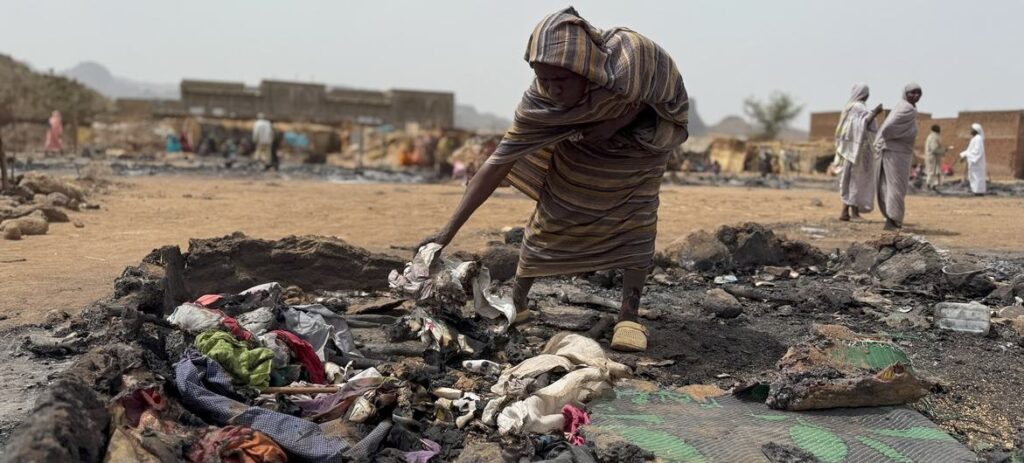 5) Drone strikes target civilian gatherings and markets across Darfur
The conflict in Darfur has seen a deadly spike in drone warfare, with at least 60 civilians killed in a series of strikes over the past week. In Al-Daein and El Geneina, attacks on Sunday and Monday resulted in 30 deaths, while a separate strike on a wedding in Kutum claimed an additional 30 lives. These incidents have drawn international condemnation, as they point to a recurring pattern of targeting non-military sites.
In Al-Daein, the local Ministry of Health reported that a drone strike hit a group of environmental sanitation workers during a cleanup campaign. The attack not only killed the workers but also several members of a nearby family. The incident has left the local community in shock, as the workers were involved in humanitarian efforts coordinated with international organisations to improve local sanitation.
The “Customs Market,” a bustling commercial hub in El Geneina, was the target of the strike, resulting in the instant death of nine people. According to “Emergency Lawyers,” a human rights group, these attacks are part of a systematic campaign that targets residential neighbourhoods and civilian transportation routes. They argue that these actions constitute a flagrant violation of international humanitarian law, as they show no regard for the distinction between combatants and civilians.
The massacre at the wedding in Kutum, North Darfur, has become a grim symbol of the war’s systematic brutality. Witnesses described a scene of chaos as a drone bombed the gathering, turning a celebration into a mass casualty event. This follows a trend monitored by local groups where social events and markets have become frequent targets for aerial bombardment by both sides of the conflict.
United Nations reports indicate that over 500 civilians have been killed in airstrikes in the past three months, with Darfur and Kordofan bearing the brunt of the violence. The escalation in drone technology has allowed warring parties to strike deep into civilian areas with high precision, yet the lack of accountability remains a primary concern for the international community. As the war enters its fourth year, the destruction of civilian infrastructure continues to accelerate.
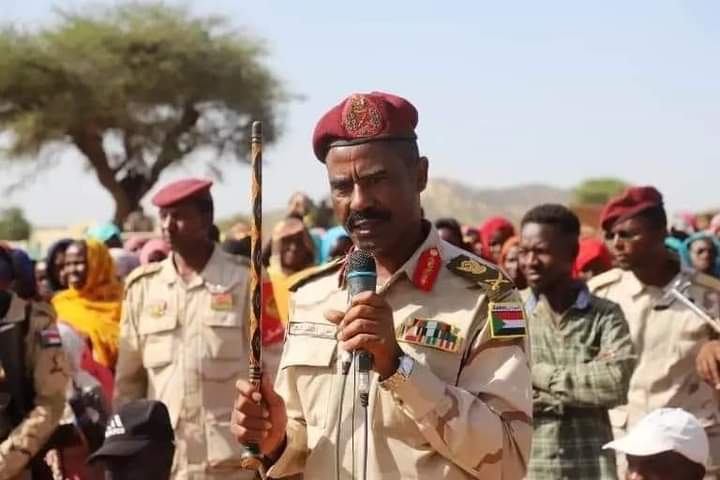 6) Senior rapid support forces commander defects to the Sudanese army
Major General Al-Nour Mohamed Adam, a high-ranking commander in the Rapid Support Forces known as “Al-Nour Qubba”, has announced his defection to the Sudanese army. Sources indicate that he joined the military along with a large force and significant military hardware. Unlike other defectors, Qubba has remained in North Darfur, positioning himself in areas outside of RSF control rather than retreating to the Northern State.
Qubba’s move is reportedly part of a larger shift in tribal loyalties, closely linked to the influential leader Musa Hilal. Hilal, who heads the Mahamid tribe, broke ties with the RSF earlier this year after the militia attacked his home base and killed several of his relatives. Reports suggest that the two leaders are now coordinating their military efforts to support the army while securing their own political future in the region.
The defection is a significant blow to the RSF’s presence in Darfur, as Qubba commands respect within the Mahamid tribe—a key demographic for the militia’s recruitment. By aligning with the army, he provides the military with localised intelligence and a seasoned fighting force that knows the terrain. This shift is expected to bolster the army’s position in the strategic border town of Al-Tina.
Musa Hilal, since joining the army-controlled areas, has been working to build a military coalition that can challenge the RSF’s dominance in the west. He has held several high-level meetings with General Al-Burhan in Port Sudan, aiming to integrate his forces into the national defence structure. The defection of a commander as senior as Qubba validates Hilal’s efforts to erode the RSF’s tribal support base.
The Sudanese government has been quick to capitalise on these defections, presenting them as proof of the RSF’s internal fragmentation. While the RSF has attempted to downplay the loss, the departure of key tribal leaders suggests a growing dissatisfaction with the militia’s leadership and tactics. For the army, these defections are essential for reclaiming territory in the Darfur region without relying solely on traditional infantry.
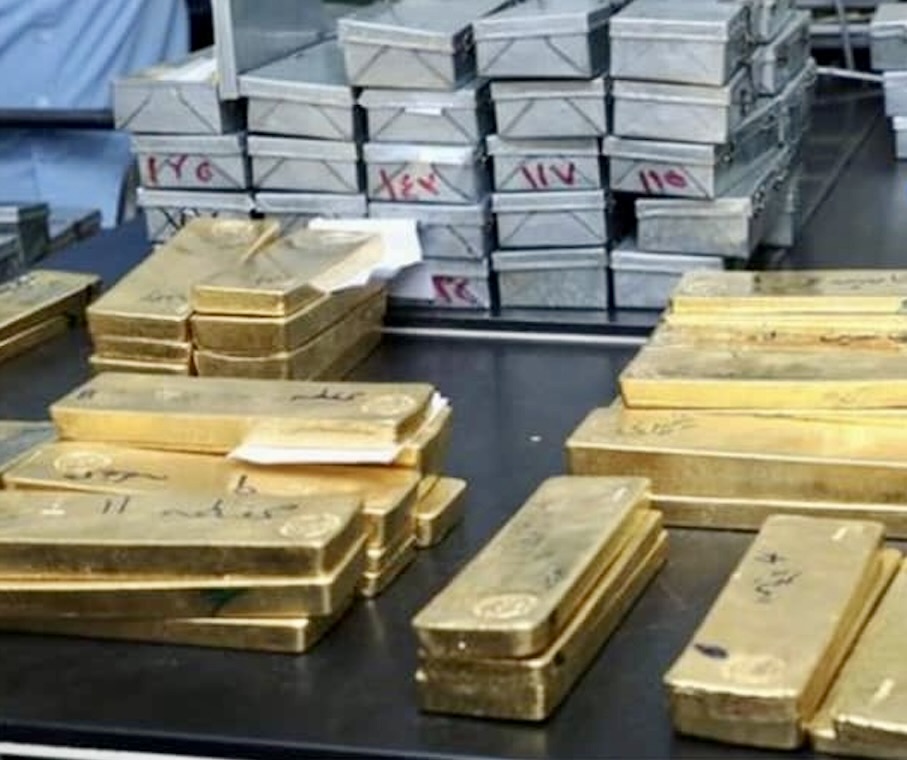 7) Illegal gold trade costing Sudan billions in annual revenue
The Gold Exporters Division has called for an urgent government intervention to halt the “chaos” in the mining sector, which they claim is bleeding the national economy. According to the division’s chairman, Abdel Moneim Al-Siddiq, currency speculators and illegal traders are syphoning off billions of dollars in gold revenue every year. This massive loss has prevented the state from stabilising its trade balances and funding essential imports.
Statistics from the Central Bank of Sudan reveal a staggering gap between production and official exports. While the country produces approximately 70 tonnes of gold annually—valued at roughly $6 billion—official export reports only account for $2 billion. This leaves a $4 billion discrepancy that is believed to be lost to the black market and smuggling rings operating outside of government control.
Al-Siddiq accused traders in the foreign exchange market of seizing control of gold production to serve private interests rather than the national treasury. By linking gold sales to black-market currency speculation, these groups are able to manipulate prices and avoid official oversight. The division is calling for a transparent investigation and an immediate ban on these unofficial trading practices.
The economic impact of this lost revenue is profound, as it denies the state the hard currency needed to buy fuel and petroleum products. The Gold Exporters Division contends that proper regulation of the sector would enable the government to easily finance these imports and lower the cost of living. Instead, the lack of oversight has allowed a small group of speculators to profit while the national economy continues to struggle.
The call for reform comes as the government faces mounting pressure to find new revenue sources to fund the ongoing war. Many believe that the gold sector holds the key to Sudan’s economic recovery, but only if the authorities can contain the “chaos” in the mining regions. For now, the division is waiting for a formal response from the Sovereignty Council to implement the necessary deterrents against illegal traders.
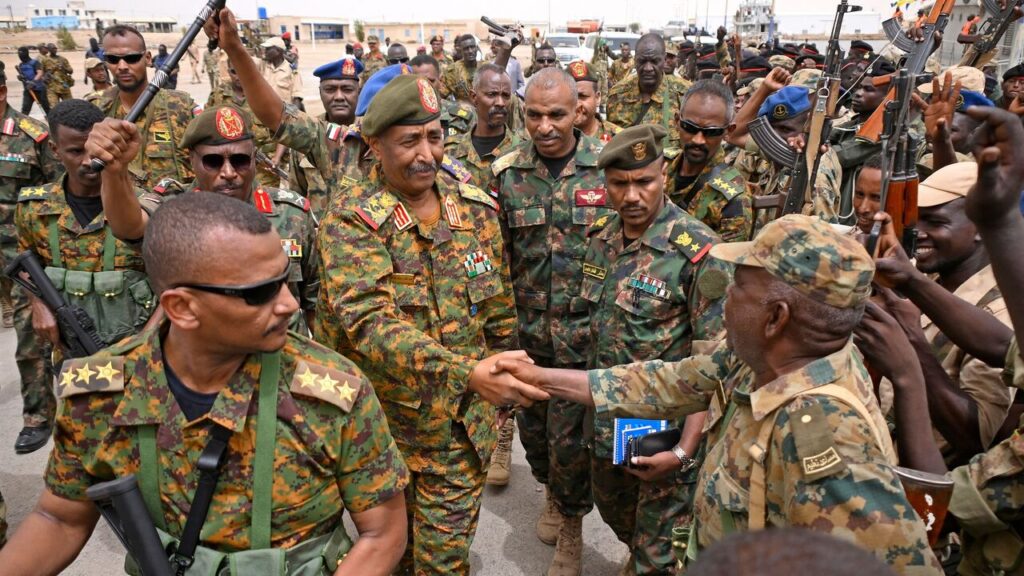 8) Al-Burhan reshuffles military leadership to strengthen authority
General Abdel Fattah al-Burhan has implemented a major reorganisation of the Sudanese army’s top leadership, including key changes to the office of the Commander-in-Chief. Among the new appointments is Major General Tariq Saud Hassoun, who will now serve as the director of the office for the Chairman of the Sovereignty Council. These moves represent a strategic effort to consolidate power within the military’s inner circle, analysts say.
The reshuffle also included the transfer of Major General Adel Sabdarat and Major General Mohi El-Din Sayed Ahmed to high-ranking administrative and training positions. A military source described these changes as “routine,” noting that they had been under review for several months. However, the timing suggests that Al-Burhan is preparing the military for a centralised decision-making process as the war enters a new phase.
One of the most consequential decisions was the appointment of Yasser al-Atta as the Chief of Staff of the armed forces. Al-Burhan defended this choice by highlighting Al-Atta’s leadership during the siege of the General Command in Omdurman. He emphasised that the appointment was based more on merit and the ability to maintain troop morale than on tribal or regional considerations.
Security experts believe these transfers are part of a broader plan to pave the way for major constitutional changes. There are reports that Al-Burhan may be preparing to form a “Supreme Council of the Armed Forces” and potentially abolish the current Sovereignty Council. Such a move would further centralise military and political power under his direct command.
Official military media platforms announced these promotions and transfers, signalling a new level of transparency in the army’s internal affairs. Al-Burhan seems to be gearing up for a prolonged engagement with the RSF by fortifying his inner circle. The reshuffle ensures that his most trusted commanders are in positions to influence both the battlefield and the political landscape.
 9) Famine looms as millions in sudan survive on one meal a day
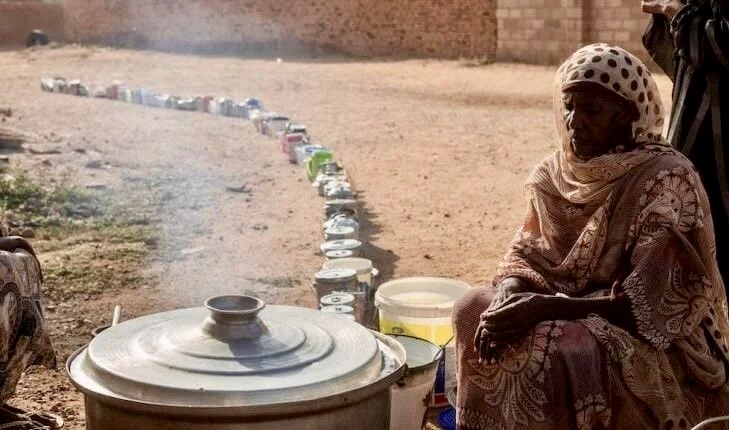
A report by five leading international relief organisations warns that millions of people in Sudan are on the brink of famine as the conflict enters its fourth year. Organisations such as Action Against Hunger and the International Rescue Committee documented the total collapse of food supply chains due to fighting. The report indicates that many families are now entirely dependent on a single, inadequate meal per day.
Civilians in North Darfur and South Kordofan face a particularly dire humanitarian situation, as they must cross active frontlines to secure food. The report found that some families have resorted to eating leaves and animal fodder to survive. Market disruptions and the astronomical price of oil have made transporting food nearly impossible in many parts of the country.
Women and girls are facing the brunt of the crisis, as they are often responsible for finding food in increasingly dangerous environments. The report highlighted an increase in sexual and gender-based violence as women travel long distances to reach markets or communal kitchens. This “unequal opportunity of the crisis” has made accessing basic services a life-threatening task for many.
Communal kitchens, which have served as a lifeline for thousands, are also facing a funding crisis. The high cost of ingredients and the danger of operating in active war zones have forced many of these kitchens to reduce their portions or close entirely. Without a significant surge in international aid and a cessation of hostilities, the report warns that the death toll from hunger could soon surpass those killed in direct combat.
The report concluded with a call for the international community to prioritise humanitarian access. It noted that current aid levels are insufficient to meet the scale of the disaster, which has created one of the world’s largest displacement crises. As the economic effects of the war continue to ripple through the region, the prospect of a nationwide famine remains a very real and immediate threat.
 10) South kordofan becomes the most active front in the Sudanese war
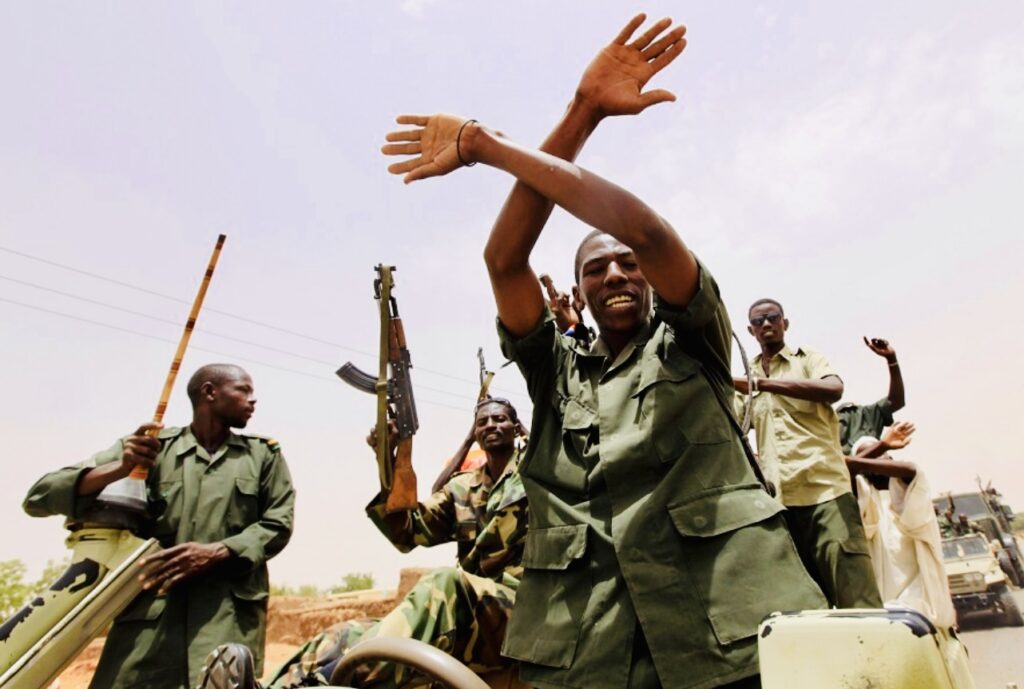
South Kordofan State has emerged as the most volatile military front in Sudan, with the army, RSF, and SPLM-N forces locked in intense combat. Coordinated attacks have recently threatened the city of Kadugli, aiming to cut off the national highway. These manoeuvres were intended to reimpose a siege on the regional capital, further isolating its civilian population from essential supplies.
The city of Dilling has also been under constant bombardment, with drone strikes and heavy artillery hitting residential neighbourhoods. A recent strike on the “Six Market” resulted in multiple civilian deaths, including a child. Local activists report that the military often uses shelling as a prelude to ground offensives, causing residents to flee toward the surrounding hills in fear.
The Sudanese army’s 54th Brigade has responded with its airstrikes, targeting positions held by the RSF and the SPLM-N to the east and north of Dilling. Military sources indicate that the army is attempting to neutralise the areas from which artillery fire is coming. These mutual exchanges have left much of the local infrastructure in ruins and created a high-stress environment for the remaining residents.
Local sources believe the primary goal of the attacking forces is to control key intersections that connect the state’s major cities. By controlling these points, the RSF and its allies could effectively dictate the movement of both military reinforcements and humanitarian aid. The army has deployed drones to monitor these strategic areas, but the ground situation remains highly fluid and unpredictable.
The humanitarian impact in South Kordofan is escalating rapidly as markets are destroyed and transportation routes are severed. Civilians in neighbourhoods like Al-Hilla Al Jadeeda have seen their homes levelled by artillery fire, leaving them with no choice but to join the millions of displaced Sudanese. The state remains a critical battleground that could determine the war’s trajectory in the south.