

11 March 2026
To keep our readers informed of the multitude of events taking place in Sudan amidst the ongoing, devastating war, we have developed a series of weekly news briefs covering seven major topics of the week.
In this week’s edition:
- Aid workers say 180 killed in Blue Nile fighting
- Uganda tightens asylum rules for Sudanese
- US designates Sudanese Muslim Brotherhood as a terrorist organisation
- Nearly 100 dead in recent Kordofan attacks
- Residents protest housing plan in Wadi Halfa
- Health centre in Khartoum struggles after MSF withdrawal
- Investigation launched into death of teenage girl in Kassala
 1) Aid workers say 180 killed in Blue Nile fighting
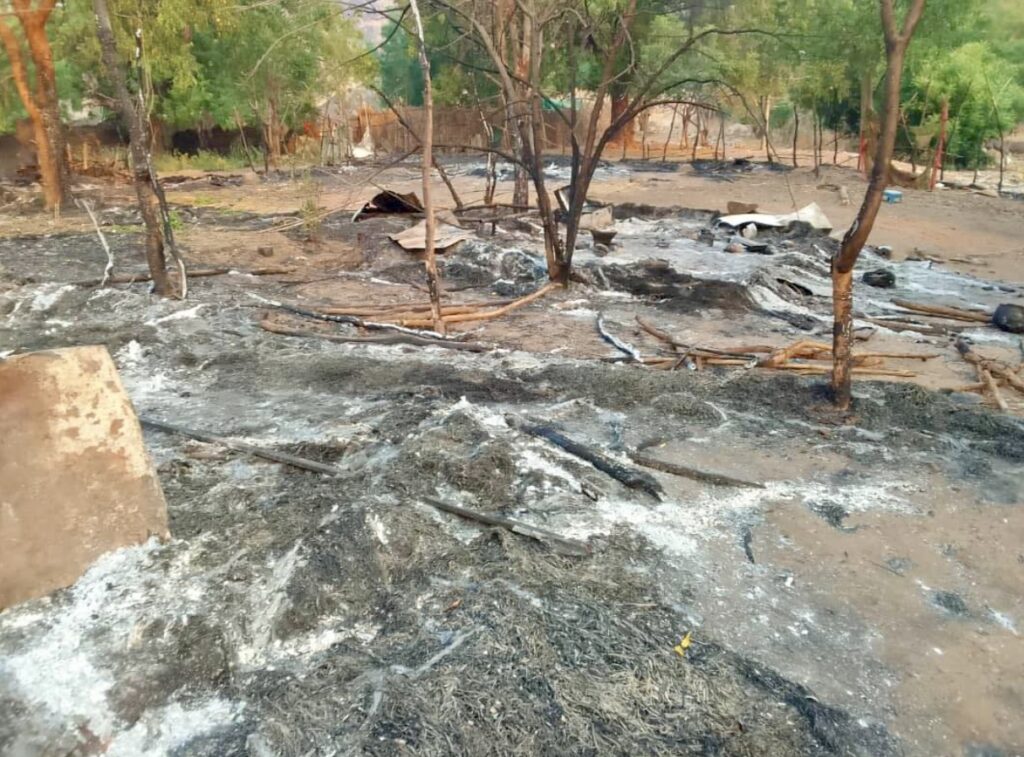
At least 180 people have been killed in two months of fighting in Sudan’s Blue Nile State, according to humanitarian volunteers monitoring the conflict.
Volunteer workers told Ayin that the deaths resulted from clashes and intensive drone attacks involving the Sudanese Armed Forces, the Rapid Support Forces (RSF), and their ally, the Sudan People’s Liberation Movement-North (SPLM-N), during the period between January and March 2026. The escalation has also triggered widespread displacement in the region.
“The military escalation in the region has led to the displacement of 25,000 people from the Kurmuk area and small villages towards the city of Damazin,” an aid worker told Ayin. The volunteer said the attacks targeted infrastructure, including power stations, hospitals and markets.
Fighting intensified from March 5 as clashes erupted between the SPLA-N and the Sudanese army south and west of Kurmuk city and in the Jarut area, which is controlled by the SPLM-N. On March 6, the Sudanese Armed Forces launched attacks along three axes in the region.
A local source in Kurmuk, speaking anonymously for security reasons, told Ayin that “fighting in those areas is still ongoing, with control frequently changing hands, especially in the Khor Rabo area of Kurmuk province and Khor al-Budi south of the city.” The source added that clashes continue intermittently as both sides exchange control of positions.
Authorities have also carried out arrests in Kurmuk, targeting civilians accused of cooperating with the RSF and the SPLM-N. “Those arrested were taken to security offices, and some have been released while others remain in detention,” another source in Kurmuk said.
Meanwhile, displacement continues as attacks intensify. “The city of Kurmuk has been receiving large numbers of civilians daily for the past two weeks, most of them women, children and the elderly, after the expansion of the war and the impossibility of remaining in their original areas,” humanitarian worker Saadia Qamar told Ayin. Qamar warned that shelters in Damazin are overcrowded and lack basic services. “The humanitarian supplies reaching the registered camps are insufficient to meet the needs of the displaced, especially regarding essential medicines, malaria treatment, and antibiotics.”
 2) Uganda tightens asylum rules for Sudanese refugees
Uganda has suspended the automatic granting of asylum to Sudanese refugees fleeing the war, introducing new procedures that require individual assessments for each applicant.
Under the new policy, newly arrived refugees will receive a temporary registration card valid for three months, renewable for another three months while their case is reviewed. If authorities determine that a refugee does not qualify for asylum, they may face deportation.
The move marks a significant shift for Uganda, which previously granted Sudanese refugees five-year refugee cards based on the general conditions of war in Sudan. Those cards allowed refugees to live, work, study, access healthcare and invest in the country.
Refugees arriving in March said they learned about the policy after reaching camps such as Biale, north of the capital, Kampala.
Ugandan authorities have not publicly announced the new policy or its implementation date. However, the change coincides with the departure of the first voluntary return flights from Kampala to Sudan.
By late 2025, estimates indicated that between 91,000 and 110,000 Sudanese refugees and asylum seekers were living in Uganda, mainly in Kampala and the Kiryandongo refugee camp.
Conditions in Kiryandongo have deteriorated due to reductions in food aid, leading to cases of malnutrition and severe anaemia. As humanitarian conditions worsen, some refugees have expressed interest in returning to Sudan even as new arrivals continue to flee the conflict.
 3) US designates Sudanese Muslim Brotherhood as a terrorist organisation
On March 16, the United States will designate the Sudanese Muslim Brotherhood as a foreign terrorist organisation.
In a statement issued on March 9, the US State Department said the Sudanese Muslim Brotherhood—which includes the Sudanese Islamic Movement and its armed wing, the Al-Bara’ bin Malik Brigade—had used violence against civilians and undermined efforts to resolve Sudan’s conflict.
The department said the group had deployed more than 20,000 fighters in the war and that many had received training and support from Iran’s Revolutionary Guard. The statement added: “Fighters from the Al-Baraa Bin Malik Brigade, affiliated with the Sudanese Muslim Brotherhood, have carried out mass executions of civilians in the areas they have controlled and have repeatedly summarily executed civilians based on race, origin, or alleged affiliation with opposition groups.”
The US Treasury had previously sanctioned the Sudanese Muslim Brotherhood in September 2025, under Executive Order 14098, for destabilising Sudan and undermining democratic transitions.
The designation freezes assets belonging to the group within the United States and prohibits US individuals from conducting financial transactions with it. The State Department warned that those who conducted certain transactions with the organisation could also face sanctions.
White House senior adviser Massad Boulos said on the social media platform X that the United States would continue to use all available tools to combat terrorism and counter Iranian influence.
“The Sudanese people are suffering greatly as a result of the ongoing conflict, including malicious acts and serious violations committed by both sides of the conflict in Sudan,” Boulos wrote. “It is time for the parties to immediately agree to a humanitarian truce, which would allow vital humanitarian aid to reach civilians, open the way for dialogue, and pave the way for ending the suffering and achieving stability in Sudan.”
 4) Nearly 100 dead in recent Kordofan attacks
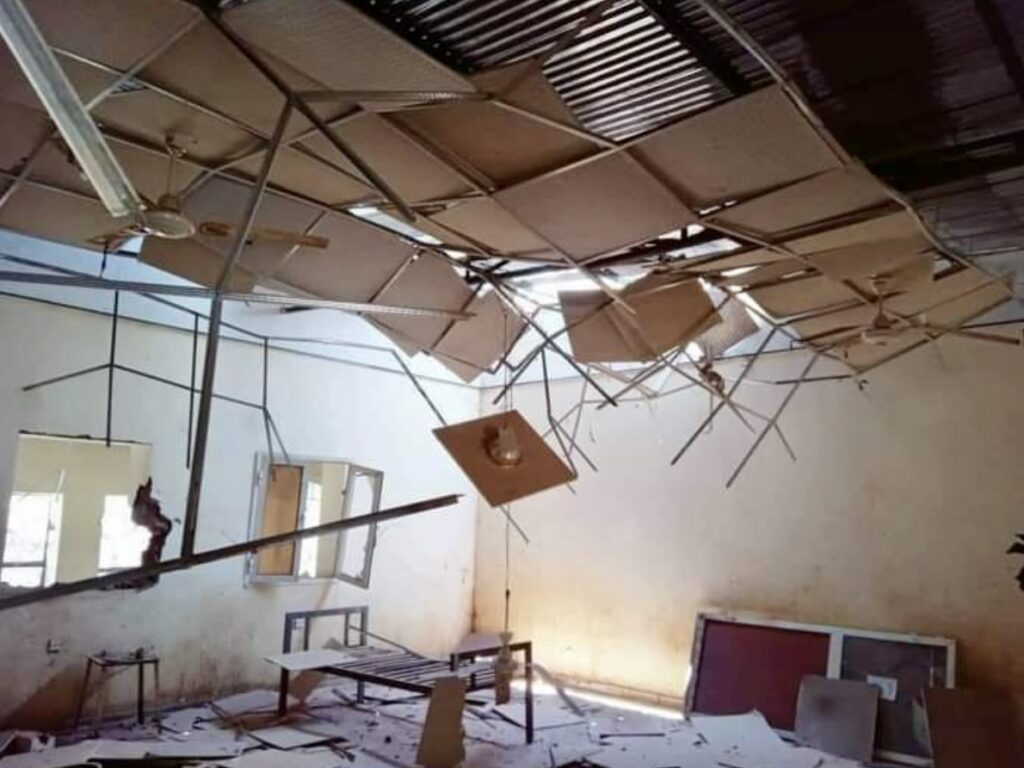
The Kordofan region of Sudan has endured a devastating week of escalating violence, with nearly 100 civilians killed as airstrikes, drone attacks, and artillery exchanges intensify between warring factions. Between March 5 and March 8, the conflict between the Sudanese Armed Forces (SAF), the Rapid Support Forces (RSF), and the Sudan People’s Liberation Movement-North (SPLM-N) has turned civilian hubs into battlegrounds.
South Kordofan
On March 8 in the Jald area west of Dilling, an army convoy launched a heavy shelling campaign. The strike hit the heart of the community, far from active military outposts. “The shelling targeted the Mandari market in Jald, which was crowded with civilians, resulting in the death of approximately 14 people, including six children, and injuring more than ten others,” a local source told Ayin.
The source noted that while the market is surrounded by residential neighbourhoods, the nearest SPLA-N military position is roughly three kilometres away. Nearby Dilling has also faced relentless bombardment. “The bombing operations this week targeted neighbourhoods in the western and northeastern directions, including Frish, Al-Marafid, and Al-Hilla Al-Jadeeda, and caused human losses among the citizens, in addition to varying damages to homes and property,” said Dilling resident Munim Suleiman.
The violence has triggered a humanitarian exodus, with the International Organization for Migration reporting that 240 people have fled Dilling for the “tense and volatile” Habila locality.
West Kordofan
The carnage extended across West Kordofan and beyond. On March 5, a drone strike on the Al-Mujlad market killed 18 people, while simultaneous shelling by the RSF and the Popular Movement in northern Dilling claimed 28 lives.
The bloodshed peaked on March 8, when drone strikes on the Abu Zabad market killed 33 people. On the same day, 16 more civilians were killed by shelling in Wad Banda. The Supreme Council for the Affairs of Dar Hamar condemned these strikes, stating the victims included elders, children, and women. “The attacks caused the deaths of more than 40 civilians…[We] call for an independent investigation into the incident,” the council said in a statement.
Human rights advocates are raising concerns as the conflict’s geographical scope widens. The Emergency Lawyers Group reported that while the SAF targeted markets in Jald, Nyala, and Al-Daein, the RSF launched drone strikes on civilian sites in Kosti and Dilling.
The group warned that the systematic targeting of civilian infrastructure is escalating across Sudan, leaving the population with few safe havens as the warring parties show little regard for non-combatant life.
 5) Residents protest housing plan in Wadi Halfa
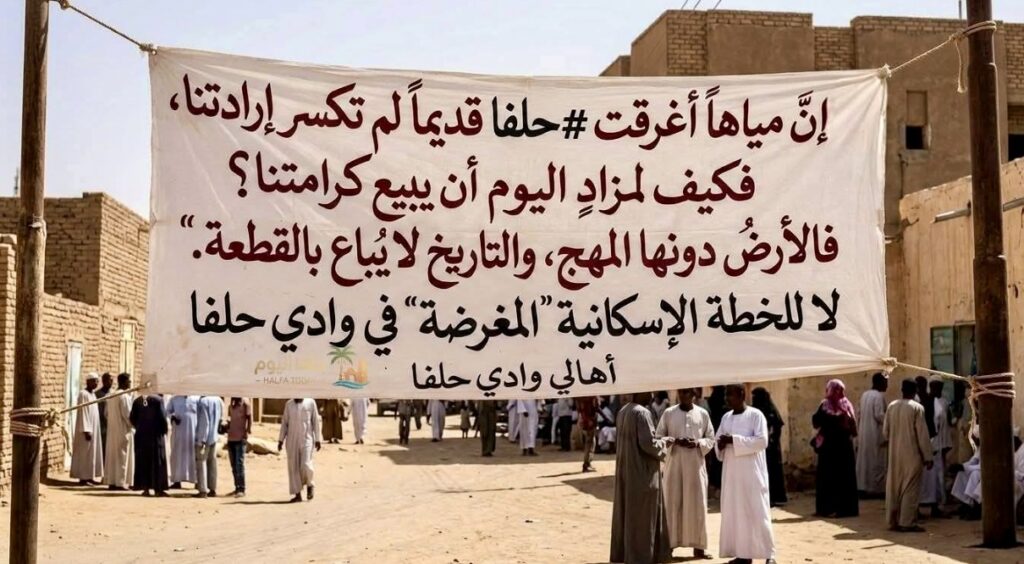
Hundreds of residents in Wadi Halfa in northern Sudan have protested against a new housing plan introduced by local authorities, accusing officials of selling public land.
The demonstrations took place outside the headquarters of the local government on March 8 after calls from the “Supreme Council of Residents” to oppose the sale of public squares and land surrounding the city.
Protesters submitted a memorandum demanding that authorities halt the rapid distribution of land under what they described as a new housing plan.
Ayman Hamed, one of the protesters, told Ayin that residents gathered outside the government offices to reject the proposed sales. He said the local government was attempting to raise funds for its treasury through land sales.
Hamed added that the memorandum warned authorities not to proceed with the plan, saying the government would bear legal and social responsibility if the sales continued.
He also alleged that some neighbourhood leaders had received payments in exchange for issuing certificates to individuals that would enable them to purchase land under the new scheme.
 6) Health centre in Khartoum struggles after MSF withdrawal
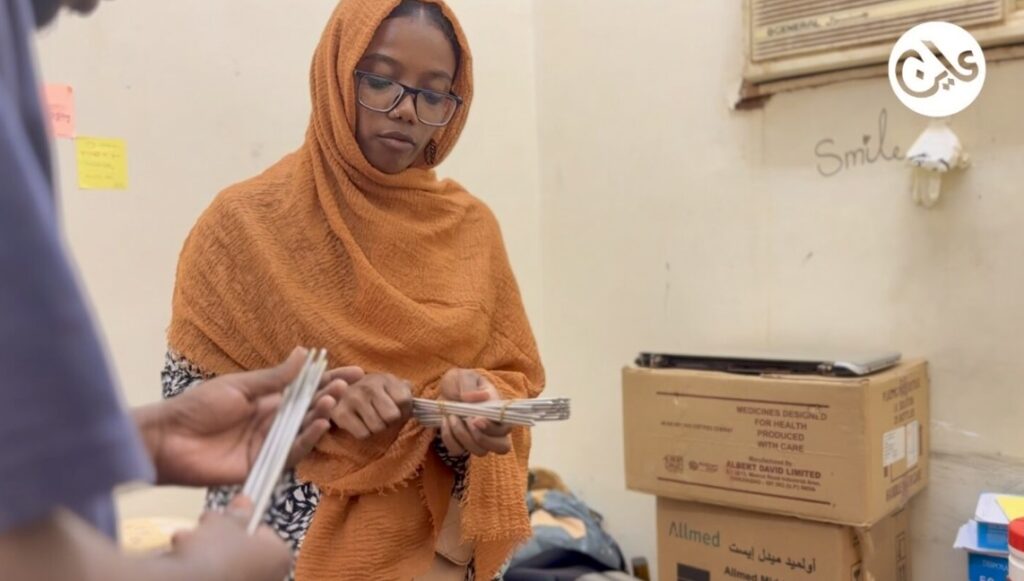
A major health centre south of Khartoum is facing severe operational challenges after the withdrawal of the medical charity, Doctors Without Borders (MSF), at the end of February.
The international organisation had managed the Martyr Wad’a Allah Health Center in the Kalakla al-Qata’iya area of Jabal Awliya locality since June 2023, providing free services including maternal care, child health services, vaccinations, laboratory tests, dental treatment and minor surgeries.
During the war, the facility received between 350 and 500 patients per day, making it one of the busiest health centres in Khartoum State, a medical source told Ayin.
The source added that the organisation worked at the centre for 989 days, helping fill a major gap as government health services struggled to function during the conflict.
However, after the fighting in the area subsided, the organisation withdrew, and authorities attempted to resume government-run services. The transition has exposed major gaps in staffing and resources.
“There are challenges related to securing sufficient medical personnel to cover all departments, and some services remain unavailable due to the ministry’s limited resources,” the source said. Patient numbers have also declined because many residents cannot afford the fees now charged for services that were previously free.
 7) Investigation launched into death of teenage girl in Kassala
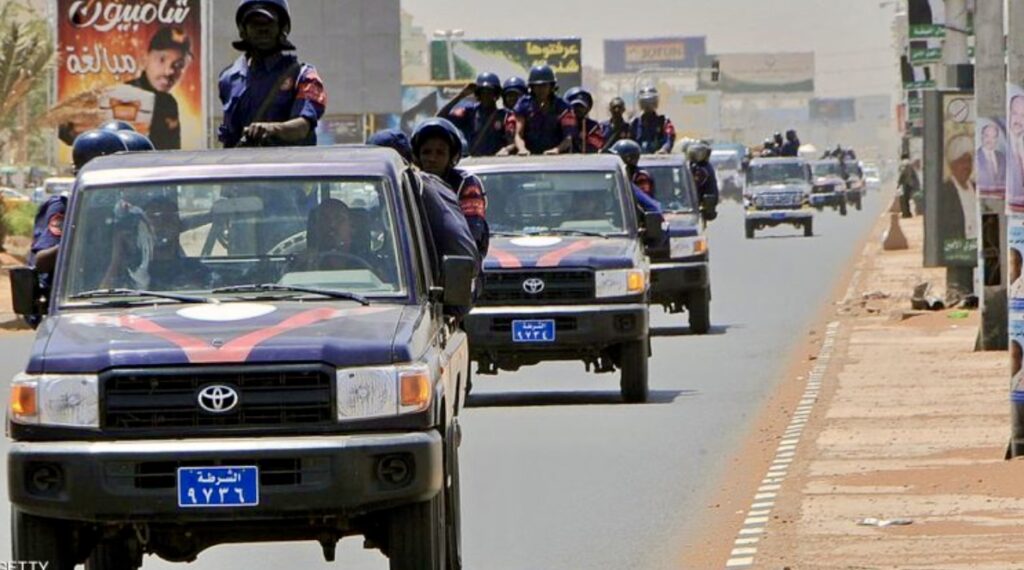
Authorities in eastern Sudan have launched an investigation into the death of a 16-year-old girl who allegedly died after being severely beaten in the city of Kassala.
Police and the public prosecutor’s office are conducting enquiries after the girl was taken to Kassala Hospital by individuals who reportedly disappeared shortly after her arrival. The incident sparked public outrage, with dozens of residents gathering outside the hospital on March 9 following the news of her death.
“The girl was severely beaten and taken to the hospital in critical condition before passing away,” a local resident told Ayin.
Human rights activist Abdullah Idris called for a comprehensive investigation into the treatment and legal protection of working girls in eastern Sudan. “It is unfortunate that the girl died as a result of beatings and abuse by people who are completely devoid of human and moral sense,” Idris told Ayin.
An employee of an international organisation in Kassala said cases of violence against women and girls were widespread in the region. “Girls usually take up work anywhere without regard for their rights, preferring verbal agreements to earn a living, which makes them vulnerable to exploitation,” the aid worker told Ayin.