

11 February 2025
To keep our readers informed of the multitude of events taking place in Sudan amidst the ongoing, devastating war, we have developed a series of weekly news briefs covering eleven major topics of the week.
In this week’s edition:
- UN rights chief backs ICC findings of war crimes in El Fasher
- Relief in Kadugli, but drone strikes and shelling persist in South Kordofan
- Murders rise in West Kordofan despite lull in fighting
- South Khartoum residents warn of landmine danger
- Sudanese refugee dies in Cairo detention amid rising arrests
- Surgeons at Atbara Hospital launch strike over unpaid wages
- Commodity prices surge in Kordofan amid trade bans
- Security Council holds closed session on Sudan crisis
- Child killed as fire destroys homes in Tawila camp
- UN: Thousands displaced in South Kordofan
- Family fears for jailed writer Khaled Bahiri after transfer
 1) UN rights chief backs ICC findings of war crimes in El Fasher
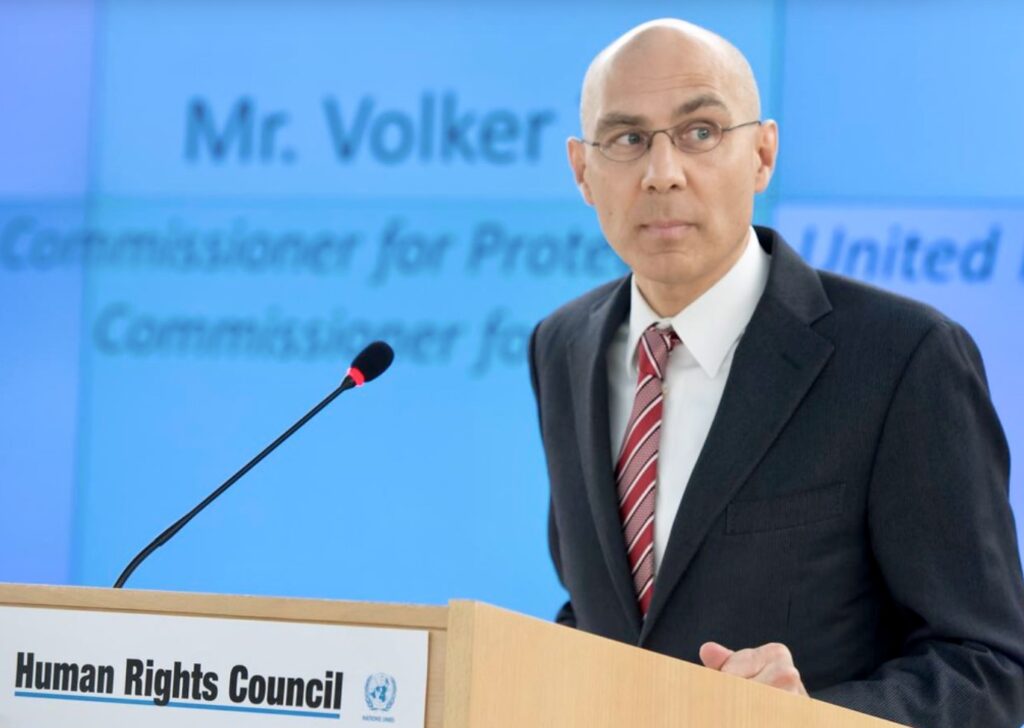
The UN High Commissioner for Human Rights, Volker Türk, has said his office “fully agrees” with the International Criminal Court’s assessment that war crimes and crimes against humanity were committed in El Fasher, the capital of North Darfur. Addressing the Human Rights Council in Geneva on 9 February 2026, Türk said the atrocities followed an 18-month siege by the Rapid Support Forces (RSF) that culminated in days of intense violence, leaving thousands dead and tens of thousands displaced.
Türk described the violence as preventable, arguing that more decisive international action could have averted the catastrophe. He warned against a repeat of what he called the “El Fasher scenario” in the Kordofan region, where fighting has intensified recently. “Our collective responsibility is to hold those responsible to account and ensure that such events never happen again,” he said.
Following a visit to Sudan in January, Türk said he met survivors of the final assault and heard accounts of mass killings, summary executions, rapes, torture, enforced disappearances, and kidnappings for ransom. His office interviewed more than 140 victims and witnesses in Northern State and eastern Chad. Testimonies consistently described the deliberate targeting of civilians.
In one case, survivors who had fled to distant locations gave matching accounts of the mass killing of hundreds of people who had sought refuge at El Fasher University. Witnesses also reported attacks on health facilities and medical personnel and said victims were targeted on the basis of their non-Arab ethnicity, particularly members of the Zaghawa community. Some described seeing bodies lining roads out of the city.
Türk accused the RSF and allied militias of systematically using sexual violence as a weapon of war, including gang rape, and of abducting civilians to extort large ransoms. He stated that thousands are still missing, and Nyala’s Degres prison reportedly holds others in “horrific” conditions. Detainees also reported that El Fasher Children’s Hospital is holding about 2,000 men, while nearby burials are taking place. His office has documented the forced recruitment of children by the RSF.
Turning to Kordofan, Türk said at least 90 civilians had been killed and 142 injured as of February 6 in drone attacks targeting markets, residential areas, and even a World Food Programme convoy. He called for the Darfur arms embargo to be extended nationwide and urged influential states to pressure Sudan’s warring parties to halt attacks on civilians, allow humanitarian access, and end arbitrary detention. He also warned that escalating hate speech by political leaders risks further atrocities.
 2) Relief in Kadugli, but drone strikes and shelling persist in South Kordofan
 3) Murders rise in West Kordofan despite lull in fighting
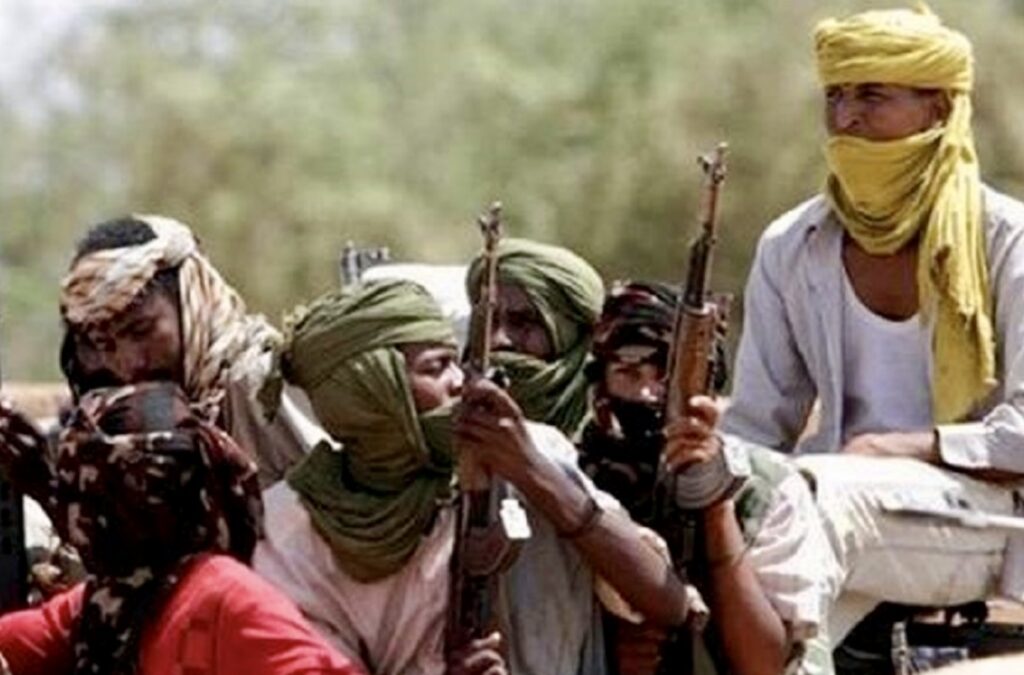
Crimes against civilians have surged in West Kordofan state despite a relative lull in large-scale military clashes. Residents told Ayin they are enduring “harsh days” marked by killings, looting and road blockades carried out by Rapid Support Forces (RSF) gunmen and allied armed groups, most notably a militia known as “Awlad Jadallah”.
Residents report that the Abu Qalb district saw the deaths of two civilians last week. One was shot inside his home during a looting attack, while another was intercepted and killed on the road as he returned from Al-Mazroub in a motorised rickshaw loaded with goods.
Sources added that West Kordofan is witnessing daily killings, looting and kidnappings “amid silence from the leadership of the Rapid Support Forces, which controls the region.” The Awlad Jadallah militia, which emerged after the outbreak of the current war and aligned itself with the RSF, is accused of carrying out most of the recent abuses.
Although West Kordofan did not experience major frontline battles, it has suffered from persistent armed robbery and kidnappings since the war began. Attacks declined temporarily after militia leader Suleiman Salib al-Deek was killed in a drone strike in Abu Zabad last May but have resurged with the rise of Awlad Jadallah.
Meanwhile, military activity in North and West Kordofan remains limited, though the army has intensified aerial bombardment of Bara in North Kordofan, raising concerns of a possible ground offensive on the RSF-controlled city.
 4) South Khartoum residents warn of landmine danger
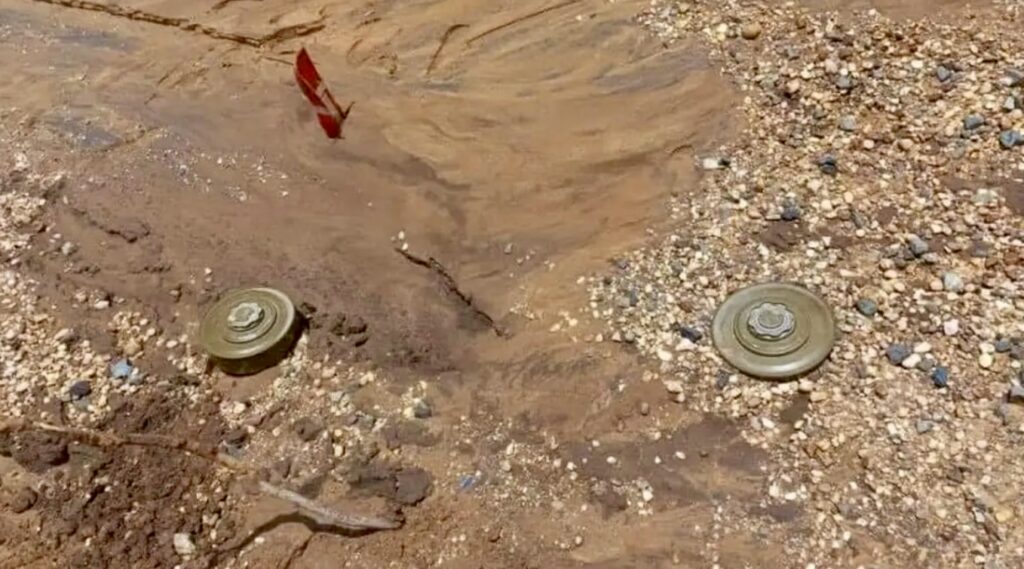
Residents of Al-Azouzab, Al-Lamab, and Al-Shajara—neighbourhoods surrounding the Sudanese army’s armoured corps base south of Khartoum—have voiced alarm over landmines and unexploded ordnance left behind after two years of fighting.
Residents informed Ayin that they must move cautiously and steer clear of specific streets due to the threat of “military objects” hidden in roads and public squares. The base witnessed fierce clashes between the army and the Rapid Support Forces (RSF) from June 2023 until February 2025, before the army regained full control of Khartoum State.
Last Saturday, a landmine explosion in Al-Azouzab injured two people who were travelling in a truck carrying supplies to a communal kitchen at the Al-Azouzab Mosque. It was the second such incident in two months in the same area.
Residents say mines were “planted” during the height of the clashes. The United Nations warned last year that clearing explosive remnants in Khartoum would be difficult and pledged limited assistance.
In September 2025, Sudan’s National Mine Action Center announced it had removed 50,000 shells, munitions and landmines in Khartoum as part of ongoing operations, but residents say the threat remains acute.
 5) Sudanese refugee dies in Cairo detention amid rising arrests
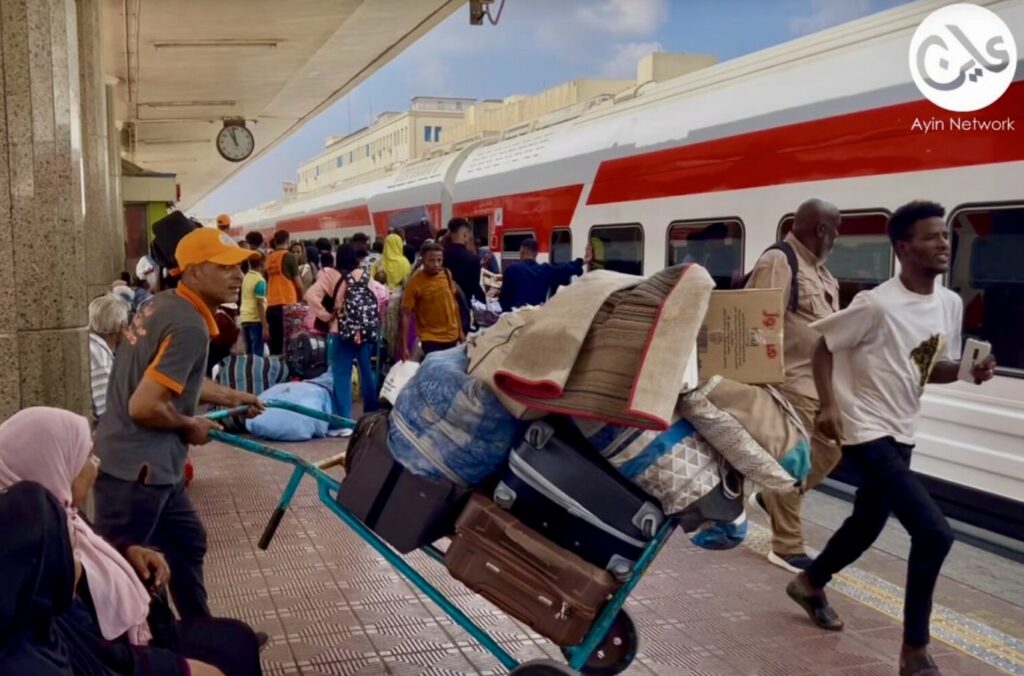
This week, Egyptian immigration authorities detained an elderly Sudanese refugee at Al-Shorouk police station in Cairo, leading to his death. The Sudanese Refugees Platform in Egypt said in a statement on 6 February that “the elderly Sudanese man, Mubarak Qamar al-Din (67 years old), died in the police station after being detained by immigration authorities, despite possessing a temporary UNHCR card.”
His lawyer told the platform that Qamar al-Din had renewed his UNHCR card in October 2025 and was not in violation of residency laws. He was carrying the card at the time of his arrest but died in detention due to complications from diabetes and kidney failure after being denied timely medication and care.
The Refugee Platform said Egyptian security campaigns in Cairo and Alexandria have turned cities into spaces for pursuing Sudanese refugees, including women and children, through public harassment and home raids. Refugees report fears of deportation despite holding temporary UNHCR documentation.
A Sudanese refugee in Cairo told Ayin that lengthy waiting periods set by the Interior Ministry leave cardholders without protection for over a year, adding that people feel tense and restrict their movements, sticking to perceived safe streets.
According to UNHCR, around 1.5 million Sudanese refugees are currently in Egypt, most of whom fled after the war between the army and the RSF escalated.
 6) Surgeons at Atbara Hospital launch strike over unpaid wages
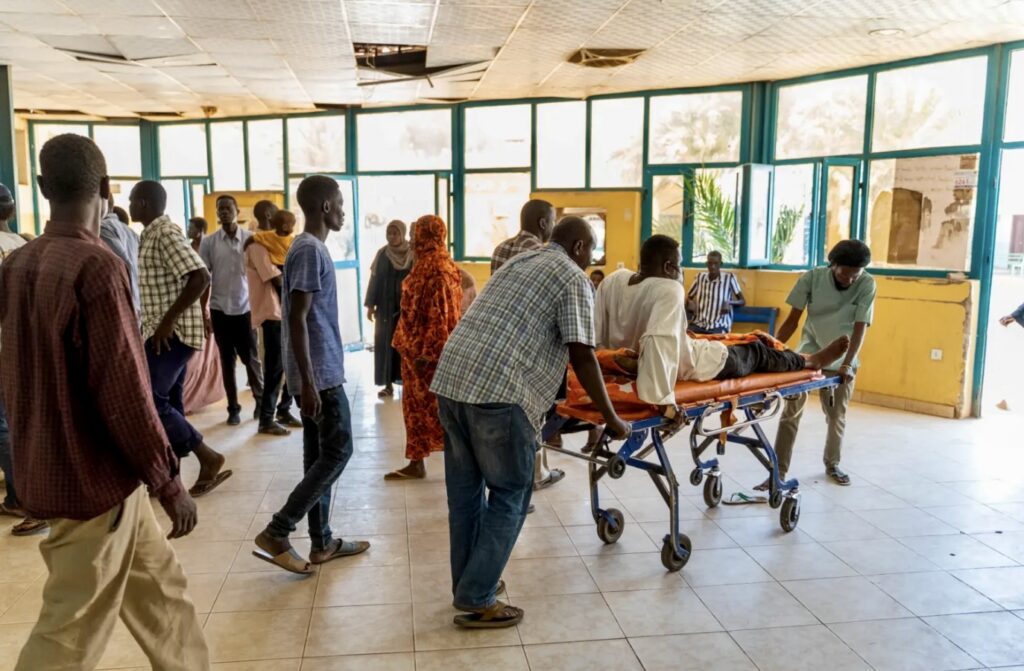
Surgeons and specialists at Atbara Hospital in River Nile State announced a strike on 9 February over low wages and two months of unpaid salaries. In a statement, doctors said they work 24-hour shifts at a rate of 1,500 pounds per hour (roughly US$2-3), earning 125,000 pounds per month (roughly US$210).
The statement noted that salaries for December and January remain unpaid despite repeated appeals to hospital management and demands to adjust wages to reflect rising living costs. “After three weeks without any practical steps, the administration was contacted again, with the emphasis that the continued delay in payments has become a real obstacle to the doctors’ ability to reach the hospital and perform their duties as required,” the statement said.
Doctors set a deadline for payment and warned that they could not continue working beyond that date. When no solution materialised, general surgeons began a partial strike in the emergency department while continuing inpatient care and scheduled surgeries to ensure patient safety.
The statement rejected the dismissal of doctors and opposed relying on MPs or national service personnel as temporary replacements, arguing that such measures “do not address the root of the problem but rather lead to further complications.”
Sudan’s public hospitals are experiencing severe funding shortages due to the ongoing war. Finance Minister Jibril Ibrahim recently said government war spending increased from 35% to 40% of the budget this year, while hospital allocations remain unclear.
 8) Security Council holds closed session on Sudan crisis
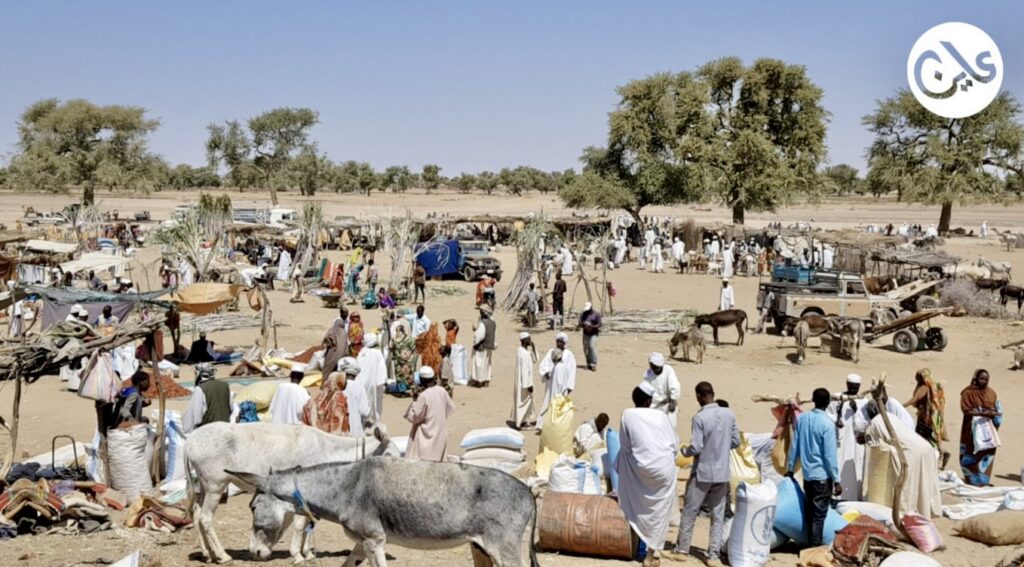
The UN Security Council convened a closed-door meeting to address Sudan’s deteriorating humanitarian situation amid growing famine risks in Greater Darfur and Greater Kordofan and rising displacement.
Briefings were delivered by Edem Wosorno of OCHA and Matthew Hollingworth of the World Food Programme, who highlighted worsening food insecurity and displacement driven by continued fighting and the advance of RSF forces in some areas.
The latest Integrated Food Security Phase Classification alert found that areas including Um Baru and Karnoi in North Darfur have crossed the famine threshold. Displacement from El Fasher alone has reached about 1.22 million people since October 2025.
The United Kingdom, Council president for February, requested the meeting with Bahrain and Denmark to stress the urgent need for a ceasefire and expanded humanitarian access.
UN agencies warned that food, water, healthcare and shelter needs are on the rise, and called for urgent international intervention to prevent further deaths from hunger and malnutrition.
 9) Child killed as fire destroys homes in Tawila camp
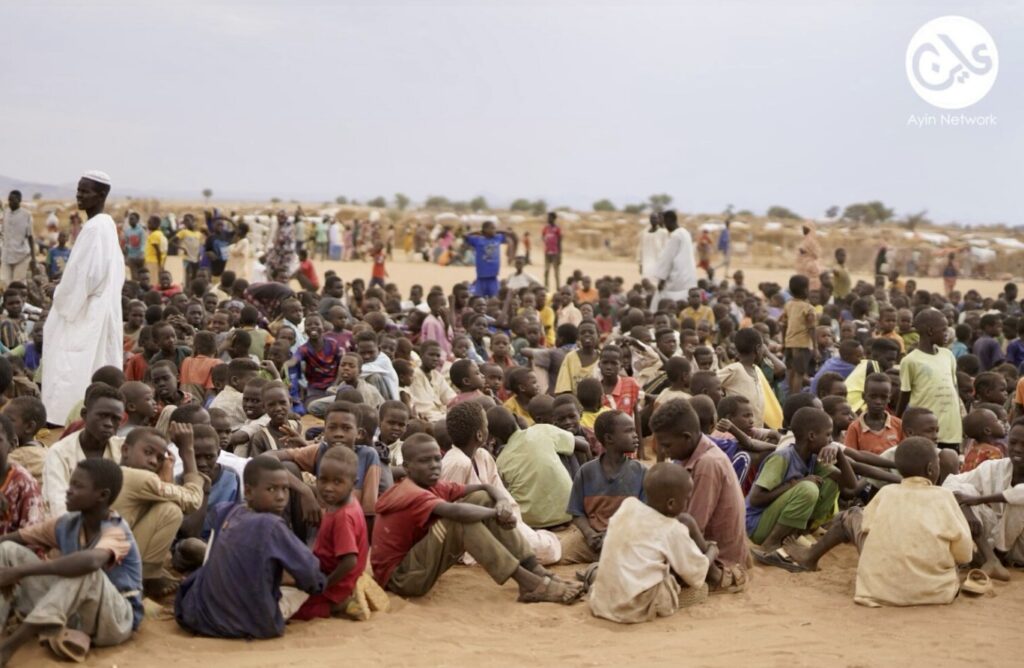
A massive fire swept through the Tawila al-Umda camp in North Darfur State on Monday, killing a five-year-old child and destroying hundreds of homes sheltering newly displaced families.
A local source told Ayin: “The fire started in a neighbourhood known as Nima and completely consumed the belongings of the affected families, including furniture, livestock, and personal items, leaving behind widespread losses that are difficult to quantify.” Immediate needs include water and temporary shelter, as many families are now exposed to harsh weather.
Adam Rijal, spokesperson for the General Coordination of Displaced Persons and Refugees, said, “The fire left children, women, and the elderly exposed to the elements without shelter, food, or protection from the bitter cold of the night.” He added, “This disaster exposes the precarious humanitarian situation in the camp, where displaced people face the risks of hunger, disease, and cold after years of forced displacement and armed conflict.”
The coordination committee appealed for urgent international assistance to provide shelter, food, water, and healthcare, emphasising that rapid intervention is essential for saving lives.
Tawila, located 68 kilometres west of El Fasher, has become a refuge for thousands fleeing conflict, and it already faces severe humanitarian challenges.
 10) UN: Thousands displaced in South Kordofan
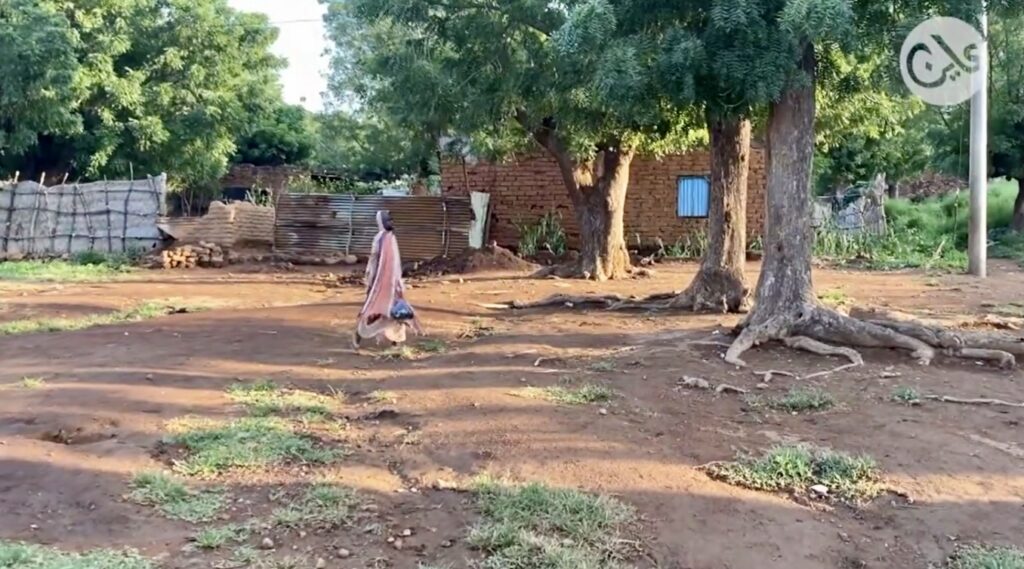
The UN Office for the Coordination of Humanitarian Affairs (OCHA) said its teams reached Abu Jubaiha in South Kordofan, where camps host people who fled fighting and hunger in Kadugli after walking for 40 days.
“Our teams visited South Kordofan and found more than 10,000 displaced people living in camps with serious gaps in shelter, food, health care, water and sanitation,” OCHA said in a statement. Many arrived with nothing but the clothes they were wearing, and they faced risks of theft, detention, and family separation along the way.
The past two months have resulted in the displacement of nearly 147,000 people, accounting for about 80% of Kadugli’s population. In North Darfur’s Karnoi and Um Baru areas, UN experts warn famine is imminent due to aid disruption and ongoing conflict.
“The impact of emergency response centres in Sudan during the war was enormous,” said a humanitarian official who is not sanctioned to speak to the media. “When displaced people reached safe areas, they received reasonable assistance from the volunteers. However, in recent months, as the emergency response centers gained local and international attention, government authorities have turned against the volunteers, particularly because of their connections to the revolution and popular resistance movements against the former regime.”
 11) Family fears for jailed writer Khaled Bahiri after transfer