


Blue Nile State: A tinderbox that could erupt across the region
13 January 2025
The conflict has intensified in the Blue Nile region recently and may pull regional actors into the fray. What was once a fragile postwar landscape is now described by observers as facing “serious risks,” as the Rapid Support Forces (RSF) and the Sudan People’s Liberation Movement-North (SPLM-N) mobilise in southern and western areas along the borders with Ethiopia and South Sudan.
On 11 January, army warplanes conducted airstrikes in Yabus, an SPLM-N stronghold. The strike takes place as the RSF and their allies continue to amass thousands of fighters near the towns of Kurmuk and Qaysan on the border with Ethiopia, a senior military official stated. Some of these fighters, a senior government official told Sudan Tribune, are mercenaries from Ethiopia, South Sudan, and Colombia.
A military source told Ayin that the RSF are targeting the Blue Nile, believing its fall will lead to the collapse of the central Sudan region. The same source said the United Arab Emirates is providing military supplies and foreign experts to supervise operations for drones and air defence systems via cargo plane shipments from Puntland, Somalia.
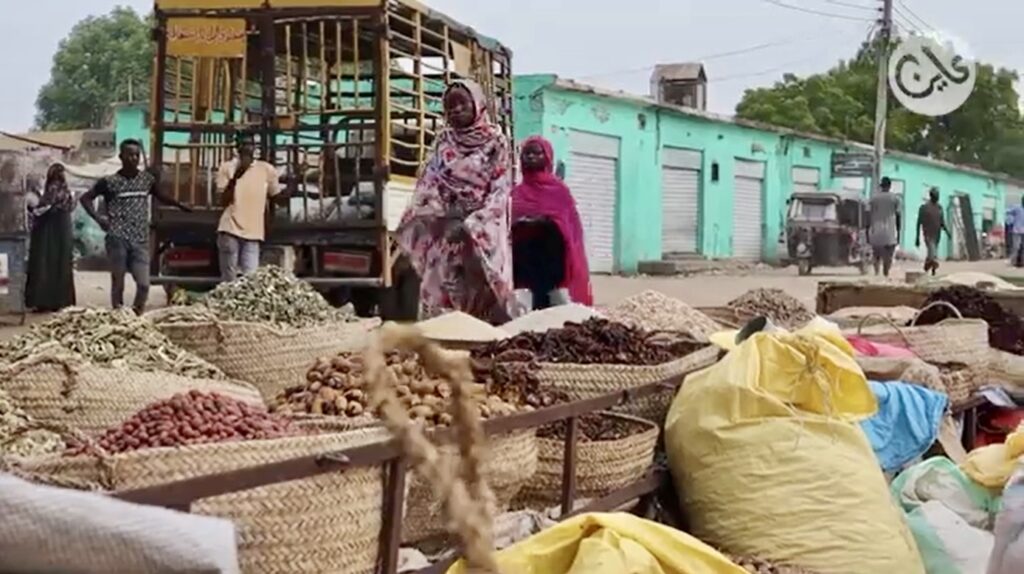
Although the army maintains control of the state capital, Damazin, the RSF remain active across a wide arc stretching from Sennar to the region’s outskirts. In Damazin itself, once known for igniting protests against former president Omar al-Bashir in late 2018, a heavy “security grip” now dominates daily life, and military parades have replaced street demonstrations.
Regional ruptures
Researchers warn that the danger lies not only in troop movements but also in the state’s growing entanglement with regional rivalries. “The region is going through a difficult period due to the security risks stemming from the arrival of large numbers of Rapid Support Forces (RSF) in its southern and western parts,” says Mohamed Gabr, a political analyst and native to Blue Nile State. “The RSF is using the Benishangul region within the Ethiopian border as a base for military operations it intends to carry out deep inside the neighbouring Sudanese region.”
Political activist Mohamed Murad cautions that the implications go far beyond the state’s boundaries. “Reports from international organisations confirm that any large-scale attack will ignite war across three fronts—Kordofan, Darfur, and Blue Nile—threatening the collapse of the humanitarian situation,” he said. “Ethiopia fears an influx of two million refugees, but it is pressured to compromise by allowing the use of the Benishangul region as a base for Rapid Support Forces operations,” he added.
A humanitarian catastrophe
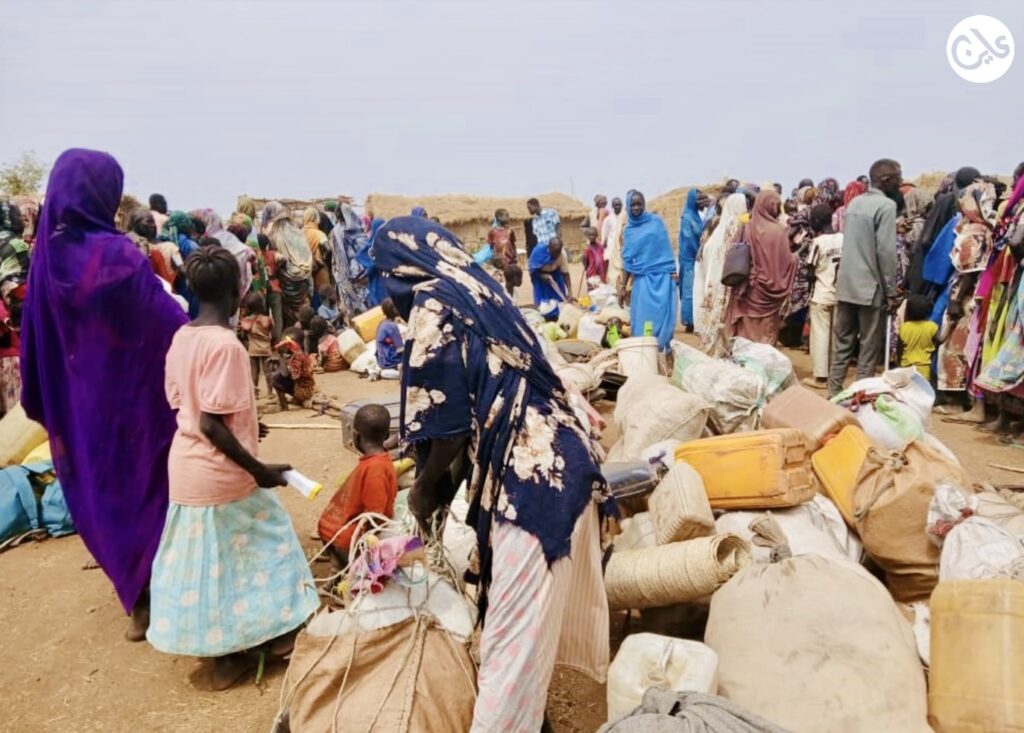
For civilians, the consequences of renewed violence are already painfully familiar. Conflicts in Blue Nile State at the end of 2024 resulted in the displacement of tens of thousands, hindering humanitarian organisations’ ability to reach critical areas. In other incidents, aid workers were the direct targets of the conflict. On 19 December 2025, an airstrike hit a World Food Programme (WFP) field office compound in Yabus, killing three staff members. “We are urgently working to establish the circumstances around this appalling incident,” said WFP Executive Director Cindy McCain. “I demand a thorough investigation and for the perpetrators to be held accountable.”
According to humanitarian affairs researcher Nahla Hassan, Blue Nile State is “one of the areas most affected from a humanitarian standpoint as a result of the battles between the Sudanese army and the Rapid Support Forces,” citing the inability of aid agencies to reach starving populations. She warned that the international community may not fully grasp the region’s “sensitivity,” stressing that renewed fighting would push millions toward starvation and displacement into South Sudan, Ethiopia, or other parts of Sudan.
Isolated and vulnerable
Hassan said US Senior Advisor for Arab and African Affairs, Massad Boulos, moved swiftly in late December 2025 to pursue a truce, following warnings that the conflict could expand into Blue Nile State. She also pointed to the RSF’s efforts to build local alliances, particularly after regional figure “Abu Shotal” pledged loyalty to the RSF in 2023, citing the desire of the “marginalised” to gain power equal to that of the “centre”.
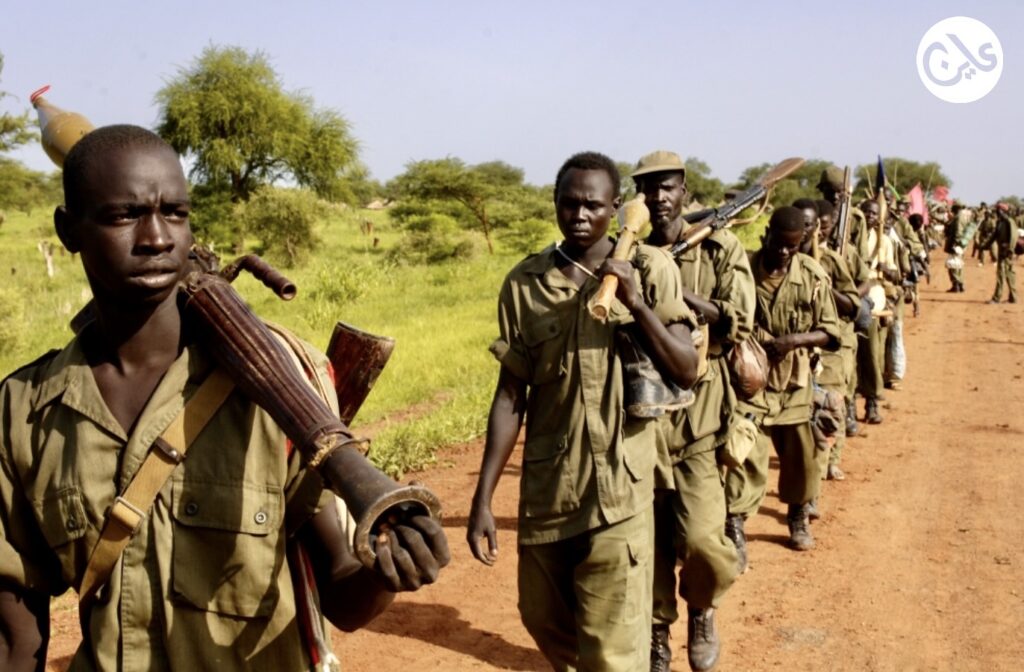
Years of conflict have already hollowed out the region. Fighting between the army and the SPLM-N, followed by tribal clashes during the transitional period, has left communities exhausted and isolated. Researcher Mohamed Abbas says Blue Nile has remained “in the shadows,” lacking basic services and forcing residents to fend for themselves—conditions that armed groups, including the RSF, have exploited to recruit among impoverished communities.