

Between Khartoum and Nyala: Humanitarian aid stuck amid legitimacy conflict
12 May 2026
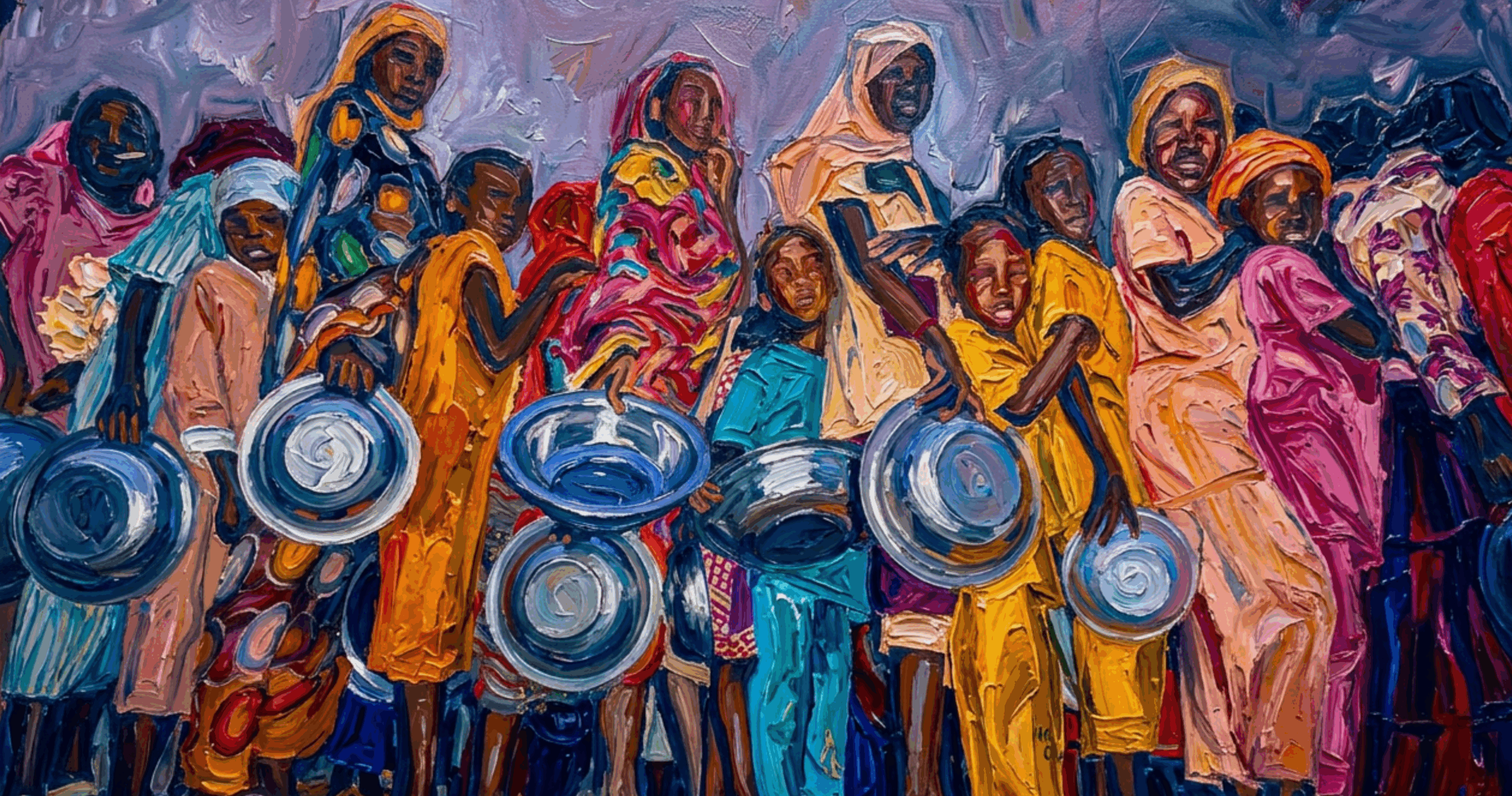
UN estimates indicate that more than 33 million Sudanese, including millions of people in Darfur, Kordofan and Blue Nile, are in urgent need of humanitarian assistance. However, this assistance is now at risk after the humanitarian file has turned into a political battleground between the warring parties: the Rapid Support Forces (RSF) and the Sudanese Armed Forces (SAF), which vie for the legitimacy of granting work permits to organisations.
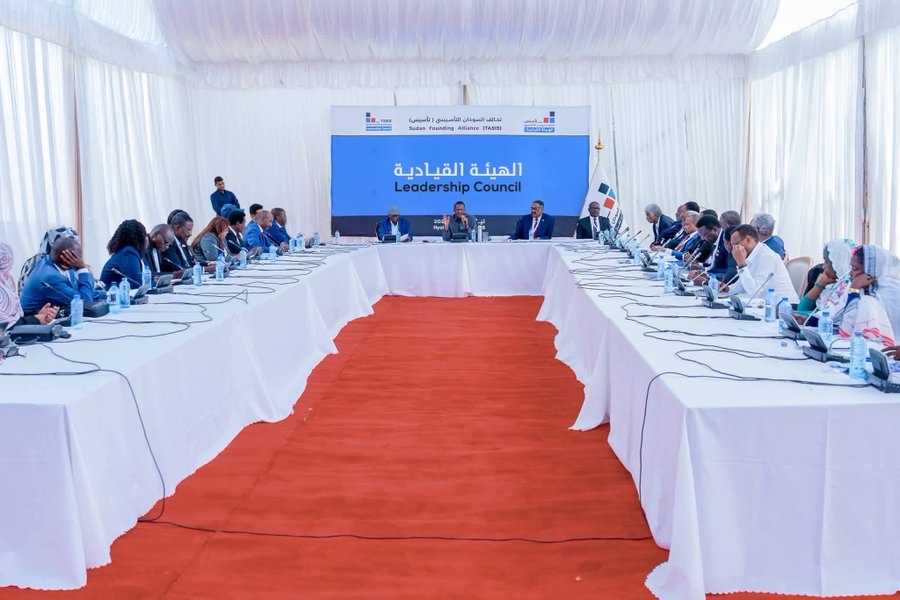
This development comes after the RSF-controlled “Tasis” coalition government stipulated that international humanitarian organisations must register with it and open their headquarters in the city of Nyala, South Darfur State, to operate in areas under its control. Any organisation that does not comply within 30 days will lose the ability to carry out any further activities in the RSF-controlled areas.
This proposal was rejected by the army-affiliated government, which in turn hastened to summon representatives of the organisations and the UN humanitarian affairs coordinator to warn them against dealing with parallel entities in Sudan.
According to volunteers who spoke to Ayin, these disputes have forced humanitarian work onto the agenda of political and military conflict. There are fears that decisions could lead to the expulsion of organisations, depriving millions of Sudanese people who depend on them for food and medicine.
“Humanitarian work is fundamentally based on the principles of humanity, neutrality, impartiality, and independence,” says humanitarian expert and Secretary-General of the Sudanese NGOs Forum, Ismail Hajana. “From a humanitarian and institutional perspective, any decision that restricts organisations’ access to civilians or imposes political alignment on humanitarian work creates significant risks for millions of beneficiaries, especially in a country experiencing one of the world’s most complex humanitarian crises.”
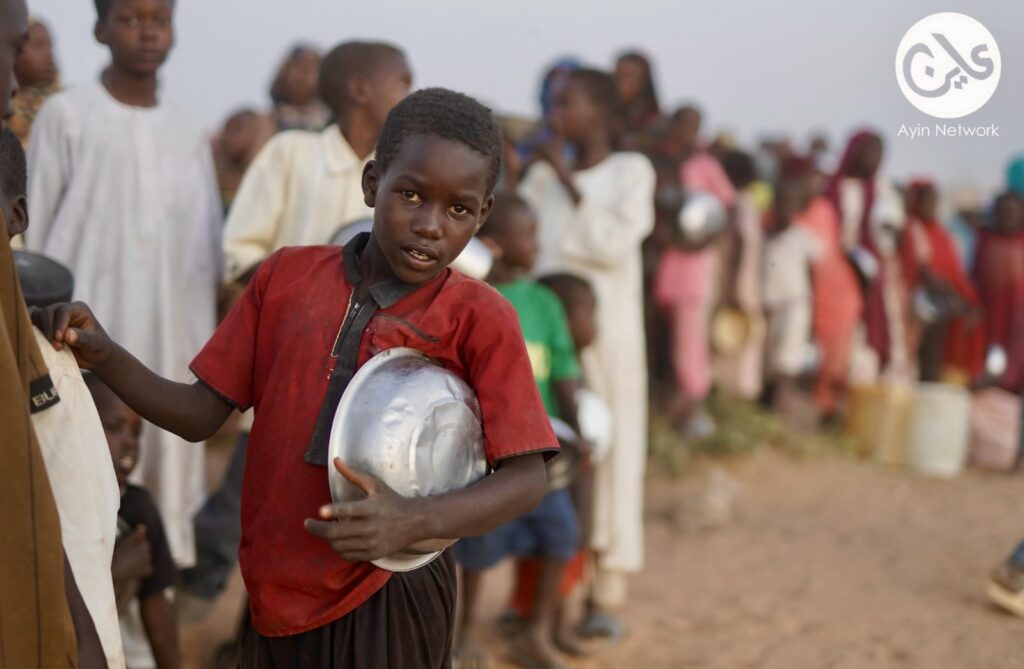
Over three years into the conflict, thousands of civilians in displacement camps and within cities in Darfur and Kordofan are living without sources of income, relying solely on aid provided by some humanitarian organisations.
Over the past few days, the Tasis alliance, which includes the Rapid Support Forces, the Sudan People’s Liberation Movement-North, and other military and political forces, has completed its parallel power structures to the military government by selecting a chief justice, forming the Council of Regions (which serves as an oversight body), and appointing new ministers.
A breach of sovereignty
Any humanitarian organisation that complies with the Tasis directive in RSF-controlled areas will face accusations of “breaching Sudan’s sovereignty” in SAF-controlled areas. Last Thursday, the army-controlled Ministry of Foreign Affairs warned organisations in a statement that any registration or signature agreement with the warring parties’ government would be considered “an act supporting entities parallel to the legitimate state institutions and a violation of Sudan’s sovereignty, territorial integrity, and national institutions.”
Humanitarian systems engineer Ismail Hajana says the military government’s move politicises humanitarian work, making it part of the political and security fight in a country with profound national differences and several de facto administrations. He warns that the decision’s direct impact on aid delivery, civilian security, and battle zone humanitarian assistance is the true threat.
“When the humanitarian environment is managed with a security mindset rather than with neutrality, independence, and humanitarian access, the natural result is the erosion of donor and international organisation trust, the complication of relief operations, and the pushing of millions of civilians towards further isolation and suffering,” Hajana said.
The miltiary government’s former foreign minister, Ali Youssef Al-Sharif, told Ayin that humanitarian actors should not be sanctioned for simply trying to carry out their humanitarian work. “My assessment is that no sanctions should be imposed on these organisations, given that the goal is humanitarian,” he told Ayin. The opening of offices does not affect the principle of sovereignty and the unity of Sudan’s lands, as long as the headquarters of those organisations remain in Khartoum and they continue their activities in the rest of Sudan,” he added.
Recognising the army-controlled government as the sole sovereign entity in Sudan has proven to be detrimental to countrywide aid operations, the World Food Programme reported. Any UN claims of recognising the army as the sovereign authority would lead to the RSF accusing the UN of impartiality and denying access.
Darfur and Kordofan
UN organisations have repeatedly complained about bureaucratic restrictions related to delays in granting visas to their representatives wishing to enter Sudan, which hinders their humanitarian work, especially in Darfur and Kordofan.
“The problem today is not only the scale of the needs, but also that Darfur and Kordofan have become the heart of the humanitarian crisis itself, where large segments of the population depend almost entirely on humanitarian aid,” Hajana said. “Any widespread disruption of the work of organisations will create a gap that no entity is currently capable of filling – especially with the collapse of the local service infrastructure and the weak capacity of official institutions to respond.”
The Integrated Food Security Phase Classification (IPC) and humanitarian agencies have reported a sharp decline in food security as the 2026 lean season begins. Famine conditions have been officially confirmed in El Fasher, North Darfur, and Kadugli in South Kordofan, while at least 20 other districts across Darfur and Kordofan are at immediate risk of sliding into famine-like conditions.
From bad to worse
The local human-rights advocacy group, Emergency Lawyers, has recently accused the warring parties of “turning humanitarian work into an arena for political and administrative wrangling”, pointing out that such obstruction was a “violation of international humanitarian principles”.
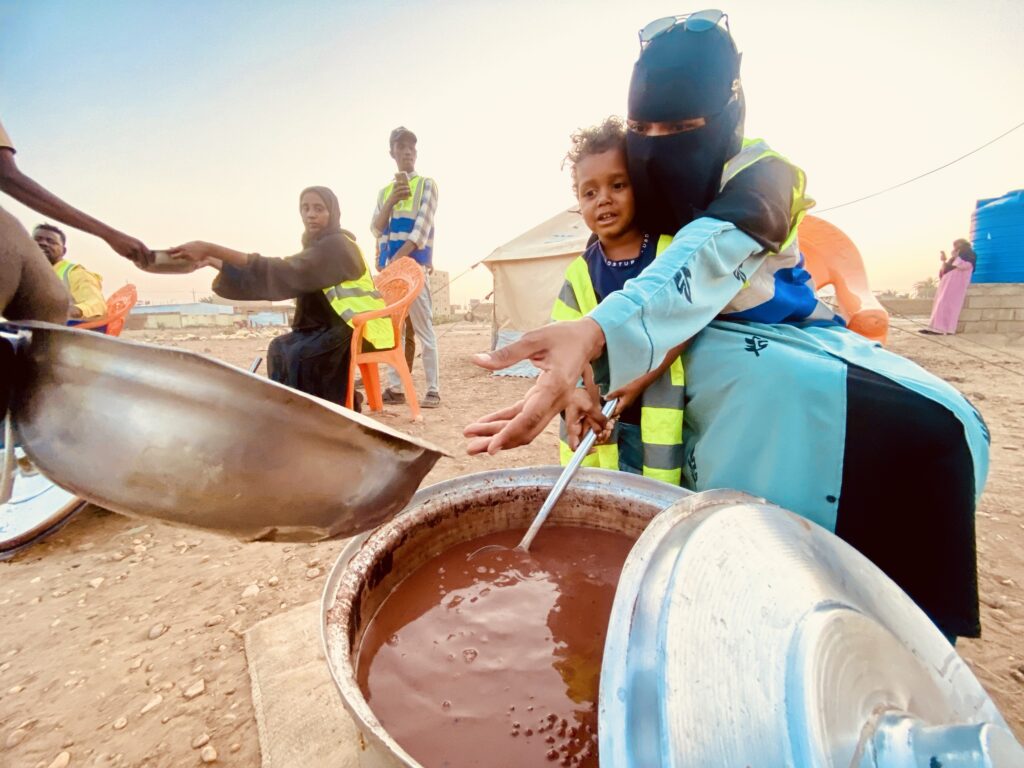
Volunteers in the Emergency Response Rooms who support the war-affected told Ayin they are extremely concerned the recent responses towards humanitarian operations by the warring parties will affect their operations. “What the organisations provide to the emergency rooms to serve hundreds of people affected by the war is less than the actual needs,” one volunteer, who requested anonymity, told Ayin. “So what if even this stops or they are expelled? This makes the situation go from bad to worse.”