

EU split over RSF terrorist designation
28 July 2026
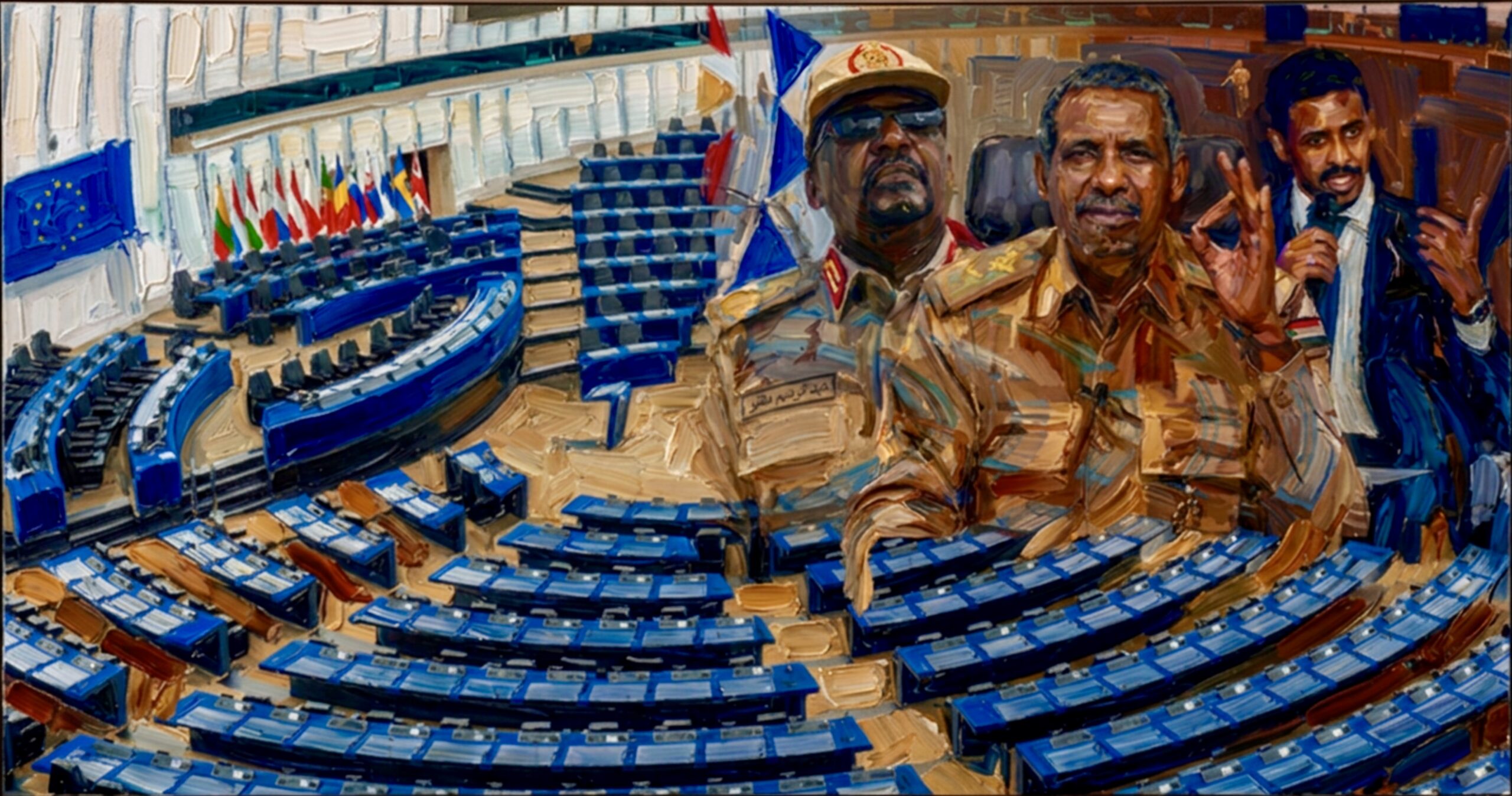
The European Parliament has called on the European Union to designate Sudan’s paramilitary Rapid Support Forces (RSF) as a terrorist organisation, marking one of the strongest political positions taken by a European institution against the paramilitary group since Sudan’s war erupted in April 2023. Yet despite overwhelming support inside the parliament, diplomats and Sudanese activists acknowledge that translating the symbolic vote into official EU policy remains highly unlikely in the near future.
The resolution, adopted on 9 July, had 476 votes in favour, 28 against and 97 abstentions, and reflects growing concern among European lawmakers about the atrocities committed during Sudan’s conflict. It strongly condemns alleged war crimes and crimes against humanity committed by the RSF while also calling on all parties to the conflict to halt attacks against civilians, end sexual violence and stop actions contributing to famine.
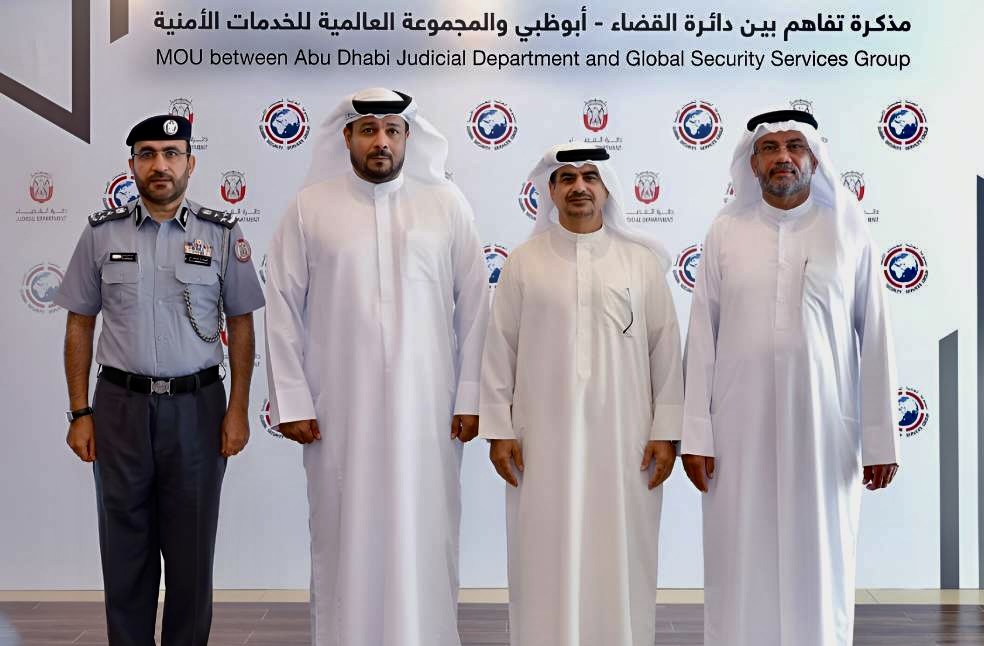
The Parliament’s resolution further urges the European Union to impose sanctions on individuals responsible for attacks against civilians as well as on external actors accused of fuelling the conflict. It specifically calls for sanctions against the Global Security Services Group over allegations that it violated the United Nations arms embargo on Sudan.
For many Sudanese campaigners across Europe, the vote represents the culmination of months of advocacy aimed at convincing European lawmakers to adopt a stronger stance against the paramilitary force. However, despite celebrating the parliament’s position, activists and European diplomats alike caution that the road toward an official EU terrorist designation remains politically complex, particularly regarding humanitarian access issues.
Sudanese lobbying campaign
Recently, Sudanese activists living across Europe have intensified their efforts to persuade European institutions to formally classify the RSF as a terrorist organisation. The campaign has involved a series of meetings with members of several political groups inside the European Parliament, according to activists interviewed by Ayin, who requested anonymity. Among the groups that engaged with activists were the Progressive Alliance of Socialists and Democrats (S&D), The Left, and members of the liberal Renew Europe group.
The lobbying effort focused on documenting alleged atrocities committed by the RSF, including mass killings, sexual violence, attacks on civilians, forced displacement and the destruction of infrastructure across Sudan. Activists argue that a terrorist designation would send a powerful political message, increase international pressure on the RSF leadership and restrict opportunities for the group and its networks to operate internationally.
However, despite welcoming the European Parliament’s vote, several activists expressed concern that the broader European Union continues to pursue what they describe as a policy of balancing its position between Sudan’s two warring parties.
They argue that, while European institutions increasingly acknowledge the scale of abuses committed by the RSF, policymakers remain cautious about adopting measures that are perceived as favouring one side over the other.
Institutional reality
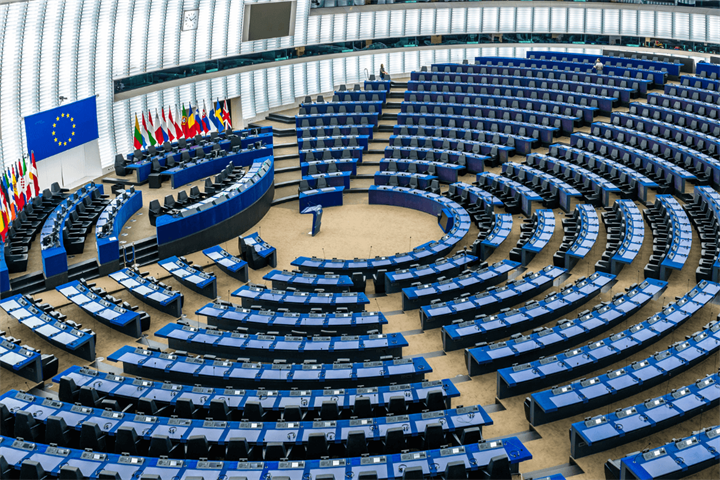
Although resolutions adopted by the European Parliament carry significant political weight, they do not automatically become European Union policy. Unlike parliamentary resolutions, decisions on EU sanctions and terrorist listings fall under the common foreign and security policy, where all 27 member states must unanimously agree before such measures can be adopted.
That institutional distinction has become the central obstacle facing campaigners seeking an official terrorist designation.
A senior EU diplomat, speaking to Ayin on condition of anonymity, said they see little chance that the RSF will be formally designated as a terrorist organisation in the foreseeable future. These rejections, the diplomat claims, are not linked to lobbying foreign governments, such as the UAE and Israel, but more institutional barriers.
Many governments, diplomatic sources said, remain unconvinced that adding the RSF to the EU’s terrorist list would produce tangible benefits beyond its symbolic value. “There are many member states that don’t see the practical usefulness of this designation beyond public relations,” the diplomat said.
Another major concern involves humanitarian operations. The diplomat warned that formally designating the RSF could unintentionally complicate humanitarian assistance in territories under the group’s control. “If an NGO is taxed by the RSF, they could effectively be financing terrorism,” the diplomat explained. Such a designation could expose humanitarian organisations to legal liability or significantly complicate aid delivery in areas where millions of civilians remain dependent on humanitarian assistance.
The EU tightens economic pressure through gold sanctions
While prospects for a terrorist designation remain uncertain, the European Union has continued expanding its sanctions regime targeting Sudan’s war economy.
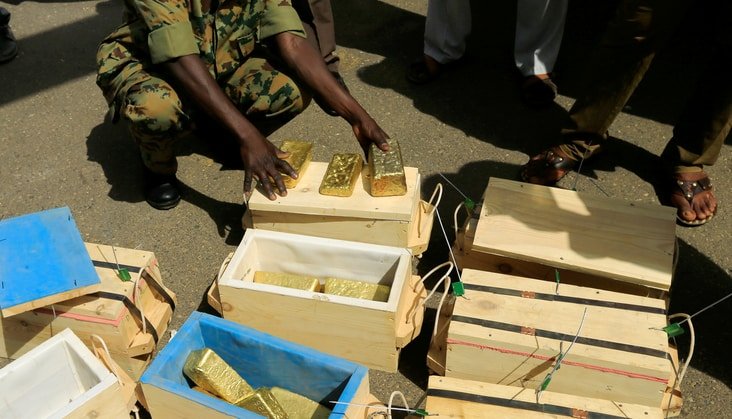
On 14 July 2026, the Council of the European Union announced new restrictive measures designed to reduce sources of financing sustaining the conflict. The package introduces a ban on the purchase, import and transfer of gold originating from Sudan. It also prohibits the sale, supply, transfer and export of mercury and cyanide to Sudan — chemicals that are widely used in gold mining and processing.
The measures extend beyond trade restrictions to include bans on related technical assistance, brokering services and financial support associated with those activities. European officials argue that gold has become one of the principal sources of revenue sustaining Sudan’s conflict.
“The European Union continues to use all available tools — including sanctions — to press for peace, including additional sanctions targeting Sudan’s war economy,” said EU High Representative for Foreign Affairs, Kaja Kallas.
For many analysts, these economic measures may ultimately prove more achievable than a terrorist designation, precisely because they address specific sectors and financing mechanisms rather than fundamentally altering the EU’s legal relationship with one of Sudan’s principal armed actors.
Symbolic victory, uncertain outcome
The European Parliament’s overwhelming vote represents one of the clearest institutional condemnations yet of the RSF’s conduct during Sudan’s conflict. For Sudanese activists who have spent months lobbying lawmakers across Europe, the resolution constitutes an important political victory and demonstrates growing recognition inside European institutions of alleged atrocities committed by the paramilitary force.
While members of the European Parliament have called for a terrorist designation, the decision ultimately rests with the governments of the EU’s 27 member states, where unanimity remains essential.
As a result, European policy toward Sudan appears likely to continue evolving through targeted sanctions, financial restrictions and diplomatic pressure rather than through an immediate terrorist designation.