

Forced “voluntary” returns: how Kassala is pushing displaced people out
29 May 2026
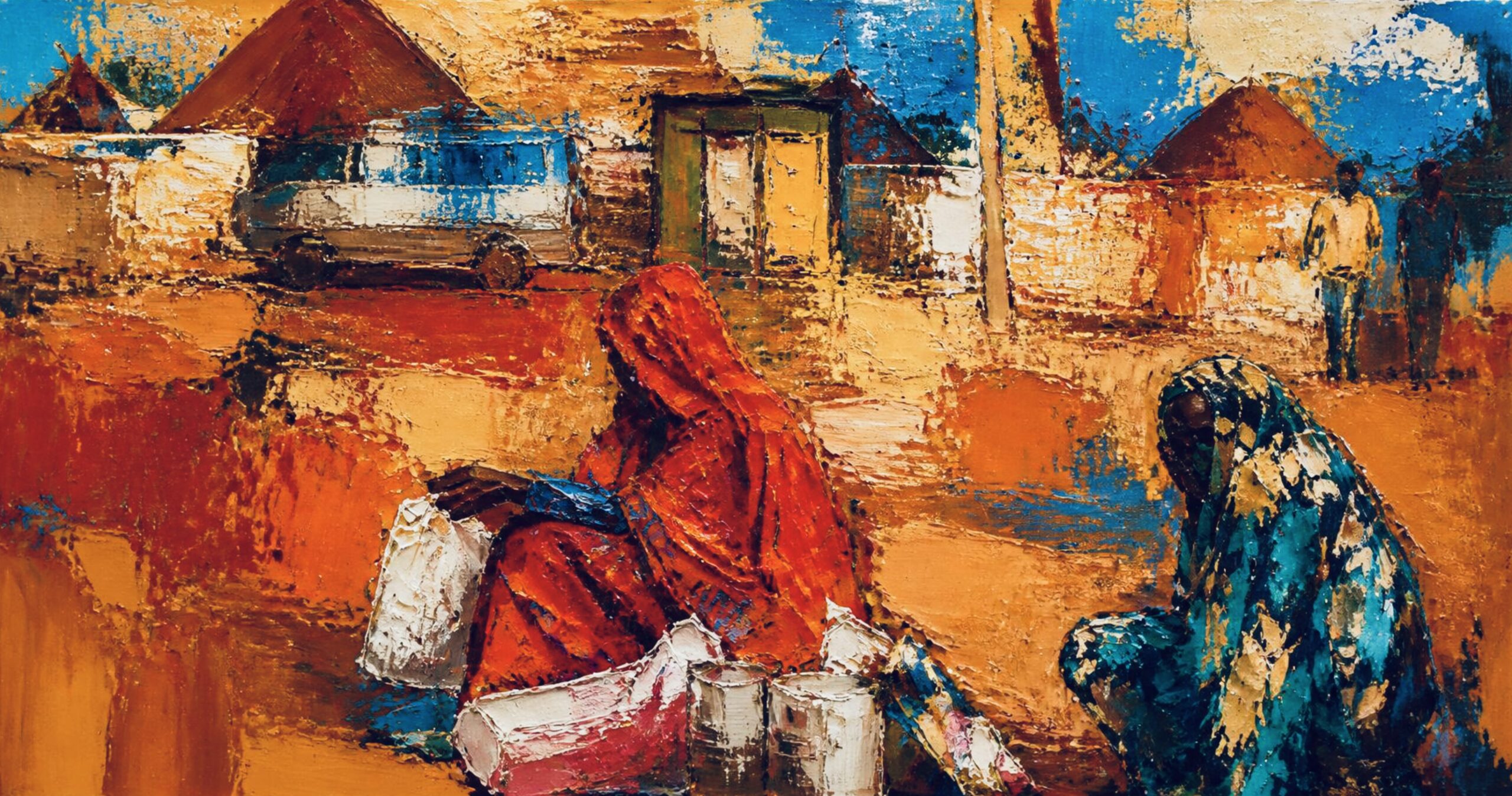
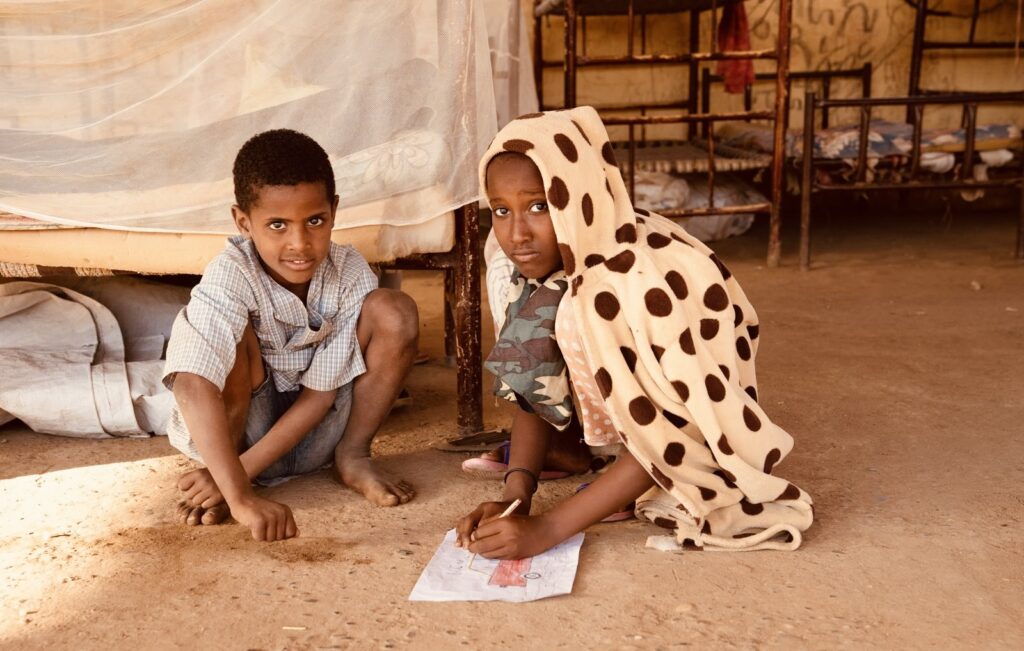
In a shelter centre in Kassala stripped of basic services, Marwa* and her family have endured three years of displacement. Life in the camp has been harsh, but she now faces an even more difficult prospect: being pushed to return to Khartoum – the very city she fled.
Marwa does not want to return because she says her home in Khartoum was destroyed and looted. “There is no home to go back to,” she says.
She is not alone. Displacement shelters in Kassala are now largely empty, as thousands of internally displaced people (IDPs) face pressure to return to areas of origin such as Khartoum, Al-Jazeera, Sennar, and Darfur. Similar to campaigns reported in Uganda and Egypt, sources in Kassala say authorities under the military-led government have begun dismantling camps and shelters as part of efforts to return displaced people.
Aid workers and displaced residents say authorities have dismantled camps across the eastern city and have registered the displaced for what they call ‘voluntary returns’ to war-affected regions.
Camp clearances
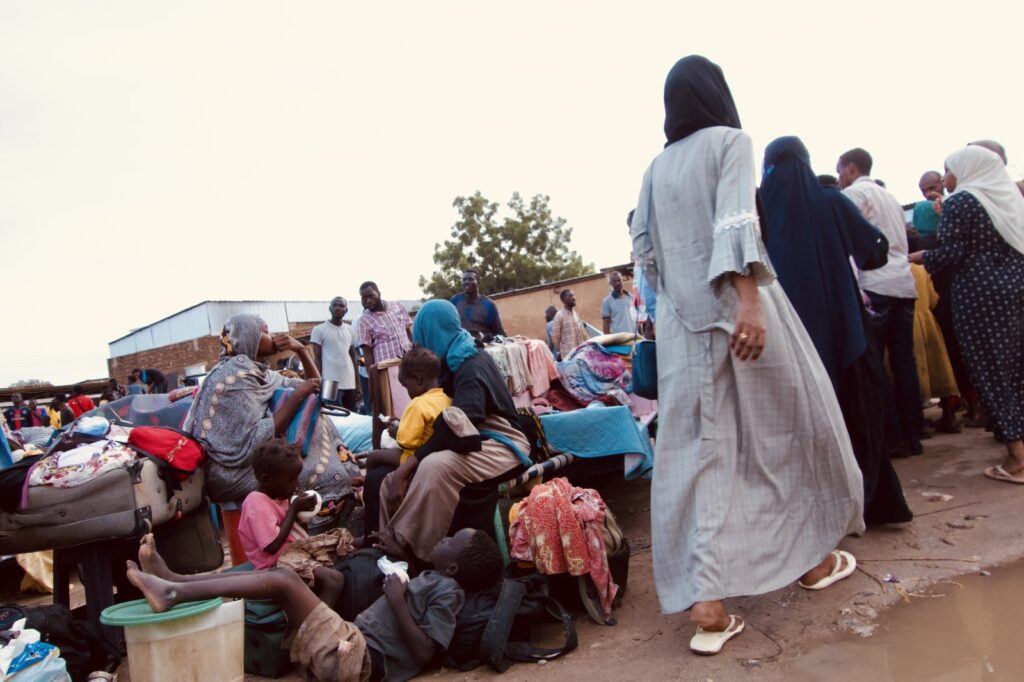
A volunteer working with community kitchens in Kassala said the first state-organised departures left for Khartoum on April 13, carrying a large number of displaced people. Registration for what authorities described as “voluntary return” continued for a month. These operations are ongoing.
An IDP camp manager who requested anonymity told Ayin that the displacement shelters in Kassala are now largely empty after evictions and camp dismantling.
Evictions affected displaced people from West Airport Camp, the Agricultural Research Centre, and many from the Al-Basel Centre. The camp manager estimates that roughly 2,023 families were affected. Many had nowhere to go. “Most of them were sleeping on the streets before leaving for their home areas,” the camp manager said.
For example, about 55 displaced families previously took refuge near the Al-Basel camp and are now staying at its gate. Others have moved to the Riba suburb at Kassala’s western entrance, where they are staying in unfinished buildings under difficult humanitarian conditions.
On the streets
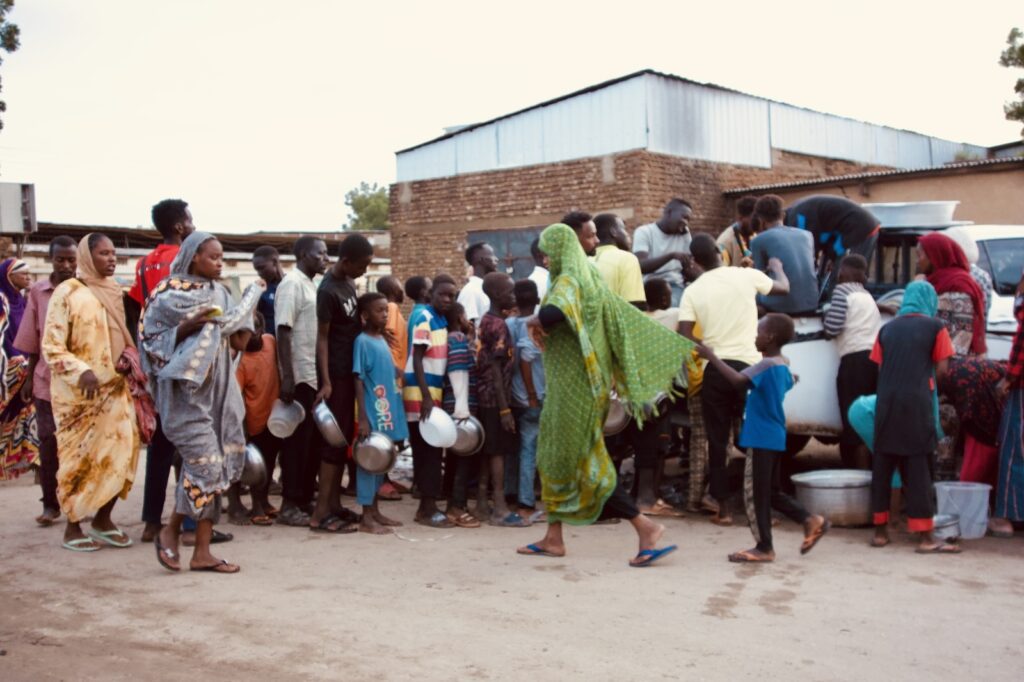
Hanan* and her family of ten are among those who have been living on the streets for months.
Hanan, who spent months moving between shelters in Kassala, describes a cycle of displacement that eventually pushed people onto the streets as camps were shut down or became uninhabitable. When they were forced out last, she recalls the violence that accompanied the eviction. “People were beaten, water was cut off, and food baskets stopped,” she told Ayin. “We ended up living on the streets during the entire rainy season.”
Today, Hanan lives beside the Agricultural Research Centre, the same shelter they were previously expelled from. Conditions on the streets remain dire. “There is no food, no water, nothing.”
Currently, Hanan is constantly struggling to find small jobs to support her family. She says it pains her to see children unable to attend school as they should, instead working to earn small wages families depend on for survival. “Everyone here is carrying heavy responsibilities.”
Duplicated displacement
Displaced women in Kassala described similar pressures to register for the authorities’ “voluntary” return. Due to ongoing harassment, Ruwaya* also repeatedly moved between camps and shelters in Kassala over several months. Government authorities asked Ruwaya and all the displaced people living there to register for the “voluntary return” lists to Khartoum.
Ruwaya says this was no request; she was forced to register her “voluntary” return to Khartoum, even though her situation does not allow it. Her husband is ill, all their belongings were looted, and their home in Khartoum was rented out. Like Marwa, she has no place to go in the capital. She adds that she will return, but she does not know where she will go with her children, who need constant care, further complicating this situation.
“The real reason people are staying away from Khartoum is not because they hate it, but because life has become impossible there,” Hanan said. She explains how most women she knows who went through the same struggles have no support left, since their husbands were lost in the war and others have no work and no funds to provide for themselves. “We are not refusing to return to Khartoum for no reason,” she stresses.
Exiled by force
Umm Muhammad*, displaced from Nyala, the capital of South Darfur State, to Kassala, recounts in depth her suffering during ongoing government campaigns to clear camps. She says she faced conditions she had never seen before. The Kassala State authorities treated her harshly, she said, forcing her to relocate to a camp west of the airport. While there, armed state actors showed up, insisting she leaves.
After enduring severe harassment, Umm Muhammad was forced to move to al-Basel camp in Kassala, but the persecution continued. “In every centre I stayed in, we displaced people were forcibly evicted,” she said. [Each time], the violence was extreme, accompanied by constant threats from the soldiers and other armed men.” Interviewees describe the short deadline they all had to leave the shelters.
Umm Muhammad revealed that several government officials in Kassala State, including the secretary of the Zakat Bureau, a deputy prosecutor, and the sports official, visited the shelter where she was staying. They gathered the displaced women and informed them of the need to evacuate the camp and return to their original areas, claiming that the situation had become safe. The officials also stressed that those who did not wish to return should find a place other than the shelters to stay in. Military vehicles forced a violent evacuation of the camp after this announcement.
Nowhere to go
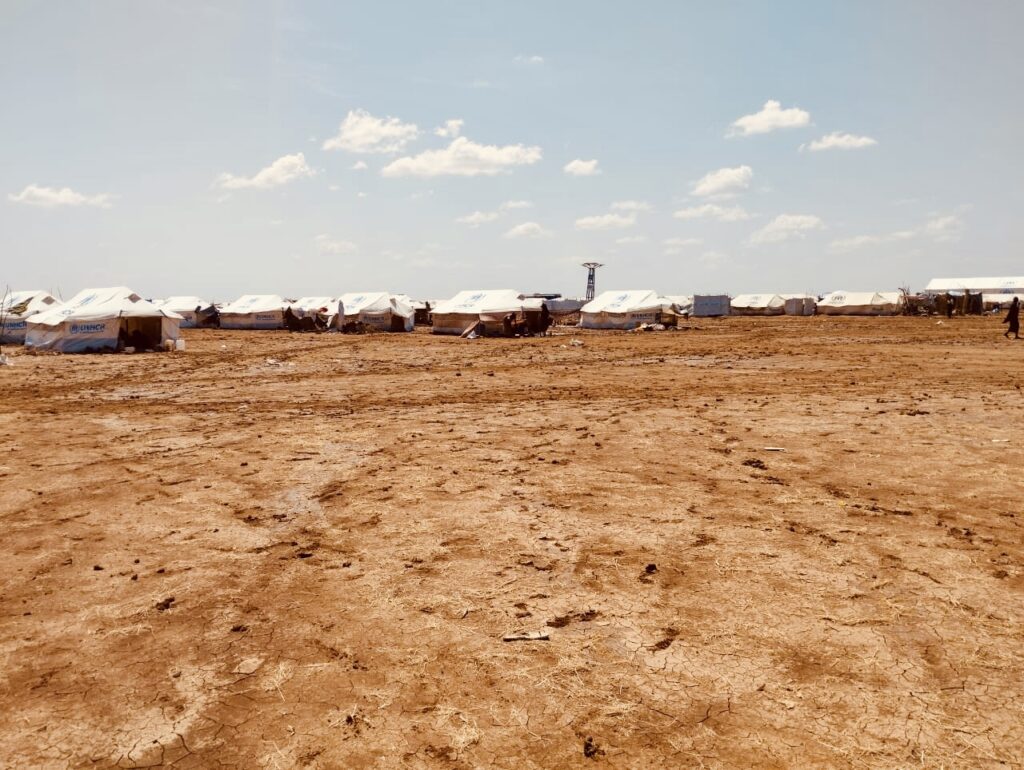
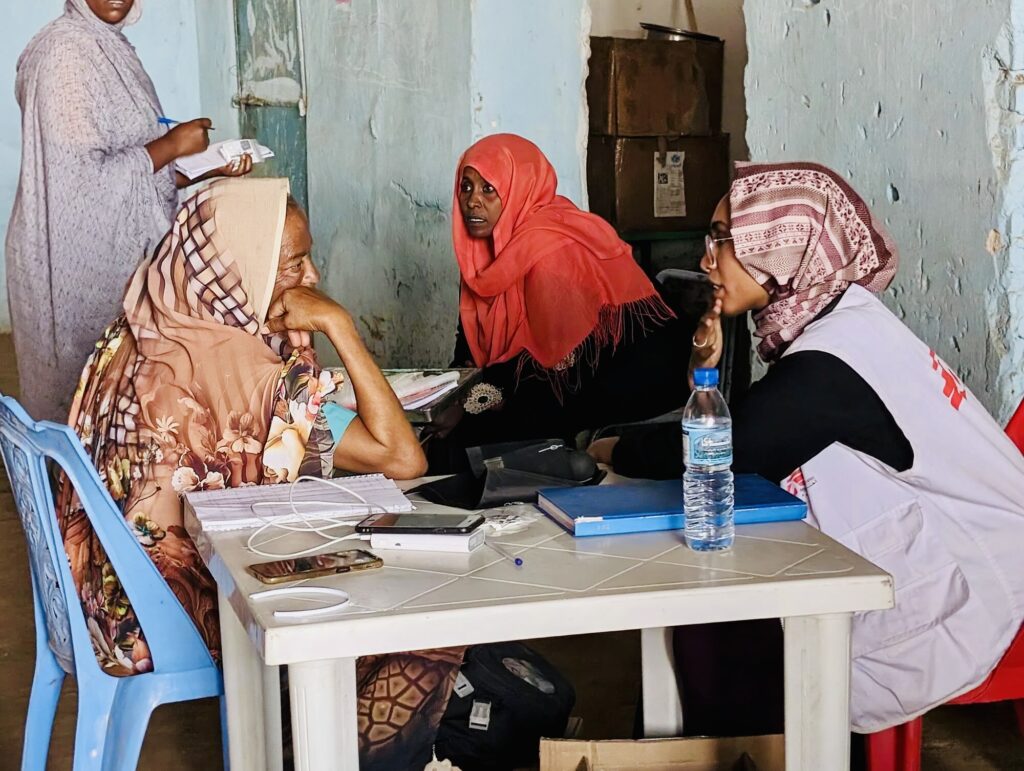
According to Asma*, aid for the displaced has been cut off, forcing them to relocate and exacerbating the humanitarian situation. She says authorities in Kassala withdrew twenty water tankers that had been supplying drinking water to displaced people and also removed tents and houses inside the camps, using excessive force against the displaced in all these operations. The Humanitarian Aid Commission, the body responsible for displaced people, remained silent regarding all these practices and violations against the displaced in Kassala.
The same feeling grips Amani*, a displaced woman from El Fasher (Darfur) who arrived in Kassala. Displaced multiple times, Amani fled the conflict and thought she would find some security in Kassala. “I thought that Kassala was part of Sudan. So how can we be evicted on the grounds that the government does not want displaced people? Where do we go?” As they continue to close shelters for the displaced, Amani fears her situation will only become more desperate.
“If the camp is evacuated, I will have to go to the nearest tree to stay under.”
* Names have been changed to protect the sources’ identities