

From collapse to clicks: Sudan’s journalists forge a digital resistance
4 May 2026
As the war in Sudan enters its fourth year, the nation’s traditional press institutions have faced a near-total collapse. The physical dangers are immense; on World Press Freedom Day, the Sudanese Journalists Syndicate reports that the conflict has claimed the lives of 34 journalists and documented 680 violations against the press.
Faced with strict restrictions and perilous field conditions, displaced Sudanese media professionals and intellectuals are redefining their survival, turning to digital alternatives to preserve their culture and reclaim their narratives.
Finding balance in exile
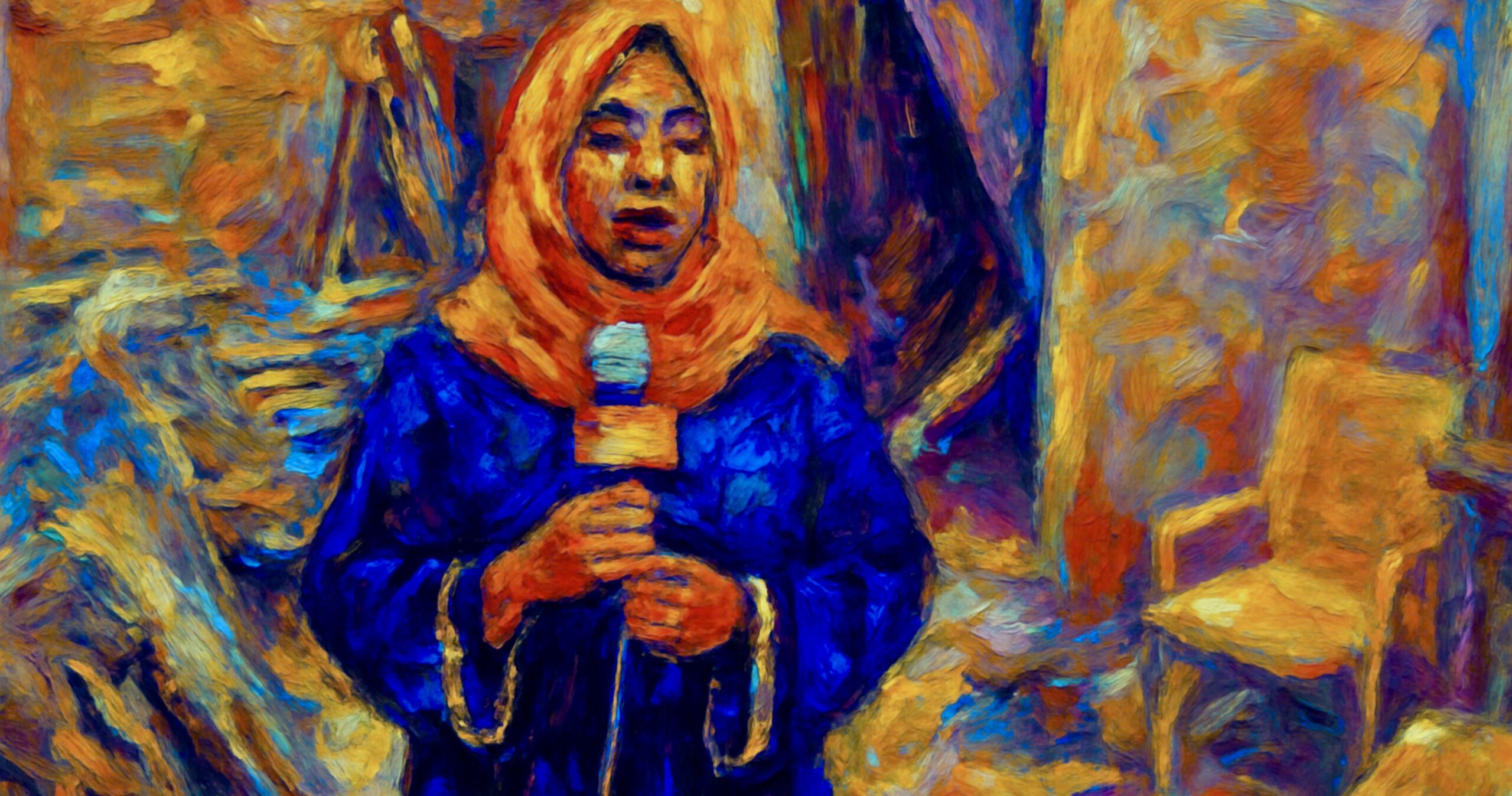
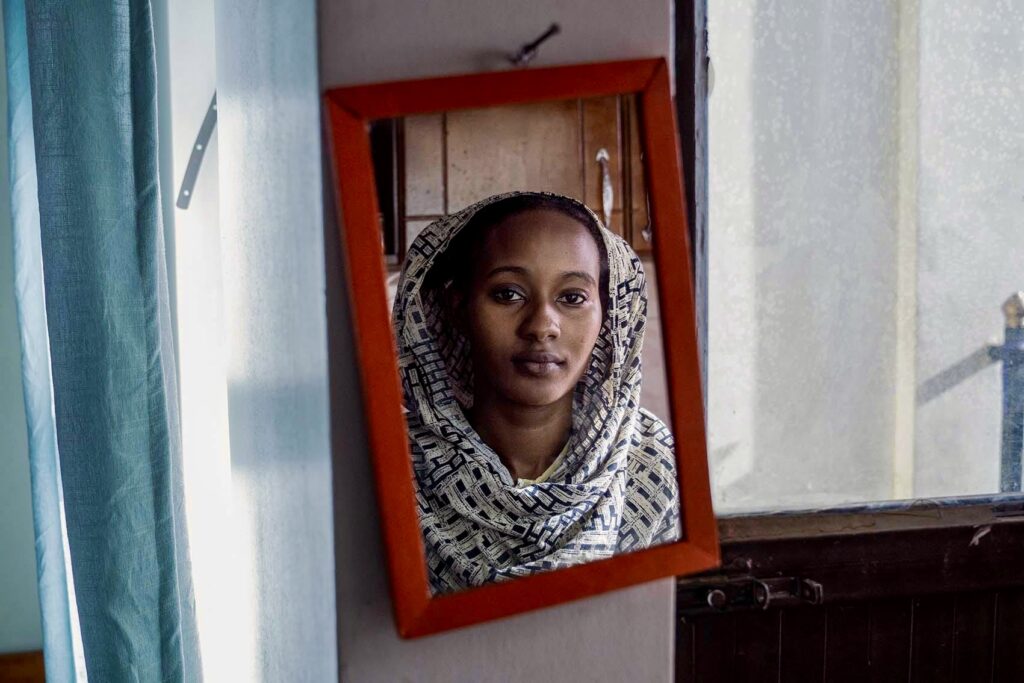
When broadcaster Mahasin Ahmed fled to Kampala, Uganda, shortly after the war began, she carried only her media experience and her infant child. After she was forced to start over, she briefly tried the restaurant industry before realising that media was her only true anchor. Finding relative stability in Kampala, she returned to radio and explored online journalism. However, she quickly pivoted to visual content creation to better capture the human realities of displacement.
“I didn’t last long, as I felt that this traditional form does not keep pace with the transformations imposed by the war and does not allow enough space for human narrative,” Mahasin explains. “In contrast, visual content seemed to me more capable of reaching and influencing, especially in an environment where the audience is turning towards ‘watching’ rather than reading.”
Regarding her foray into content creation, Mahasin says her first experience was with the story of a young man displaced from El Fasher, documenting his complex suffering under the shadow of war. Later, she presented another story about a young Sudanese woman who opened a small business in Kampala, achieving widespread recognition and transcending the individual level to raise broader questions related to displacement, war, and social transformations.
Her content quickly evolved from individual stories of displaced youth to broader explorations of war, displacement, and social transformation. Today, she focuses heavily on podcasting and navigates the complexities of producing media in a highly polarised environment.
“Trying to produce (neutral) content in the context of a polarised war places the content creator in a grey area, where they can be accused of taking sides, even when adopting a pro-peace discourse,” she says. Despite facing online harassment and the societal pressures of being a woman in the public eye, Mahasin’s mission remains resolute. “Supporting peace, spreading hope, and confronting hate speech through cultural tools, from singing to visual storytelling.”
A necessary digital transformation
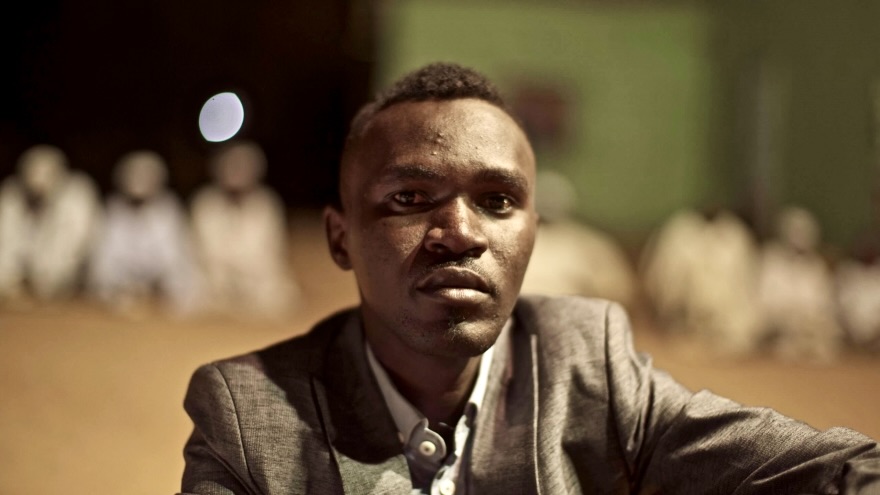
Mahasin’s journey mirrors a broader shift in the Sudanese media landscape. Journalist Fateh Al-Rahman Bashir notes that the move to digital was not a choice but a necessity imposed by the conflict. “This transformation has enabled an unprecedented speed in the spread of content and a diversity in its forms, from short videos to podcasts, but at the same time it has created real challenges, most notably the credibility crisis, the pressure of interaction, and the continuous need to produce attractive content in a highly competitive environment,” Bashir observes.
He emphasises that content creators are actively shaping the collective memory of a displaced population. “Content is no longer just a transmission of events but has become part of the conflict itself through its ability to shape narratives and direct public opinion,” he notes, adding a critical question: “Herein lies the greatest challenge: how can a content creator balance speed and accuracy, impact and respect for the sensitivities of victims?”
Salvaging Cultural Memory
For writer and critic Mamoun Al-Jak, this digital pivot represents a fundamental shift in the nature of Sudanese culture itself. “These transformations were accelerated by the war, as the presence of traditional media, from newspapers to radio and television, declined, in contrast to the rise of social media platforms as a major alternative,” Al-Jak states. “This transformation no longer changes only the medium; it also changes the very nature of cultural action itself.”
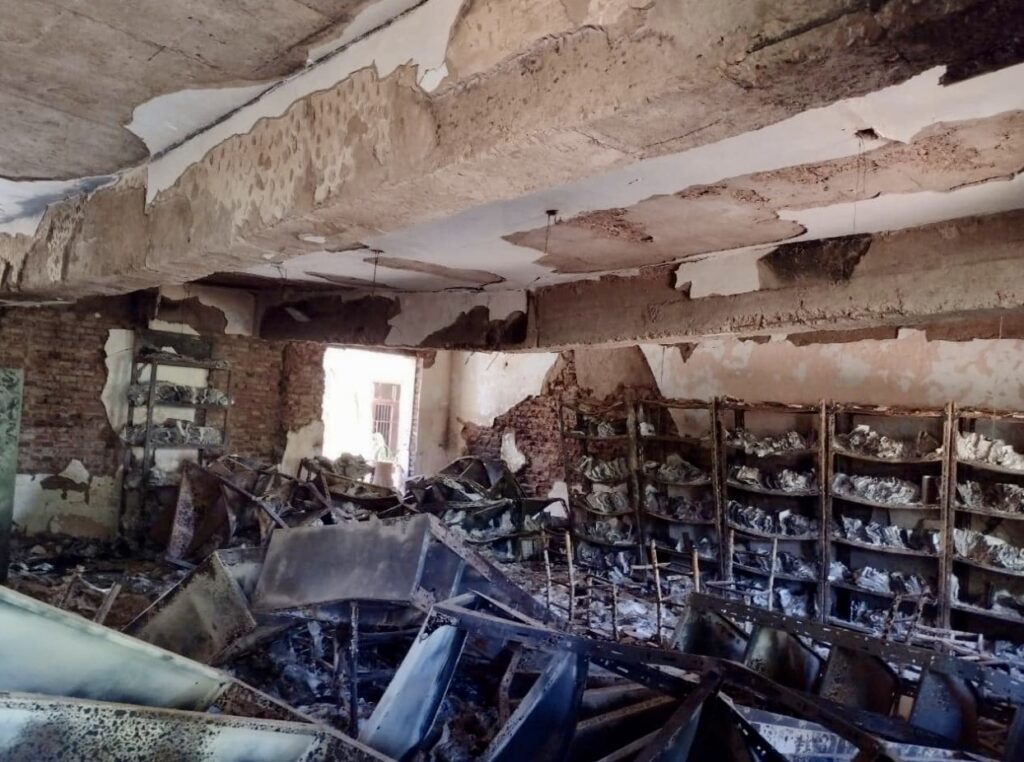
With physical public spaces decimated, digital platforms are now the primary incubators for mass culture. Al-Jak urges Sudanese intellectuals to embrace this new reality to combat the erosion of their heritage. “In the absence of public space and the disintegration of daily life, the digital space has become the primary incubator of mass culture,” he explains. “Digital content, despite its chaos, has become a means of salvaging what can be salvaged of cultural memory faces at a time when this memory is facing an unprecedented threat.”
He highlights digital initiatives like “Preserving Sudanese Heritage” and Ayman Hashim’s “The Garden of Words” as vital tools in countering wartime narratives of grudge and division.
Continuity amidst decline
While the infrastructure of creation has been shattered, the impulse to create has not. Journalist Eissa Dafallah points out that an emergent genre of “war literature” is taking root alongside new musical works and exiled television productions. “Nevertheless, some old problems still exist, especially in dramatic production, in terms of weak artistic quality. In contrast, written content, especially literary narratives, stands out as one of the most capable forms of attracting the audience, due to the depth and diversity of treatment it offers,” Dafallah notes.
Ultimately, the survival of Sudanese media relies on the tenacity of its creators. Viewing the digital shift as a natural, if accelerated, evolution, Dafallah concludes, “Some initiatives have succeeded in achieving a presence and influence, as well as limited economic gains, despite the difficult circumstances.”