

4 March 2026
To keep our readers informed of the multitude of events taking place in Sudan amidst the ongoing, devastating war, we have developed a series of weekly news briefs covering eight major topics of the week.
In this week’s edition:
- Sudanese-Ethiopian tension surrounds Burhan-Ahmed meeting
- Discontent among gum arabic producers in kordofan due to low prices
- Ground battles return to South Kordofan
- Sudanese refugees leave egypt after prison release
- UN official arrives in khartoum as Kordofan escalation threatens aid
- Military escalation and displacement from Kurmuk and Qaysan
- UN official warns Sudan is becoming a ‘land of despair’
- Air strikes on El Obeid continue for third week
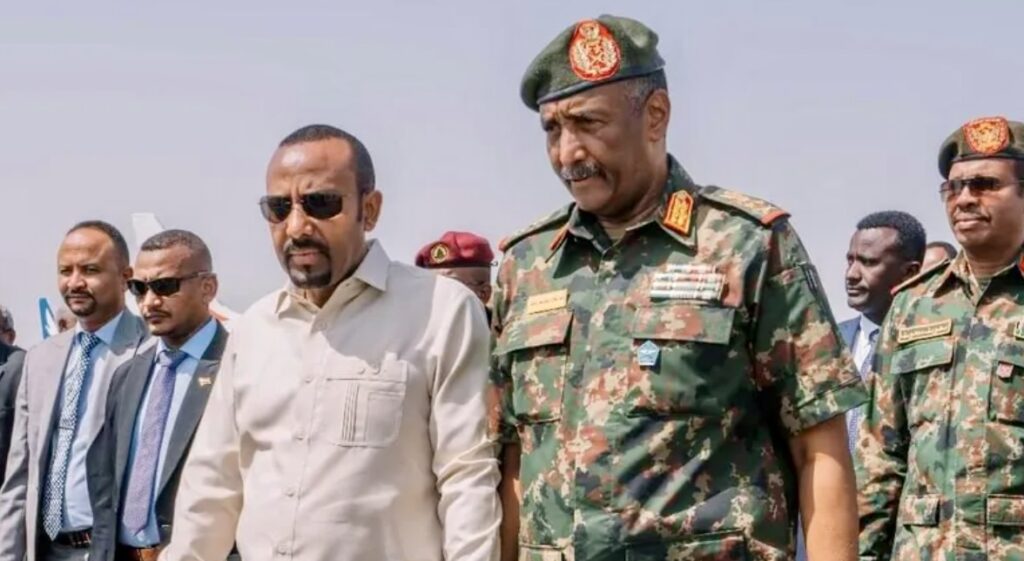 1) Sudanese-Ethiopian tension surrounds Burhan-Ahmed meeting
Tensions between Sudan and Ethiopia have escalated amid ambiguity over a potential meeting between Sovereignty Council Chairman Abdel Fattah al-Burhan and Prime Minister Abiy Ahmed.
Sudan’s Ministry of Foreign Affairs said it had detected hostile aerial activity involving drones launched from Ethiopian territory targeting sites inside Sudan. In a statement, the ministry described the developments as “hostile behaviour,” stressing that they are unacceptable, a blatant violation of international law, and a direct attack on Sudan’s sovereignty.
The ministry warned Ethiopian authorities against continuing such actions, noting that Sudan reserves its full right to defend its sovereignty and territorial integrity by all legitimate means to counter these attacks.
A diplomatic source told Ayin that Saudi Arabia is leading mediation efforts to contain the crisis. The source said Saudi Foreign Minister Faisal bin Farhan Al Saud visited Addis Ababa in mid-February and met Ethiopia’s premier, Abiy Ahmed.
“Following the meeting, Saudi Arabia requested that the Sudanese government work to de-escalate tensions and facilitate talks between the Chairman of the Sovereignty Council, Lieutenant General Abdel Fattah al-Burhan, and the Ethiopian Prime Minister,” the source said, adding that no breakthrough has yet been achieved to pave the way for such talks.
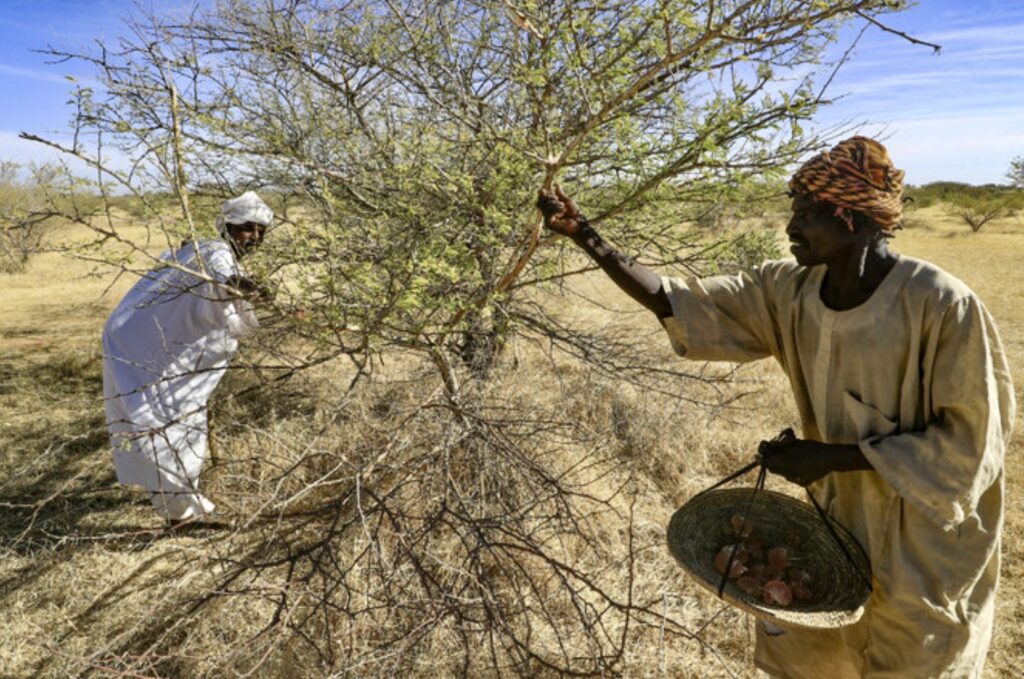 2) Discontent among gum arabic producers in kordofan due to low prices
Widespread discontent is growing among gum arabic producers in the Kordofan region of western Sudan as prices remain depressed nearly two months into the harvest season, with trade restrictions and export barriers compounding the crisis.
“The purchase price of a quintal of gum arabic (about 44 kilograms) reached 170,000 pounds, equivalent to about 45 US dollars, which is a meagre amount compared to the period before the outbreak of the current war,” a trader in West Kordofan told Ayin.
He added that traders are storing gum locally due to the lack of export outlets. “The Rapid Support Forces refuse to transport goods and crops to northern and eastern Sudan, and if a person is caught carrying a single sack of gum, he will be imprisoned and fined huge sums on charges of smuggling to enemy areas,” he said. “The gum has been piling up in my warehouses for two years, and we don’t know what to do with it, yet we continue to buy. If we stop, poor producers will not find any outlet to market their produce.”
In October 2024, the Rapid Support Forces Advisory Council in Darfur banned the movement of goods, livestock and minerals to army-controlled areas. The decision triggered a sharp decline in crop prices across Kordofan and Darfur, with peanuts falling to about 20,000 Sudanese pounds per quintal—roughly $3.50—while food prices continue to rise in areas affected by counter-restrictions.
“Despite the challenges and the deteriorating security situation, we were able to tap the acacia trees and produce gum during the current season, but the prices were very low and did not cover the costs of production,” Adam Al-Sayed, a producer from West Kordofan, told Ayin.
“I faced great difficulties in reaching the acacia grove and preparing it for production. The workers’ wages were very high due to the deteriorating security situation and the spread of armed men, while the purchase prices were low compared to the production costs,” he said. “I also faced many challenges in harvesting because armed men stormed the gum farms and began harvesting for their own benefit, and I cannot object because that would expose me to being killed…because of these challenges, there will be no gum arabic production next year unless the war stops.”
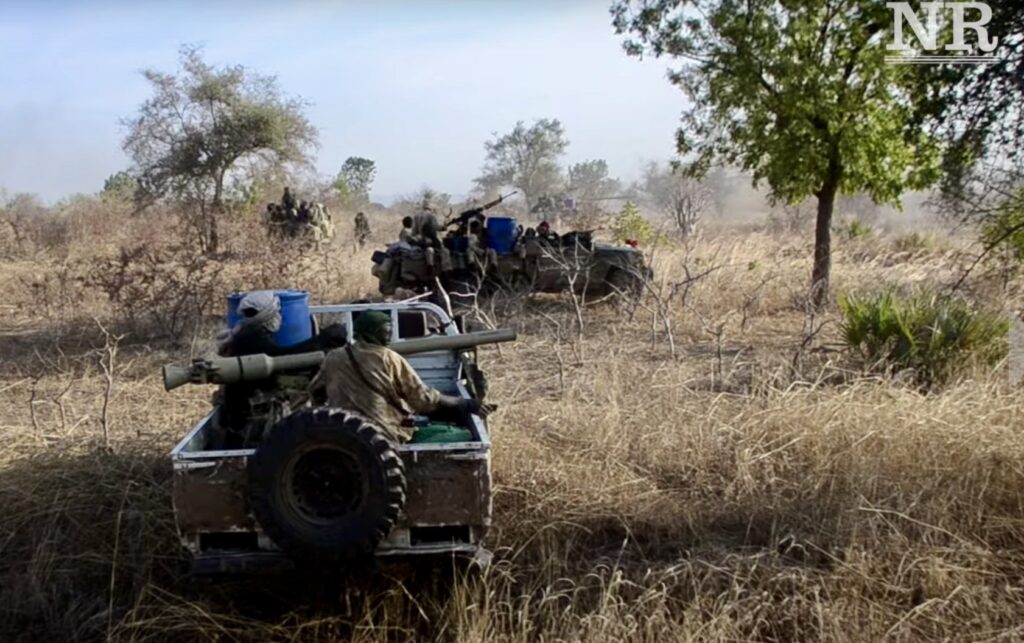 3) Ground battles return to South Kordofan
Ground fighting has resumed in South Kordofan State after weeks of relative calm, raising fears of renewed escalation around the cities of Dilling and Kadugli.
On Sunday, 1 March, Dilling awoke to a coordinated ground assault from three axes—west, east, and north—supported by drones. Clashes lasted more than an hour before the Sudanese army repelled the attack, forcing the withdrawal of the “establishment” alliance forces.
“I woke up to the sounds of the attack from the north, and then we quickly began to hear gunfire from all directions, due to the tremor and echo caused by the mountain,” said Hanfi Burjila, a resident of the Al-Toumat neighbourhood.
He said drones supported the assault and that bombardment struck several areas, including the women’s ward at Al-Dilling Teaching Hospital. “The situation in general was chaotic, and it was a very large battle in terms of strength and mobilisation,” he said, noting that some serious injuries were treated outside the hospital for fear of further strikes.
An informed source said the attacking force was likely positioned in Jabal al-Kadar and Jabal Faraqal prior to the assault, adding that indicators following Sunday and Monday’s clashes are “very dangerous”, with expectations of a renewed siege on the city.
 4) Sudanese refugees leave egypt after prison release
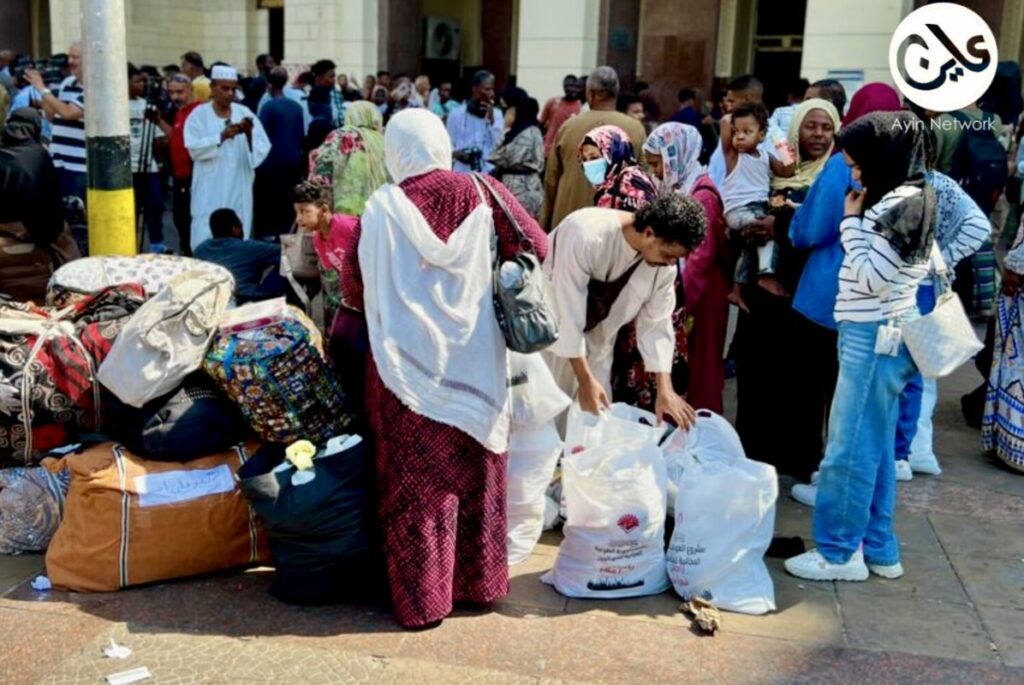
A plane carrying 107 Sudanese refugees, including individuals released from Egyptian prisons, departed Cairo for Port Sudan on Sunday, 1 March, according to Mohamed Wadah, head of the voluntary return committee.
“The first trip, launched by the ‘Hope Committee for Voluntary Return’, included 107 Sudanese, among them a group of those who were detained in prisons as a result of the recent security campaigns against refugees and foreigners,” Wadah told Ayin, adding that women, children and elderly people were also on board.
Sudanese Prime Minister Kamil Idris, following a visit to Cairo, said Sudan and Egypt agreed to form a joint committee to release detainees held over residency violations.
In remarks to the Sudanese community, Idris denied systematic targeting. “The Egyptian government assured him that the security campaigns have no connection to Sudanese refugees, accusing unnamed parties of spreading misleading information through social media to incite discord between the two brotherly countries.”
Meanwhile, the Egyptian Network for Human Rights reported deteriorating health conditions of a detained Sudanese asylum seeker, warning of urgent medical needs.
 5) UN official arrives in khartoum as Kordofan escalation threatens aid
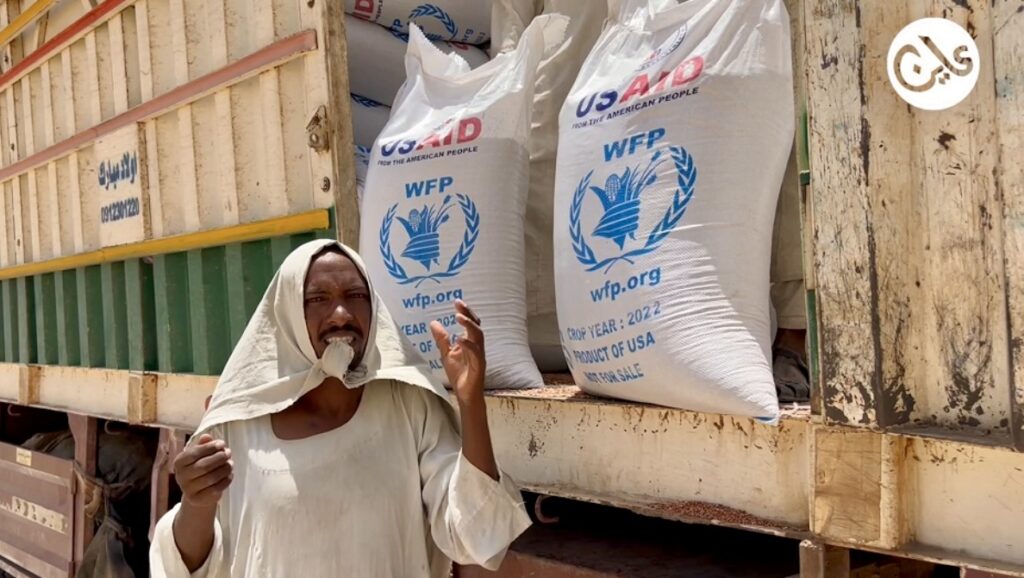
A United Nations aircraft landed in Khartoum for the first time since war erupted, carrying UN Humanitarian Coordinator Denise Brown.
“I want to emphasise how delighted I am to be on board the first UN Humanitarian Air Service flight to Khartoum in three years. This is a very important event for the humanitarian community,” Brown said, according to news reports.
She noted that around 100 UN staff are currently operating in the capital, marking what she described as a significant step toward addressing the worsening humanitarian crisis.
However, renewed fighting in South Kordofan threatens recent gains. “There has been a slight improvement in the humanitarian situation in Dilling and Kadugli after the arrival of about 40 relief trucks during the past month of February, but the military escalation witnessed in the past two days may undermine this positive development and return the situation to square one,” a humanitarian worker told Ayin.
 6) Military escalation and displacement from Kurmuk and Qaysan
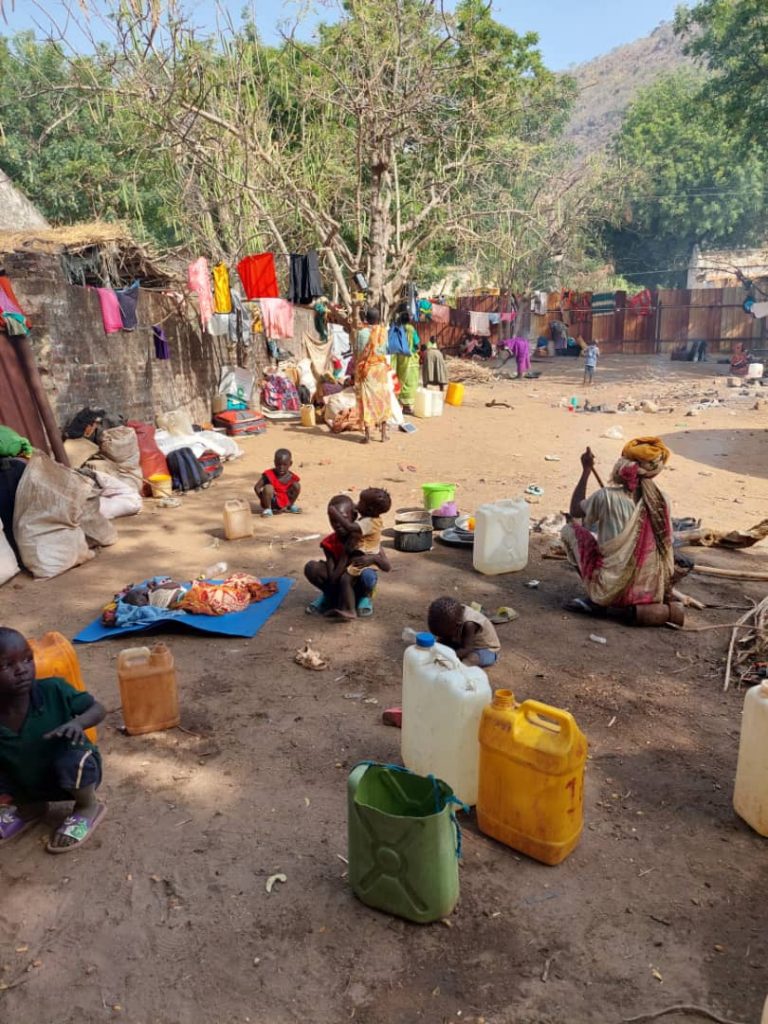
Drone attacks in the Blue Nile region have triggered fresh displacement from Qaysan and Kurmuk following a period of relative calm.
A local source said a drone strike hit a girls’ primary school in Qaysan on 26 February, destroying more than five classrooms but causing no casualties as the school was not in use.
In Kurmuk, drones bombarded three residential neighbourhoods. “Hundreds of families are leaving Kurmuk daily for Damazin or into Ethiopian territory due to the repeated drone attacks or out of fear of ground operations in the area,” a local source told Ayin, adding that more than 300 families were displaced between February 26 and 28.
“Since last Saturday, 28 February, about 1,000 families have been displaced from the town of Kurmuk to the city of Damazin due to the continued insecurity,” said UN spokesman Stephane Dujarric, stressing that humanitarian needs are urgent.
 7)
7)  8) Air strikes on El Obeid continue for third week
The Rapid Support Forces have continued drone strikes on El Obeid, the capital of North Kordofan State, for a third consecutive week, targeting civilian and military sites.
Local sources told Ayin that a drone bombed the British Hospital in El-Obeid on Monday, damaging surgery and dental departments and residential wards and injuring medical staff.
Another drone targeted Kordofan University for the second time in two weeks. The Emergency Rights Lawyers Group condemned the attack and demanded accountability.
Despite a lull in ground fighting, the RSF continues to besiege El Obeid from three directions, while the army uses the city as a logistical hub for operations across the Kordofan region.